

+2 Daha


Bolinho de Bacalhau represents one of the Atlantic-influenced components of Brazilian cuisine, symbolizing a fusion between Portuguese colonial heritage and Brazil’s own gastronomic identity. This deep-fried codfish fritter is particularly popular in coastal cities and traditional eateries. In Brazil, especially in the northeastern and southeastern states, it is widely consumed and functions as a culturally significant appetizer, commonly served at social gatherings and festivals.
Bolinho de Bacalhau is among the best-known recipes transmitted from Portuguese cuisine to Brazil. During the Portuguese colonial period, codfish (bacalhau) was imported into Brazil due to its long shelf life and easy transportability, making it a vital source of protein. Salted and dried cod, brought from the North Atlantic, became one of the staple food products of the colonial era.
Bolinho de Bacalhau is a Brazilian adaptation of the Portuguese recipe Pastéis de Bacalhau, prepared using salted and dried cod. In its Brazilian variations, the dish incorporates local ingredients and cooking techniques, reflecting regional preferences. Particularly in cities such as Rio de Janeiro and São Paulo, Bolinho de Bacalhau has become a staple of bar culture and is often featured as a tapa-style small bite, recognized as one of the iconic foods of social gatherings.
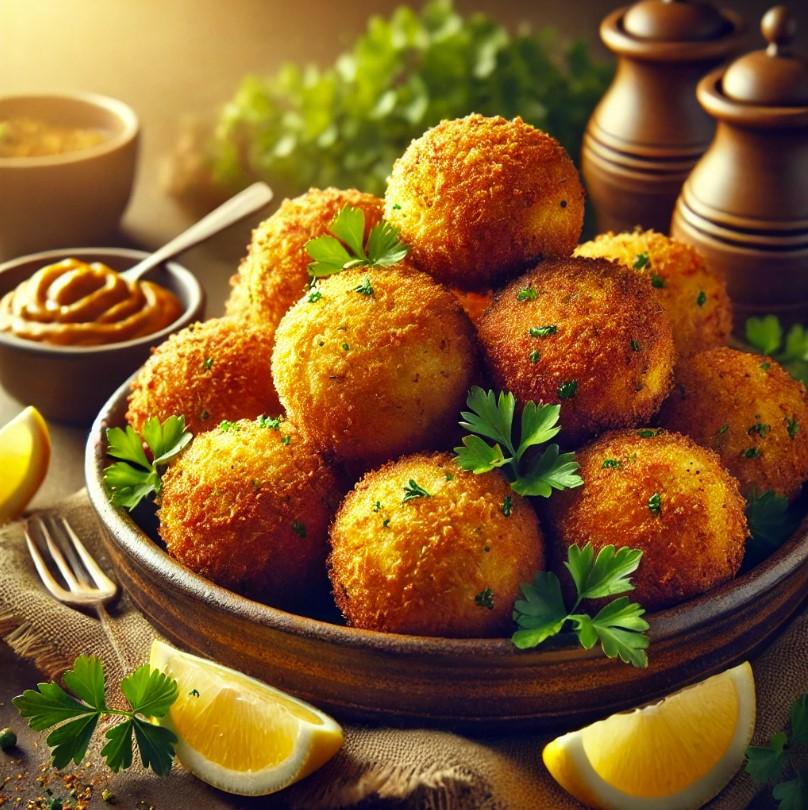
Bolinho de Bacalhau (AI-generated)
The main ingredient of Bolinho de Bacalhau is salted and dried codfish. Before use, the fish is soaked in water for an extended period to remove excess salt, then boiled and shredded. Boiled and mashed potatoes are added to the fish to form the basic dough that provides consistency and binding to the mixture. Chopped onion, parsley, eggs, and black pepper are added as essential seasonings. In some variations, garlic and olive oil are also incorporated into the mixture.
The prepared dough is shaped by hand into oval or round balls. Traditionally, the fritters are deep-fried, resulting in a crispy exterior and a soft, moist interior. The cooking process is performed at high heat over a short period to ensure that the outside turns golden brown while maintaining internal moisture.
In some modern recipes, the fritters are coated in flour or breadcrumbs to achieve a crunchier outer texture. However, traditional recipes omit this coating and fry the mixture directly.
Bolinho de Bacalhau is one of the traditional snacks in Brazil often associated with social alcohol consumption. It is frequently served in bar and boteco (traditional Brazilian bars) culture alongside cold beer. It also appears among appetizers during religious festivals and traditional celebrations. Especially during Easter, when the consumption of red meat is restricted, fish-based dishes like Bolinho de Bacalhau are valued as alternative protein sources.
In Brazil, the consumption of this dish plays a role in preserving the cultural heritage of Portuguese immigrant communities, while also holding a central place in the broader notion of "traditional Brazilian cuisine" within the national collective memory. From a nutritional standpoint, Bolinho de Bacalhau offers a balanced combination of protein and carbohydrates. Codfish is low in fat and high in protein; however, the frying process increases the overall energy and fat content. Within the framework of modern nutritional guidelines, preparing the dish with healthy oils or opting for baking methods is recommended as an alternative technique.
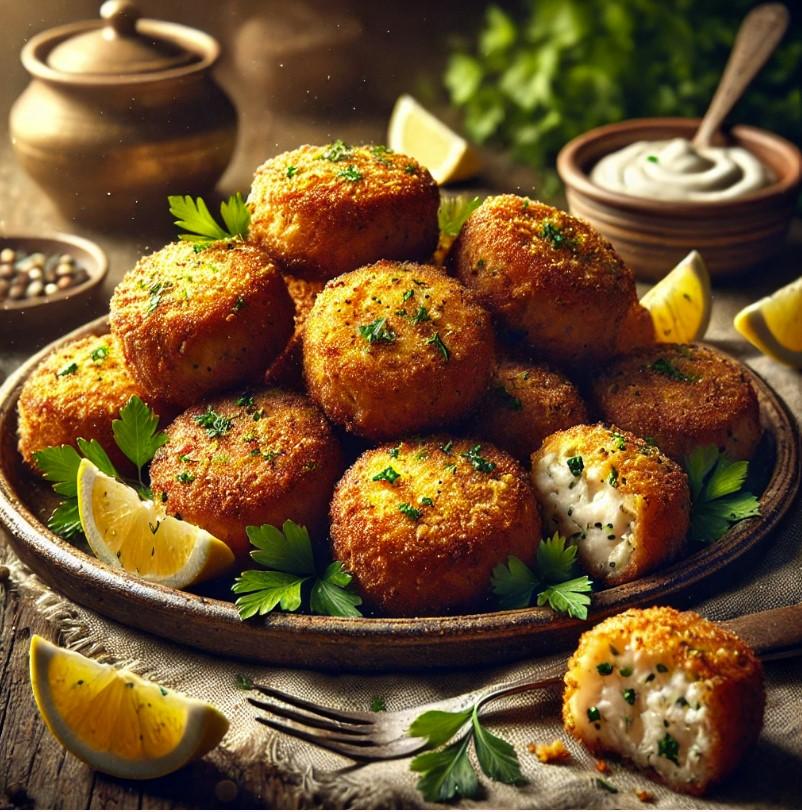
Bolinho de Bacalhau (AI-generated)

Henüz Tartışma Girilmemiştir
"Bolinho de Bacalhau" maddesi için tartışma başlatın
Historical and Cultural Origins of Bolinho de Bacalhau
Structural Characteristics and Preparation Process
Socio-Cultural and Nutritional Context
Bolinho de Bacalhau: Ingredients and Preparation Process
Main Ingredients
Core Components
Preparation Steps
Preparing the Codfish
Preparing the Potatoes
Preparing the Dough
Shaping the Fritters
Frying Process
Serving and Consumption
Nutritional Context
Bu madde yapay zeka desteği ile üretilmiştir.