


Bu içerik Türkçe olarak yazılmış olup yapay zeka ile otomatik olarak İngilizceye çevrilmiştir.
+1 Daha

Serebral Palsi
(Yapay Zeka ile Oluşturulmuştur)
Cerebral palsy (CP) is an umbrella term encompassing non-progressive but permanent disturbances in posture and movement resulting from brain injury occurring during fetal or early childhood development.
CP leads to activity limitations by affecting muscle tone, motor skills and body coordination. Although the brain injury itself is non-progressive, motor limitations, abnormal muscle tone and clinical findings may change over time as the child grows and develops. This syndrome, the most common cause of physical disability in pediatric populations, requires a lifelong multidimensional process of diagnosis, monitoring and rehabilitation.
Cerebral palsy was first described in medical literature in 1862 by British physician Professor W. J. Little. Dr. Little defined the condition, initiated treatment for associated deformities and laid the foundation for orthopedic interventions. Over time, treatment methods have evolved; for example, the earliest forms of foot and ankle orthoses were introduced in the 1850s to assist walking.
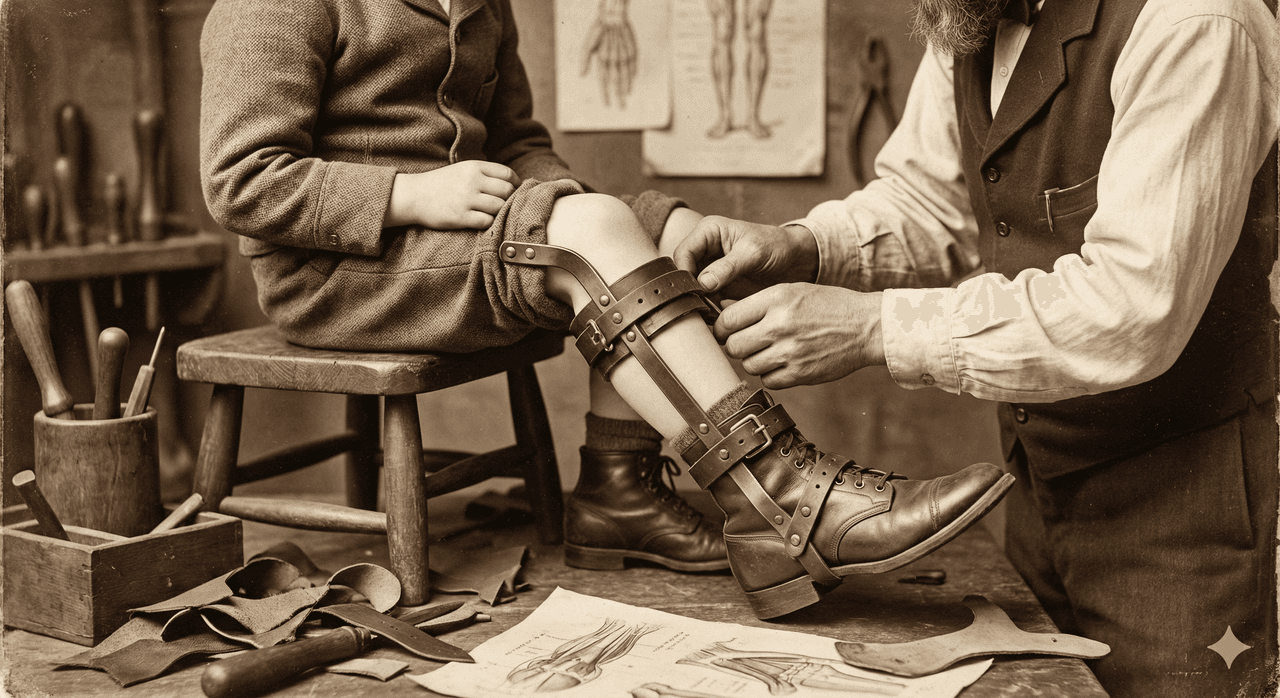
Walking Aid for Standing (Generated by Artificial Intelligence)
The incidence of cerebral palsy worldwide averages between 2 and 3 cases per 1000 live births. Prevalence increases significantly among preterm infants as gestational age and birth weight decrease. In infants born before 28 weeks of gestation, this rate can rise to 82 per 1000 live births; among those with birth weight under 1500 grams, it can reach 59.2 per 1000 live births.【1】
Improved neonatal intensive care and medical technology have increased survival rates of preterm infants, contributing to a rise in cerebral palsy cases over the past thirty years rather than a decline in incidence. Although no definitive prevalence study has been conducted in Türkiye, the condition is estimated to affect approximately 8 per 1000 children, with a higher prevalence observed in boys than in girls.
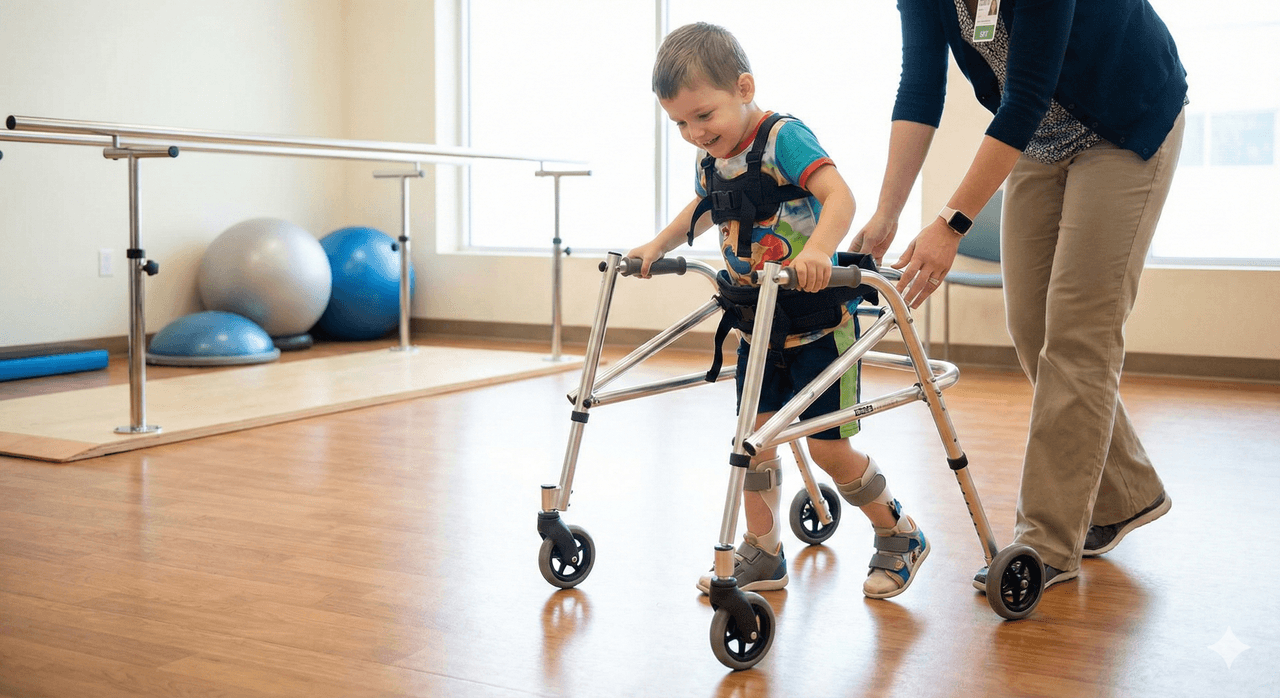
An Example of Modern Walking Aids (Generated by Artificial Intelligence)
Brain injury causing cerebral palsy arises from various factors occurring before, during or after birth. In 70–80% of cases, prenatal pathologies are responsible, with prematurity being the most frequently identified cause.【2】
Prenatal risk factors include intrauterine infections, maternal chronic diseases, pregnancy-induced toxemia, hemorrhages, placental insufficiency, multiple pregnancies and maternal medication use.
Perinatally, low birth weight, difficult or assisted delivery, low Apgar score and birth asphyxia increase risk; postnatally, severe jaundice, intracranial hemorrhages, head trauma, central nervous system infections and neonatal seizures may lead to cerebral palsy. Recent research has also indicated that various genetic polymorphisms may influence susceptibility to cerebral palsy. Despite all these factors, no etiological cause can be identified in 10–20% of cases.【3】
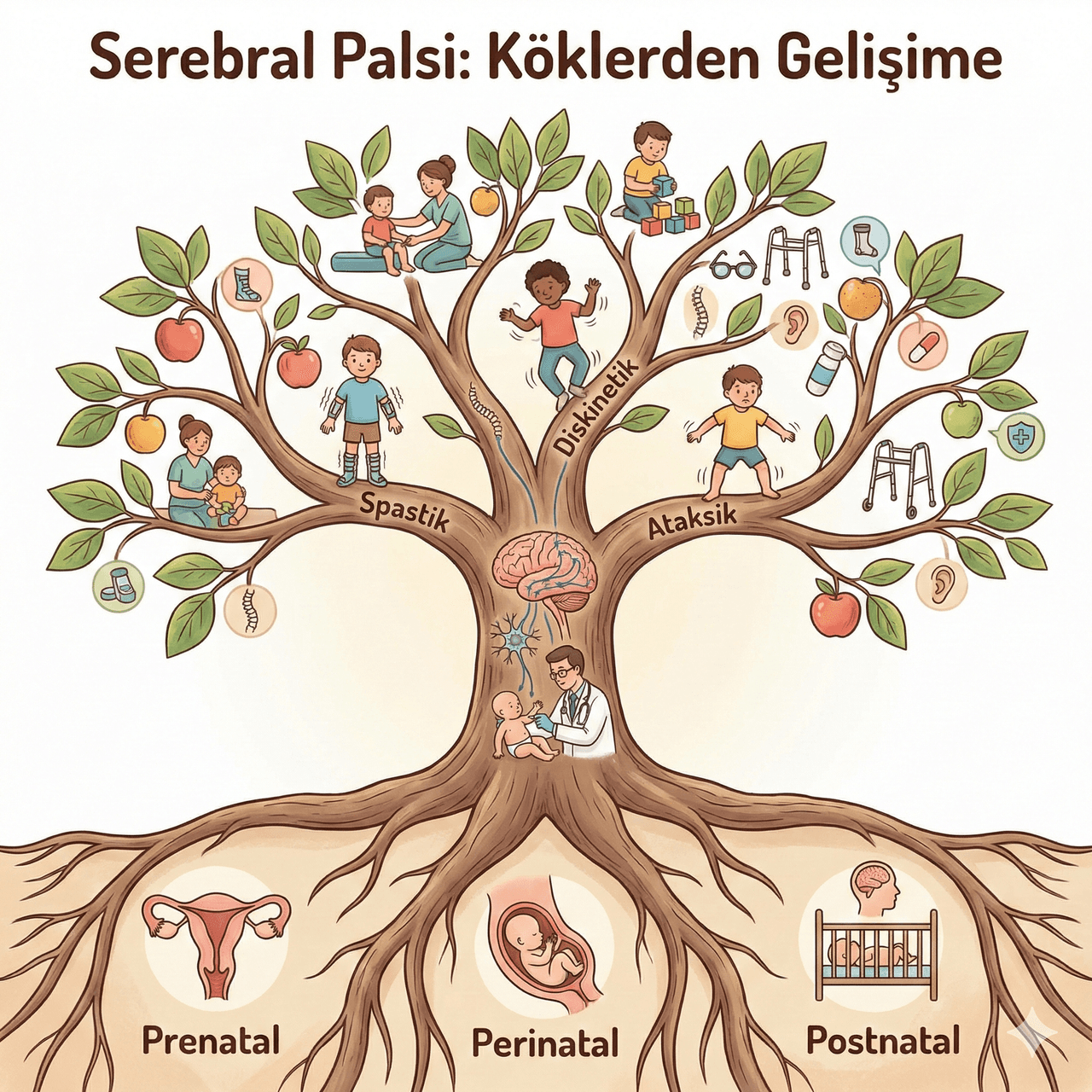
Cerebral Palsy: Etiology (Generated by Artificial Intelligence)
Cerebral palsy results from damage to upper motor neurons in the cerebral cortex that initiate voluntary movements and inhibit lower motor neurons. This damage reduces the inhibitory control of upper motor neurons over the spinal cord, decreasing excitatory signals from corticospinal and reticulospinal tracts, leading to impaired muscle control and increased muscle tone.Brain development stage at which injury occurs determines the type and severity of the lesion.
Ischemia occurring before the 20th week of gestation causes neuronal migration abnormalities, while reduced perfusion between the 26th and 34th weeks leads to periventricular leukomalacia. In preterm infants, ischemic damage to the periventricular white matter affects fibers responsible for lower limb control, predisposing to spastic diplegia. In term infants, perinatal asphyxia typically causes parasagittal brain injury, resulting in neuronal loss or selective neuronal necrosis in the basal ganglia. Damage to the extrapyramidal system causes spasticity, basal ganglia lesions lead to involuntary movements, and cerebellar lesions result in ataxia and loss of coordination.
The core clinical presentation consists of impaired voluntary motor control and altered muscle tone. In infancy, early signs include poor sucking, excessive irritability, high-pitched crying, persistent fist clenching after three months of age and inability to hold the head up. Delays in gross motor skills occur due to persistence of primitive reflexes and failure to develop postural balance reactions.
Clinically, cerebral palsy is classified into spastic, dyskinetic, ataxic/hypotonic and mixed types. The spastic type, which accounts for the majority of cases, is characterized by increased muscle stiffness and hyperreflexia. It is further subdivided into diplegia, hemiplegia and quadriplegia. In the dyskinetic type, involuntary and writhing movements predominate; in the ataxic type, balance disturbances are prominent. Additionally, characteristic pathological gait patterns such as scissoring, toe-walking, flexed-knee gait or jumping gait are commonly observed.
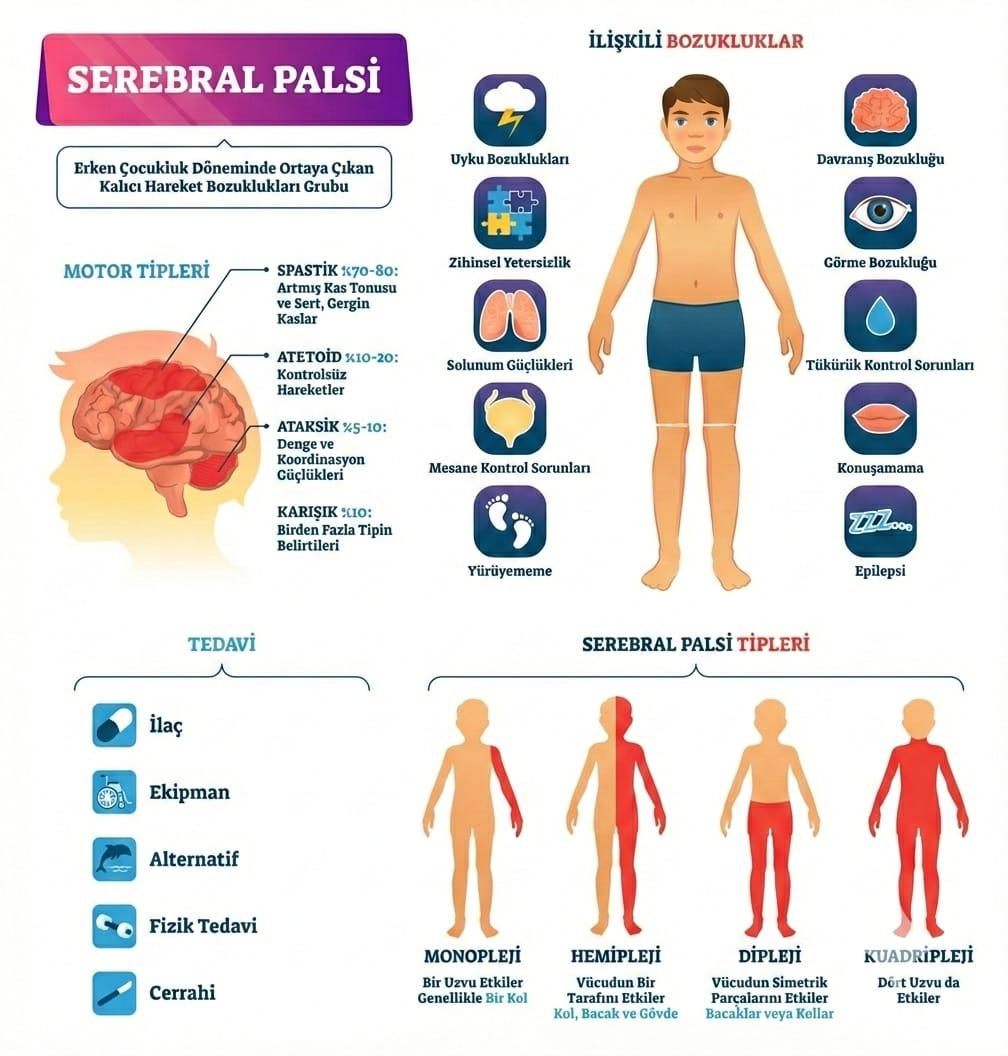
Clinical Types According to Affected Brain Region (Generated by Artificial Intelligence)
Diagnosis of cerebral palsy is based on clinical evaluation and is typically confirmed between 12 and 24 months of age. A detailed neurological and orthopedic examination is performed by a pediatric neurologist, assessing mental status, reflexes, joint range of motion and muscle tone. Auditory and visual impairments are evaluated using VEP and BAEP tests.
Functional level is assessed using standardized tools such as the Gross Motor Function Classification System (GMFCS). Imaging modalities include cranial ultrasound and computed tomography in the neonatal period, and magnetic resonance imaging, which best visualizes white matter injury, in later stages. These tests are critical for distinguishing cerebral palsy from other progressive neurological disorders.
Although no treatment can fully reverse brain injury, a multidisciplinary approach aims to enhance the child’s independence. Early intervention includes physical therapy and occupational therapy, incorporating exercises and techniques such as Bobath and Vojta to reduce muscle spasticity and prevent contractures. Mobility aids such as ankle-foot orthoses, walkers and supported wheelchairs are used to promote movement.
Medical treatments include oral muscle relaxants, intrathecal baclofen pumps and botulinum toxin injections. When conservative methods are insufficient, orthopedic surgical interventions are typically performed between ages 5 and 8. In appropriate cases, neurosurgical procedures such as selective dorsal rhizotomy are also applied. Additionally, communication devices, hippotherapy, swimming and complementary medical practices may be employed to support the therapeutic process.
Disease progression depends on the severity of the brain lesion, clinical type and timing of intervention. Independent walking is typically achieved between ages 2 and 7. Children who achieve head control by nine months and sit independently by 24 months have a high likelihood of walking; however, those unable to sit by age 4 have a low probability. Children with spastic hemiplegia or diplegia can become independent with appropriate support, while those with quadriplegia often require lifelong care. Intellectual disability and social barriers complicate independent living. With proper care and special education, life expectancy for children with spastic diplegia or hemiplegia approaches normal levels.
Cerebral palsy is often accompanied by numerous secondary complications affecting quality of life. Muscle spasticity and strength imbalances may lead to permanent skeletal deformities, contractures, hip dislocations and spinal curvatures such as scoliosis. In severe cases, dysphagia can result in malnutrition and aspiration pneumonia, posing life-threatening risks.
Neurologically, epileptic seizures, intellectual disability, learning difficulties, strabismus and hearing loss may occur. Oral and dental health problems and chronic constipation are also common. Psychosocially, prolonged treatment courses significantly increase the risk of social isolation, anxiety and depression in both the child and the family.
Warning: The content in this article is provided solely for general encyclopedic information. These details must not be used for diagnosis, treatment or referral purposes. Always consult a physician or qualified healthcare professional before making any health-related decisions. The author and KÜRE Encyclopedia assume no responsibility for any consequences arising from the use of this information for diagnostic or therapeutic purposes.
[1]
Yasemin Topçu and Kürşad Aydın, "Cerebral Palsy – Epidemiology, Etiology and Pathology," TOTBİD Journal 17 (2018), accessed 19 February 2026, https://dergi.totbid.org.tr/uploads/pdf_929.pdf
[2]
Yasemin Topçu and Kürşad Aydın, "Cerebral Palsy – Epidemiology, Etiology and Pathology," TOTBİD Journal 17 (2018), accessed 19 February 2026, https://dergi.totbid.org.tr/uploads/pdf_929.pdf
[3]
Yasemin Topçu and Kürşad Aydın, "Cerebral Palsy – Epidemiology, Etiology and Pathology," TOTBİD Journal 17 (2018), accessed 19 February 2026, https://dergi.totbid.org.tr/uploads/pdf_929.pdf

Serebral Palsi
(Yapay Zeka ile Oluşturulmuştur)
Henüz Tartışma Girilmemiştir
"Cerebral Palsy" maddesi için tartışma başlatın
History
Epidemiology
Etiology
Pathophysiology
Clinical Features
Diagnosis
Treatment
Prognosis
Complications