

Bu içerik Türkçe olarak yazılmış olup yapay zeka ile otomatik olarak İngilizceye çevrilmiştir.
+2 Daha
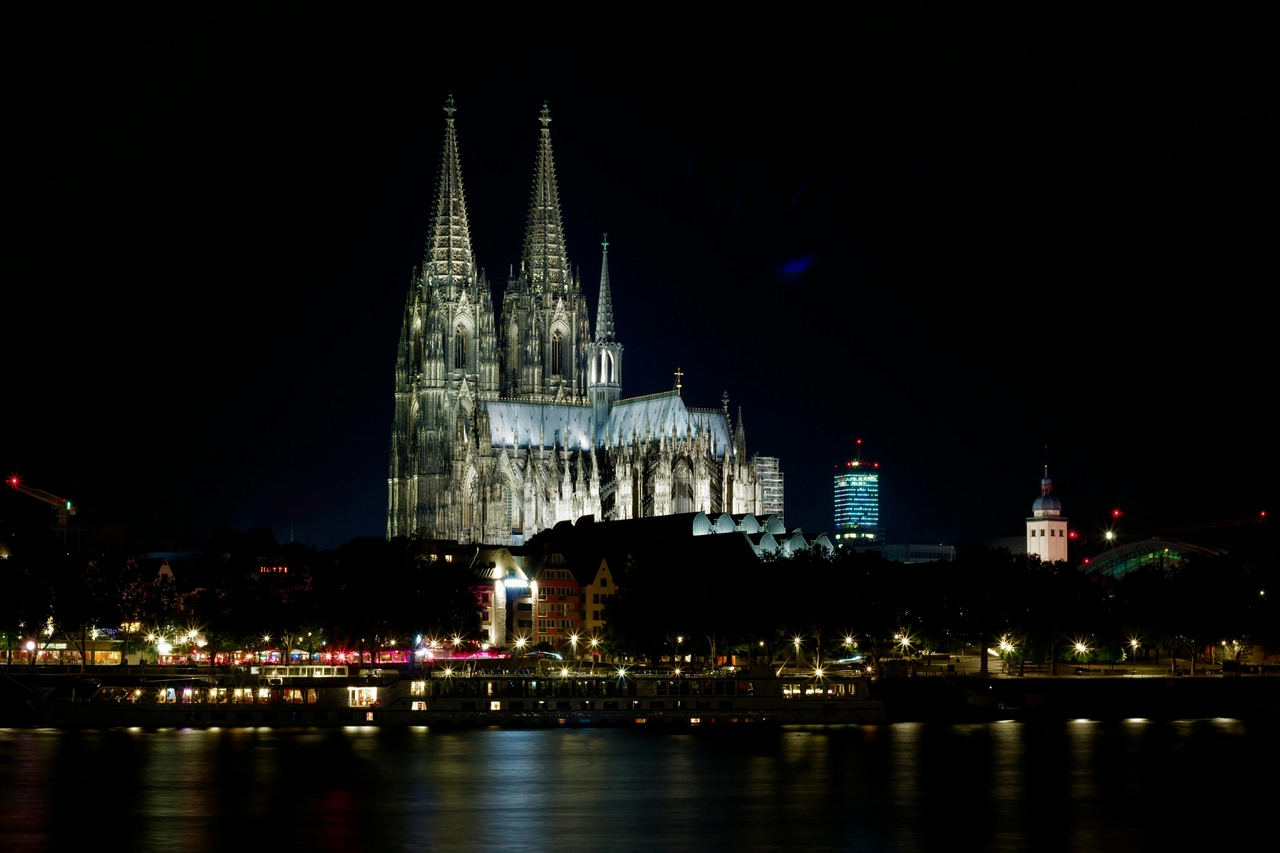
Cologne Cathedral, located in the city of Cologne in the North Rhine-Westphalia state of Germany, is a UNESCO World Heritage Site and one of the country’s most important architectural symbols. This monumental structure was built as an expression of European Christianity and the pinnacle of Gothic art. Its colossal towers and historical and artistic significance make it one of Germany’s most globally recognized buildings.
The history of this vast cathedral began in 1248 with the laying of its first stone, intended to symbolize the religious and architectural power of medieval European Christendom. Recognized as the most magnificent monument of German cultural heritage, it was not the work of a single architect but the collective genius of a community of builders united by shared faith across generations, spanning approximately seven centuries. The arduous construction process, lasting a total of 632 years, was only completed in 1880 when modern techniques were applied in strict adherence to the original medieval plans preserved on parchment. Today, the ancient craft tradition is kept alive by the “Dombauhütte,” a cathedral workshop with roots stretching back to the Middle Ages, responsible for the cathedral’s preservation. The centuries-long duration of its construction gave rise to the local legend that “the world will end when the cathedral is finished.” During the destructive bombings of World War II, the cathedral survived thanks to its iron framework, which had replaced the original wooden roof structure.

Cologne Cathedral (Photo: Samet Yıldırım) [27 September 2025]
The cathedral is designed according to the standards of High Gothic architecture and follows a five-aisle basilica plan.
The cathedral is a major Catholic pilgrimage site because it houses the Shrine of the Three Kings, one of Europe’s largest relics, completed between 1180 and 1225. Other key historical artifacts within the building include the Gero Cross from the 10th century and artistic altarpieces dating from the 14th century. It was inscribed by UNESCO in 1996 under the criterion of “Outstanding Universal Value.”
The cathedral receives an average of 20,000 visitors daily, making it Germany’s most visited historical site. Daily maintenance and preservation costs amount to approximately €30,000. Due to its inalienable status, the cathedral’s official book value is symbolically recorded at €27. It is open to visitors from 06:00 to 20:00 daily; however, guided tours are conducted outside of religious service hours (typically 10:00–17:00 on weekdays and 13:00–16:00 on Sundays).

Henüz Tartışma Girilmemiştir
"Cologne Cathedral" maddesi için tartışma başlatın
History
Architectural Features
Cultural and Religious Significance
Current Status