

badge icon

Bu içerik Türkçe olarak yazılmış olup yapay zeka ile otomatik olarak İngilizceye çevrilmiştir.
Madde
Alıntıla
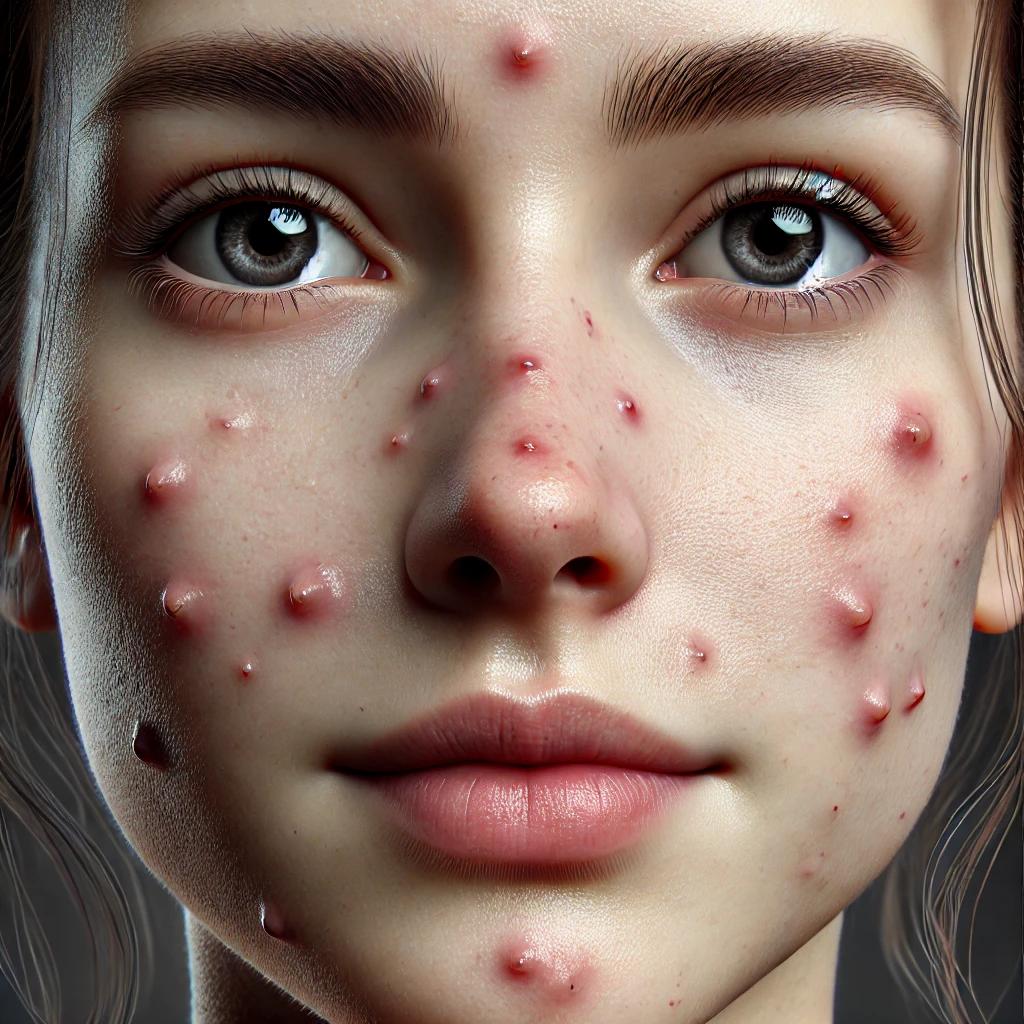
DALL·E 2025-03-23 17.56.17 - A realistic close-up image of a young woman's face, focusing on the nose and cheeks, showing a moderate to severe case of comedones (numerous blackhea.webp
Comedone
Types
Open comedo (blackhead)Closed comedo (whitehead)
Cause of Formation
Excessive sebum productionClogging of pores by dead skin cellsHormonal changesComedogenic productsEnvironmental pollutionStress
Risk Factors
AdolescencePregnancyMenstrual cycleGenetic predispositionImproper cosmetic product useExcessive sugary/fatty dietCertain medications (e.g.corticosteroids)Stress

Comedones are raised lesions that form when sebaceous glands in the skin become clogged. small They exist in two forms: blackheads (open comedones) and whiteheads (closed comedones). Although comedones commonly appear during adolescence due to hormonal changes, they can occur at any age.


Poor skincare routines, the use of wrong cosmetic products, genetic predisposition, and certain medications can also create conditions favorable for comedone formation. Comedones are a skin condition that can negatively affect skin health and lead to aesthetic concerns road. Therefore, understanding the causes, types, and effective treatment methods for comedones common is important.

Deep Dive into the Causes of Comedone Formation

  • The Role of Sebum: Sebaceous glands in the skin produce sebum, an oily substance that moisturizes and protects the skin. However, excessive sebum production can lead to pore blockage and comedone formation. Factors such as hormonal changes, stress, and hot, humid weather can increase sebum production.


  • Cellular Turnover and Blockage: The skin continuously renews itself, shedding dead skin cells. In some cases, these dead cells combine with sebum to clog pores. Accumulated dirt, dust, and makeup residues on the skin surface can also contribute to pore blockage.


  • Cosmetic and Environmental Factors: Makeup and skincare products containing comedogenic ingredients can trigger comedone formation. Environmental factors such as air pollution and cigarette smoke can also clog pores and increase comedone development.


  • Internal Factors: Hormonal changes: Particularly during adolescence, pregnancy, and menstruation, hormonal fluctuations can stimulate sebum production and trigger comedone formation.


  • Genetic Predisposition: Individuals with a family history of comedones have a higher likelihood of developing them due to genetic factors.


  • Medications: Certain medications can cause comedone formation as a side effect.


  • Poor Diet: Consuming excessive amounts of sugary and fatty foods can trigger comedone formation.


  • Stress: Under stress, the body produces more cortisol hormone, which increases sebum production.

Types and Characteristics of Comedones

  • Blackheads (Open Comedones): Form when pores remain open and sebum oxidizes upon exposure to air.
  • They appear black or dark in color.
  • Commonly found in oily areas such as the nose, forehead, and chin.


  • Whiteheads (Closed Comedones): Form when pores are closed and sebum accumulates beneath the skin surface.
  • They appear as small white or skin-colored bumps.
  • They can cause a rough texture on the skin surface.

Comedone Treatment Methods

  • Skin Care Routine: Cleansing the skin twice daily with a gentle cleanser helps prevent comedone formation by removing dead skin cells and excess oil.
  • It is important to use products suitable for your skin type that are non-comedogenic.
  • Exfoliating products can help remove dead skin cells and clear pore blockages.


  • Active Ingredients: Products containing salicylic acid and benzoyl peroxide can be effective in treating comedones by opening pores and reducing inflammation.
  • Retinoids (vitamin A derivatives) prevent comedone formation by accelerating skin cell renewal and help improve existing comedones.


  • Professional Treatments: Chemical peels are an effective method for treating comedones by removing the skin’s outer layer and eliminating dead skin cells.
  • Professional comedone extraction, performed by dermatologists or licensed aestheticians, provides deep cleaning to remove comedones.
  • Laser therapy can be effective in treating comedones by reducing sebum production and shrinking pores.


  • Natural Support: Natural ingredients such as tea tree oil, aloe vera, and apple cider vinegar may assist in comedone treatment. However, it is important to ensure they are suitable for your skin type and to consider the risk of allergic reactions before use.

Preventive Measures

  • Use Non-Comedogenic Products: When selecting skincare and makeup products, it is important to choose those labeled as non-comedogenic.


  • Avoid Over-Cleansing the Skin: Over-cleansing can dry out and irritate the skin, potentially triggering increased sebum production and comedone formation.


  • Maintain a Healthy Diet: A healthy and balanced diet supports skin health.


  • Manage Stress: Managing stress helps maintain hormonal balance and prevents comedone formation.


  • Avoid Touching the Skin: Frequently touching the skin can transfer bacteria and lead to inflammation of comedones.

Important Warning

The information provided in this substance is categorized as “general encyclopedic information” and cannot be used for diagnosis or treatment. diagnosis

Yazar Bilgileri

Avatar
YazarAyşe Betül Edis19 Aralık 2025 06:27

Etiketler

Tartışmalar

Henüz Tartışma Girilmemiştir

"Comedone" maddesi için tartışma başlatın

Tartışmaları Görüntüle

İçindekiler

  • Deep Dive into the Causes of Comedone Formation

  • Types and Characteristics of Comedones

  • Comedone Treatment Methods

  • Preventive Measures

  • Important Warning

KÜRE'ye Sor