+2 Daha

Alternative Names | Demand-based pricing Algorithmic pricing Surveillance pricing Surge pricing | ||||||||
|---|---|---|---|---|---|---|---|---|---|
Primary Goal | Real-time automated price optimization to align with fluctuating demand and maximize profit margins | ||||||||
Major Industry Adopters | Travel & Transport E-Commerce & Retail Fast Food Sports & Live Events | ||||||||
Public Concerns | Price opacity Individualized Price Discrimination Consumer Privacy Risks | ||||||||
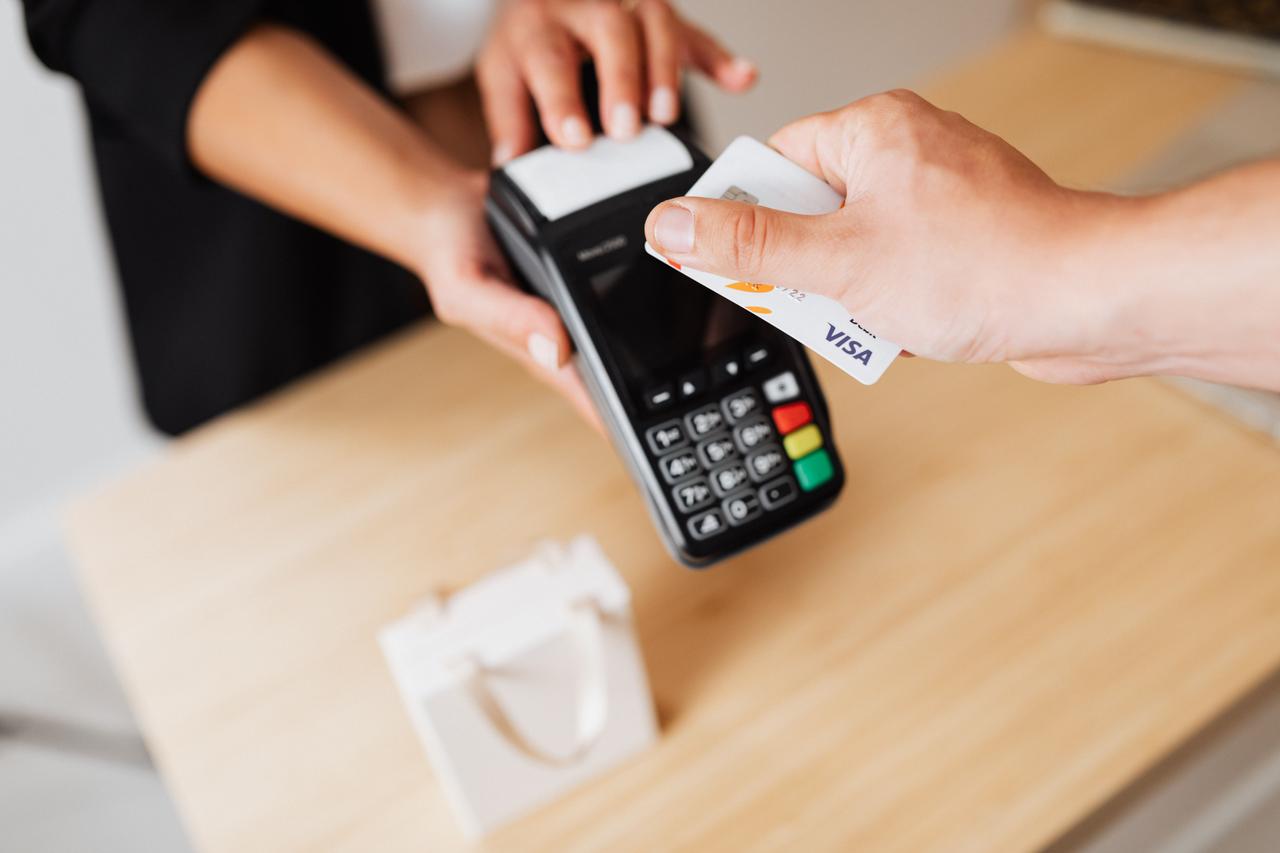
Dynamic pricing is the practice of continually adjusting selling prices for goods or services in real time based on changing market conditions, consumer demand, competitor actions, and inventory constraints. Powered by digital technology, online e-commerce infrastructure, and electronic shelf labels in physical stores, dynamic pricing aims to enable businesses to transition away from static price tags and optimize revenue by rapidly aligning prices with market fluctuations. Historically concentrated in industries with perishable inventory such as airlines, hotels, and ride-sharing services, dynamic pricing has expanded into general retail, grocery, sports entertainment, and fast food due to advancements in artificial intelligence (AI) and machine learning (ML). However, as firms increasingly utilize granular data to estimate individual willingness to pay, dynamic pricing has generated substantial debate surrounding price transparency, customer trust, algorithmic fairness, and consumer privacy.【1】
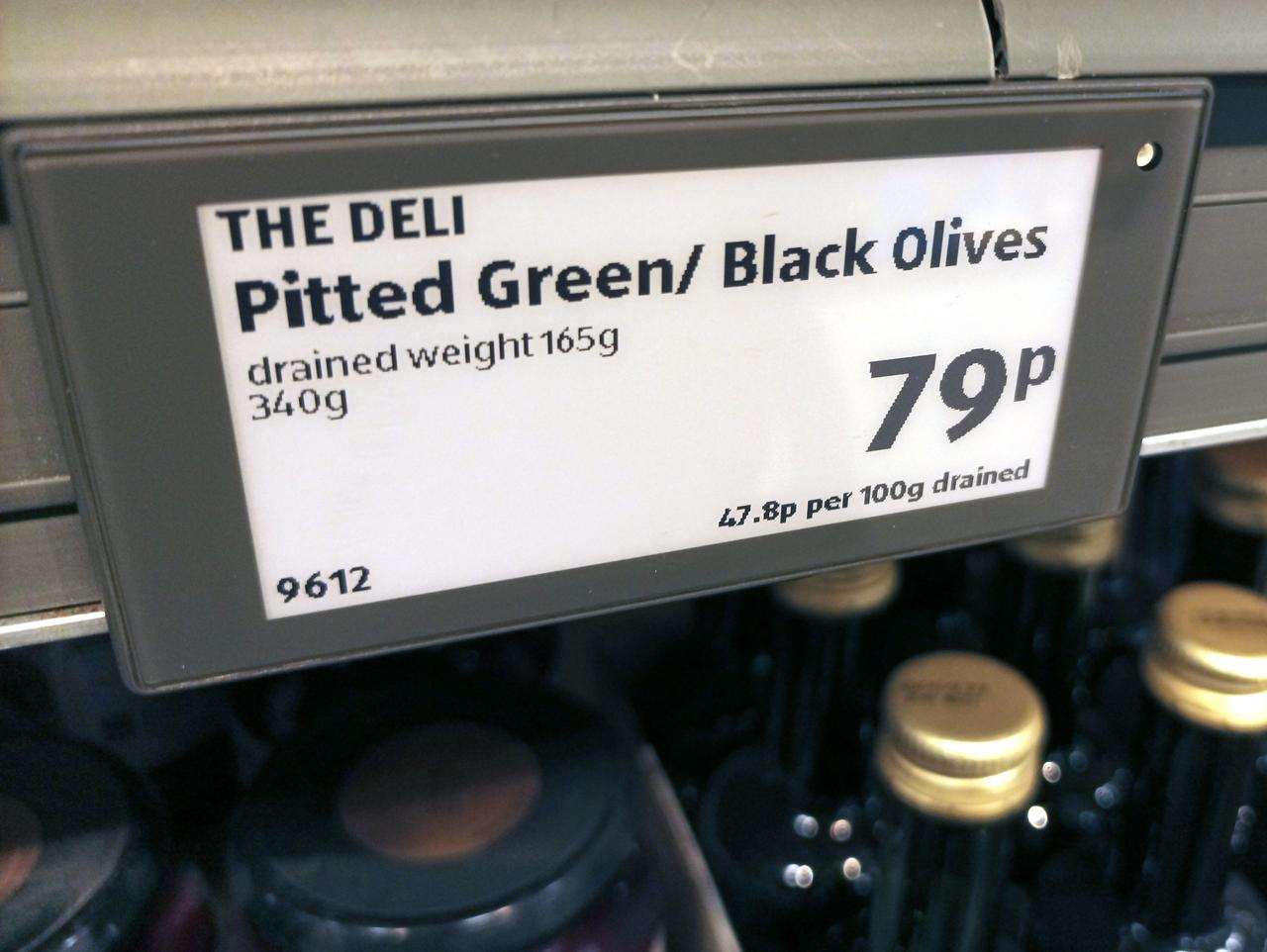
Electronic Shelf Labels (Flickr)
Modern dynamic pricing relies on AI-driven pricing software and platforms that automate and refine pricing decisions. Rather than relying strictly on manual updates or rigid rule-based logic, AI pricing tools continually requre to ingest datasets, including historical sales transactions, competitor price feeds, real-time inventory levels, weather forecasts, and customer digital behavior. AI tools operate across a broad spectrum of customization:
Systems adjust prices across physical store locations or digital storefronts based on aggregated regional demand, localized inventory, and local competitor menu prices.【2】 Electronic shelf labels aim to allow brick-and-mortar retailers to update prices instantly without manual labor costs.【3】
Advanced software uses online tracking metrics—such as user IP addresses, browsing history, device type, location, abandoned cart items, and mouse movements—to categorize shoppers and estimate an individual's "pain point" or maximum willingness to pay.【4】
Specialized third-party vendors provide algorithmic pricing modules for both direct-to-consumer retailers and business-to-business (B2B) distributors, supporting instant quote generation and automated search ranking adjustments.
Dynamic pricing methodologies draw from operations research, statistics, economics, and computer science to model consumer demand and maximize profitability. Key technical frameworks include:
Advanced systems deploy deep learning architectures, such as Long Short-Term Memory (LSTM) networks, to process sequential transaction data and forecast future demand patterns under varying price points.
Unsupervised machine learning models, notably K-Means clustering, partition consumer populations into distinct clusters based on purchase history, frequency, and spend patterns, enabling tailored base-price adjustments.
Pricing engines utilize RL algorithms (e.g., Q-learning) to continuously test prices in simulated or real environments. The algorithm optimizes an objective function balancing price, predicted demand, and product cost, autonomously refining its pricing strategy via iterative feedback loops.
In environments with uncertain demand parameters, sellers apply Bayesian updating to learn consumer price elasticity over time. This introduces a fundamental exploration-exploitation trade-off, where the pricing tool temporarily adjusts prices (exploration) to gather market data and improve future expected revenue optimization (exploitation).
Quantitative models apply maximum likelihood or least-squares estimation to compute price sensitivity and establish performance bounds (minimizing "regret" against optimal theoretical benchmarks).
The expansion of dynamic and algorithmic pricing into daily consumer spending has raised significant public apprehension regarding fairness, lack of transparency, and personal data usage.
McDonald's (Pexels)
Fast-food chains have adopted machine-learning pricing engines to evaluate customer willingness to pay at individual store locations. At McDonald's, the AI pricing portal can recommend localized menu prices by analyzing daily transaction data and local competitor prices. It has been recorded that this system has widened price discrepancies across stores in the same city; for instance, in Canada 20-piece Chicken McNuggets【5】 or in US Big Mac meals can vary by several dollars between locations just a few kilometers apart.【6】 While corporate headquarters encourages AI recommendations to drive total system revenue, it has sparked tension with franchisees over margin pressures and drawn regulatory scrutiny regarding potential horizontal price coordination among competing store owners.
FIFA introduced dynamic pricing for ticket sales at the 2026 World Cup, allowing ticket prices to fluctuate based on real-time global demand. It has been reported that initial group stage ticket prices began at $575, while resale prices for the final exceeded $11,000 on secondary platforms. Although the strategy filled 99.7% of available group stage seats, the lack of pricing transparency and steep cost increases drew criticism from fan groups and human rights advocates, who argued that high-demand dynamic pricing rendered international sports inaccessible to average supporters.【7】
Amazon: Uses automated dynamic pricing to update millions of product prices daily to match or beat competitors.【8】 However, its historical pricing tools have faced scrutiny, including an FTC antitrust lawsuit challenging an internal tool codenamed "Project Nessie," which allegedly tested whether competitors would follow automated price increases.【9】
Target & Instacart: Prosecutors in California sued Target over app features that allegedly raised prices once a user entered a store location (settled for $5 million with a ban on geofenced price increases). Similarly, Instacart faced consumer backlash after studies revealed it showed varying grocery item prices to different user groups, leading the company to discontinue the test.【10】
In response to consumer anxiety over surveillance pricing, regulators and state legislatures have enacted strict policy measures:

Federal Trade Commission Seal (FTC)
The FTC launched a comprehensive study under Section 6(b) examining third-party pricing intermediaries that categorize individuals and set targeted prices using personal data.【11】 States such as Maryland, Connecticut, and New York have passed legislation like New York's One Fair Price Act, which bans companies from setting individualized prices based on personal data (e.g., browsing history, income, or real-time location) and mandates clear disclosures when dynamic pricing algorithms are active.【12】
The Digital Markets, Competition and Consumers Act (DMCCA) has empowered regulators to fine companies up to 10% of global revenue for unfair, hidden, or misleading digital pricing practices.【13】
A person paying cashless using credit card · free stock photo. Accessed October 23, 2026. https://www.pexels.com/photo/a-person-paying-cashless-using-credit-card-5239818/.
Alves, Dominic. “Electronic Shelf Labels.” Flickr. Accessed October 23, 2026. https://www.flickr.com/photos/dominicspics/52710231417.
Basal, Murat, Emel Saraç, and Kadir Özer. "Dynamic pricing strategies using artificial intelligence algorithm." Open Journal of Applied Sciences 14, no. 8 (2024): 1963-1978. Accessed October 22, 2026. https://www.scirp.net/journal/paperinformation?paperid=135046.
Den Boer, Arnoud V. "Dynamic pricing and learning: Historical origins, current research, and new directions." Surveys in operations research and management science 20, no. 1 (2015): 1-18. Accessed October 22, 2026. https://www.sciencedirect.com/science/article/pii/S1876735415000021.
Karunakaran, S., M. Hemasundari, R. Suguna, and A. Thandauthapani. "Integrating AI and ML for dynamic pricing strategies: innovations in marketing analytics and revenue management." In 2024 international conference on power, energy, control and transmission systems (ICPECTS), pp. 1-6. IEEE, 2024. Accessed October 22, 2026. https://ieeexplore.ieee.org/abstract/document/10780375/.
barbhuiya, Towfiqu. “Contactless Payment with Credit Card.” Pexels. Accessed October 22, 2026. https://www.pexels.com/photo/contactless-payment-with-credit-card-9122014/.
“Consumer Apprehension Grows as US Retailers Adopt AI-Assisted Pricing Tools.” The Associated Press. Accessed October 22, 2026. https://apnews.com/article/ai-prices-dynamic-customers-technology-64c446cd117d3be664de4ab570fb9857.
“Dynamic Pricing, Explained: Why Prices Are Changing More Often | WSJ Price Index.” YouTube. Accessed October 22, 2026. https://www.youtube.com/watch?v=vTWhsgs3ZRA.
“FTC Surveillance Pricing 6(b) Study: Research Summaries A Staff Perspective.” Federal Trade Commission. Accessed October 23, 2026. https://www.ftc.gov/system/files/ftc_gov/pdf/p246202_surveillancepricing6bstudy_researchsummaries_redacted.pdf.
“If You Bill It, They Will Come: FIFA Wins Battle for Fans’ Wallets ...” Reuters. Accessed October 22, 2026. https://www.reuters.com/sports/soccer/if-you-bill-it-they-will-come-fifa-wins-battle-fans-wallets-pricey-world-cup-2026-07-18.
“Inside McDonald’s Push to Have AI Price Your Big Mac.” Reuters. Accessed October 22, 2026. https://www.reuters.com/business/inside-mcdonalds-push-have-ai-price-your-big-mac-2026-09-29.
“New York Passes Bill Banning Prices Based on Personal Data.” Reuters. Accessed October 22, 2026. https://www.reuters.com/legal/government/new-york-passes-bill-banning-prices-based-personal-data-2026-06-05/.
“Our Seal.” Federal Trade Commission. Accessed October 23, 2026. https://www.ftc.gov/about-ftc/history/our-seal.
“Why McDonald’s Menu Items Are Different Prices, Even in the Same City | CBC Radio.” CBCnews, July 6, 2023. https://www.cbc.ca/radio/costofliving/why-mcdonald-s-menu-items-are-different-prices-even-in-the-same-city-1.6891476.
Tito Zzzz. An elderly man using a phone. Accessed October 23, 2026. https://www.pexels.com/photo/a-sing-in-a-city-20318290/.
“Consumer Apprehension Grows as US Retailers Adopt AI-Assisted Pricing Tools.” The Associated Press. Accessed October 22, 2026. https://apnews.com/article/ai-prices-dynamic-customers-technology-64c446cd117d3be664de4ab570fb9857.
“Dynamic Pricing, Explained: Why Prices Are Changing More Often | WSJ Price Index.” YouTube. Accessed October 22, 2026. https://www.youtube.com/watch?v=vTWhsgs3ZRA.
“FTC Surveillance Pricing 6(b) Study: Research Summaries A Staff Perspective.” Federal Trade Commission. Accessed October 23, 2026. https://www.ftc.gov/system/files/ftc_gov/pdf/p246202_surveillancepricing6bstudy_researchsummaries_redacted.pdf.
“If You Bill It, They Will Come: FIFA Wins Battle for Fans’ Wallets ...” Reuters. Accessed October 22, 2026. https://www.reuters.com/sports/soccer/if-you-bill-it-they-will-come-fifa-wins-battle-fans-wallets-pricey-world-cup-2026-07-18.
“Inside McDonald’s Push to Have AI Price Your Big Mac.” Reuters. Accessed October 22, 2026. https://www.reuters.com/business/inside-mcdonalds-push-have-ai-price-your-big-mac-2026-09-29.
“New York Passes Bill Banning Prices Based on Personal Data.” Reuters. Accessed October 22, 2026. https://www.reuters.com/legal/government/new-york-passes-bill-banning-prices-based-personal-data-2026-06-05/.
“Our Seal.” Federal Trade Commission. Accessed October 23, 2026. https://www.ftc.gov/about-ftc/history/our-seal.
“Why McDonald’s Menu Items Are Different Prices, Even in the Same City | CBC Radio.” CBCnews, July 6, 2023. https://www.cbc.ca/radio/costofliving/why-mcdonald-s-menu-items-are-different-prices-even-in-the-same-city-1.6891476.
“‘Surveillance Pricing’: Why You Might Be Paying More than Your Neighbour.” Al Jazeera. Accessed October 22, 2026. https://www.aljazeera.com/features/2025/10/15/surveillance-pricing-why-you-might-be-paying-more-than-your-neighbour.
“‘Surveillance Pricing’: Why You Might Be Paying More than Your Neighbour.” Al Jazeera. Accessed October 22, 2026. https://www.aljazeera.com/features/2025/10/15/surveillance-pricing-why-you-might-be-paying-more-than-your-neighbour.
[1]
“Consumer Apprehension Grows as US Retailers Adopt AI-Assisted Pricing Tools,” The Associated Press, accessed October 22, 2026, https://apnews.com/article/ai-prices-dynamic-customers-technology-64c446cd117d3be664de4ab570fb9857.
[2]
“Inside McDonald’s Push to Have AI Price Your Big Mac,” Reuters, accessed October 22, 2026, https://www.reuters.com/business/inside-mcdonalds-push-have-ai-price-your-big-mac-2026-09-29.
[3]
“Dynamic Pricing, Explained: Why Prices Are Changing More Often | WSJ Price Index,” YouTube, accessed October 22, 2026, https://www.youtube.com/watch?v=vTWhsgs3ZRA.
[4]
“‘Surveillance Pricing’: Why You Might Be Paying More than Your Neighbour,” Al Jazeera, accessed October 22, 2026, https://www.aljazeera.com/features/2025/10/15/surveillance-pricing-why-you-might-be-paying-more-than-your-neighbour.
[5]
“Why McDonald’s Menu Items Are Different Prices, Even in the Same City | CBC Radio,” CBCnews, July 6, 2023, accessed October 22, 2026, https://www.cbc.ca/radio/costofliving/why-mcdonald-s-menu-items-are-different-prices-even-in-the-same-city-1.6891476.
[6]
“Inside McDonald’s Push to Have AI Price Your Big Mac,” Reuters, accessed October 22, 2026, https://www.reuters.com/business/inside-mcdonalds-push-have-ai-price-your-big-mac-2026-09-29.
[7]
“If You Bill It, They Will Come: FIFA Wins Battle for Fans’ Wallets ...,” Reuters, accessed October 22, 2026, https://www.reuters.com/sports/soccer/if-you-bill-it-they-will-come-fifa-wins-battle-fans-wallets-pricey-world-cup-2026-07-18.
[8]
“Dynamic Pricing, Explained: Why Prices Are Changing More Often | WSJ Price Index," YouTube.
[9]
“Consumer Apprehension Grows as US Retailers Adopt AI-Assisted Pricing Tools,” The Associated Press.
[10]
“Consumer Apprehension Grows as US Retailers Adopt AI-Assisted Pricing Tools,” The Associated Press.
[11]
Federal Trade Commission, “FTC Surveillance Pricing 6(b) Study: Research Summaries A Staff Perspective.” Accessed October 22, 2026, https://www.ftc.gov/system/files/ftc_gov/pdf/p246202_surveillancepricing6bstudy_researchsummaries_redacted.pdf.
[12]
“New York Passes Bill Banning Prices Based on Personal Data,” Reuters, accessed October 22, 2026, https://www.reuters.com/legal/government/new-york-passes-bill-banning-prices-based-personal-data-2026-06-05/.
[13]
“‘Surveillance Pricing’: Why You Might Be Paying More than Your Neighbour,” Al Jazeera.

Alternative Names | Demand-based pricing Algorithmic pricing Surveillance pricing Surge pricing | ||||||||
|---|---|---|---|---|---|---|---|---|---|
Primary Goal | Real-time automated price optimization to align with fluctuating demand and maximize profit margins | ||||||||
Major Industry Adopters | Travel & Transport E-Commerce & Retail Fast Food Sports & Live Events | ||||||||
Public Concerns | Price opacity Individualized Price Discrimination Consumer Privacy Risks | ||||||||
Henüz Tartışma Girilmemiştir
"Dynamic Pricing" maddesi için tartışma başlatın
AI Pricing Tools
Generalized Store-Level Pricing
Personalized / Surveillance Pricing
Intermediary Solutions
Methodology and Algorithmic Frameworks
Demand Forecasting and Time-Series Neural Networks
Customer Segmentation Algorithms
Reinforcement Learning (RL) and Adaptive Control
Bayesian Learning and Active Experimentation
Parametric and Statistical Estimation
Public Concerns and Industry Examples
Fast-Food Industry
Sports Mega-Events
Retail, E-Commerce, and Algorithmic Coordination
Regulatory and Legislative Responses
United States
United Kingdom