

+2 Daha


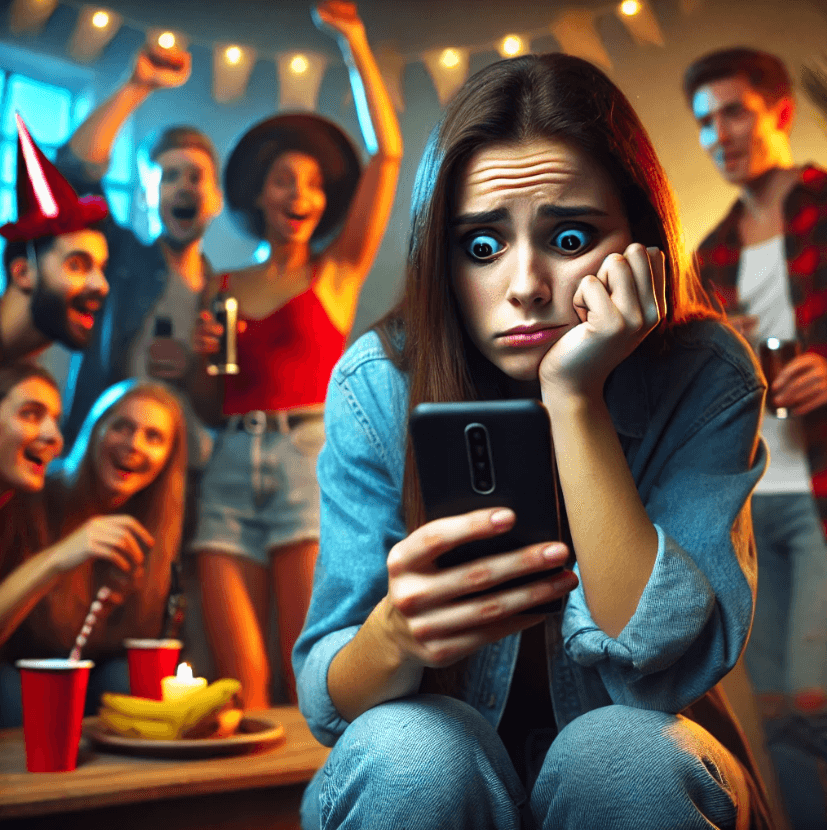
Fear of Missing Out (FOMO) refers to the anxiety that an individual experiences when they fear missing out on social, entertaining, rewarding, or important experiences happening around them. With the widespread use of social media and digital communication tools, the term FOMO has become even more common today. Due to the constantly updating and rapidly spreading nature of social media content, FOMO has become more noticeable. This feeling often arises when individuals observe the social activities and posts of their online friends, making them feel as if they are missing out on something in their own lives. This sense of loss can often lead to feelings of loneliness, inadequacy, or exclusion.
FOMO not only affects social media usage but can also have significant impacts on an individual’s overall psychological state and social relationships. People may experience anxiety and dissatisfaction when they are unable to participate in enjoyable activities that others are engaging in.
The concept of FOMO was first introduced in the early 2000s as an expression of opportunities or developments and was incorporated into the literature by marketing expert Herman (2000).
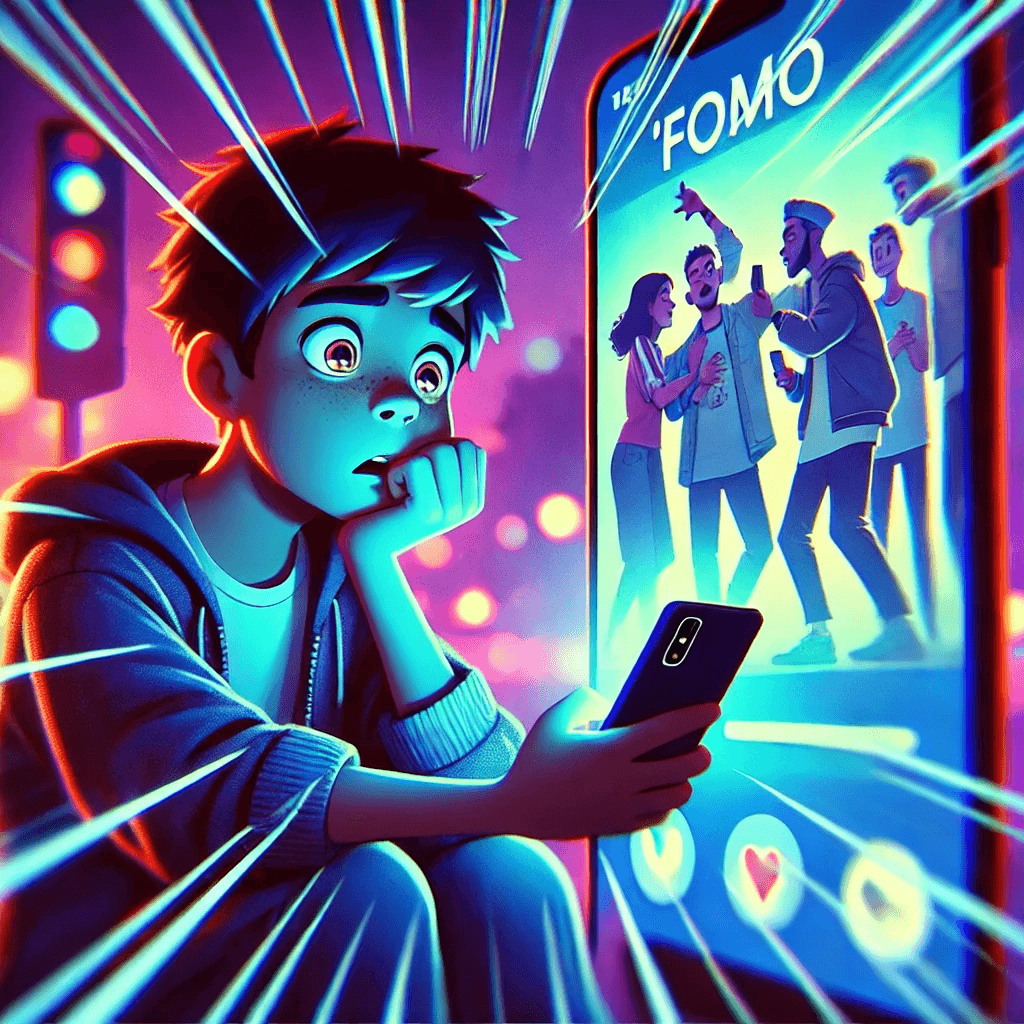
An AI-generated image depicting FOMO.
At its core, FOMO is driven by the attachment to a socially constructed perception of “success.” This phenomenon leads individuals to constantly monitor those around them and follow social media posts, making them feel deprived of this success. The main causes of FOMO include:

Created in Canva by the author.
The different types of FOMO vary based on an individual's experiences and social media usage patterns. These include:
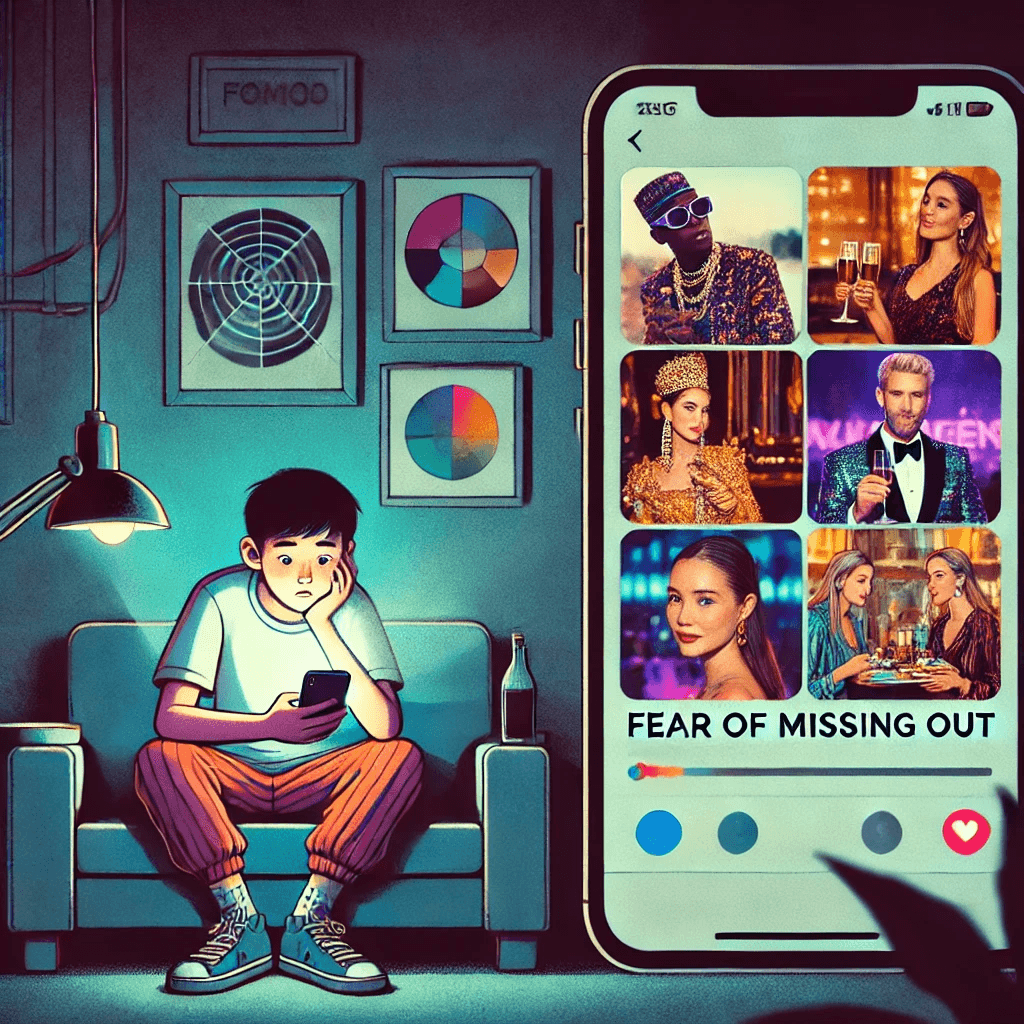
An image created by AI.
FOMO is a widespread emotional state that individuals face in the digital age. Social media usage has contributed to the more frequent and intense experience of this emotion. When people see the "perfect moments" in others' lives, they may feel a sense of inadequacy in their own lives. However, beyond being just an emotional reaction to social media and external events, FOMO is linked to complex psychological dynamics. Connected with desire thinking, craving, social media addiction, and other mental processes, the long-term effects of FOMO can impact individuals' emotional and social well-being. Therefore, understanding and managing FOMO is crucial, particularly in terms of therapeutic interventions and raising awareness about social media habits.
Arshad, M. I., et al. "The Influence of Work-Life Balance on Employee Well-Being." Springer Journal of Behavioral Sciences 8, no. 2 (2023): 45-56. https://link.springer.com/article/10.1186/s40359-023-01216-0.
Rath, S., et al. "Exploring the Influence of Organizational Culture on the Work-Life Balance of Employees." Journal of Business and Economic Research 19, no. 2 (2021): 123-137. https://journals.klalliance.org/index.php/JBER/article/view/192/187.
Rath, S., et al. "Impact of Work-Life Balance on Employee Engagement and Retention." Journal of Business Research 95 (2016): 23-29. https://www.sciencedirect.com/science/article/abs/pii/S0747563216304198.
Rath, S., et al. "Impact of Work-Life Balance on Organizational Commitment." Journal of Business Research 84 (2017): 1-7. https://www.sciencedirect.com/science/article/abs/pii/S0747563213000800.
Bekman, Müge. "FOMO'nun Halkla İlişkilerdeki Yeri ve Etkileri: Trendyol Örneği." Selçuk İletişim Dergisi 15, no. 2 (2022): 528-557. https://dergipark.org.tr/en/download/article-file/2428336.

Henüz Tartışma Girilmemiştir
"Fear of Missing Out (FOMO)" maddesi için tartışma başlatın
Factors Contributing to FOMO
Concepts Related to FOMO
Types of FOMO
Bu madde yapay zeka desteği ile üretilmiştir.