

Bu içerik Türkçe olarak yazılmış olup yapay zeka ile otomatik olarak İngilizceye çevrilmiştir.
+2 Daha
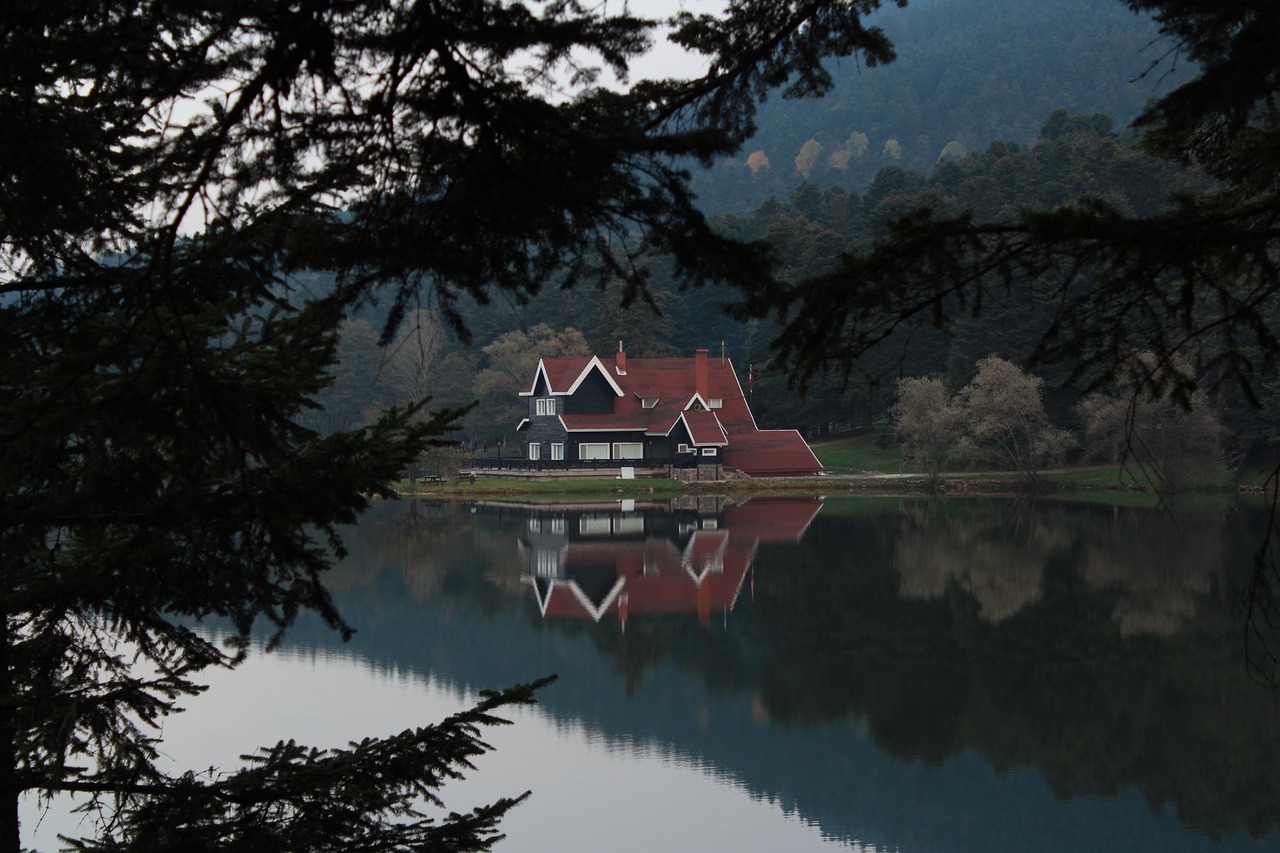
Bolu Gölcük Nature Park is a natural area located 13 kilometers south of the city center of Bolu, at an elevation of 1217 meters, surrounding Gölcük Lake, which was created in 1958 as an artificial reservoir. The area was designated a nature park on 11 July 2011 and is distinguished by its rich vegetation, scenic lake views, and recreational facilities. The lake, with an approximate surface area of 4.5 hectares, is fed by snowmelt and rainfall; its surroundings are covered by species such as oriental beech, Turkish pine, black pine, oak, and hornbeam. Aquatic plants including native and exotic water lilies and Myriophyllum spicatum are found within the lake and along its shoreline. The spread of exotic species and excessive growth of aquatic vegetation pose threats to the ecosystem, including eutrophication and a decline in biodiversity. The park offers walking trails, picnic areas, bungalow accommodation facilities, and sport fishing opportunities.
Gölcük Lake was created in 1958 within the boundaries of Mesciler village in Bolu as an artificial reservoir, with its surroundings afforested to enhance landscape value. Initially used as a forest recreation area, the site was granted nature park status in 2011 due to increasing visitor interest and the need to preserve its natural values. With this designation, the park’s boundaries were expanded to 376 hectares. In 2012, it was leased to the Bolu Municipality for 22 years and opened to development through tender in 2016. Infrastructure and recreational improvements added walking and cycling paths, picnic areas, and accommodation facilities. By 2023, the number of visitors reached 488,610.

Gölcük Nature Park (Pixabay)
The park lies within the Euro-Siberian phytogeographic region and is surrounded by forests dominated by pine, oriental beech, oak, hornbeam, and trembling aspen. Floristic studies have identified 47 plant taxa belonging to 38 genera and 22 families in and around the lake. These plants are classified into two groups: aquatic and littoral-mud vegetation. Dominant aquatic communities of Myriophyllum spicatum, together with exotic water lily species, reduce light penetration and oxygen levels, threatening native species. The lake’s fauna includes Abant trout, carp, grass carp, catfish, and mullet.
The natural vegetation consists of forest species adapted to the region’s humid and cool climate. The main tree species are oriental beech, Turkish pine, black pine, oak, hornbeam, and trembling aspen. Along the lake and shoreline, native water lilies such as Nuphar lutea occur alongside species like Trifolium repens, Typha latifolia, Mentha longifolia, and Glyceria notata. This vegetation is vital for preserving biodiversity and balancing the microclimate around the lake. The spread of exotic species and human-induced pressures threaten the integrity of this ecosystem.

Henüz Tartışma Girilmemiştir
"Gölcük Nature Park" maddesi için tartışma başlatın
History
Ecological Features
Vegetation