


Green Logistics is an emerging concept that emphasizes the importance of reducing the environmental impact of logistics and supply chain activities. It involves a comprehensive approach to managing the flow of goods, services, and information in a way that minimizes adverse effects on the environment. This concept goes beyond mere cost-efficiency and focuses on incorporating sustainability into every aspect of logistics, including transportation, warehousing, inventory management, packaging, and waste disposal. Green Logistics aims to create systems that reduce the consumption of natural resources, minimize emissions, and decrease waste generation, thereby contributing to a healthier environment.
In recent decades, increasing awareness about climate change and environmental degradation has catalyzed a global shift toward sustainability in the business world. The logistics sector, which has traditionally been associated with high energy consumption, significant carbon emissions, and resource depletion, is now under scrutiny as part of this global effort to combat environmental harm. With growing concerns over the depletion of non-renewable resources, pollution, and global warming, organizations have begun to realize that their supply chain activities play a pivotal role in the broader environmental impact. The realization that business operations, particularly logistics and transportation, contribute significantly to these issues has led to a paradigm shift in how companies approach sustainability. Since businesses are increasingly recognizing the importance of integrating eco-friendly practices into their logistics operations, there is a transition to Green Logistics is not only driven by external environmental pressures but also by internal motivations, such as improving operational efficiency, reducing costs, and meeting evolving consumer demands. Green Logistics provides organizations with an opportunity to align their practices with global sustainability goals, such as those outlined in the Paris Agreement and the United Nations Sustainable Development Goals (SDGs). These efforts are not only seen as beneficial for the environment but also as a strategic approach that enhances competitiveness and corporate reputation in an increasingly eco-conscious market.
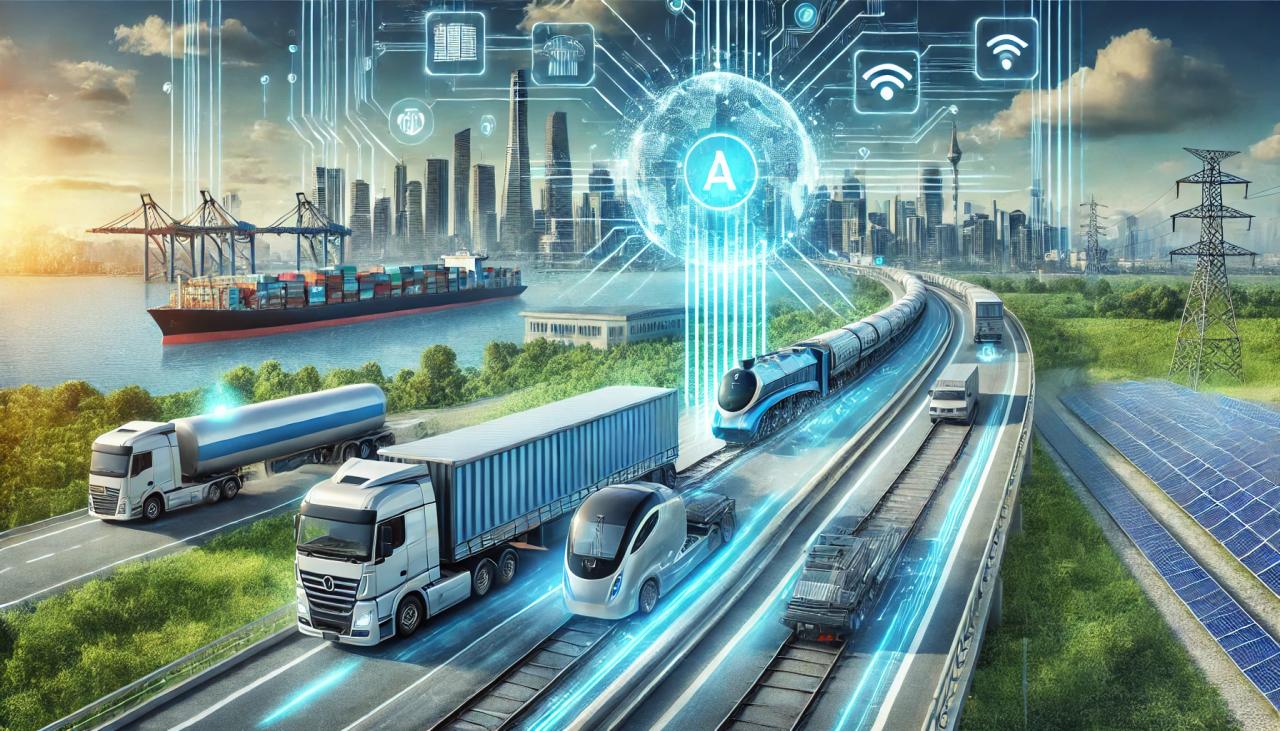
Created by AI
The logistics industry is undergoing a transformation, as organizations seek to adopt more sustainable practices that align with the principles of Green Logistics. One of the key drivers of this shift is the recognition that traditional methods of transportation and distribution contribute heavily to carbon emissions and air pollution. As the global logistics network continues to expand, the environmental impact of transportation—whether by road, air, sea, or rail—remains a significant challenge. The reliance on fossil fuels, inefficient routes, and outdated transportation infrastructure has exacerbated these problems. However, the move towards Green Logistics is driving innovation in transportation technologies, leading to cleaner, more sustainable options.
For example, the adoption of electric and hybrid vehicles in logistics fleets is gaining momentum as companies seek to reduce their reliance on conventional fossil fuels. Electric trucks and vehicles, while still in the early stages of widespread use, offer substantial reductions in emissions and fuel consumption. Furthermore, alternative fuels such as biofuels, hydrogen, and liquefied natural gas (LNG) are being explored as environmentally-friendly options for long-distance transportation. These advancements are part of a broader trend towards reducing the carbon footprint of logistics operations. In addition to transportation, warehousing and distribution centers represent another area where Green Logistics is having a significant impact. Traditional warehouses, often energy-intensive, are being reimagined with sustainability in mind. The integration of renewable energy sources, such as solar panels, into warehouse operations is becoming more common, as businesses aim to reduce their dependence on non-renewable energy. Energy-efficient lighting systems, heating, ventilation, and air conditioning (HVAC) systems, and green building practices are being employed to minimize energy consumption and reduce overall environmental impact.
The global logistics sector is responsible for a significant portion of greenhouse gas emissions due to transportation, warehousing, and distribution activities.The movement toward Green Logistics also emphasizes the importance of minimizing waste and optimizing resource use. Packaging waste, in particular, has become a major concern, as excessive packaging not only increases transportation costs but also contributes to landfill waste. As part of their commitment to sustainability, companies are rethinking their packaging strategies by using recyclable, biodegradable, or reusable materials. Furthermore, companies are increasingly focusing on the concept of "reverse logistics," which involves the return and reuse of products or materials at the end of their lifecycle, helping to reduce waste and promote recycling. A key element of the Green Logistics movement is the implementation of technology to streamline and optimize logistics processes. Logistics companies are adopting advanced technologies such as transportation management systems (TMS), warehouse management systems (WMS), and route optimization software to improve efficiency and reduce environmental impact. These technologies help to reduce fuel consumption, minimize idle times, and enhance the overall performance of logistics operations. The adoption of green logistics practices is crucial for mitigating environmental harm and promoting sustainable economic growth. Key reasons for embracing green logistics include:
Green logistics involves the implementation of sustainable practices throughout the entire supply chain, with the aim of minimizing environmental impacts while maintaining operational efficiency. Key strategies in this area focus on reducing carbon emissions, optimizing resource utilization, and promoting eco-friendly alternatives across transportation, warehousing, and packaging processes. These strategies are designed to not only meet regulatory and consumer demands for sustainability but also to enhance the long-term profitability of businesses by improving efficiency and reducing costs. As the logistics industry continues to evolve, embracing innovative solutions, such as energy-efficient technologies and green supply chain management practices, is becoming increasingly vital in achieving both environmental and economic goals.
Transportation is one of the major contributors to environmental pollution in logistics. Implementing eco-friendly transportation strategies can significantly reduce emissions and energy consumption. By adopting cleaner transportation modes such as electric or hybrid vehicles, optimizing delivery routes to minimize fuel usage, and transitioning to alternative fuels like biofuels or hydrogen, companies can make substantial strides in reducing their environmental footprint while maintaining the efficiency of their logistics operations.The principal transportation methods are detailed below.
Sustainable warehousing plays a crucial role in reducing logistics-related environmental impacts. Key initiatives include the integration of energy-efficient technologies, such as LED lighting, automated heating, ventilation, and air conditioning (HVAC) systems, and advanced insulation materials to minimize energy consumption. Additionally, many warehouses are adopting renewable energy sources like solar panels and wind turbines to reduce their reliance on non-renewable energy. The use of smart technologies, including automated inventory systems and robotics, helps to optimize space utilization and reduce the need for excess energy. Moreover, waste reduction practices, such as composting and recycling, and the use of environmentally friendly building materials, further contribute to lowering the carbon footprint of warehouse operations. By adopting these sustainable practices, companies can significantly improve the environmental efficiency of their warehousing activities while simultaneously reducing costs and enhancing operational performance. The following provides an overview of the essential innovations.
Technological advancements play a crucial role in promoting sustainability in logistics. Key innovations include the development of advanced transportation management systems (TMS) and warehouse management systems (WMS) that optimize routes, reduce fuel consumption, and enhance overall efficiency. Additionally, the use of real-time data analytics and machine learning allows for predictive analysis of demand, inventory levels, and transportation needs, leading to better decision-making and resource allocation. The integration of the Internet of Things (IoT) in logistics provides greater visibility into supply chains, enabling companies to monitor environmental factors such as temperature, humidity, and energy usage, ensuring a more efficient and sustainable operation. Moreover, blockchain technology is being explored to enhance transparency and traceability in supply chains, ensuring that sustainability practices are consistently followed throughout the process. These technological innovations not only improve operational efficiency but also contribute significantly to reducing the environmental footprint of logistics operations.Below are the primary roles identified.
Despite its benefits, green logistics faces several challenges that can hinder its widespread adoption. One of the primary obstacles is the initial cost of implementing eco-friendly technologies, such as electric vehicles, energy-efficient warehouses, and renewable energy systems, which can be a significant financial burden for many companies, particularly small and medium-sized enterprises. Furthermore, the transition to greener practices often requires significant changes in infrastructure, logistics networks, and employee training, which can be time-consuming and complex. Another challenge is the availability of green alternatives that meet the operational requirements of logistics companies, as not all regions or industries have access to the necessary technology or resources, such as electric charging stations or renewable energy sources. In addition, the lack of standardized environmental regulations across countries can create uncertainty, making it difficult for global companies to implement consistent green logistics practices. Despite these challenges, the long-term environmental and economic benefits of green logistics continue to drive innovation and efforts toward overcoming these barriers. The challenges are listed below.
The future of green logistics is promising, with increasing global efforts to promote sustainability and reduce environmental impacts. As climate change and resource depletion continue to be pressing global issues, there is growing momentum towards adopting environmentally conscious practices in logistics. Key trends shaping the industry include the accelerated adoption of electric and autonomous vehicles, which are expected to revolutionize transportation by significantly reducing carbon emissions and improving efficiency. Additionally, the increasing focus on circular economy principles is driving innovations in reverse logistics, where products and materials are returned, reused, or recycled, minimizing waste and extending product lifecycles. The integration of Artificial Intelligence (AI) and Big Data into logistics operations is also becoming more prevalent, enabling companies to predict demand patterns, optimize supply chain routes, and reduce fuel consumption through data-driven insights. Moreover, the push for global standardization in environmental regulations is creating a more uniform framework for sustainable practices, making it easier for businesses to comply with sustainability standards across borders. These trends, coupled with advancements in sustainable packaging solutions and renewable energy sources, suggest a future where logistics operations are more efficient, less resource-intensive, and aligned with global sustainability goals. The key trends shaping the industry is listed below.
McKinnon, A. C. (2010). "Green logistics and transportation." Handbook of Logistics and Supply Chain Management. Elsevier.
Carter, C. R., & Rogers, D. S. (2008). "A framework of sustainable supply chain management: Moving toward new theory." International Journal of Physical Distribution & Logistics Management, 38(5), 360-387.
Sarkis, J. (2003). "A strategic decision framework for green supply chain management." Journal of Cleaner Production, 11(4), 397-409.
Bojanic, A., & Vukadinovic, M. (2019). "Green logistics and its impact on the environment." Journal of Logistics Management, 13(2), 15-26.
Bu çalışma, yeşil lojistik ve çevre üzerindeki etkileri üzerine yapılan son araştırmaları incelemektedir.
Harrison, A., & van Hoek, R. (2008). "Logistics Management and Strategy: Competing Through the Supply Chain." Prentice Hall.
Lai, K. H., & Cheng, T. C. E. (2009). "Green logistics management in Hong Kong: The case of the transportation sector." Transportation Research Part E: Logistics and Transportation Review, 45(1), 6-12.
Dekker, R., Bloemhof, J., & Mallidis, I. (2012). "Operations research for green logistics – An overview of aspects, issues, contributions, and challenges." European Journal of Operational Research, 219(3), 671-679.
Srivastava, S. K. (2007). "Green supply-chain management: A state-of-the-art literature review." International Journal of Management Reviews, 9(1), 53-80.
Papadopoulos, T., et al. (2017). "The role of logistics service providers in green logistics." International Journal of Physical Distribution & Logistics Management, 47(6), 502-518.

Henüz Tartışma Girilmemiştir
"Green Logistics " maddesi için tartışma başlatın
Introduction to Green Logistics
The Importance of Green Logistics
Key Strategies in Green Logistics
Sustainable Transportation Methods
Eco-Friendly Warehousing and Distribution
The Role of Technology in Green Logistics
Challenges in Implementing Green Logistics
Future of Green Logistics
Bu madde yapay zeka desteği ile üretilmiştir.