


Bu içerik Türkçe olarak yazılmış olup yapay zeka ile otomatik olarak İngilizceye çevrilmiştir.
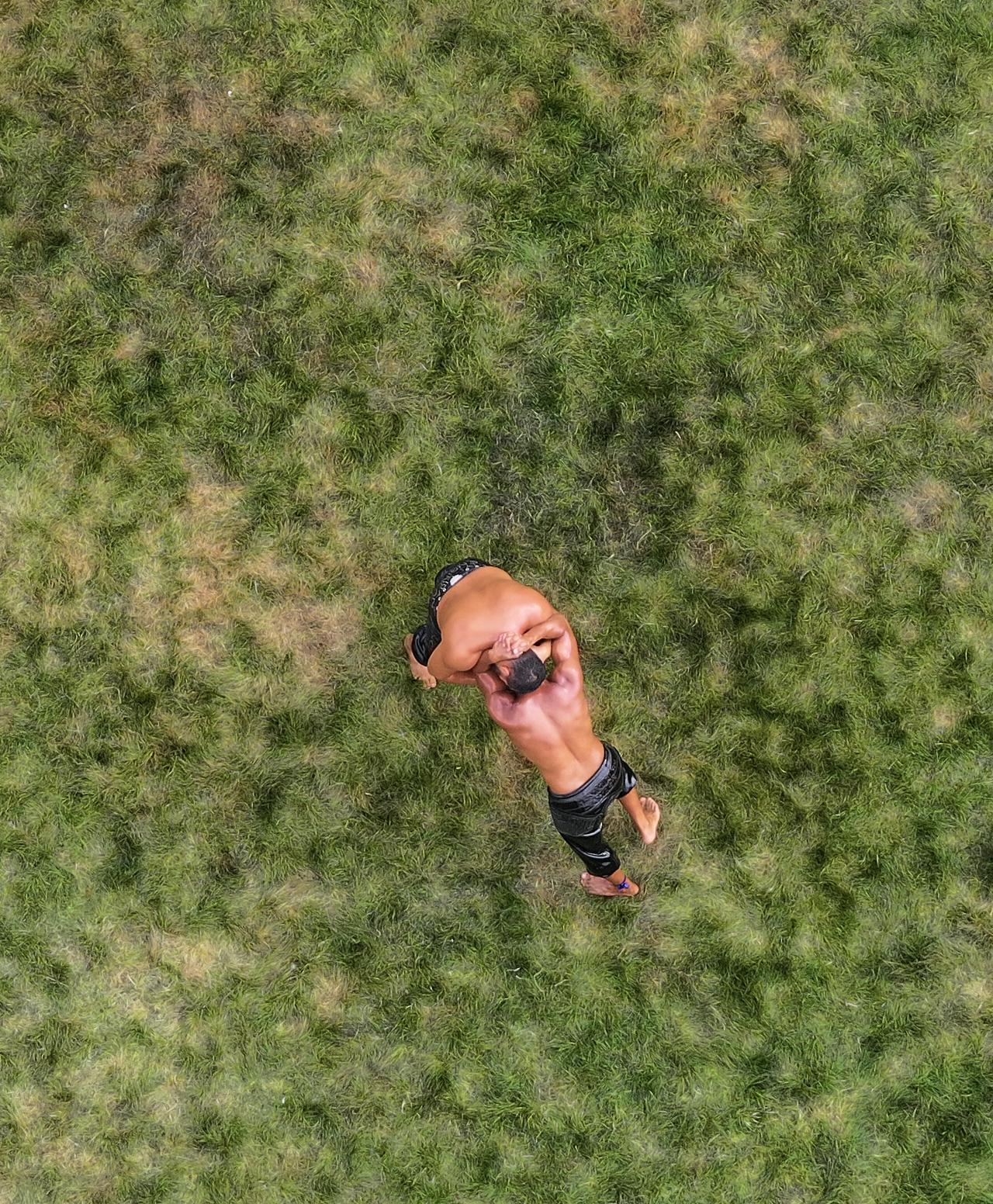
Historical Elmalı Oiled Pehlivan Wrestling (AA)
Type | Traditional Oil Wrestling Festival | ||||||||
|---|---|---|---|---|---|---|---|---|---|
First Organized Date | 1352 | ||||||||
Location | Elmalı, Antalya, Türkiye | ||||||||
Competitive Area | Recep Gürbüz Wrestling Arena | ||||||||
Audience Capacity | 10,000+ | ||||||||
Regulating Institution | Elmalı Municipality | ||||||||
Timing of Organization | Every year in September | ||||||||
Cultural Status | Intangible Cultural Heritage | ||||||||
Traditional Officials | Wrestling Master Pehlivan Referee Cazgır Drum and Zurna Player Oil Provider Arena Commissioner Peşkirci | ||||||||
The Historical Elmalı Oiled Pehlivan Wrestling Events are a traditional oiled wrestling organization held annually in the district of Elmalı, dependent on the province of Antalya, with roots extending back to the Turkification period of Anatolia. This wrestling tradition, which developed around the Abdal Musa Tekkesi established in the region, is regarded as the oldest among Turkey’s traditional oiled wrestling events. The origins of the organization date back to 1352, and the event has been conducted continuously to the present day.
Elmalı district, located at the foothills of Elmalı Mountain in the northwestern part of Antalya, was known as Akarassos from antiquity through the Byzantine period. The region was conquered by the Seljuk Turks in the 12th century and definitively incorporated into Ottoman territory during the reign of Sultan Murad II, becoming the Sanjak of Teke.
Abdal Musa Sultan, a dervish figure affiliated with groups migrating from Central Asia to Anatolia, played a significant role in the Turkification of the region by establishing a tekke in Elmalı. Although the exact founding date of the Abdal Musa Tekkesi in the village of Teke, dependent on Elmalı district of Antalya, remains unknown, it is understood that the tekke existed by the second half of the 14th century, based on historical records indicating that Kaygusuz Abdal joined this tekke after participating in the conquest of Bursa in 1326. According to Evliya Çelebi’s Seyahatname and the Teke Vilayeti Vakıfları Tahrir Defteri, the tekke underwent substantial development over time and by the 17th century had become a fully established Bektashi center endowed with substantial waqf properties.
Waqf records from the region, known as the “Toramanlar Vakfı,” dated 822 AH / 1419 Rumi, originating from Nuh Çelebi, indicate that the land known locally as Musalla Çevrik, located where the present-day Yeşil Camii stands, was designated in the waqf deed as a “wrestling ground.”【1】This record is significant as it identifies a specific area allocated for competitions. This documentation confirms that the earliest wrestling events corresponded to the period of the tekke founded by Abdal Musa.
The fact that the Historical Elmalı Yeşil Yayla Oiled Pehlivan Wrestling Events marked their 669th edition in 2021 demonstrates that the first wrestling events took place in the mid-14th century, specifically in 1352. This date coincides with the earliest period of Turkish settlement in Elmalı. When these data are considered together, it becomes clear that the traditional wrestling sport in Elmalı developed within the tekkes established by the alp-eren dervishes who made significant contributions to the Turkification of Anatolia.
The most well-known traditional oiled wrestling event in Türkiye is the Historical Kırkpınar Oiled Wrestling held in Edirne. However, when evaluated historically, the Historical Elmalı Yeşil Yayla Oiled Pehlivan Wrestling Events are older than the Kırkpınar Wrestling. While the 660th edition of the Kırkpınar Wrestling was held in 2021, the 669th edition of the Elmalı event took place in the same year. This establishes the Elmalı Wrestling as the oldest traditional oiled wrestling organization in Anatolia.
In Turkish culture, wrestling is defined as a contest in which two individuals strive to overcome each other physically according to established rules. The Turks preserved their wrestling tradition during their migration from Central Asia to Anatolia by continuing it within institutions they established in their new settlements, such as tekkes, zaviyes, and waqfs. These institutions provided not only religious and national education but also physical training, thereby strengthening social bonds while simultaneously preparing individuals for warfare.
From the Seljuk period onward, wrestling was practiced alongside other traditional sports within the tekkes, zaviyes, and waqfs established in conquered territories. During the Ottoman Empire, wrestling tekkes were founded through waqf organizations by both the state and wealthy individuals. These tekkes not only trained pehlivans but also served as instruments of socialization by organizing competitions that fostered community cohesion.
The Historical Elmalı Yeşil Yayla Oiled Pehlivan Wrestling Events have reached the present day as an uninterrupted tradition dating back to 1352. The event is organized annually by the local community at a specific time and is regarded as a vital indicator of the region’s cultural identity and historical continuity. The 2026 edition of the event will be held between 4 and 6 September.
Anadolu Ajansı. "'Türk'ün ilk er meydanı' için nefesler tutuldu." Accessed August 27, 2026.https://www.aa.com.tr/tr/spor/turkun-ilk-er-meydani-icin-nefesler-tutuldu/1572711
Anadolu Ajansı. "Türk'ün ilk er meydanı: Elmalı." Accessed August 27, 2026.https://www.aa.com.tr/tr/turkiye/turkun-ilk-er-meydani-elmali/1247613
Belek, Kayrat, Mehmet Türkmen, and Adem Kaya, eds
Elmalı Municipality. "Tarihi Elmalı Yağlı Pehlivan Güreşleri." Elmalı Belediyesi Resmi İnternet Sitesi. Accessed August 27, 2026.https://www.elmali.bel.tr/spor/tarihi-elmali-yagli-pehlivan-guresleri-1373
T.C. Kültür ve Turizm Bakanlığı. "Elmalı Yeşilyayla Yağlı Pehlivan Güreşleri." *Antalya İl Kültür ve Turizm Müdürlüğü.* Accessed August 27, 2026.https://antalya.ktb.gov.tr/TR-296667/elmali-yesilyayla-yagli-pehlivan-guresleri.html
Türkiye Kültür Portalı. "Tarihi Elmalı Yağlı Pehlivan Güreşleri - Antalya." T.C. Kültür ve Turizm Bakanlığı. Accessed August 27, 2026.https://www.kulturportali.gov.tr/turkiye/antalya/haberduyuru/tarihi-elmali-yagli-pehlivan-guresleri-666--kez-paspehlivanlarin-mucadelesine-tanik-oluyor-
[1]
Elmalı Belediyesi, "Tarihi Elmalı Yağlı Pehlivan Güreşleri," Elmalı Belediyesi Resmi İnternet Sitesi, Erişim tarihi: 27 Ağustos 2026, https://www.elmali.bel.tr/spor/tarihi-elmali-yagli-pehlivan-guresleri-1373

Historical Elmalı Oiled Pehlivan Wrestling (AA)
Type | Traditional Oil Wrestling Festival | ||||||||
|---|---|---|---|---|---|---|---|---|---|
First Organized Date | 1352 | ||||||||
Location | Elmalı, Antalya, Türkiye | ||||||||
Competitive Area | Recep Gürbüz Wrestling Arena | ||||||||
Audience Capacity | 10,000+ | ||||||||
Regulating Institution | Elmalı Municipality | ||||||||
Timing of Organization | Every year in September | ||||||||
Cultural Status | Intangible Cultural Heritage | ||||||||
Traditional Officials | Wrestling Master Pehlivan Referee Cazgır Drum and Zurna Player Oil Provider Arena Commissioner Peşkirci | ||||||||
Henüz Tartışma Girilmemiştir
"Historical Elmalı Oiled Pehlivan Wrestling" maddesi için tartışma başlatın
Historical Background
Waqf Records and Wrestling Ground
Comparison with Kırkpınar Wrestling
Institutional and Cultural Context
Continuity of the Organization