


Bu içerik Türkçe olarak yazılmış olup yapay zeka ile otomatik olarak İngilizceye çevrilmiştir.
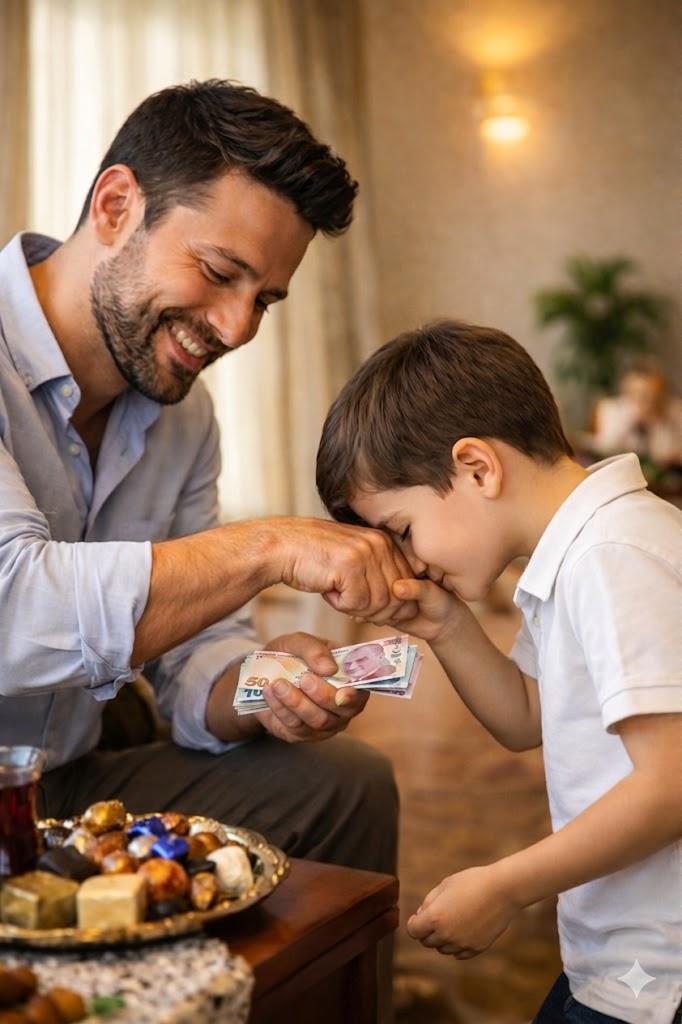
Bayram Harçlığı (Yapay Zekâ ile Oluşturulmuştur )
Bayram harçlığı is a widespread tradition in Türkiye, referring to money or small material gifts given to children especially during Ramazan and Kurban bayramları. This practice emerges as part of the bayram celebration process and is associated with children visiting their elders, participating in the festive joy, and engaging in social interaction. The harçlık is not merely a material element but is also regarded as a functional practice that facilitates cultural transmission, strengthens social bonds, and reinforces the meaning of the holiday.
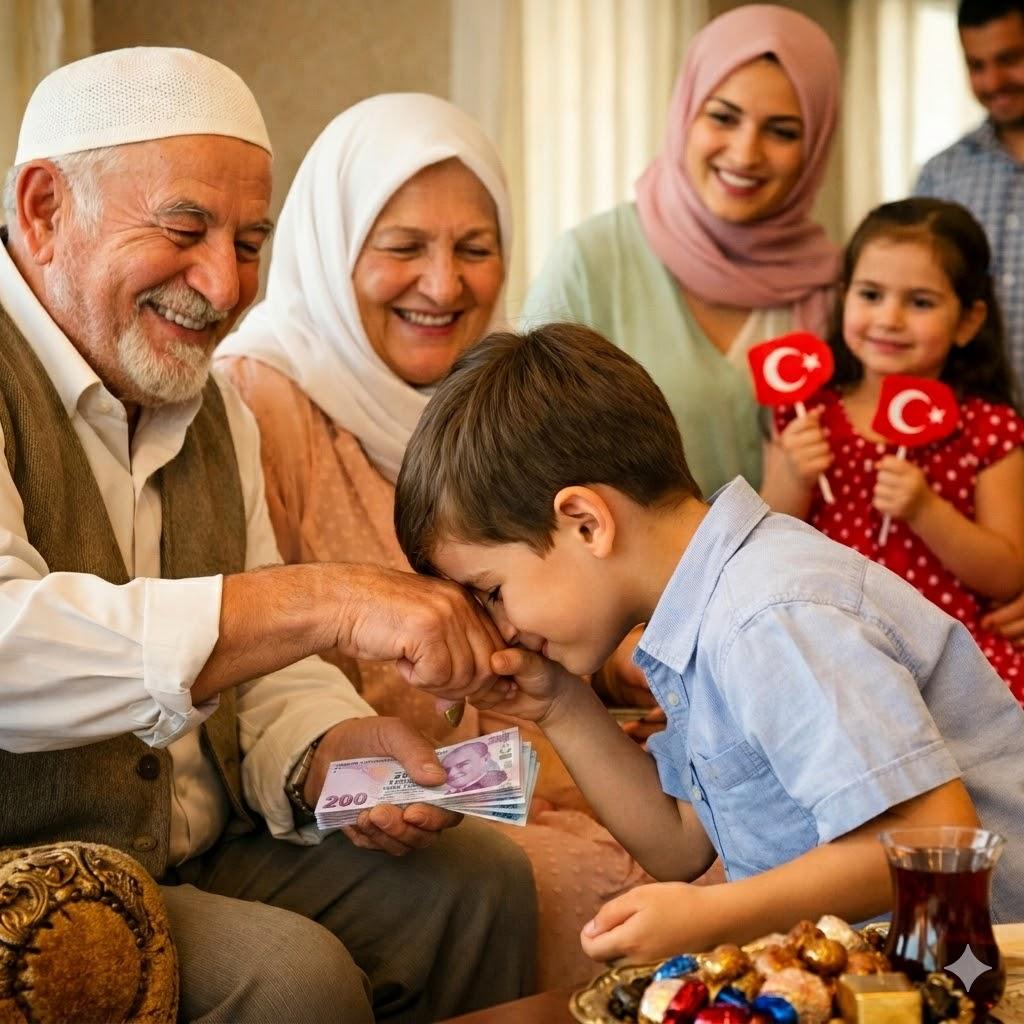
Bayram Harçlık Geleneği (Yapay Zekâ ile Oluşturulmuştur)
The origin of the bayram harçlığı tradition is often traced back to the Ottoman period. During this era, the widespread social values of mutual aid, sharing, and misafirperverlik were reflected in bayram practices. One example cited in explaining the historical background of bayram harçlığı is the practice known as “diş kirası,” which involved giving gifts to guests. Such practices were seen as ways to enhance interpersonal interaction during bayram days and strengthen social ties.
It is noted that over time, bayram harçlığı evolved into a practice specifically directed toward children and became integrated into the broader bayram celebration tradition. Children’s visits to elders, the act of kissing their hands, and receiving harçlık during these visits are key elements sustaining the continuity of the tradition. In this sense, bayram harçlığı is a practice that developed historically and has endured to the present day as part of cultural transmission.
Bayram harçlığı is regarded as an expression of the social and cultural dimensions of the holidays. This tradition enhances interpersonal social interaction and constitutes an essential component of the bayram celebration process. In particular, children’s participation in bayram ziyaretleri, their communication with elders, and receiving harçlık during these visits contribute to maintaining intergenerational relationships.
This practice is also interpreted as a reflection of the culture of sharing and mutual aid. The act of giving bayram harçlığı is linked to bringing joy to others and strengthening social bonds. In this regard, bayram harçlığı is not merely an individual behavior but is viewed as a factor that supports social solidarity.
Moreover, bayram harçlığı is seen as an influential factor in helping children develop positive attitudes toward the holidays. The process of receiving harçlık helps children feel valued and provides them with practical experience regarding money use, saving, and spending. In this context, bayram harçlığı serves as a practice that supports both cultural transmission and social learning.
The bayram harçlığı tradition is practiced during bayram visits and celebration rituals. After the bayram namazı, family members and relatives visit one another. Children and young people kiss the hands of their elders as a gesture of greeting and bayram celebration. It is a common practice for elders to give children a specific amount of money during this ritual. This money, referred to as bayram harçlığı, is typically given directly to children during bayram visits and is considered an integral part of the holiday.
The practice of giving bayram harçlığı is not limited to the family but also occurs among extended relatives, neighbors, and close social circles. In communities where bayram visits are intensive, it is common for children to visit multiple homes and receive harçlık at each stop. This practice reflects the social interaction and visitation culture of bayram days. There is no fixed rule regarding the amount of harçlık given; the practice generally varies according to the giver’s means and prevailing social customs.
Bayram harçlığı is directly linked to the bayramlaşma ritual performed during bayram visits. Children visiting elders, kissing their hands, and subsequently receiving harçlık are fundamental elements of this tradition. This process is viewed as a practice that reinforces the social interaction dimension of the holiday.
Bayram harçlığı is considered an influential factor in helping children develop positive attitudes toward the holidays. The process of receiving harçlık contributes to children feeling valued and enables them to gain experience in money management, saving, and spending.
This practice is regarded as one of the everyday manifestations of the culture of sharing and mutual aid. The act of giving bayram harçlığı serves to foster mutual joy and strengthen social bonds. In this sense, bayram harçlığı is viewed not merely as a practice directed at children but as an indicator of social solidarity.
The practice of giving bayram harçlığı is not considered a religious obligation in the context of worship. It is stated that this practice is not directly related to religious duties such as zekât or fitre but is instead a voluntary form of behavior. Nevertheless, due to its roles in bringing joy to children, sharing the festive spirit, and strengthening social relationships, it is regarded as a positive social practice.
Bayram Harçlığı - Heybeli Tiyatro (TRT Çocuk)
Bayram harçlığı has appeared in various forms across different periods and social contexts. This diversity demonstrates that the tradition has not remained confined to a single form but has evolved within cultural practices. Bayram visits, hand-kissing, and the subsequent giving of harçlık are among the core elements of this tradition.
In the past, it was common for bayram harçlıkları to be given inside handkerchiefs. In this practice, the money was carefully placed inside elaborately prepared handkerchiefs and presented to children. In this context, the handkerchief was not merely a means of transport but was also regarded as a symbol associated with values such as order, cleanliness, and care. This mode of presentation reinforced the symbolic and ritual aspects of the holiday.
Bayram harçlığı practices are also directly connected to the bayramlaşma process. Children visiting relatives and neighbors, kissing the hands of elders, and receiving harçlık after these visits are practices that sustain the continuity of the tradition. In this sense, bayram harçlığı is viewed as an activity carried out in conjunction with specific rituals and supporting social interaction.
In the past, giving bayram harçlığı inside handkerchiefs was a widespread practice. In this method, the money given to children was carefully placed inside elaborately prepared handkerchiefs. In this context, the handkerchief was not merely a carrier but was regarded as a symbolic object associated with values such as cleanliness, order, and care.
The practice of giving bayram harçlığı is directly linked to bayram visits. Children visiting relatives and neighbors, actively participating in the bayramlaşma process, and receiving harçlık at the end of these visits are fundamental elements that ensure the continuity of the tradition.
Today, the bayram harçlığı tradition continues as a living practice in social life. Giving harçlık to children during bayram visits remains an integral part of the bayramlaşma ritual. Children visiting their elders, performing the hand-kissing tradition, and subsequently receiving harçlık are key components of the contemporary form of this tradition.
Modern living conditions have brought about some changes in the form of the practice. Nevertheless, the act of giving bayram harçlığı continues to fulfill its functions of bringing joy to children, reinforcing the meaning of the holiday, and sustaining social relationships. In this sense, bayram harçlığı remains a tradition that ensures cultural continuity and supports the social dimension of the holidays in contemporary times.
Deniz Feneri Derneği. “İslamiyette Bayram Harçlığı Vermek Caiz mi?” Accessed April 14, 2026. https://www.denizfeneri.org.tr/blog/islamiyette-bayram-harcligi-vermek-caiz-mi_362/?utm_source
Gaziantep Doğuş. “Bayram Harçlığı Geleneği Nereden Geliyor? İşte Nedeni.” Accessed April 14, 2026. https://www.gaziantepdogus.com/bayram-harcligi-gelenegi-nereden-geliyor-iste-nedeni
Milliyet. “Çocuklara Neden Bayram Harçlığı Verilir? Anlatılması Çok Önemli.” Accessed April 14, 2026. https://www.milliyet.com.tr/galeri/cocuklara-neden-bayram-harcligi-verilir-anlatilmasi-cok-onemli-7099072/1
Sabah. "Bayram Harçlığı Mendilleri." Accessed April 14, 2026. https://www.sabah.com.tr/akdeniz/2018/08/20/bayram-harcligi-mendilleri
TRT Diyanet Çocuk. “Bayram Harçlığı - Heybeli Tiyatro.” YouTube. Accessed March 14, 2026. https://www.youtube.com/watch?v=s8dkO3k8oQk&t=8s

Bayram Harçlığı (Yapay Zekâ ile Oluşturulmuştur )
Henüz Tartışma Girilmemiştir
"Holiday Fee" maddesi için tartışma başlatın
Origin and Historical Background
Cultural and Social Functions of Bayram Harçlığı
Implementation of the Bayram Harçlığı Tradition
Place Within the Bayramlaşma Tradition
Effects on Children
Social Solidarity and the Culture of Sharing
Religious Perspective on Bayram Harçlığı
Bayram Harçlığı Practices and Traditional Forms
The Tradition of Giving Harçlık in a Handkerchief
Relationship Between Bayram Visits and Harçlık
Bayram Harçlığı Tradition in Contemporary Times