

Bu içerik Türkçe olarak yazılmış olup yapay zeka ile otomatik olarak İngilizceye çevrilmiştir.
+2 Daha
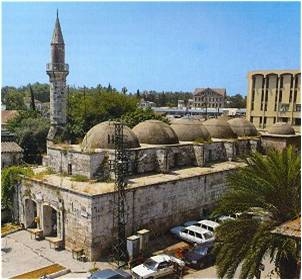
Kırkkaşık Bedesteni is an Ottoman-era commercial structure located in the Tarsus district of Türkiye that has served various functions throughout its historical development. Today used as a covered bazaar, the building is recognized among the region’s historic commercial spaces due to its architectural features and its significance in urban history.
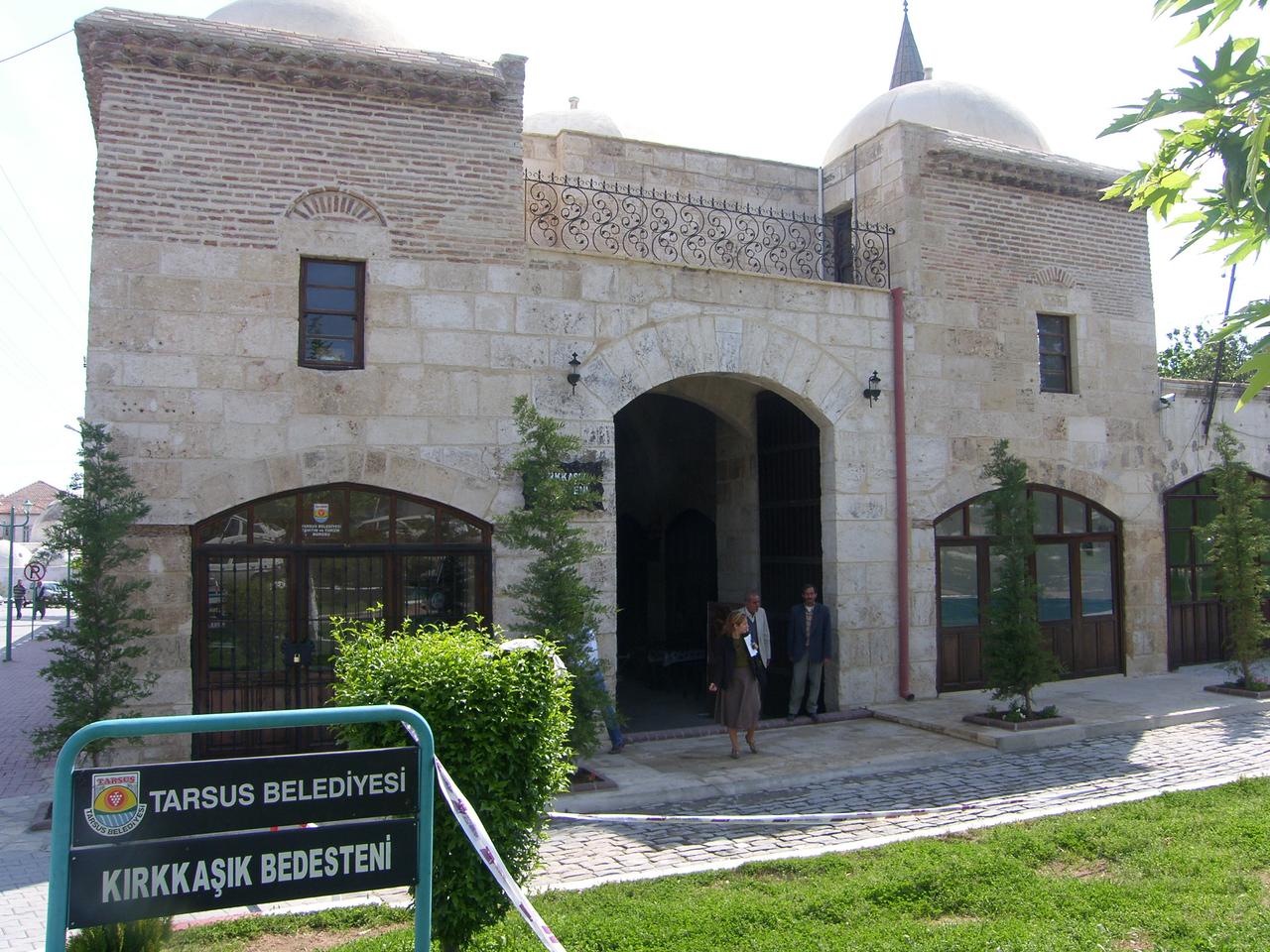
Kırkkaşık Bedesteni (Tarsus Kaymakamlığı)
Kırkkaşık Bedesteni was constructed in 1579 during the Ottoman period under the rule of the Ramazanoğulları Beylik by Ibrahim Bey, one of the beys of the Ramazanoğulları dynasty. When first built, the structure was not used as a commercial facility but as an imaret, serving meals to students of the adjacent medrese and to those in need.
Over time, as economic and social needs in the city evolved, the building assumed new functions and by the later years of the Ottoman period had become a covered bazaar serving commercial activities. During this period, the bedesten, together with surrounding commercial areas, became an important element in Tarsus’s economic life.
During the Republican era, the building continued its commercial function but gradually deteriorated. It underwent repairs in the 1960s and a comprehensive restoration in the early 2000s. Reopened in 2007 after restoration, Kırkkaşık Bedesteni is now used as a commercial space selling handicrafts and local products.
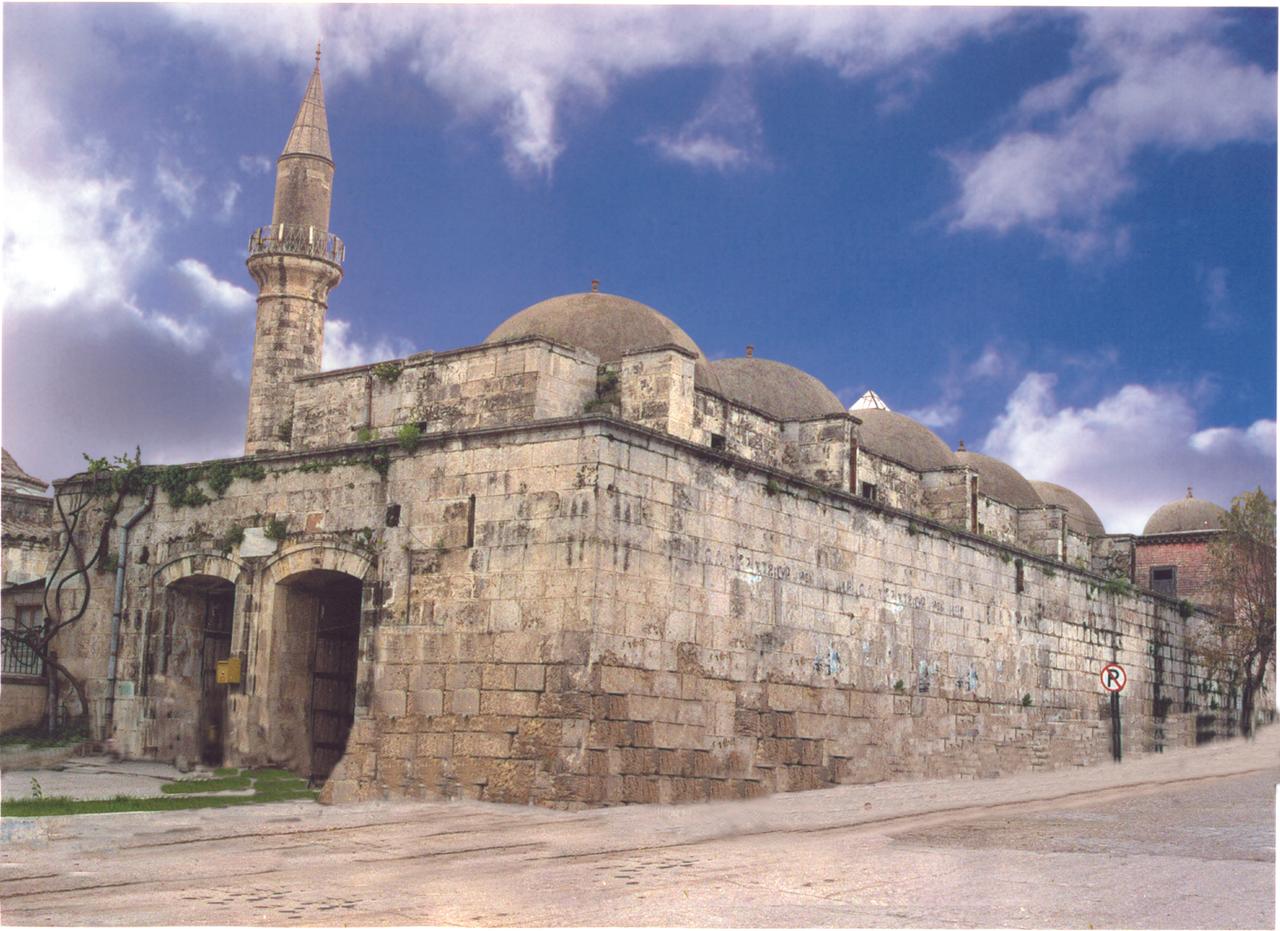
Kırkkaşık Bedesteni (Tarsus Kaymakamlığı)
The name Kırkkaşık Bedesteni derives from the decorative spoon-shaped motifs on its exterior façade. Due to these spoon-like embellishments, the public began referring to the building as “Kırkkaşık,” a name that became widely accepted and is now used in scholarly literature. The structure was also historically known as “Beyaz Çarşı.”
Kırkkaşık Bedesteni is a rectangular structure built of cut stone. Its roof is covered by domes that form the building’s upper structural system. While the exterior façade exhibits a simple architectural style, the building is distinguished by its functional design as a commercial structure.
The interior layout is planned to accommodate commercial activities. Inside, shops and rooms are arranged in opposing rows. These spaces have been used for various commercial purposes throughout history. A central passageway facilitates movement within the building, with the shops positioned around it.
Staircases and side spaces provide access to different sections of the building. This arrangement demonstrates a design intended to facilitate both commercial use and internal circulation. Today, the interior spaces continue to function as shops, maintaining the building’s commercial role.
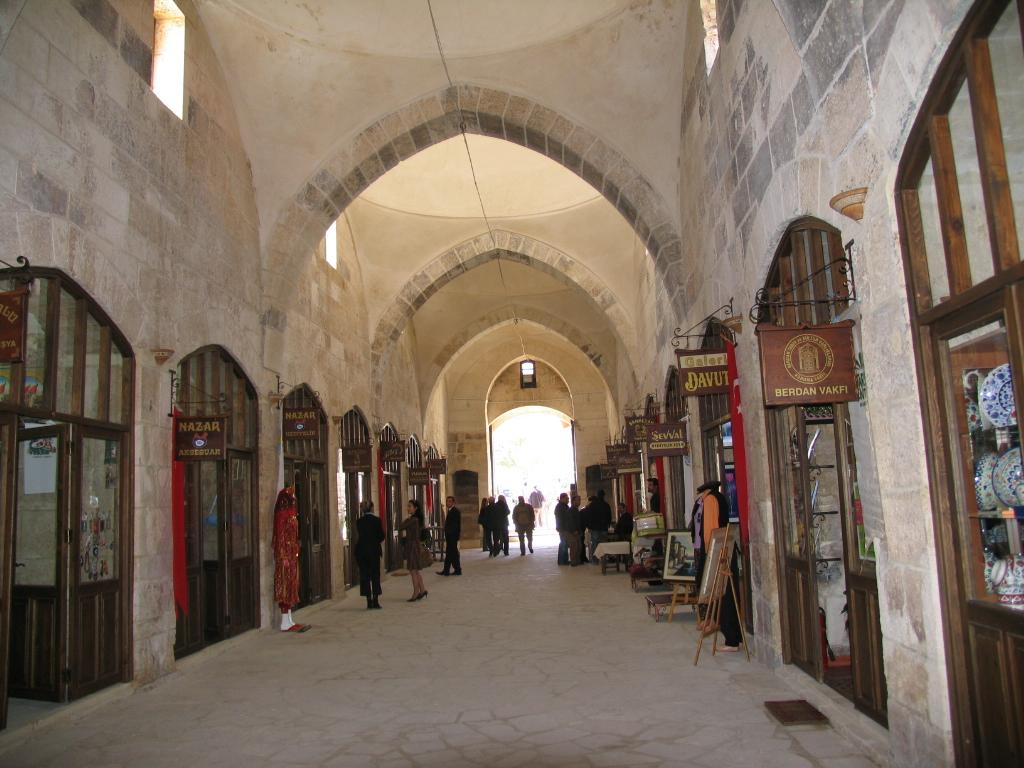
Kırkkaşık Bedesteni interior structure (Tarsus Kaymakamlığı)
Due to its long history of continuous use, Kırkkaşık Bedesteni has suffered various physical deteriorations over time, necessitating repair and restoration efforts in different periods. The first restoration work during the Republican era was carried out in the 1960s, renewing certain sections to ensure continued use.
In subsequent years, a comprehensive restoration was undertaken to preserve the building’s historical and architectural value. Initiated in the early 2000s, this project involved reorganizing the structure while respecting its original architectural features. The load-bearing system and architectural elements were conserved and repaired. The arrangement of the shops was reconsidered, and interior spaces were adapted for contemporary use. Following these restoration efforts, the building was reopened in 2007 and returned to active use.
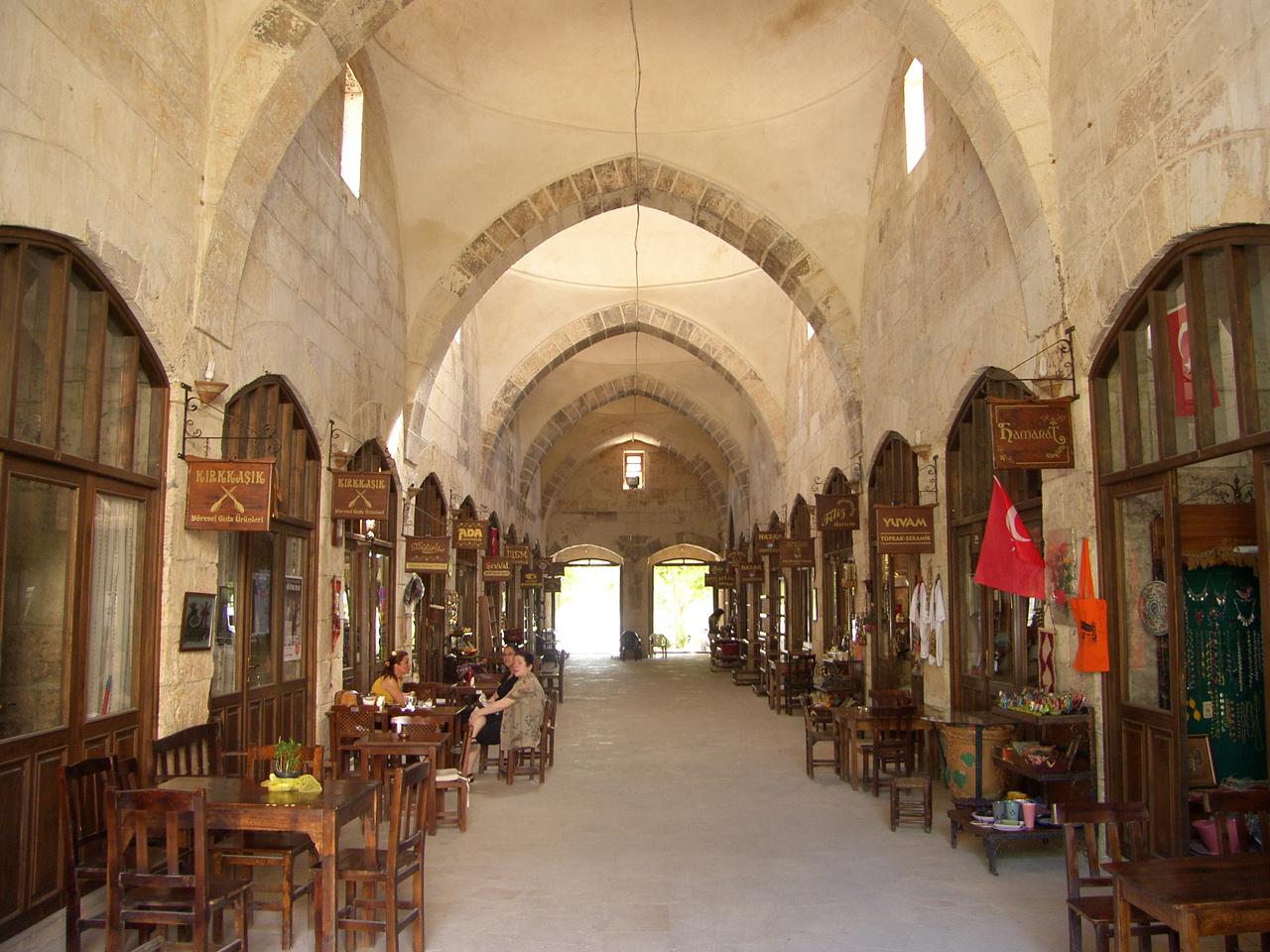
Kırkkaşık Bedesteni interior layout (Tarsus Kaymakamlığı)
Today, Kırkkaşık Bedesteni functions as a building that continues to serve commercial and tourist purposes. The shops within it offer a variety of handicrafts, souvenirs, and regional products. In this capacity, the bedesten serves both as a center for local commercial activity and as a destination for visitors.
Located within Tarsus’s historic bazaar fabric, the building is one of the historic sites that attract particular interest from visitors. The shops operating inside contribute to the continuation of traditional trade culture.
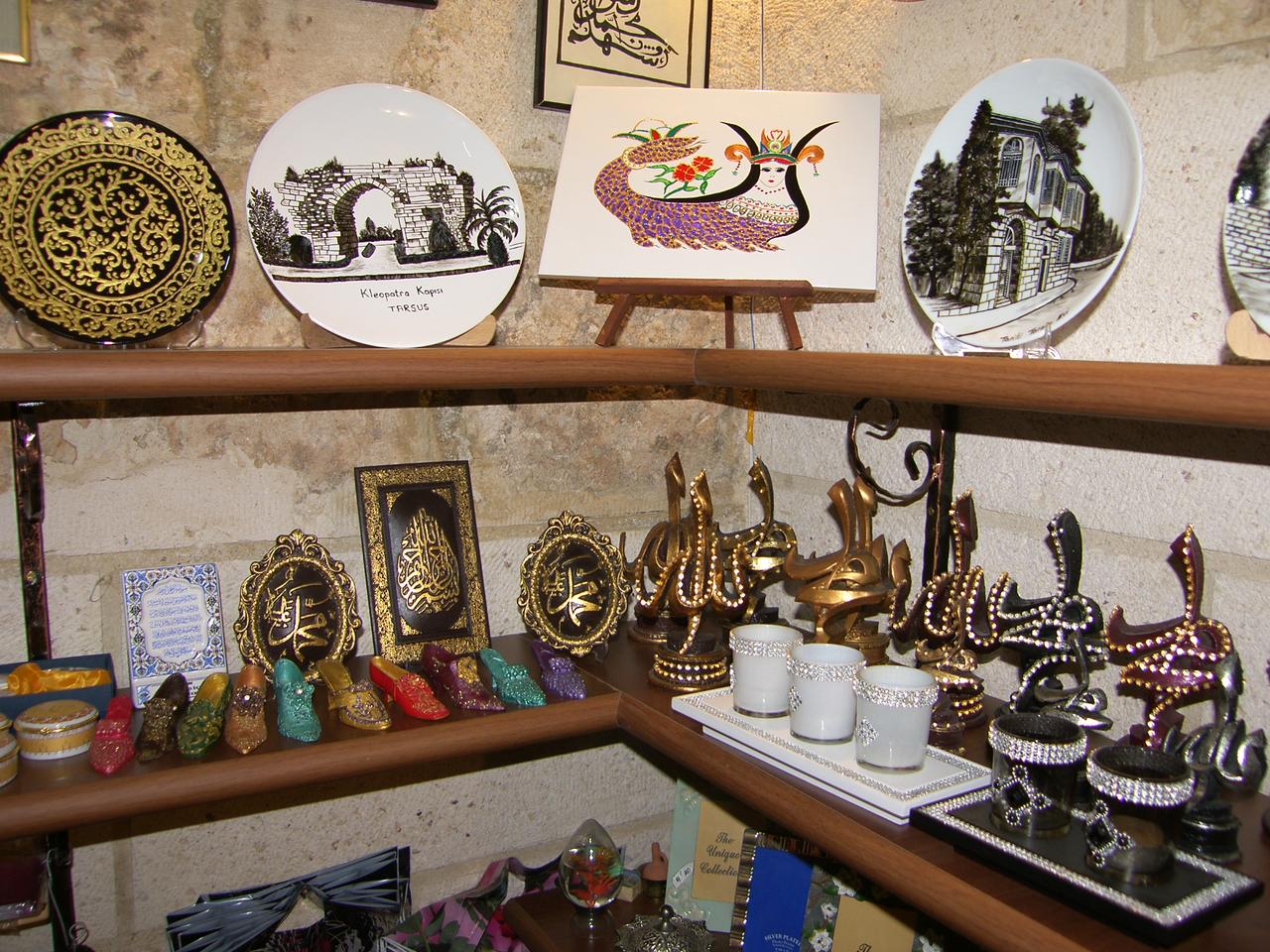
Kırkkaşık Bedesteni as an example of contemporary commercial elements (Tarsus Kaymakamlığı)
Kırkkaşık Bedesteni holds an important place among Tarsus’s historic commercial structures. It is one of the surviving examples of covered bazaars, or bedestens, used for trade during the Ottoman period in the region. In this respect, it is among the buildings that reflect the city’s commercial history both architecturally and historically.
Its evolution through multiple functions over time has contributed to Kırkkaşık Bedesteni’s significance in the social and cultural life of the city. Originally serving as an imaret, it later transformed into a commercial space and maintained its connection with the city’s economic life for centuries.
Today, the bedesten is regarded as one of the structures within Tarsus’s historic urban fabric that form part of the city’s cultural heritage. Thanks to its preserved architectural identity and ongoing commercial function, the building continues to play an active role in Tarsus’s cultural and urban life.
Henüz Tartışma Girilmemiştir
"Kırkkaşık Bedesteni" maddesi için tartışma başlatın
History
Origin of the Name
Architectural Features and Interior Layout
Restoration and Conservation Efforts
Current Use
Cultural and Urban Significance