


Bu içerik Türkçe olarak yazılmış olup yapay zeka ile otomatik olarak İngilizceye çevrilmiştir.
+2 Daha
Malatya Apricot
National Registration Number | 32 | ||||||||
|---|---|---|---|---|---|---|---|---|---|
National Application Number | C 2000/003 | ||||||||
National Application Date | 31.07.2000 | ||||||||
National Publication Date | 28.01.2001 | ||||||||
Geographical Indication Type(s) | Place of Origin | ||||||||
EU Registration Date | 11.07.2017 | ||||||||
Product Name / Group | Apricot (Prunus armeniaca L.) / Processed and unprocessed fruits and vegetables and mushrooms | ||||||||
Malatya Apricot (Prunus armeniaca L.) is a fruit with geographical indication status at both national and international levels, characterized by specific varieties including Hacıhaliloğlu, Hasanbey, Kabaaşı, Soğancı, Çataloğlu, and Çöloğlu, and consumed both fresh and especially dried.
Malatya apricot belongs to the product group of processed and unprocessed fruits and vegetables and mushrooms. It has been registered by the Turkish Patent and Trademark Office as a "name of origin." A name of origin is used when all stages of production, processing, and other preparation of a product occur within a defined geographical area. This registration certifies that the unique taste, aroma, dry matter content, and other characteristics of the Malatya apricot are directly linked to the climate, soil, and traditional agricultural practices passed down through generations within the specified geographical boundaries.
Additionally, Malatya apricot was granted geographical indication status by the European Union (EU) on 11 July 2017. This international registration contributes to preserving the product’s quality, enhancing its global recognition, and increasing its market value.

Malatya Apricot (Republic of Türkiye, Malatya Governorate)
Malatya apricot is defined by the specific tree and fruit characteristics of the designated varieties: Hacıhaliloğlu, Hasanbey, Kabaaşı, Soğancı, Çataloğlu, and Çöloğlu.
Tree appearance (spreading, upright-spreading), growth vigor (strong), yield (medium), and bark color (brown, light brown, etc.) vary among varieties.
Türkiye ranks first in global fresh apricot production, with a significant portion of this output coming from Malatya. Apricot exports also contribute significantly to the national economy.

Apricot in Bloom (Republic of Türkiye, Malatya Governorship)
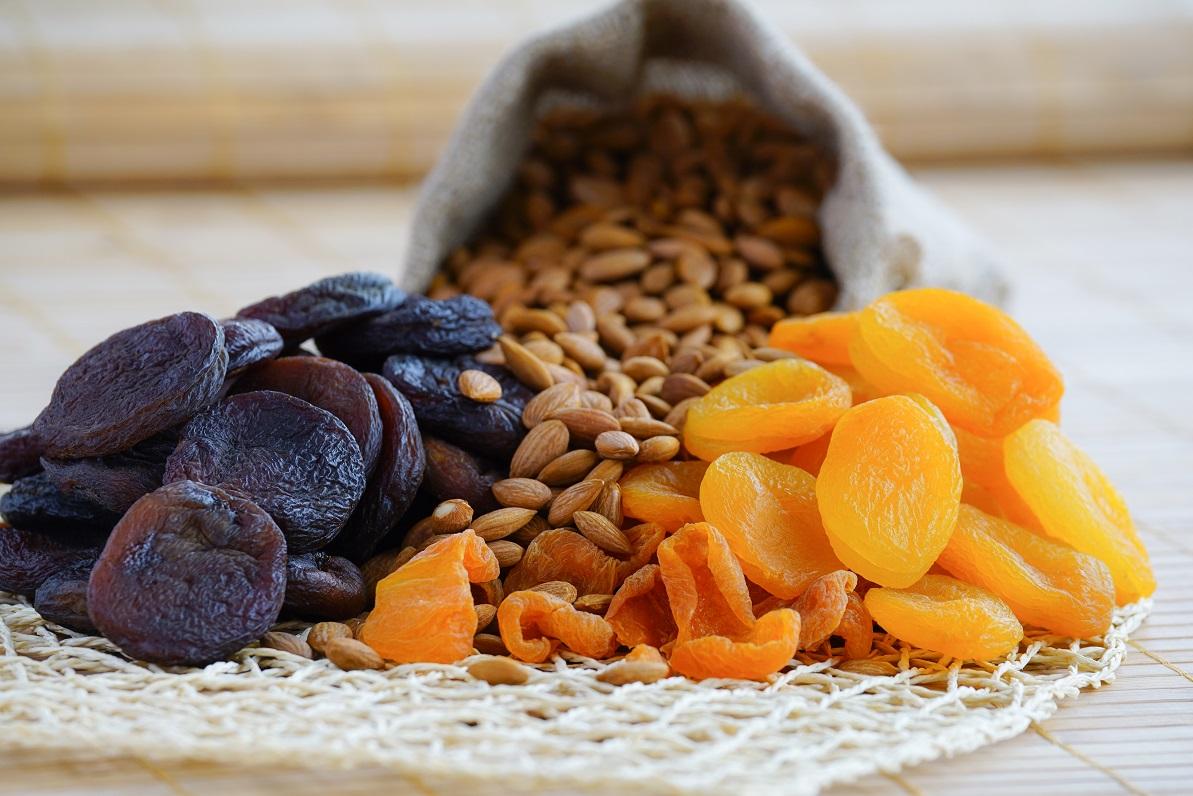
Malatya apricots are harvested specifically for drying. They are dried either through sulfur treatment or by natural sun-drying methods.
The geographical boundary of Malatya apricot encompasses Malatya Province and its districts, as well as the Baskil district of Elazığ Province, the Gürün district of Sivas Province, the Gölbaşı district of Adıyaman Province, and the Elbistan district of Kahramanmaraş Province.
T.C. Malatya Valiliği. *Malatya Kayısısı*. Malatya: T.C. Malatya Valiliği. Accessed May 26, 2025. http://www.malatya.gov.tr/malatya-kayisisi-.
Türk Patent ve Marka Kurumu. "Coğrafi İşaret Tescil Belgesi: Antakya Künefesi." Ankara: TÜRKPATENT, Accessed May 2025. https://ci.turkpatent.gov.tr/Files/GeographicalSigns/320e3d2d-b143-41d0-b7ac-072ceef4e50e.pdf

Malatya Apricot
National Registration Number | 32 | ||||||||
|---|---|---|---|---|---|---|---|---|---|
National Application Number | C 2000/003 | ||||||||
National Application Date | 31.07.2000 | ||||||||
National Publication Date | 28.01.2001 | ||||||||
Geographical Indication Type(s) | Place of Origin | ||||||||
EU Registration Date | 11.07.2017 | ||||||||
Product Name / Group | Apricot (Prunus armeniaca L.) / Processed and unprocessed fruits and vegetables and mushrooms | ||||||||
Henüz Tartışma Girilmemiştir
"Malatya Apricot" maddesi için tartışma başlatın
Product Profile and Geographical Indication Type
Product Definition and Distinctive Characteristics
Tree Characteristics
Dried Fruit Characteristics
Production Method
Geographical Origin and Boundaries
Registration Process and Details