

+1 Daha

Mineral water is a natural underground water that reaches the Earth's surface from deep within the Earth's crust, containing dissolved mineral salts, elements, and gases (especially carbon dioxide). According to international definitions, mineral water must possess a certain level of mineralization (at least 250 mg/L of dissolved minerals) and characteristic physical-chemical properties as soon as it emerges from the source. The main ions present in mineral water include sodium (Na⁺), calcium (Ca²⁺), magnesium (Mg²⁺), bicarbonate (HCO₃⁻), sulfate (SO₄²⁻), and chloride (Cl⁻). Additionally, trace elements such as silicon, iron, fluoride, and iodine, as well as free carbon dioxide, may also be present.
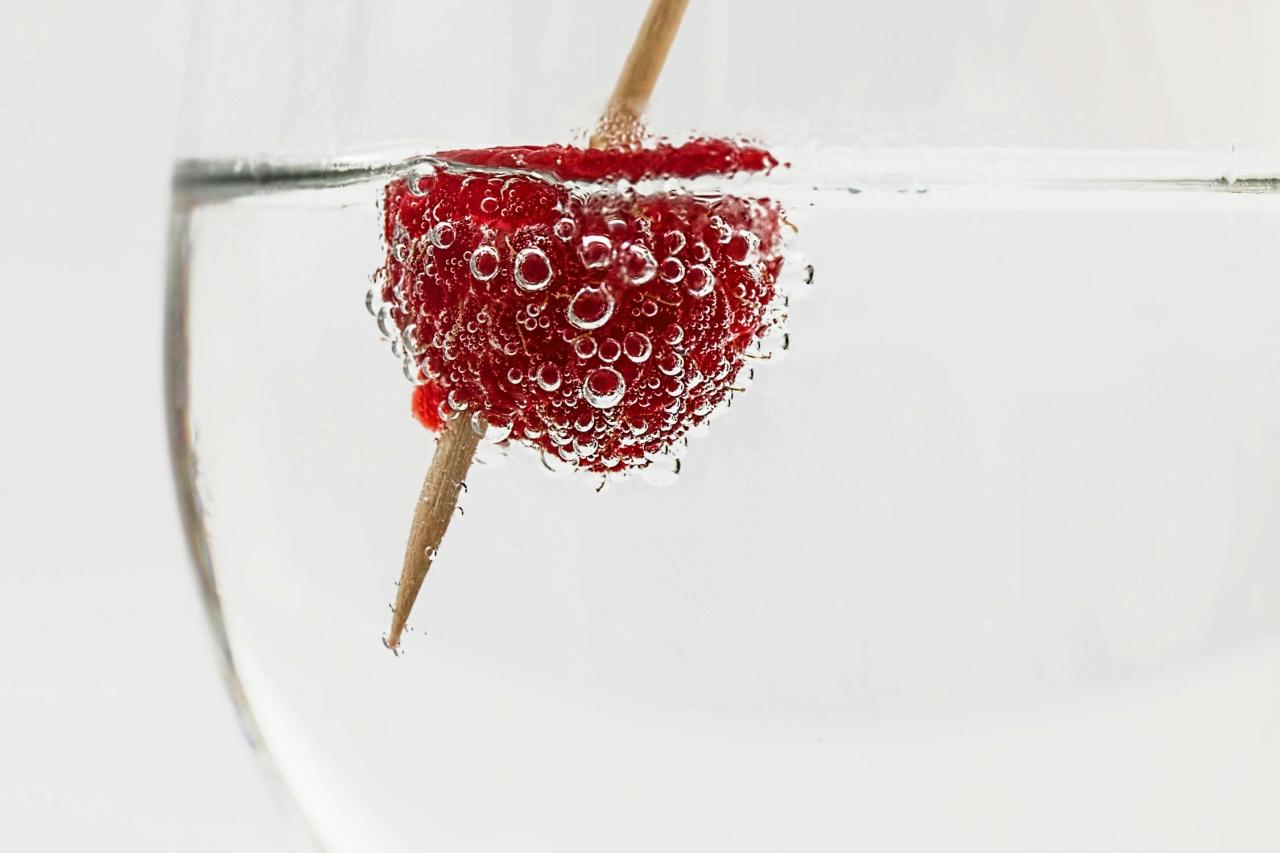
Minarel Water (Pexels)
Mineral water forms when rain and snowmelt infiltrate the ground, traveling through cracks in the Earth's crust and interacting with various rocks. During this process, the water becomes enriched with dissolved minerals and may reach specific temperatures due to the influence of geothermal heat. Geological processes determine the temperature, pH, mineral content, and gas composition of mineral water. In Turkey, regions such as Afyonkarahisar, Kütahya, Bursa, Erzincan, and Balıkesir are rich in mineral water sources.
Mineral waters are classified based on their dissolved solids content (TDS: Total Dissolved Solids). According to this classification:
Additionally, mineral waters are also classified based on the ions they contain:
Mineral waters are primarily used as drinking water. Some types are also utilized for bathing and balneotherapy (spa treatments). In hydrotherapy, mineral waters can be used as supportive treatments for rheumatic diseases, digestive system disorders, and skin conditions. In the food industry, they are used in the production of naturally carbonated beverages or as additives in fruit-flavored drinks.
The health effects of mineral water depend on the type and concentration of the minerals it contains. Mineral waters rich in calcium and magnesium are valuable for cardiovascular health. However, mineral waters with high sodium content should be consumed cautiously by individuals with hypertension. Furthermore, high fluoride content can help prevent tooth decay, but excessive intake can lead to dental fluorosis. Therefore, health claims should be scientifically grounded and approved by competent authorities.
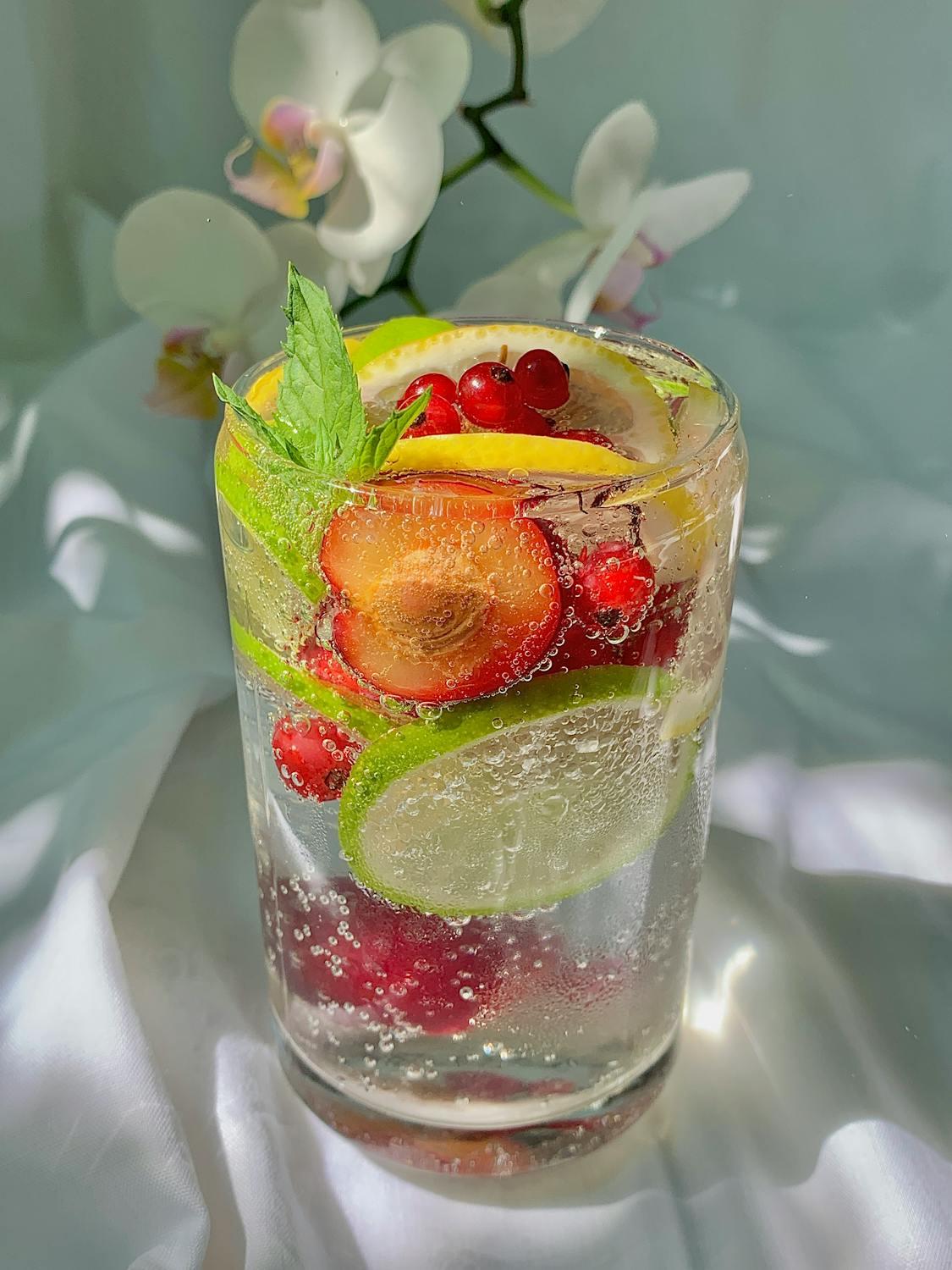
Minarel Water (Pexels)
In Turkey, mineral waters are regulated under the Turkish Food Codex Natural Mineral Waters Regulation (2023/2). The process from the source to bottling must be carried out in a way that does not alter the characteristics of the underground water. Bottling facilities and distribution networks are supervised by the Ministry of Agriculture and Forestry. Additionally, the sustainability and environmental impacts of mineral water sources are also monitored.
Albertini, Maria Cristina, and Marina Dachà. “Drinking Mineral Waters: Biochemical Effects and Health Implications – The State-of-the-Art.” International Journal of Environmental Health. Accessed May 30, 2025. https://www.researchgate.net/publication/228469193_Drinking_mineral_waters_Biochemical_effects_and_health_implications_-_The_state-of-the-art
Directorate General of Public Health. "Doğal Mineralli Sular Rehber Kitabı." Directorate General of Public Health. Accessed May 30, 2025. https://hsgm.saglik.gov.tr/depo/birimler/cevre-sagligi-db/Dokumanlar/Kitaplar/Dogal_Mineralli_Sular_Rehber_Kitabi.pdf
Kibaroglu, Aysegül, and Baskan, Argun. “Turkey’s Water Policy Framework.” Orta Doğu Teknik Üniversitesi. Accessed May 30, 2025. https://www.researchgate.net/publication/301184614_Turkey's_Water_Policy_Framework
Pexels. "Kırmızı Meyveli Ve Nane Yapraklı Bir Bardak Kabarcıklı Narenciye İçeceği." Pexels. Accessed May 30, 2025. https://www.pexels.com/tr-tr/fotograf/kirmizi-meyveli-ve-nane-yaprakli-bir-bardak-kabarcikli-narenciye-icecegi-9009821/
Pexels. "Maden Suyu." Pexels. Accessed May 30, 2025. https://www.pexels.com/tr-tr/fotograf/soguk-alginligi-soguk-saglikli-kokteyl-8679633/
Pexels. "Suda Kahverengi çubuk Ile Kırmızı Ahududu." Pexels. Accessed May 30, 2025. https://www.pexels.com/tr-tr/fotograf/suda-kahverengi-cubuk-ile-kirmizi-ahududu-37925/
Ministry of Trade of the Republic of Turkey. "İçme, Kaynak ve Doğal Mineralli Sular." Ministry of Trade of the Republic of Turkey. Accessed May 30, 2025. https://urunkurallari.ticaret.gov.tr/tr/sektorel-rehber/icme-kaynak-ve-dogal-mineralli-sular
TRT Belgesel. "Maden Suyu." TRT Belgesel Youtube Channel. Accessed May 30, 2025. https://www.youtube.com/watch?v=A2mTsueLiZQ
World Health Organization. “Total Dissolved Solids in Drinking-Water.” WHO. Accessed May 30, 2025. https://www.who.int/docs/default-source/wash-documents/wash-chemicals/total-dissolved-solids-background-document.pdf

Henüz Tartışma Girilmemiştir
"Mineral Water" maddesi için tartışma başlatın
Geological Formation and Sources
Classification
Uses
Health Considerations
Legal Regulations and Supervision
Bu madde yapay zeka desteği ile üretilmiştir.