

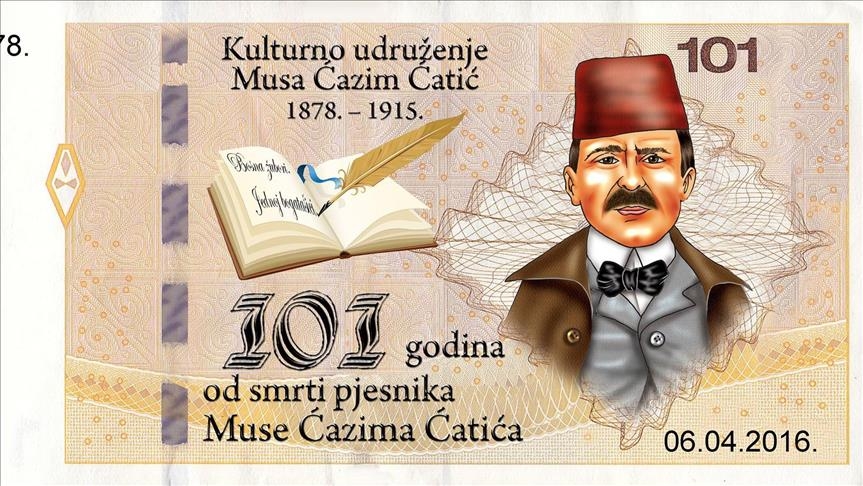

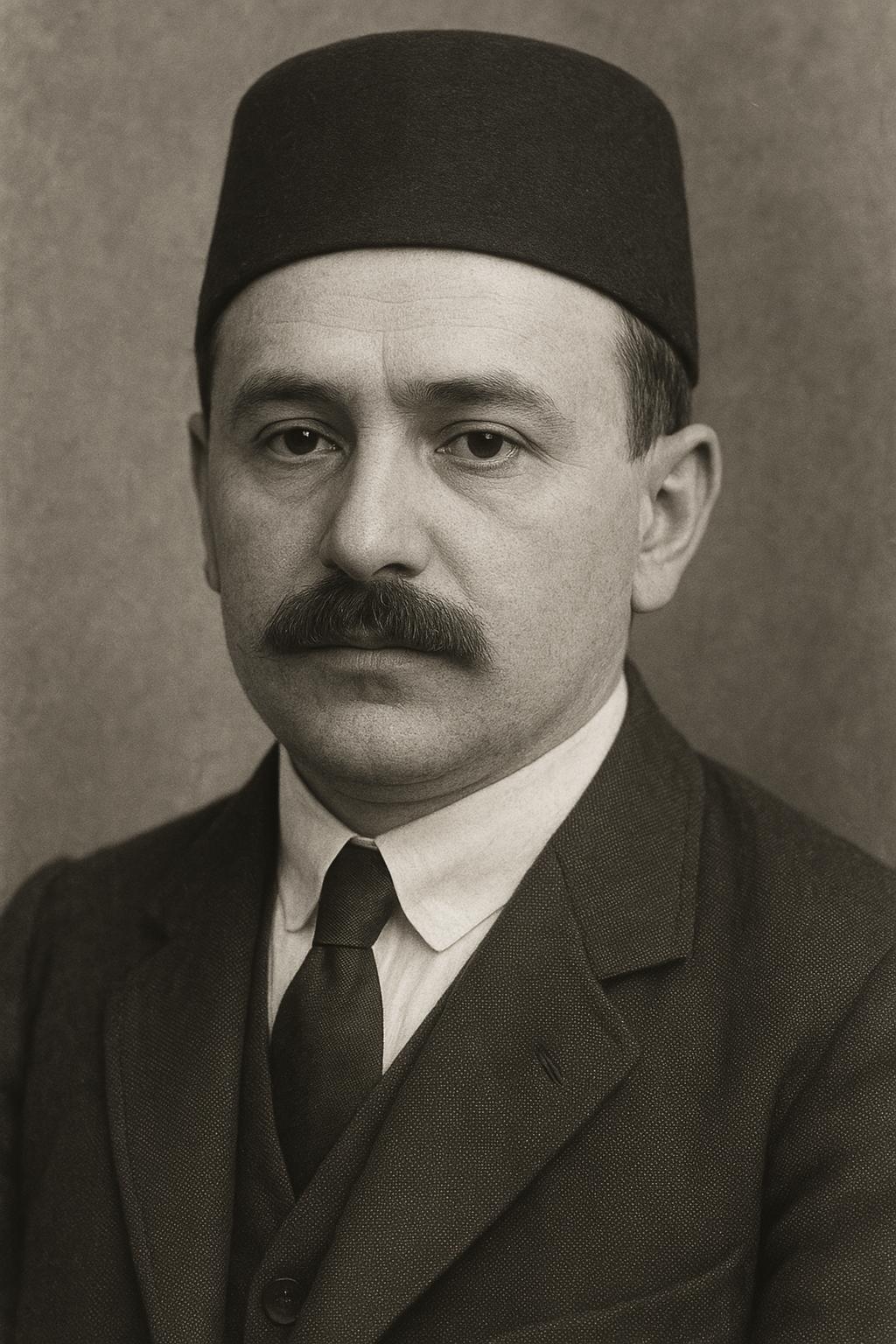
Musa Ćazim Ćatić (generated by artificial intelligence).
Musa Ćazim Ćatić (Musa Kazım Çatiç) (1878, Modriça – 6 April 1915, Tešanj), one of the important poets of Bosnia and Herzegovina. Ćatić possessed a unique artistic sensibility that blended the Ottoman-influenced classical culture with the European centered modern literary sensibility. He is also known for his literary essays, poetic translations, and cultural contributions. With a deep interest in both Eastern and Western literatures, particularly through his studies on Turkish literature, Ćatić became a significant intellectual figure in Bosnia and Herzegovina. His interests spanned from classical Divan poetry to Servet-i Fünun, from Sufism to modern individual sensibility—key elements that defined his literary identity. He made important contributions not only as a poet but also as a critic, essayist, and translator.
Musa Ćazim Ćatić was born in Odžak, a small settlement under the municipality of Modriça in Bosnia and Herzegovina. After completing his primary education there, he moved with his mother to the town of Tešanj following his father’s death. Initially he pursued a career as a barber, then began his medrese education. He learned Arabic, Persian, and Turkish from the Mufti of Tešanj, Mesut Efendi. In 1898 he traveled to Istanbul and enrolled at the Mekteb-i Sultani. During this period he became acquainted with figures such as Avdo Karabegović and Osman Čikić. However, he was compelled to return to Bosnia to fulfill his military service. In 1902 he returned to Istanbul and enrolled at the Numune-i Terakki Mektebi, but financial difficulties prevented him from continuing his studies, and he instead enrolled at the Şer’î Hukuk Okulu in Sarajevo.
Ćatić began his literary career in Istanbul and later served as a writer, poet, and editor in numerous publications in Bosnia. He actively contributed to journals such as Behar, Biser, and Gajret, where both Bosnian and Turkish texts were published. Ćatić showed particular interest in Servet-i Fünun and Divan poetry, composing works inspired by Eastern poetry. In his poems he emphasized themes of mysticism, love, and nature, and also gained recognition as a translator. He translated several poems by Nigar Hanım into Bosnian and published them in the journal Bosanska Vila. His essays on Turkish literary figures contributed to the cultural heritage and redirected Bosnia’s literary orientation toward Eastern literature.
Ćatić’s essays do not merely provide biographical information; they offer critical insights into the social structure, intellectual climate, and literary traditions of the era through the works of the poets he examines. His essay “Mysticism and the Influence of the Persians on Turkish Poetry” questions the impact of Sufi concepts on poetry and reveals his profound Sufi knowledge. His mastery of classical poetic forms—meter, rhyme, and prosody—demonstrates that his engagement with Divan literature went beyond nostalgic interest.
One of Ćatić’s literary contributions lies in his translation work. He translated several texts from Servet-i Fünun poetry into Bosnian and published them in the journal Bosanska Vila. Among these translations, Nigar Hanım’s poems “Materinska ljubav” and “Ljubim uv’jek” stand out. Writing under the pen name Mustafa Kijazim, Ćatić introduced these works to Bosnian readers while successfully conveying the emotionally charged aesthetic structure of Servet-i Fünun.
His translation activities reveal not only his linguistic skill but also his ideal of bridging two literary worlds. In translating poetry, Ćatić sought not only to preserve meaning but also to maintain rhythm, imagery, and aesthetic atmosphere.
One of Musa Ćazim Ćatić’s notable traits is his interest in female poets. Translating the poetry of figures such as Nigar Hanım was not merely an expression of admiration but a deliberate effort to promote the aesthetic value of women poets.
In his essays, Ćatić gave significant attention to both classical Divan poetry and Turkish literary figures after the Tanzimat era. Sufism is one of the central themes in both his poetry and essays. His essay “Mysticism and the Influence of the Persians on Turkish Poetry” reveals his deep knowledge of and interest in Sufism. Moreover, his profound understanding of Eastern poetic meter and rhyme strengthened his translation abilities. Musa Ćazim Ćatić’s poetic vision represents a unique synthesis of the aesthetic values of Bosnian folk literature and Ottoman classical literature.
In an era dominated by European-centered literary sensibilities, Ćatić’s focus on Eastern literature was not a regression but a rediscovery. Together with Safvet Beg Başagić, the “return to the East” movement they initiated became part of a broader cultural awakening in Bosnia, extending beyond literature to shape cultural consciousness.
In the final years of his life, Ćatić contracted tuberculosis and lived a modest life. The hardships of his education, financial difficulties, and the wartime environment shaped him both personally and intellectually. His poems reflect this inner sensitivity and the social transformations of his time.
Musa Ćazim Ćatić died of tuberculosis in Tešanj on 6 April 1915. Throughout his short life, he acted as a bridge between East and West, contributing significantly to the modernization of literature in Bosnia and Herzegovina.
Ćatić’s poems and essays helped spark a renewed interest in Eastern literature in Bosnia. The cultural bond he established with Turkish literature was not merely a personal preference but a consciously formed literary and political orientation. His poetry continues to hold importance in Bosnian literature and remains a source of inspiration for new generations of Bosnian poets.
Ja Čekam
Ja čekam vilu ljubavi i moći
Što živi negdje u dalekom kraju
U njenoj kosi plamna sunca sjaju
A u očima pramaljetne noći
I Wait
I wait for the fairy of love and power,
Who lives somewhere in the distant land,
Whose hair glows with the flames of the sun,
And whose eyes hold the nights of spring.【1】
[1]
Sibel Bayram, “Musa Ćazim Ćatić,” Turkish Studies 10, no. 12 (Summer 2015): p. 155.
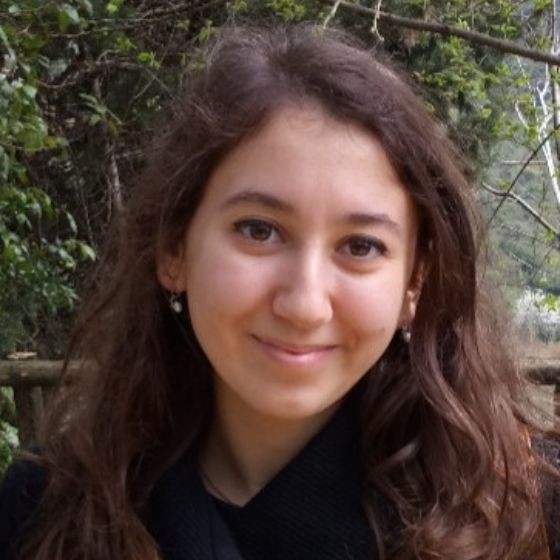
Musa Ćazim Ćatić (generated by artificial intelligence).
Henüz Tartışma Girilmemiştir
"Musa Ćazim Ćatić" maddesi için tartışma başlatın
Youth and Education
Career and Achievements
Literary Criticism and Essay Writing
Translation Activities and “Bosanska Vila”
Sensitivity Toward Female Poets and Literary Representation
Contributions
Personal Life
Final Years and Death
Legacy and Influence
Example from His Poetry