
Bu içerik Türkçe olarak yazılmış olup yapay zeka ile otomatik olarak İngilizceye çevrilmiştir.
+2 Daha
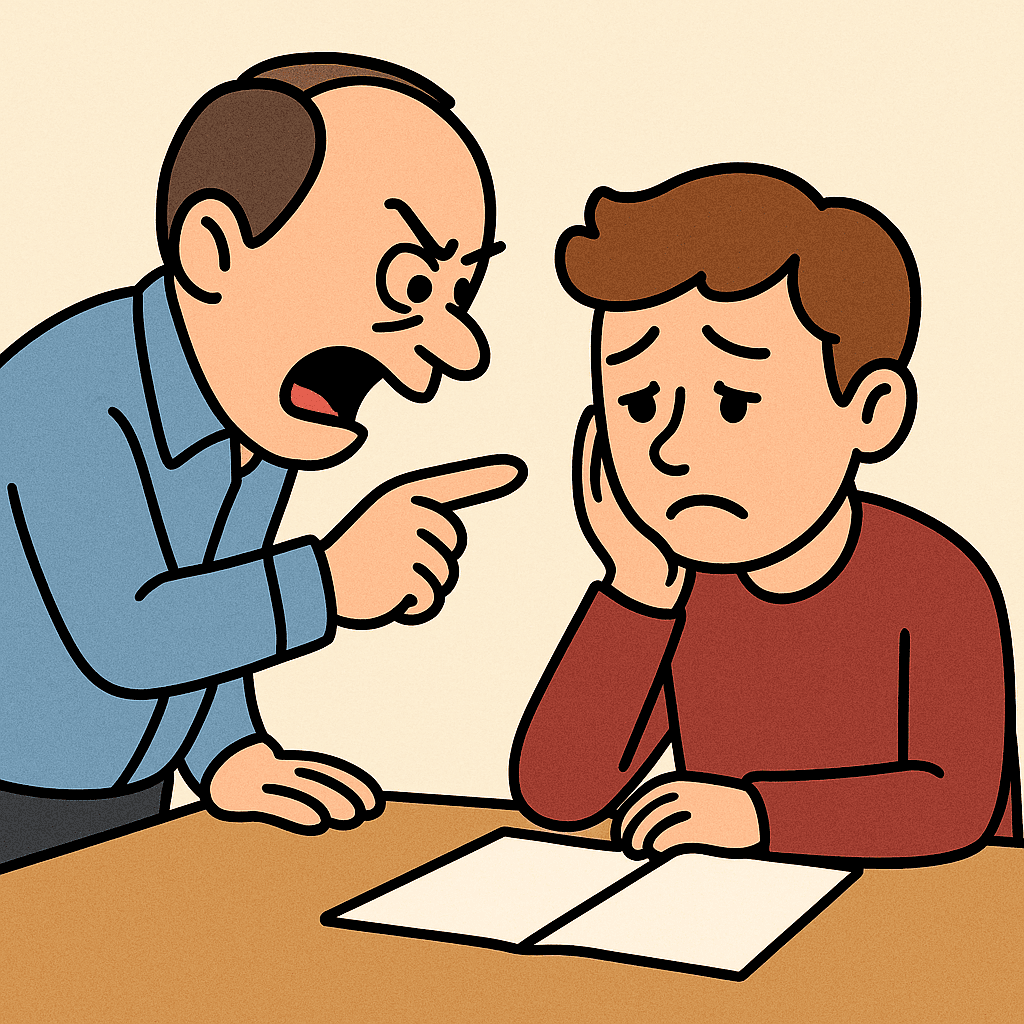
A Visual Representing Performance Decline Under Pressure
Defining | Roy F. Baumeister (1984), Sian L. Beilock & Thomas H. Carr (2001) | ||||||||
|---|---|---|---|---|---|---|---|---|---|
Field | Sports psychology, Neuropsychology, Performance sciences | ||||||||
Occurrence | Sports, Performing arts, Exams, Surgery, Air traffic control, Interviews | ||||||||
Related Structures | Prefrontal cortex, Anterior cingulate cortex, Amygdala | ||||||||
Choking under pressure (in English: Choking under pressure) is the phenomenon in which an individual fails to perform skills they are normally capable of, due to high expectations, stress, or reward pressure. This phenomenon occurs across numerous domains—from athletes and performing artists to surgeons and pilots—and is characterized by a dramatic decline in performance at the critical moment. Even when the individual’s competence is intact, their inability to access their skills under psychological pressure is linked to the dysfunction of cognitive resources.
Baumeister (1984) and Beilock & Carr (2001) argue that conscious control disrupts automatic skills under pressure. According to these theories:
Eysenck and Calvo (1992) contend that anxiety consumes working memory resources, leading to performance decline in complex tasks.
This law describes an inverted U-shaped relationship between arousal level and performance. Pressure exceeding the optimal arousal level causes performance to decline—this is the classic curve explaining choking.
fMRI studies have observed that the dorsolateral prefrontal cortex becomes hyperactive under pressure. This region represents conscious control and interferes with automatic processes by conflicting with motor areas.
The anterior cingulate cortex (ACC) becomes engaged in error monitoring and increases sensitivity to mistakes under pressure. This undermines the individual’s self-confidence and further degrades performance.
The amygdala, activated by stress, triggers cortisol release. This hormone negatively affects working memory and attentional stability.

A Visual Representation of Choking Under Pressure (Generated by Artificial Intelligence.)
External Focus of Attention: Directing attention away from the body and toward the environment (for example, focusing on the target rather than the ball) enhances performance.
Training Under High-Pressure Simulation: Repeated exposure to pressure conditions reduces the impact of anxiety.
Mindfulness and Cognitive Distraction Reduction: Mindfulness techniques improve attentional control without becoming absorbed in automatic thoughts.
Pre-performance Routines (PPRs): Fixed pre-performance rituals promote mental balance and buffer the effects of stress.

A Visual Representation of Choking Under Pressure (Generated by Artificial Intelligence.)
Choking under pressure reveals that expert skills are better executed through unconscious automaticity rather than conscious control. This cognitive paradox enhances awareness of individuals’ mental resources and strengthens the bridge between applied psychology and neuroscience.
Baumeister, Roy F. “Choking under Pressure: Self-Consciousness and Paradoxical Effects of Incentives on Skillful Performance.” *Journal of Personality and Social Psychology* 46, no. 3 (1984): 610–620.
Beilock, Sian L., and Thomas H. Carr. “On the Fragility of Skilled Performance: What Governs Choking under Pressure?” *Journal of Experimental Psychology: General* 130, no. 4 (2001): 701–725.
Eysenck, Michael W., and Manuel G. Calvo. “Anxiety and Performance: The Processing Efficiency Theory.” *Cognition and Emotion* 6, no. 6 (1992): 409–434.
Hill, D. M., et al. “A Qualitative Examination of Choking under Pressure in Team Sport.” *Psychology of Sport and Exercise* 11, no. 1 (2010): 6–14.

A Visual Representing Performance Decline Under Pressure
Defining | Roy F. Baumeister (1984), Sian L. Beilock & Thomas H. Carr (2001) | ||||||||
|---|---|---|---|---|---|---|---|---|---|
Field | Sports psychology, Neuropsychology, Performance sciences | ||||||||
Occurrence | Sports, Performing arts, Exams, Surgery, Air traffic control, Interviews | ||||||||
Related Structures | Prefrontal cortex, Anterior cingulate cortex, Amygdala | ||||||||
Henüz Tartışma Girilmemiştir
"Performance Decline Under Pressure" maddesi için tartışma başlatın
Theoretical Foundations and Cognitive Models
Self-Focus and Explicit Monitoring Theories
Distraction Theory
The Yerkes-Dodson Law
Neuropsychological Mechanisms
Overactivation of the Prefrontal Cortex
Error Monitoring Mechanism and the ACC
Amygdala Activation and Stress Response
Experimental Findings and Paradigms
Individual Differences and Sensitivity Factors
Environmental Influences and Contextual Factors
Interventions and Preventive Strategies
Academic and Practical Implications