

Bu içerik Türkçe olarak yazılmış olup yapay zeka ile otomatik olarak İngilizceye çevrilmiştir.
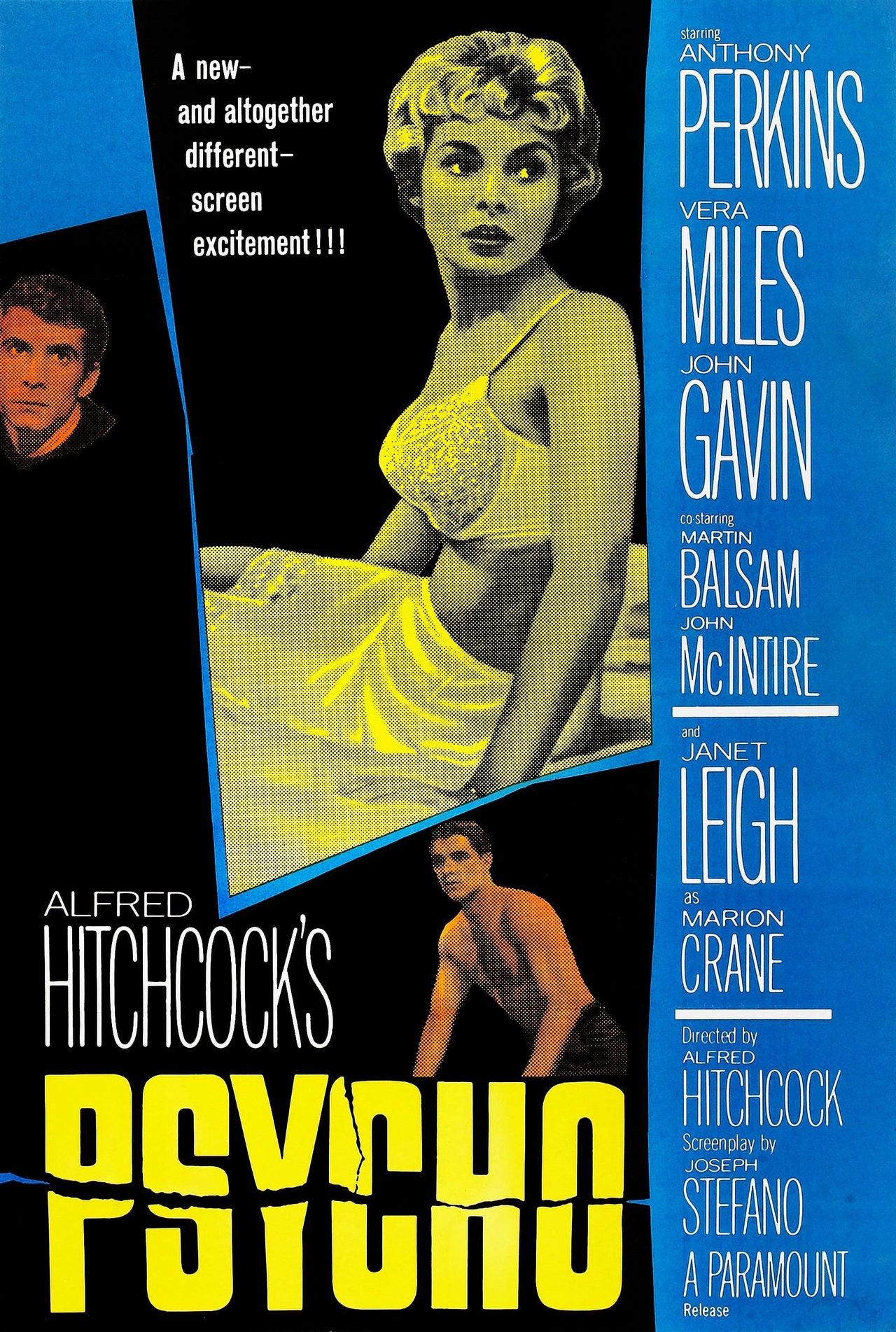
Psycho, directed by Alfred Hitchcock, is regarded as one of the most iconic films in cinema history. The story begins with Marion Crane (Janet Leigh), an employee in Arizona, who flees after stealing money. During her escape, she decides to stay at the isolated Bates Motel, where she meets the shy and gentle owner, Norman Bates (Anthony Perkins). Although he appears to be an ordinary man, Norman represents a disturbing world intertwined with profound psychological disturbances.
The unexpected violent scene in Marion’s motel room—the iconic shower scene—shatters both the audience and the conventions of cinematic narrative. The film transcends being merely a crime story, evolving into a psychological thriller that delves into the dark corridors of the human mind.

An iconic scene from Psycho -MUBI
The character of Norman Bates is one of the most deeply explored psychological figures in cinema history. His mentally fragmented identification with his mother becomes both a symbolic and dramatic linchpin of the film.
The film draws attention through bold scenes that challenge the cinematic conventions of the 1960s. Initially presenting Marion’s theft as a moral transgression, the film then shifts focus to Norman Bates’s inner turmoil, continuously testing the viewer’s morality perceptions.
Hitchcock shocks the audience by killing off Marion Crane, presented at the outset as the main character, in a violent and unexpected manner during the first half of the film. This structural rupture established an unprecedented approach in the cinema of the time and is now considered one of the pioneering moments in suspense filmmaking.
Norman’s toxic vine with his mother merges with repressed anger, sexuality, and guilt, leading to a psychological unraveling. This dynamic is both open to Freudian interpretation and a profound character study.
Alfred Hitchcock produced Psycho independently of major studios, shooting it in black and white on the budget of a television series, and completing it through bold creative decisions.
The film’s most striking technical achievement is the iconic score composed by Bernard Herrmann. The high-pitched string instruments in the shower scene have left an indelible mark on cinema history, becoming a defining moment in both horror and thriller genres.
The editing and camera angles were meticulously planned to manipulate the viewer, with Hitchcock’s philosophy of “managing the audience” applied with masterful precision throughout the film.

A scene from Psycho -MUBI
Anthony Perkins created a haunting and pitiable character as Norman Bates, becoming inseparable from the role.
Despite her brief screen time, Janet Leigh forms the dramatic core of the film and has secured her place in cinema history, particularly through the shower scene.
Vera Miles and John Gavin, while serving as voices of logic in the narrative’s progression, are overshadowed by Bates, the true embodiment of the film’s essence.
Psycho is not only Hitchcock’s most striking film but also one of the works that reshaped the course of cinema history. Regarded as a pioneer of modern horror and thriller genres, it remains a timeless masterpiece, continuing to captivate audiences through its psychological depth, structural daring, and aesthetic storytelling. Norman Bates is widely regarded as one of the most compelling anti-heroes in cinema history.
Best Supporting Actress – Janet Leigh
Best Director – Alfred Hitchcock
Best Cinematography (Black and White)
Best Film Editing
Best Supporting Actress – Janet Leigh
Anthony Perkins – Best Foreign Actor (Nomination)

Henüz Tartışma Girilmemiştir
"Sapık (Psycho, Film)" maddesi için tartışma başlatın
Themes and Analysis
1. Identity and Psychosis
2. Social Norms and Sexuality
3. Subversion of Narrative Expectations
4. Motherhood and Repressed Trauma
Production Process and Technical Features
Performances
Impact and Significance
Awards and Nominations
Academy Awards (Oscars, 1961)
Nominations:
Golden Globe Awards (1961)
BAFTA Awards