


Bu içerik Türkçe olarak yazılmış olup yapay zeka ile otomatik olarak İngilizceye çevrilmiştir.
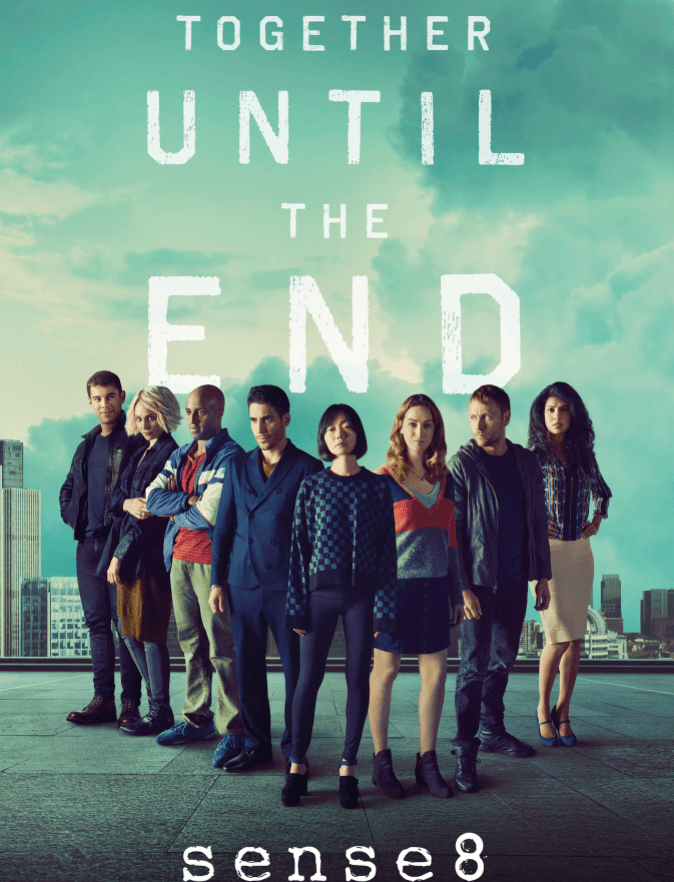
Sense8, The Matrix trilogy’s creators Lana and Lilly Wachowski and Babylon 5’s writer J. Michael Straczynski’s common project debuted on television. The series begins with eight strangers, each living in a different part of the world, suddenly becoming mentally and emotionally connected. These individuals are part of a rare type known as “sensates.” They begin to live not only within their own minds but within a shared consciousness intertwined with one another.
This connection among the eight is not merely telepathic; it also enables memorial, feelings, information and even the sharing of skills. Yet this gift also makes them targets of a powerful organization that views them as a threat.
At the heart of Sense8 are characters linked by place, who are striking not only geographically but also in terms of cultural, professional and social diversity:
These characters are not merely figures; each grapples with societal issues within their own cultural context. The characters of Sense8 are presented not as archetypes serving the plot but as individuals living through real problems.
Sense8 is more than a science fiction series. Throughout the show, the following themes are explored:
Through the character of Sun, the series draws attention to patriarchal society structures; through Capheus, to individuals denied access to healthcare; and through Lito and Nomi, to the pressures faced due to gender identity and sexual orientation.
The series does not present these issues in a didactic tone but through the lived experiences of its characters.
One of the most striking aspects of the series is its global production. In the first season, filming took place in eight countries; in the second season, in eleven. The cast and technical team collectively traveled 160,000 kilometers. Shooting in each character’s city enhanced the series’ realism but also significantly increased production costs. This played a decisive role in Netflix canceling the series after its second season.
Despite a budget of approximately nine million dollars per episode, like, the show failed to reach a large enough audience to ensure economic sustainability. However, the response from fans prompted Netflix to allow the series to conclude with a 2.5-hour final episode.
Sense8 divided audiences in terms of its narrative style, structure and thematic content. Some found the series disjointed and complex; others praised its sincerity, character depth and its commitment to its message. Critics such as VOX emphasized that despite its structural weaknesses, it is one of the rare works that “embodies hope for humanity.”
The core belief of Sense8 was that a bond built on empathy across the world is possible. The series succeeded in weaving together action sequences with dramatic scenes and emotional monologues with political critique. Although it did not leave a massive mark on popular culture, it remains a powerful narrative example for a niche audience.
CBR. Accessed March 25, 2025. https://www.cbr.com/why-netflix-canceled-sense8
FRPNET. Accessed March 25, 2025. https://frpnet.net/incelemeler/sense8-incelemesi-diziye-genel-bir-bakis
IMDb. Accessed March 25, 2025. https://www.imdb.com/title/tt2431438
Vox. Accessed March 25, 2025. https://www.vox.com/culture/2017/5/7/15563788/sense8-season-2-review-netflix

Henüz Tartışma Girilmemiştir
"Sense 8 (Series)" maddesi için tartışma başlatın
Characters and Spatial Diversity
Themes and Subtexts
Production and Production Challenges
Criticism and Legacy