
Bu içerik Türkçe olarak yazılmış olup yapay zeka ile otomatik olarak İngilizceye çevrilmiştir.
The Tenerife accident was an aviation disaster that occurred on March 27, 1977, at Los Rodeos Airport on the Canary Islands, when two Boeing 747 passenger aircraft collided on the runway. A total of 583 people lost their lives, and 61 survived. The incident demonstrates how a combination of communication failures, human error, and operational constraints can lead to a catastrophe.
On March 27, 1977, a terrorist attack occurred at Gran Canaria International Airport, where a bomb placed in a flowerpot detonated. Following the explosion, a second bomb threat was received, prompting the closure of the airport. All flights were diverted to Los Rodeos Airport on Tenerife, which had been designated as the alternate airport.
Los Rodeos Airport is a small airport with only one runway and one taxiway. This limited infrastructure was unable to accommodate the high volume of aircraft traffic that arrived simultaneously. Additionally, due to its location in the highlands of the Canary Islands, the airport is frequently shrouded in dense fog. On the day of the accident, weather conditions were extremely severe, with visibility dropping to nearly zero at times.
This intense air traffic combined with adverse weather conditions severely disrupted operations at Los Rodeos Airport, creating a level of congestion far beyond its capacity.
The aircraft involved in the accident were:
While the KLM aircraft was stopped for refueling, the Pan Am aircraft was taxiing on the runway. Both aircraft were waiting at different points on the runway for takeoff clearance. However, due to the dense fog, the control tower could not visually confirm the positions of the aircraft and could only provide guidance via radio communication.
The primary causes of the accident emerged from a combination of factors:
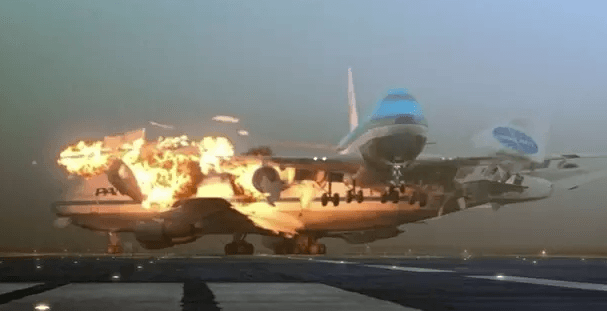
As the KLM aircraft accelerated for takeoff, the Pan Am aircraft was still on the runway. Due to the fog, neither crew could see the other. The KLM aircraft collided with the fuselage of the Pan Am aircraft, triggering a massive explosion.
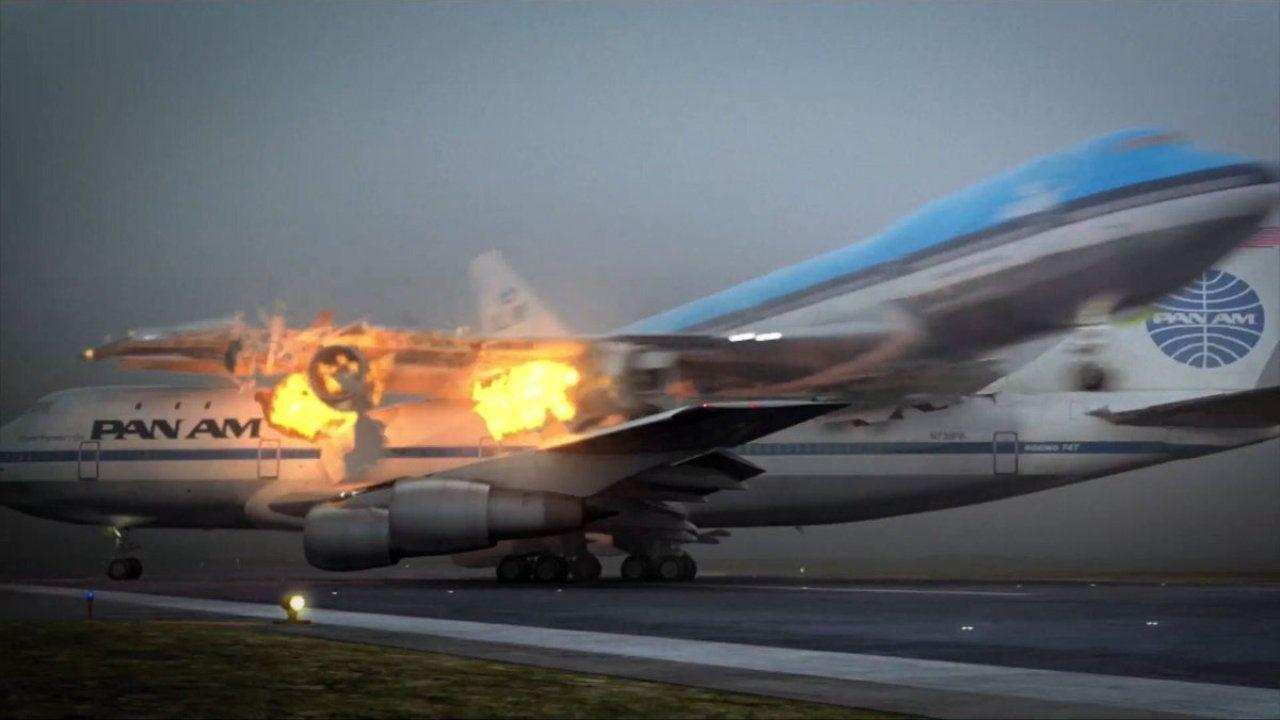
Tenerife Air Disaster Documentary (Mayday: Air Disaster)
In total, 583 people lost their lives, making this the deadliest accident in aviation history.
The Tenerife accident triggered fundamental changes not only in aviation but also in operational systems reliant on human factors. In the aftermath, numerous new procedures and rules were introduced to enhance aviation safety.
One of the primary causes of the accident was miscommunication between the flight crew and air traffic control (ATC). This led to a complete overhaul of communication protocols.
The Tenerife accident revealed how hierarchical cockpit culture could lead to communication breakdowns and catastrophic outcomes. The captain’s authority caused other crew members to suppress their warnings. This situation demanded the adoption of a more egalitarian communication structure in aviation.
Deficiencies in airport infrastructure and technological limitations played a significant role in the accident. As a result, major innovations were introduced in both airport and aircraft systems.
Tenerife Air Disaster Documentary (Mayday: Air Disaster)
The Tenerife accident highlighted the dangers of excessive traffic at small, inadequately equipped airports. As a result, significant improvements were made at many airports worldwide.
The Tenerife accident prompted aviation regulatory authorities to implement stricter safety regulations.


Henüz Tartışma Girilmemiştir
"Tenerife Face" maddesi için tartışma başlatın
Development and Causes of the Accident
Aircraft Involved and Human Factors
Primary Causes of the Accident
Miscommunication and Language Issues
Meteorological Conditions and Visibility Restrictions
Human Factors and Decision-Making Under Pressure
Runway and Facility Deficiencies
The Collision and Its Consequences
Collision
Fatalities
Measures and Changes Implemented After the Accident
Standardization of Communication Protocols
Use of Standard Terminology
Two-Way Confirmation
Overcoming Language Barriers
Cockpit Resource Management (CRM) Training
Effective Crew Communication
Role and Responsibility Distribution
Simulation Training
Technological Improvements
Ground Radar Systems
Advanced Radio Systems
In-Flight Technological Enhancements
Airport Infrastructure Improvements
Runway and Taxiway Reconfigurations
Traffic Volume Management
Enhanced Pilot and Controller Training
Situational Awareness Training
Air Traffic Controller Training
Regulatory Changes
ICAO and FAA Protocols
Review of Flight Duty Time Limits