

Bu içerik Türkçe olarak yazılmış olup yapay zeka ile otomatik olarak İngilizceye çevrilmiştir.
+1 Daha
The Story of Emrah and Selvihan is a folk tale belonging to the âşıklık tradition, combining prose and poetry in a single narrative. The tale is associated with Emrah of Erciş and is among the widely told love-themed folk stories across Anatolia.
Emrah of Erciş is a folk poet traditionally believed to have lived in the 17th century and closely linked to the Erciş district of Van. He is recognized as an âşık who was trained within the âşıklık tradition, playing the saz and reciting poetry. Although no definitive biographical details about his life exist, his name and poems have been preserved through oral tradition. Emrah of Erciş is particularly known for the tale associated with him: The Story of Emrah and Selvihan.
The tale consists of prose sections interspersed with poems. The poems are composed in syllabic meter and employ a simple, accessible language understandable to the general public. Their performance accompanied by the saz demonstrates that the tale was shaped within the âşıklık tradition.
The Story of Emrah and Selvihan embodies the classic love motifs of folk tales. Emrah of Erciş sees Selvihan, renowned for her beauty, and falls in love with her. Their love is opposed by their families and the surrounding community. Selvihan’s family refuses to give her to Emrah and makes it difficult for the young lovers to unite. In response, Emrah embarks on a long journey to reunite with his beloved. Throughout the tale, the hardships Emrah endures, the obstacles he faces, and the songs he sings hold great significance. Selvihan remains faithful to him, waiting for his return. Later sections of the tale recount the sacrifices Emrah makes for his love. Themes of exile, separation, and loyalty come to the fore during this period.
In some versions, it is said that Emrah traveled as far as Iran in his quest to reunite with Selvihan, encountering various adventures along the way. The obstacles he faces on his journey underscore the depth and determination of his love. Selvihan’s family attempts to marry her off to another man, but Selvihan remains steadfast in her devotion to Emrah. This loyalty is regarded as one of the tale’s strongest elements.
The tale also clearly reflects the characteristics of the âşıklık tradition. Emrah uses his saz to sing songs that express his own love while also serving as a voice for the emotions of the people. In this sense, the tale is not merely a love story but also a literary heritage that reflects the cultural values of the community.
The ending of the tale varies across different oral versions. In some accounts, Emrah and Selvihan ultimately reunite and marry, living happily ever after. These versions emphasize the triumph of love over obstacles. In other variants, the lovers fail to unite, and the tale ends in separation and sorrow. These versions highlight the tragic dimension of love. These differing endings illustrate the diversity of folk tales within oral culture and their shaping by the interpretations of storytellers.

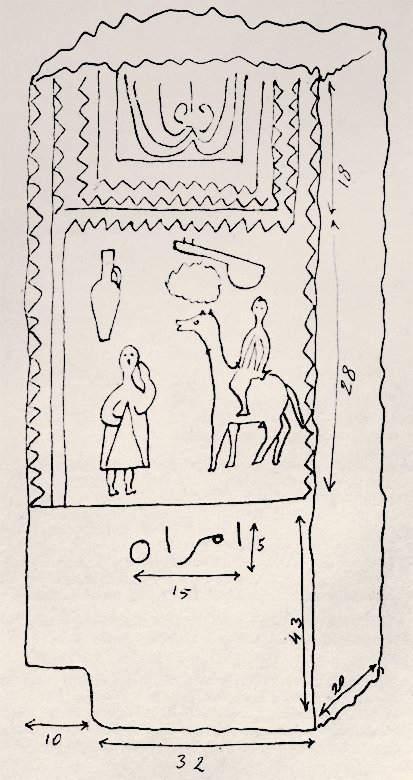
Sketch of the Tombstone Associated with Emrah of Erciş in Erciş(Encyclopedia of Islam)
The Story of Emrah and Selvihan and the tradition of ashikhood reflect the core features of the âşıklık tradition. The âşık setting out on a journey for his beloved, enduring exile, and expressing his emotions through the saz form the traditional structure of the tale. In this regard, the tale belongs among the classic folk stories told across Anatolia.
The story of Emrah and Selvihan has become a symbol of love and fidelity in Turkish folk literature. Cultural events honoring Emrah are held in the district of Erciş, keeping his memory alive. The tale appears in both oral and written sources, demonstrating the continuity of the âşıklık tradition.

Henüz Tartışma Girilmemiştir
"The Story of Emrah and Selvihan" maddesi için tartışma başlatın
Emrah of Erciş
Form and Linguistic Features
Main Characters
Plot of the Tale
Endings and Variants
Characteristics of the Tale
Place within the Âşıklık Tradition
Cultural Significance