

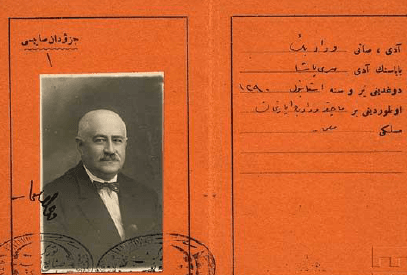
Vedat Tek
Place of Birth | Istanbul, Ottoman Empire | ||||||||
|---|---|---|---|---|---|---|---|---|---|
Babası | Sırrı Paşa (Ottoman governor, litterateur) | ||||||||
Annesi | Leyla Saz Hanım (musician, litterateur) | ||||||||
Ölüm tarihi | 1942-05-09 | ||||||||
Place of Death | Istanbul, Türkiye | ||||||||
Burial Place | Edirnekapı Martyrdom Site, Istanbul | ||||||||
Education | Galatasaray High School (left unfinished) École Nationale des Beaux-Arts (architecture) École Centrale (engineering) Académie Julian (painting and sculpture) Paris École Monge | ||||||||
Architectural Style(s) | First National Architectural Movement | ||||||||
Date of Birth | 1873 | ||||||||
Major Works | Kastamonu Government Mansion, Büyük Postane (Istanbul), Haydarpaşa and Moda Ferry Wharves, Directorate of Land Registry and Cadastre (Istanbul), Hobyar Mosque, Ankara Palas, İzmit Clock Tower, Tayyare Martyrs' Monument, Cemil Topuzlu Pavilion, Liman Hanı, Mesadet Hanı, Gazi Pavilion (Ankara) | ||||||||
Mimar Vedat Tek is one of the founding figures of the First National Architectural Movement, a pivotal turning point in architectural history who emerged during the final years of the Ottoman Empire and played a significant role in the early years of the Republic of Türkiye. He successfully synthesized European classical architecture with traditional Ottoman styles, both in his education and professional practice, assuming a pioneering role in the modernization of Turkish architectural identity. He is also recognized as a thinker and urban planner who contributed to urban aesthetics.
Buildings bearing his signature in cities ranging from Istanbul to Ankara and from Kastamonu to İzmit constitute important examples that shape the architectural memory of the era. Growing up in a family deeply immersed in the arts deepened his understanding of architecture and enabled him to develop an original style that united visual aesthetics with functionality.
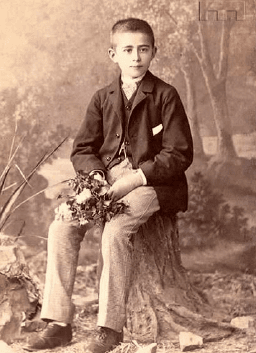
Childhood of Vedat Tek (Ahmet Sezgin)
Vedat Tek was born in Istanbul in 1873. His father, Giritli Sırrı Paşa, was an Ottoman vizier and literary figure, while his mother, Leyla Saz Hanım, was the daughter of İsmail Paşa, a physician in the court of Abdülmecid, and a writer and musician.
Due to his father’s official duties, Vedat Tek spent his childhood in various regions including Trabzon, Diyarbakır, and Crete. He later returned to Istanbul and studied for two years at Galatasaray High School (Mekteb-i Sultani), but at the age of sixteen, he left without completing his education to travel to Paris. In Paris, he completed his secondary education at Ecole Monge, then studied painting and sculpture at Académie Julian and engineering at École Centrale. Despite his father’s opposition, he decided to pursue architecture. He was among the nine students who passed the competitive entrance examination of the prestigious École Nationale des Beaux-Arts, where he received his architectural training. During this period, he worked in the atelier of Professor Moyaux and won an “Honorary Prize” in the Prix de Rome competition.
In 1899, Vedat Tek returned to Istanbul and opened his own architectural office, beginning his professional career. That same year, he was appointed as a professor of Art History at the Sanayi-i Nefise Mektebi and as an architect in the Istanbul City Council’s Technical Committee. In this role, he undertook the design of numerous public buildings that shaped Istanbul’s urban identity. Projects such as the Mannheim Synagogue, designed by him in Germany but never constructed, also demonstrate his international architectural ambitions.
Vedat Tek was known for his cheerful and intelligent personality. He was passionate about architecture, creative in his drawings, and respectful and instructive in his relationships with workers and apprentices. His interest in art remained consistent from childhood. Tek died in Istanbul on 9 May 1942 and was buried at Edirnekapı Martyrs’ Cemetery.
Vedat Tek is one of the founders of the First National Architectural Movement. This architectural approach was developed as an alternative to Western-influenced trends by integrating Ottoman and Seljuk elements with modern construction techniques. Tek defined his architectural philosophy as “modern Turkish architecture” and embraced a principle of restrained ornamentation, favoring simple yet valuable materials. In his view, comfort was an essential element in architecture that could never be neglected.
In his works, Tek frequently incorporated ceramic tile decorations. In the early 20th century, he helped revive Turkish ceramic art by using Kütahya tiles on the facades of his buildings. Collaborating with important ceramic masters such as Hafız Mehmed Emin Efendi, he infused traditional artistic elements with contemporary interpretations.
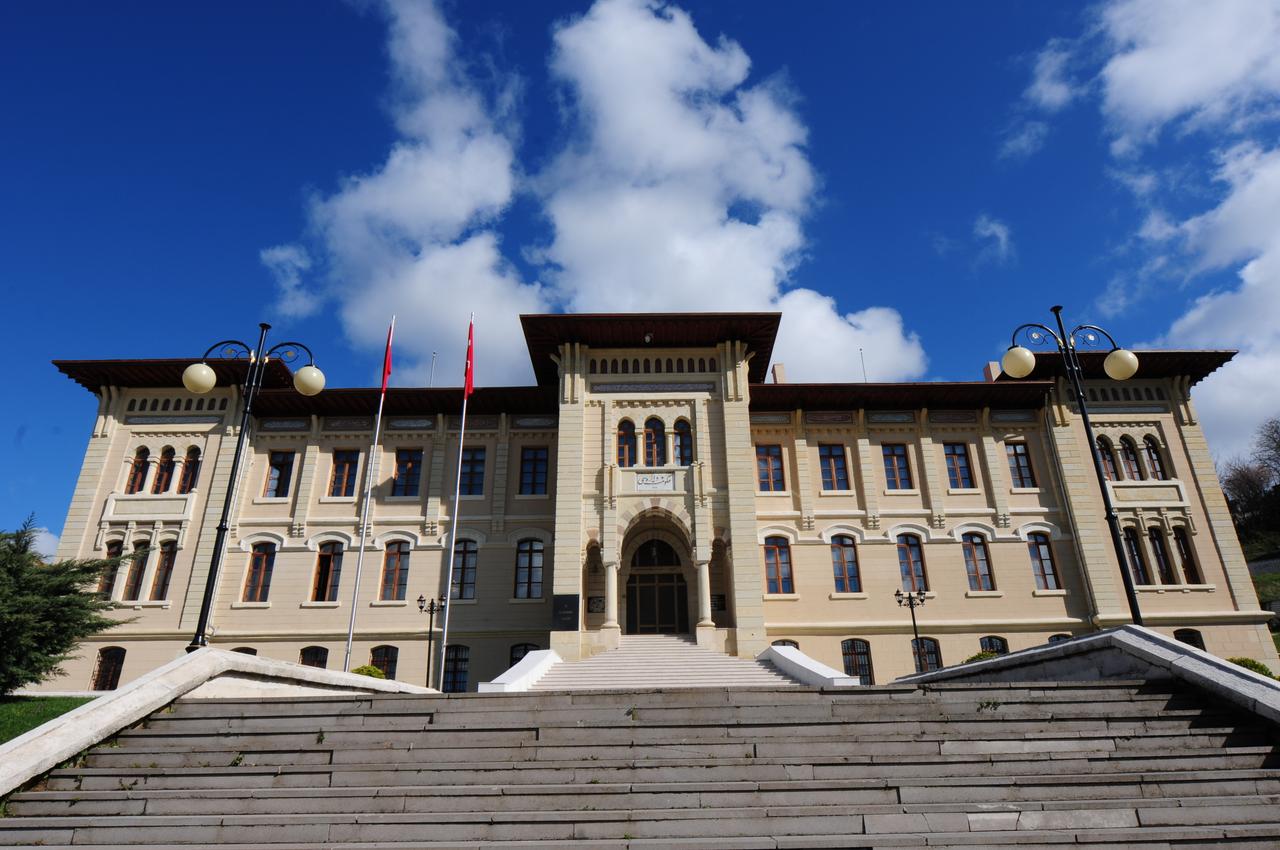
Kastamonu Government House (Republic of Türkiye Kastamonu Governorship)
Video on the Ministry of Posts and Telegraphs (TRT Avaz)
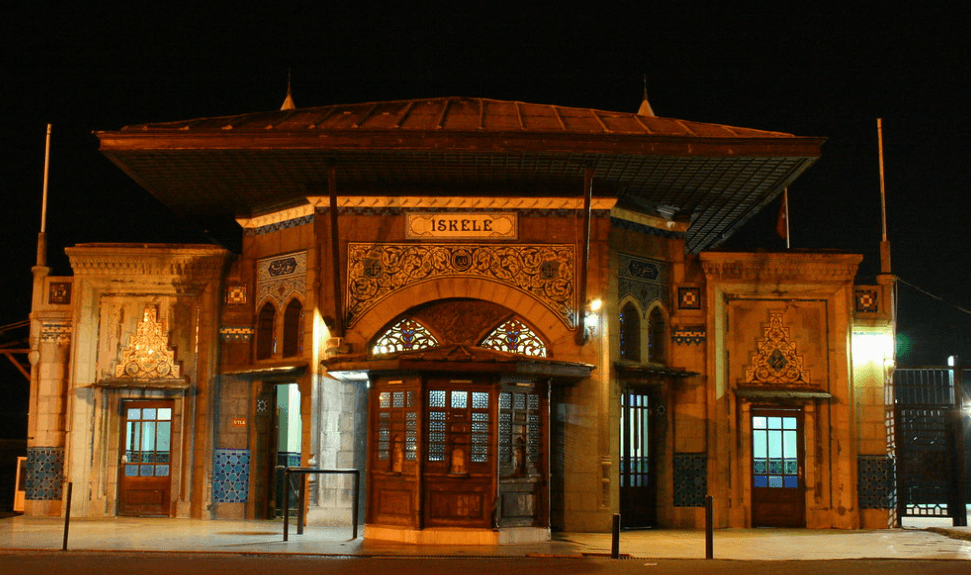
Haydarpaşa Ferry Pier (Flickr, Mustafa Uluç)
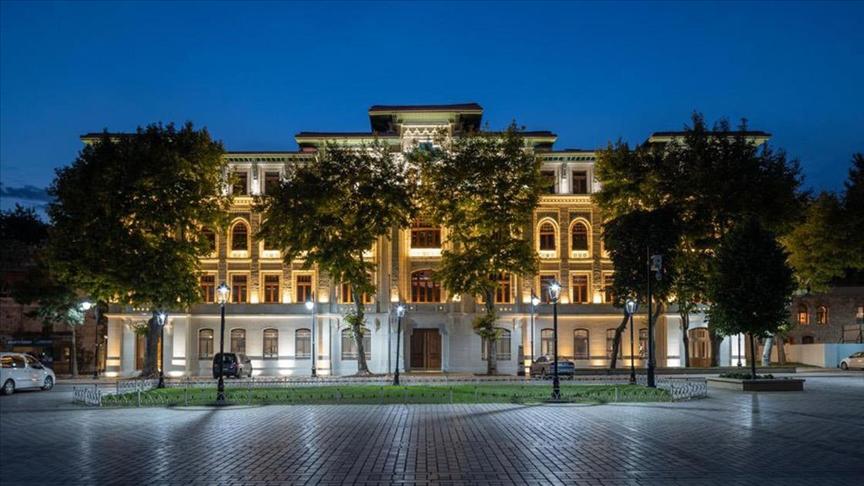
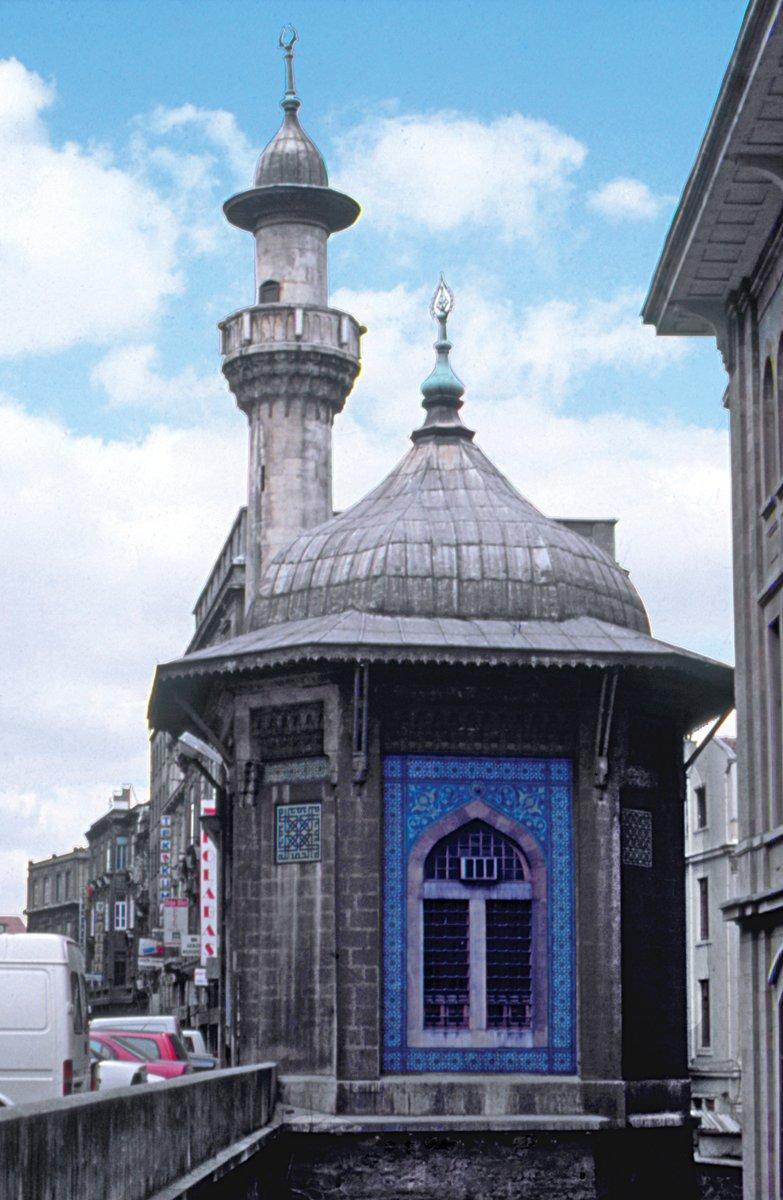
Hubyar Mosque (Encyclopedia of Islam)
Akyol, Ayşe. "Kastamonu Mimar Vedat Tek Kültür ve Sanat Merkezi Şapka Müzesinde Bulunan Başlık ve Şapka Kompozisyonlarının Yeni Tasarımlara Uygulanması." Master's thesis,Gazi Üniversitesi Institute of Fine Arts, 2019.
Anadolu Ajansı. "Ankara Palas Müzesi, 1 yıldır ziyaretçilerini ağırlıyor." Accessed May 8, 2025. https://www.aa.com.tr/tr/kultur/ankara-palas-muzesi-1-yildir-ziyaretcilerini-agirliyor/3487560
Anadolu Ajansı. "Sultanahmet Meydanı'ndaki eski Defter-i Hakani binası Ayasofya Müzesi oldu." Accessed May 8, 2025.
Anadolu Ajansı. "Zamanın tanığı saat kuleleri." Accessed May 8, 2025. https://www.aa.com.tr/tr/pg/foto-galeri/zamanin-tanigi-saat-kuleleri/0
Doğan, Sema. "HUBYAR MESCİDİ." *TDV İslâm Ansiklopedisi*. Accessed May 8, 2025. https://islamansiklopedisi.org.tr/hubyar-mescidi
Flickr. "Haydarpaşa İskele - Haydarpaşa Dock - İstanbul 20090107_Musty_752_resize." Flickr, Mustafa Uluç Account. Accessed May 8, 2025. https://www.flickr.com/photos/mustafauluc/3192960805/in/photostream/
Sezgin, Ahmet. "Mimar Vedat Tek ve Eserleri." KAREFAD/ÇAKÜ Edebiyat Fakültesi Dergisi 10, no. 1 (2022): 114–143.
T.C. Kastamonu Valiliği. "Tarihçe." Accessed May 8, 2025. http://www.kastamonu.gov.tr/tarihce
T.C. Ministry of Environment, Urbanization and Climate Change. "Çevre İnsan ve Şehir - Mimar Vedat Tek." T.C. Ministry of Environment, Urbanization and Climate Change. Accessed May 8, 2025. https://csb.gov.tr/cevre-insan-ve-sehir---mimar-vedat-tek-makale
T.C.Kastamonu Valiliği. "Who Is Mimar Vedat TEK?" Accessed May 8, 2025. https://www.kastamonumvtkulturmerkezi.gov.tr/mimar-vedat-tek-kimdir.asp?kim=1-hayati
TRT Avaz. "Türkiye'nin En Büyük Postane Binası ve PTT Müzesi - Devrialem - TRT Avaz." TRT Avaz Youtube Kanalı. Accessed May 8, 2025. https://www.youtube.com/watch?v=OIi1nZBUn6A
Özerkan, Başak. "Mimar Vedat Tek’in İstanbul Yapılarındaki Çiniler." Master's thesis,Sakarya Üniversitesi Institute of Social Sciences, 2024.
İBB Miras. "Moda İskelesi, Kütüphane ve Kültür Sanat Alanı Olacak!" İBB Miras Youtube Kanalı. Accessed May 8, 2025. https://www.youtube.com/watch?v=jEQT3kMD7Ug
İbrahim Akgün. "CEMİL TOPUZLU KÖŞKÜ." İbrahim Akgün Youtube Kanalı. Accessed May 8, 2025. https://www.youtube.com/watch?v=TyCSUmQ0Zq4

Vedat Tek
Place of Birth | Istanbul, Ottoman Empire | ||||||||
|---|---|---|---|---|---|---|---|---|---|
Babası | Sırrı Paşa (Ottoman governor, litterateur) | ||||||||
Annesi | Leyla Saz Hanım (musician, litterateur) | ||||||||
Ölüm tarihi | 1942-05-09 | ||||||||
Place of Death | Istanbul, Türkiye | ||||||||
Burial Place | Edirnekapı Martyrdom Site, Istanbul | ||||||||
Education | Galatasaray High School (left unfinished) École Nationale des Beaux-Arts (architecture) École Centrale (engineering) Académie Julian (painting and sculpture) Paris École Monge | ||||||||
Architectural Style(s) | First National Architectural Movement | ||||||||
Date of Birth | 1873 | ||||||||
Major Works | Kastamonu Government Mansion, Büyük Postane (Istanbul), Haydarpaşa and Moda Ferry Wharves, Directorate of Land Registry and Cadastre (Istanbul), Hobyar Mosque, Ankara Palas, İzmit Clock Tower, Tayyare Martyrs' Monument, Cemil Topuzlu Pavilion, Liman Hanı, Mesadet Hanı, Gazi Pavilion (Ankara) | ||||||||
Henüz Tartışma Girilmemiştir
"Vedat Tek" maddesi için tartışma başlatın
Life
Works
Public Buildings
Residential Buildings
Commercial Buildings
Monumental Structures
Selected Examples of Works
Kastamonu Government House
Grand Post Office (Posta ve Telgraf Nezareti)
Haydarpaşa Ferry Terminal
Moda Ferry Terminal
Directorate of Land Registry and Cadastre (Defter-i Hakani Nezareti)
Hubyar Mescidi
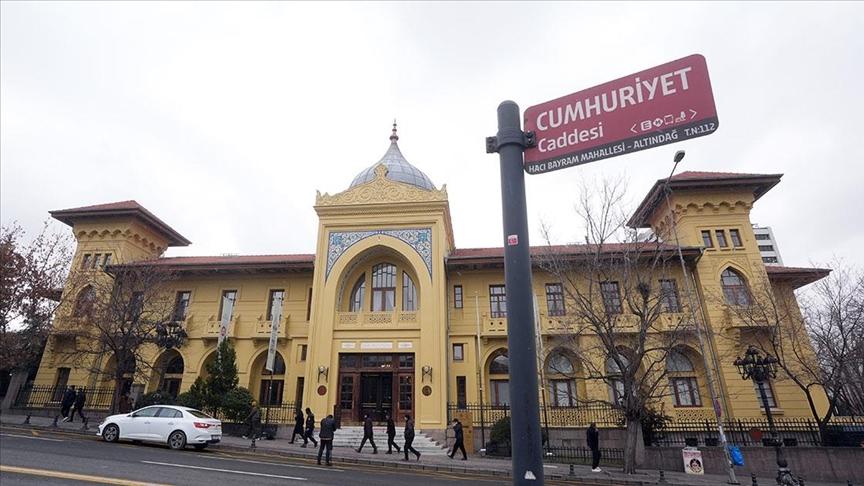
Ankara Palas
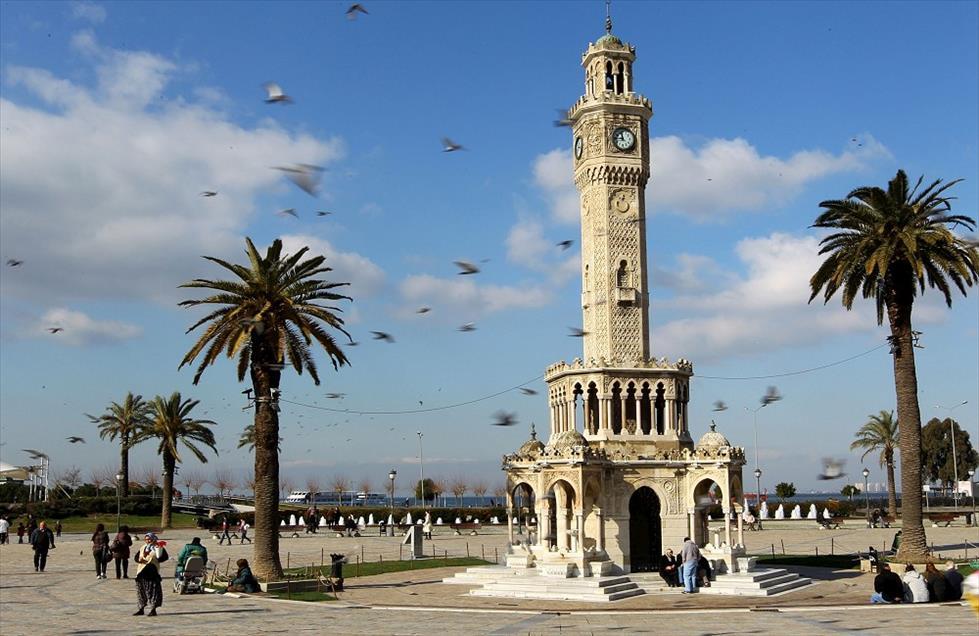
İzmit Clock Tower
Cemil Topuzlu Köşkü