




Astatine Element
Astatine is a rare and radioactive element with the symbol At and atomic number 85. It occurs in nature in extremely small quantities and has short-lived radioactive properties. It is difficult to observe and can only be studied in laboratory conditions.
(Generated by Artificial Intelligence.)
History
Astatine was first synthesized in 1940 by American chemists. Its name derives from the Greek word “astatos,” meaning “not stable,” due to its high radioactivity and rapid decay.
Physical Properties
Astatine has a metallic appearance, but its solid form is highly brittle. It has a high density and belongs chemically to the halogen group. Due to its extreme rarity in nature, information about its physical properties is limited.
Chemical Properties
Astatine is a member of the halogen group and is chemically reactive. It can react with oxygen and moisture in the air. Because of its radioactivity, it must be handled with great care in laboratory settings, and its compounds may be toxic.

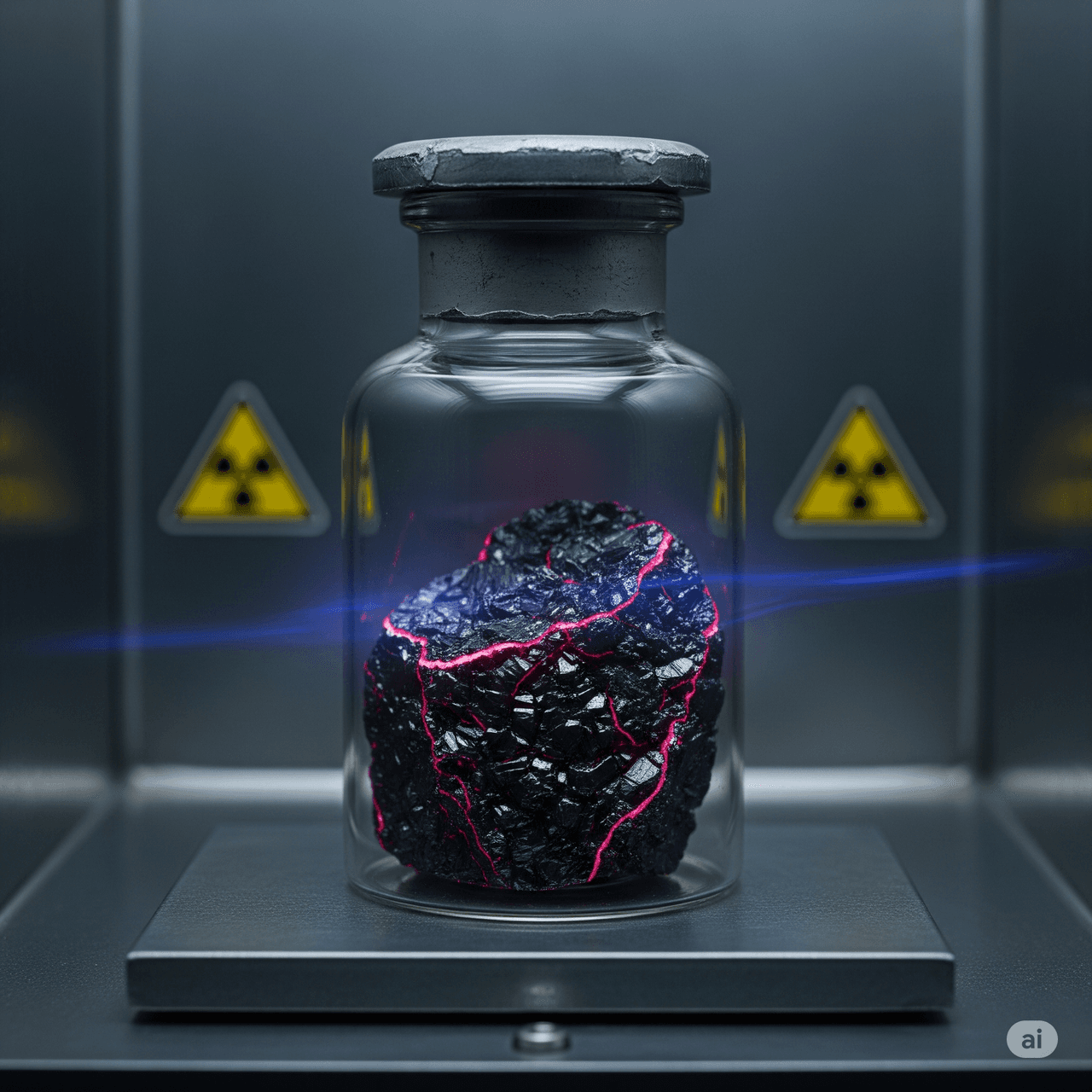
(Generated by Artificial Intelligence.)
Applications
Astatine is used in very limited and controlled applications. In medical research, particularly in cancer treatment and radioactive labeling, it is valuable in minute quantities. Its industrial use is negligible.
Natural Occurrence
Astatine occurs in trace amounts within uranium and thorium minerals. Due to its extreme rarity in nature, it is typically produced artificially in laboratories. This scarcity makes it a unique element in scientific research.
Scientific Significance and Future Perspectives
Astatine holds importance among radioactive elements for research purposes. It can be used in small quantities for cancer therapy and nuclear medicine applications. In the future, it is expected to gain greater value in medicine and science through controlled and safe usage methods.


