



Calculus: The Mathematics of Change
Have you ever wondered how fast a plant grows? Or how a car suddenly accelerates? All of these are related to “change.” Calculus is a branch of mathematics that helps us understand this change.
Calculus is used to explain the changes happening around us every day that we often do not notice. Scientists, engineers, and economists frequently use this subject. But it also has a place in your life! Let’s explore this fascinating world of mathematics together.

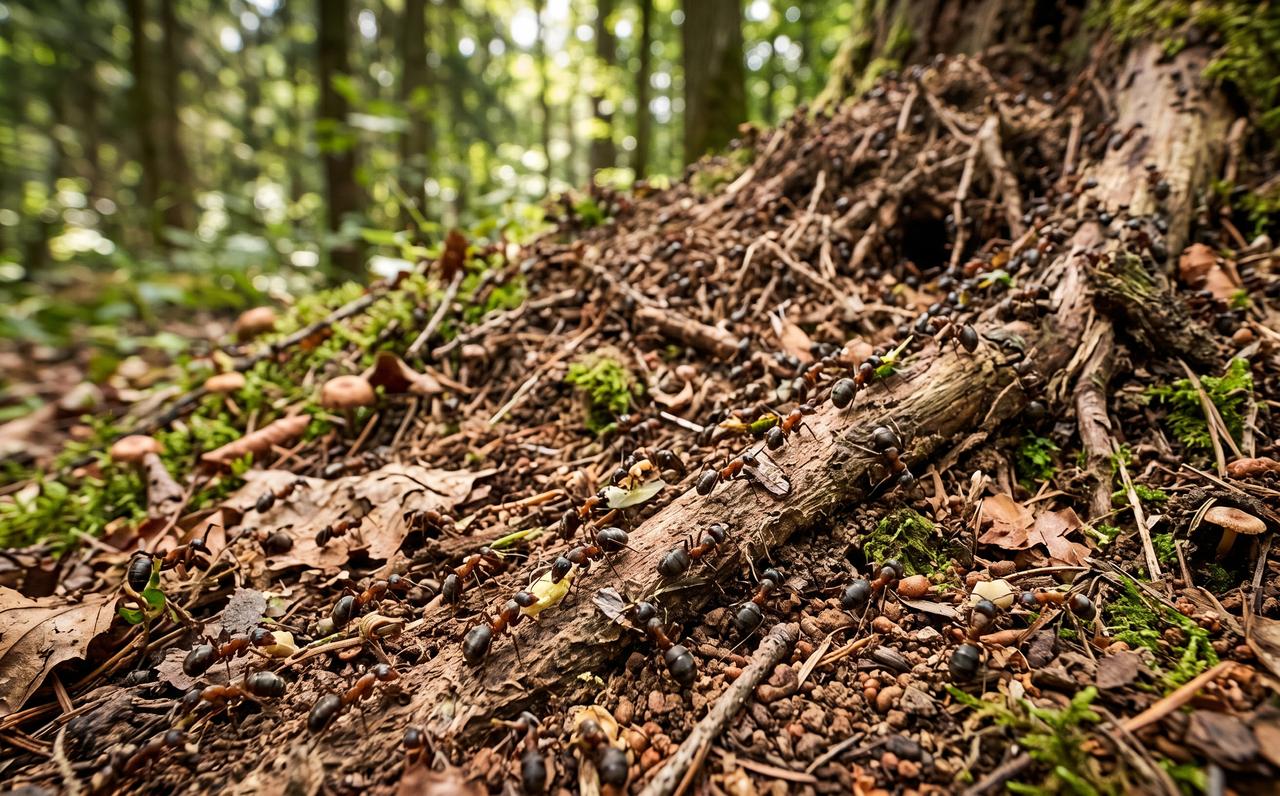
(Generated by Artificial Intelligence.)
What Is Change?
Change refers to something altering over time. For example, a flower you watered in the morning may have grown a little by evening. This is change in the flower.
Calculus does not ask “how much changed” but rather “how fast did it change.” It does not just look at whether something grew, but at the speed at which it grew.
Derivative: Instantaneous Change
When you throw a ball into the air, its speed changes continuously. It starts fast, slows down as it rises, and then begins to fall back down. To calculate this change in speed, we use the part of calculus called the “derivative.”
The derivative shows how fast something is changing at a precise moment—just like a car’s speedometer!
Integral: Adding Up Small Parts
If you know how far a car travels each second, you can calculate the total distance it covered during the entire journey. This process of adding up is called the “integral” in calculus.
The integral combines many small movements to give a total result—just like eating a cake slice by slice until you have finished the whole thing.
Where Is It Used?
-Scientists use calculus to understand the motion of planets.
-Engineers perform calculations to build stronger structures.
-Economists use calculus when analyzing ways to generate income.
-Doctors can even use this method to understand changes in heartbeats!
Time Travel
About 350 years ago, two scientists, Isaac Newton and Gottfried Leibniz, independently developed calculus. Since then, this branch of mathematics has been behind many groundbreaking discoveries in science!