


How Do Muscles Work?
Muscles are the tissues in our body that enable movement. Muscle function occurs through the contraction and relaxation of muscle fibers. This movement allows us to move our bones, gives shape to our body, and helps regulate the proper functioning of our internal organs.

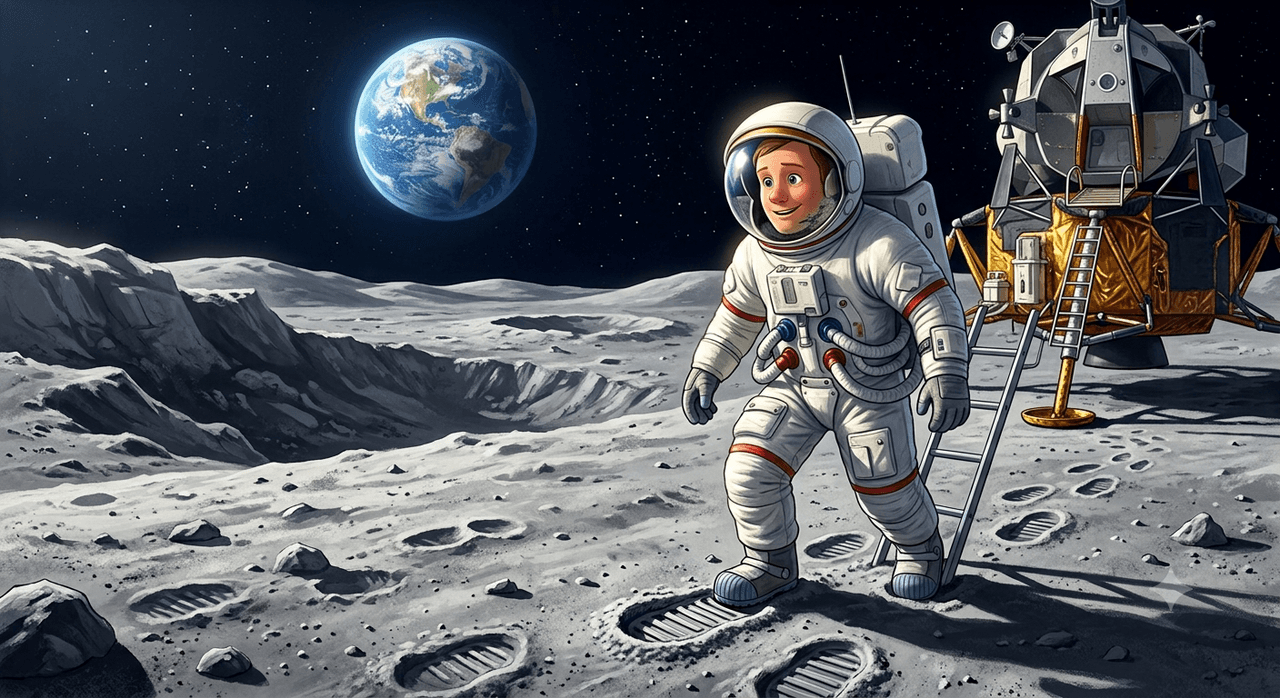
(Generated by Artificial Intelligence.)
The Basic Mechanism of Muscle Contraction
Muscle contraction occurs through the movement of two important proteins within muscle fibers: actin and myosin. These proteins slide over each other, causing the muscle to shorten. The energy molecule ATP is required for muscle contraction. Muscle cells use this molecule by producing energy. During contraction, these molecules must be continuously replenished so that the muscle can work powerfully and consistently.
Muscle Relaxation and Rest
Muscles do not only contract; they also relax. During relaxation, muscle fibers return to their original length and the muscle becomes at rest. For muscles to remain healthy, the cycle of contraction and relaxation must be balanced. During rest, muscles repair themselves and store energy. Prolonged contraction or excessive strain can lead to muscle fatigue and damage.
Voluntary and Involuntary Muscles
The muscles in our body are divided into two groups based on their control mechanism. Voluntary muscles, also known as striated muscles, are those we consciously control. These muscles are used in movements such as raising our arm or walking. Involuntary muscles operate without our conscious control. Smooth muscles are found in internal organs such as the stomach, intestines, and blood vessels, and contract and relax automatically. Cardiac muscle works continuously in a rhythmic pattern, performing its function without pause throughout our lifetime.
Communication Between the Nervous System and Muscles
For muscles to move, close cooperation with the nervous system is essential. Signals from the brain are transmitted to muscles through nerves. These signals trigger electrical impulses in muscle cells that initiate fiber contraction. Thanks to these commands from the nerves, our muscles move at the right time and in the correct manner. If there is a problem with the nerves, muscle function can be impaired.
Energy Sources of Muscles
Muscles require energy to function. This energy is produced in the body primarily from nutrients such as glucose and oxygen. Mitochondria within muscle cells use these substances to generate ATP. During exercise, muscles consume more energy and demand greater amounts of oxygen. If adequate nutrition and oxygen are not supplied, muscle fatigue and weakness can occur.
Muscle Contraction Speed and Endurance
The speed and endurance of muscle contraction vary depending on the type of muscle. For example, eye muscles can contract and move very rapidly. In contrast, cardiac muscle can work continuously and rhythmically for long periods. Some muscles require sudden, short bursts of strength, while others exhibit long-term endurance. These characteristics have evolved to suit the specific roles of each muscle in the body.
The Role and Importance of Muscles
Muscles do more than just enable movement. They also help maintain body temperature, as heat is released during muscle contraction. Muscles support posture and balance. Muscles surrounding our internal organs protect them and regulate their function. Muscles are one of the fundamental building blocks of the body and are essential for a healthy life.

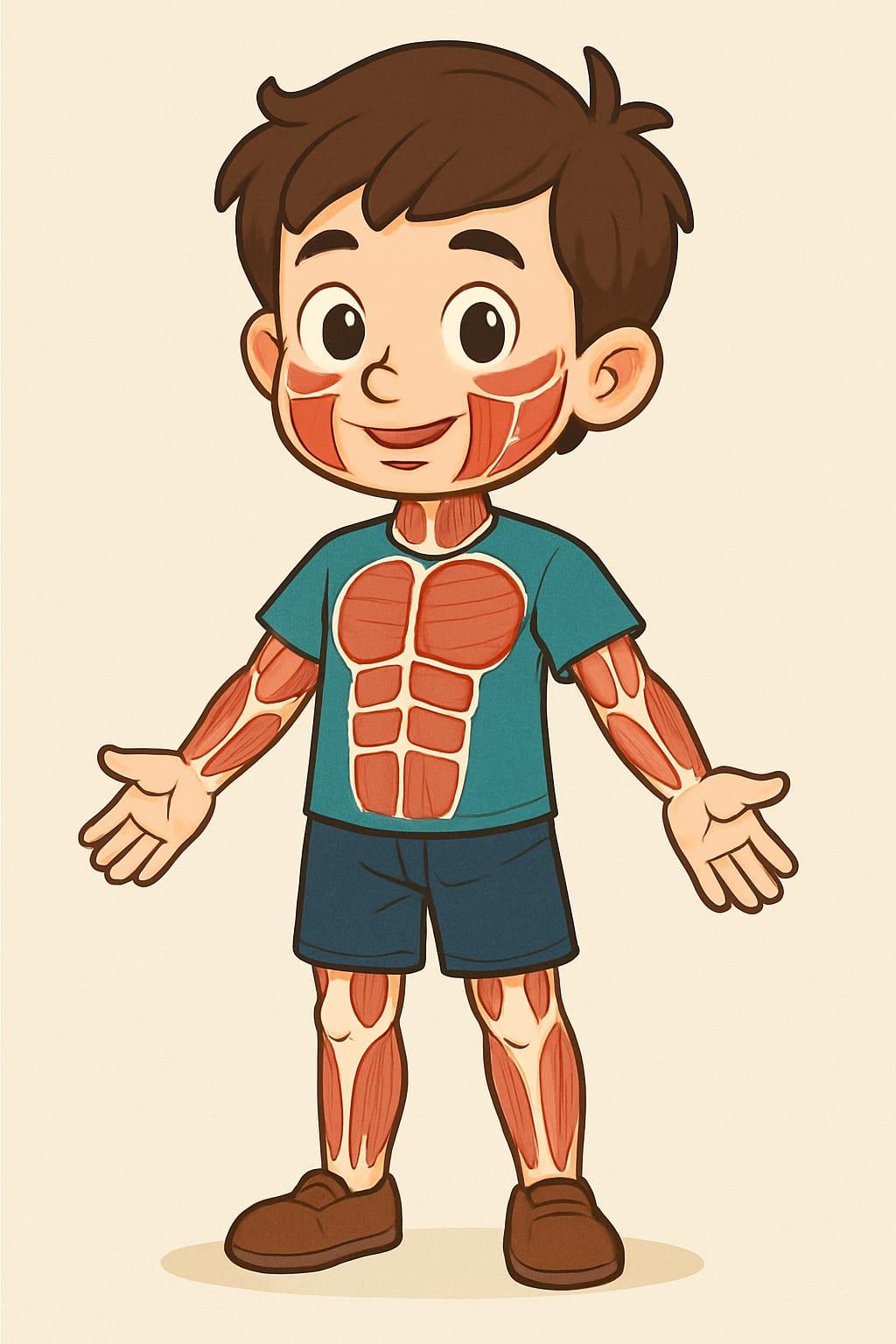
(Generated by Artificial Intelligence.)
Ways to Maintain Muscle Health
Regular exercise is essential for healthy muscle function. Exercise strengthens muscle fibers and increases endurance. Adequate intake of protein and vitamins is also necessary for muscle repair and growth. Sufficient rest and sleep allow muscles to regenerate. Inactivity and poor nutrition can lead to muscle weakness and pain. Therefore, attention to muscle health is crucial.