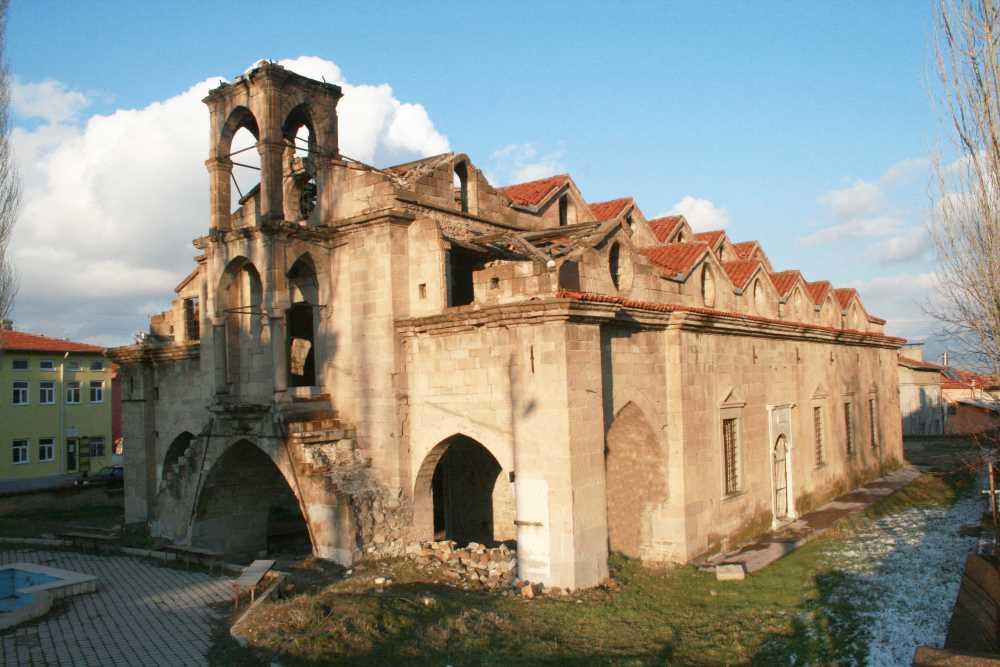




Isparta Aya Yorgi Kilisesi
The Church of Ayios Georgios in Isparta is also known as "Ishotya Church." This historical structure was built approximately 160 years ago, in the mid-19th century, by the Greek community living in Isparta. At the time, it served as a place where people gathered for worship and formed an essential part of their lives. Such structures built in earlier times provide us with valuable insights into the lifestyle and architecture of that era.
Isparta Ayios Georgios Church (Culture Portal)
🏛️ Why Is It Important?
The Church of Ayios Georgios is one of the structures that reflect Isparta’s historical and cultural richness. During its construction, it stood as evidence of people from different faiths living together and engaging in cultural exchange. Although it lost its congregation following the population exchange of 1922–1923, it still stands today as a link to the past. Preserving such buildings is vital for transmitting the lessons and cultural values of history to future generations.
🧱 What Is Its Architecture Like?
The Church of Ayios Georgios is a rectangular structure oriented east-west. It is divided into three main sections, known as naves, and ends in a semicircular or polygonal apse. This architectural style was commonly used in early Christian buildings.
The walls of the church are constructed from a local stone known as kövke. The inscription stone above the main entrance and the bell are currently preserved at the Isparta Museum. The roof is covered by a cross vault — a ceiling formed by intersecting arches.
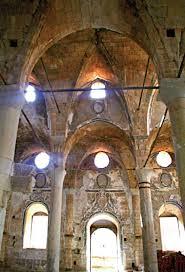
Isparta Ayios Georgios Church (Culture Portal)
⏳ A Journey Through Time
The Church of Ayios Georgios was constructed between approximately 1857 and 1860, which is about 165 years ago. After its completion, it served for many years as a place of worship for Isparta’s Christian community. Following the founding of the Republic of Türkiye and the population exchange agreement, the church was used for a time as a military storage facility, and in 1975 it was placed under protection. Today, plans are being considered to repurpose it as the Isparta Rose Museum.