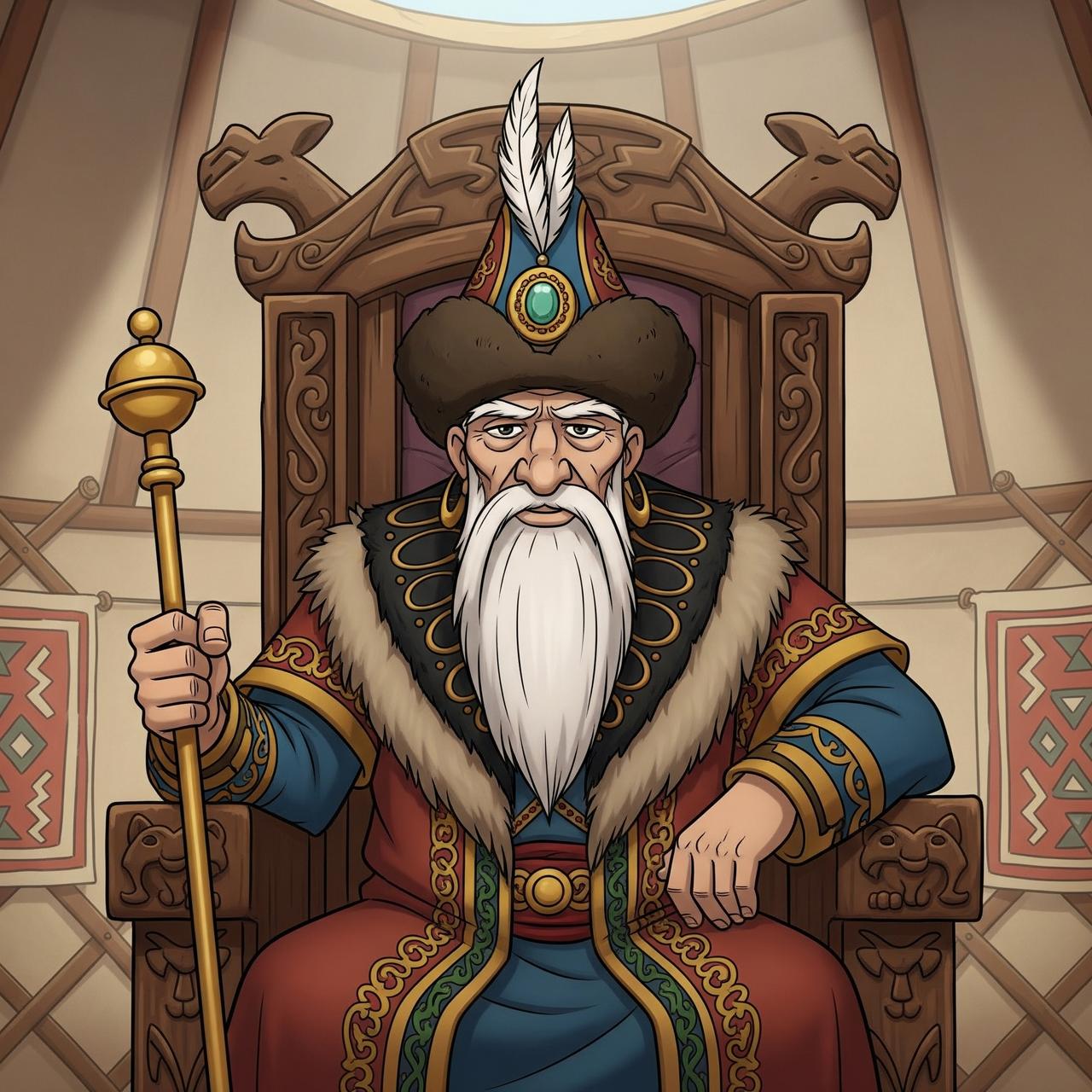




Ki-ok Kağan
Ki-ok
Ki-ok is an ancient Turkic khan whose name you may have encountered for the first time. The title "khan" in ancient Turkic societies meant "ruler" or "emperor." Ki-ok was one of the leaders who governed the Western Turkic Khaganate. His era coincided with the period when the Turkic peoples expanded across vast territories in Central Asia and established major states.
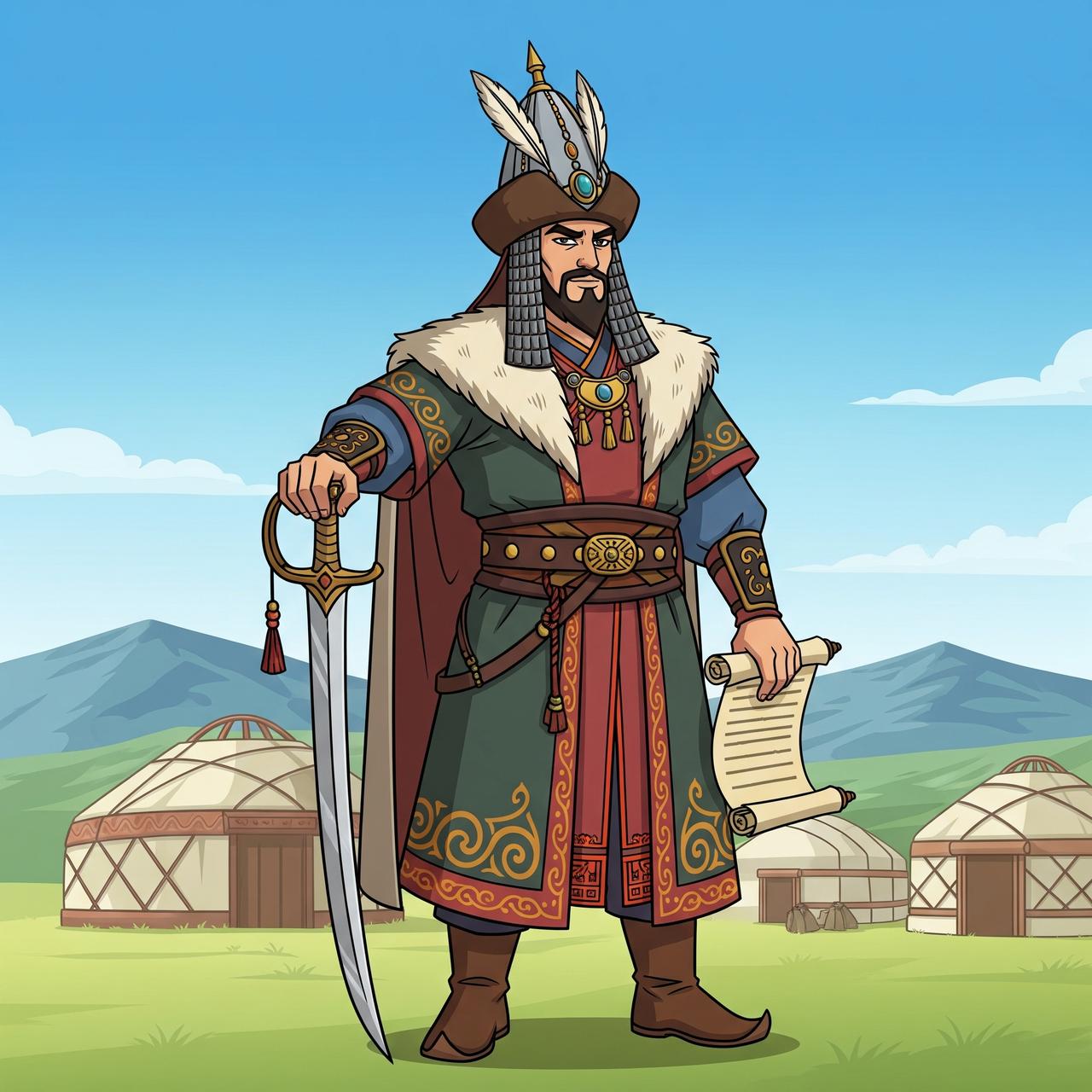
(Generated by artificial intelligence)
What Is the Western Turkic Khaganate?
The Turkic Khaganate was one of the most significant Turkic states in history. It was established approximately 1500 years ago. Over time it grew so large that it was divided into two parts to facilitate governance: the Eastern Turkic Khaganate and the Western Turkic Khaganate. Ki-ok was one of the rulers who governed the western territories of this state. These territories encompassed a vast region corresponding to today’s countries of Kazakhstan, Kyrgyzstan and Uzbekistan.
Ki-ok’s Reign
When Ki-ok ascended the Western Turkic throne, the state was experiencing internal turmoil. At that time, being a ruler meant not only administering the country but also uniting various tribes and defending the state against external threats. Sources indicate that Ki-ok’s reign was not long. He lived around the late 6th century, roughly 1400 years ago. His rule coincided with a period when the Western Turkic Khaganate was weakened by internal strife.
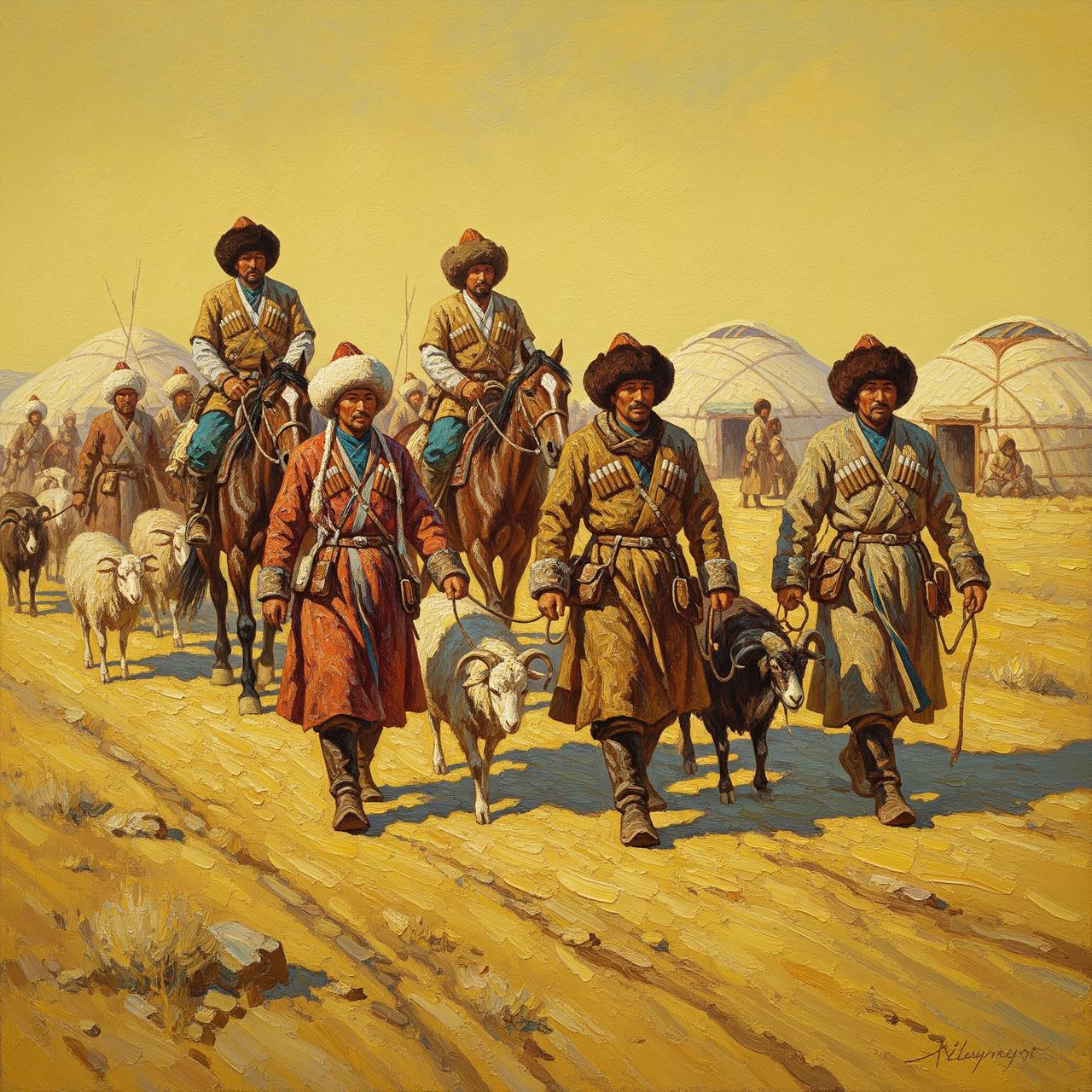
(Generated by artificial intelligence)
Time Travel: The Turkic Khaganate and Its Neighbors
During Ki-ok’s time, the Turkic Khaganate shared borders with China, one of the most powerful states in the world. Relations between the two empires alternated between trade and friendship on one hand, and disputes and warfare on the other. Khans like Ki-ok were responsible for governing their own people while striving to maintain a balance in relations with powerful neighbors such as China. The events of his era helped shape the subsequent history of later Turkic states.
Ki-ok was a Turkic khan who ruled during a difficult period of the Western Turkic Khaganate. His brief reign forms part of the Turkic Khaganate’s history marked by internal conflicts.