



Mercury Element
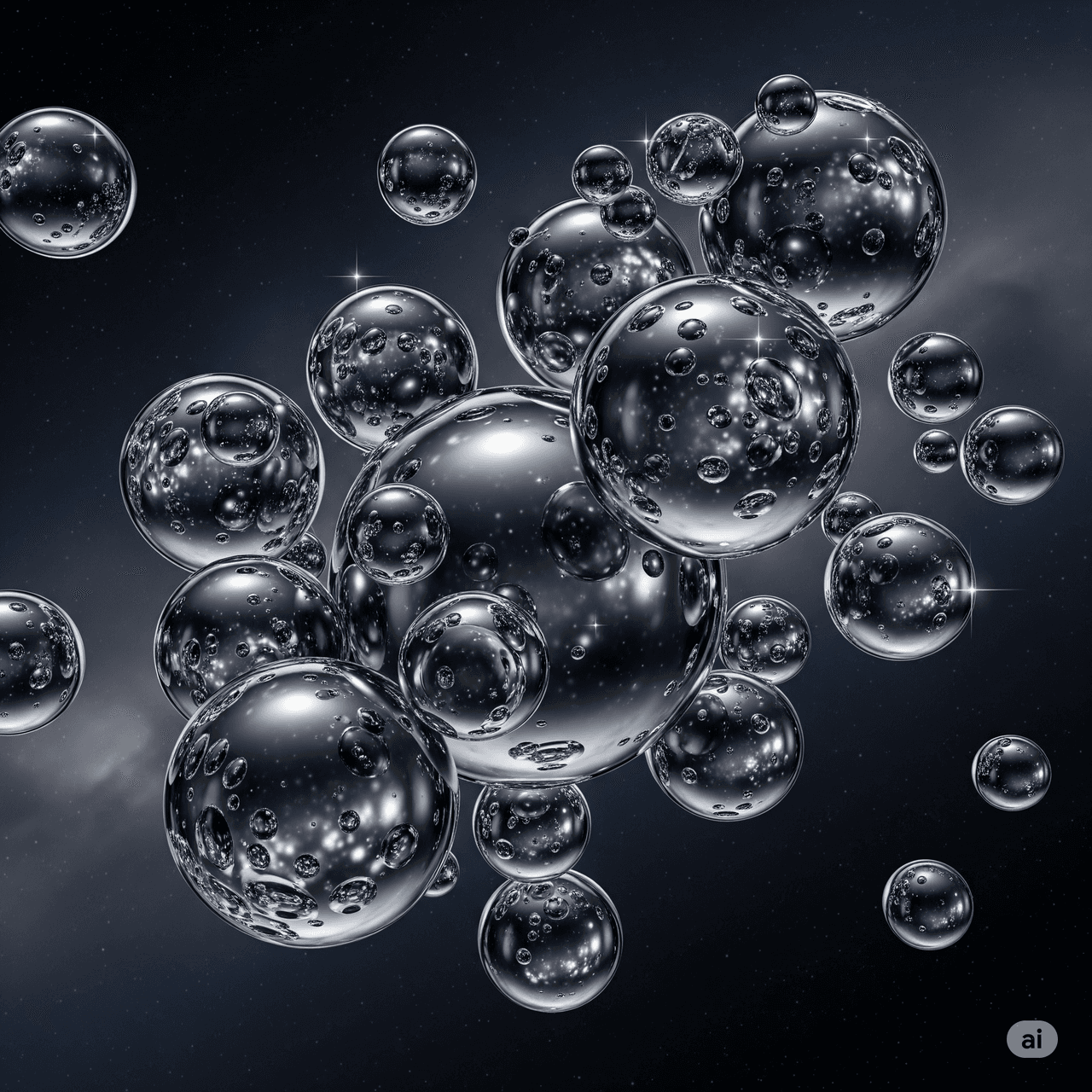
Mercury is a metal with the symbol Hg and atomic number 80. Its properties are quite distinct from those of other metals: it exists in liquid form even at room temperature. For this reason it is known as a “liquid metal.” It has a bright silvery appearance and is a very dense element.

(Generated by Artificial Intelligence.)
History
Mercury has been known to humanity for thousands of years. In ancient times it was used in medicine and alchemical studies. Ancient civilizations used mercury in certain medicines and metal treatments despite its toxicity.
Physical Properties
Mercury differs from other metals by being liquid at room temperature. It has a shiny silvery color and high density, allowing it to move easily in droplet form over surfaces. It solidifies and becomes solid at low temperatures.
Chemical Properties
Mercury can dissolve certain metals and is chemically quite reactive. Mercury compounds can be toxic and require careful handling for environmental and health safety. For this reason it is handled in laboratories and industry with special precautions.
Applications
Mercury was historically used in thermometers barometers electrical switches and fluorescent lamps. Today it is still used in some technological devices and specialized laboratory applications. However its use has been reduced due to health risks.
Natural Occurrence
Mercury is most commonly found in the form of the mineral cinnabar mercury sulfide. It is extracted through mining and purified through specialized processes. Due to its rarity in nature it is a valuable element that requires careful processing.
Harmful Effects of Mercury
Mercury is a shiny silvery metal but is highly harmful to human health. Contact with inhalation or ingestion of this substance is dangerous to the human body. Mercury can damage the brain heart kidneys and nervous system. In children it can negatively affect learning speech and motor skills. When released into the environment it contaminates water and fish. Therefore it is essential to avoid contact with mercury and use it only safely in scientific research.
Science and Future Perspective
Mercury remains a subject of research in chemistry and physics. Due to its toxic properties safe handling methods are being developed. Scientists are exploring ways to use mercury in safer and more environmentally friendly applications. Mercury is both an intriguing and a cautionary element in the scientific world.