



Şanlıurfa Archaeological Museum
Şanlıurfa Archaeology Museum 🏛️
The Şanlıurfa Archaeology Museum is a massive structure housing tens of thousands of artifacts spanning tens of thousands of years, and is recognized as the largest museum in Türkiye. With its rich collection spanning the Paleolithic, Neolithic, Chalcolithic, Bronze, Iron, and Hellenistic periods, the museum provides significant insights into the lifestyles, beliefs, and cultural developments of ancient civilizations. Visitors can explore the region’s extensive heritage, stretching from prehistoric times to the present, through the artifacts on display.
Sections of the Museum
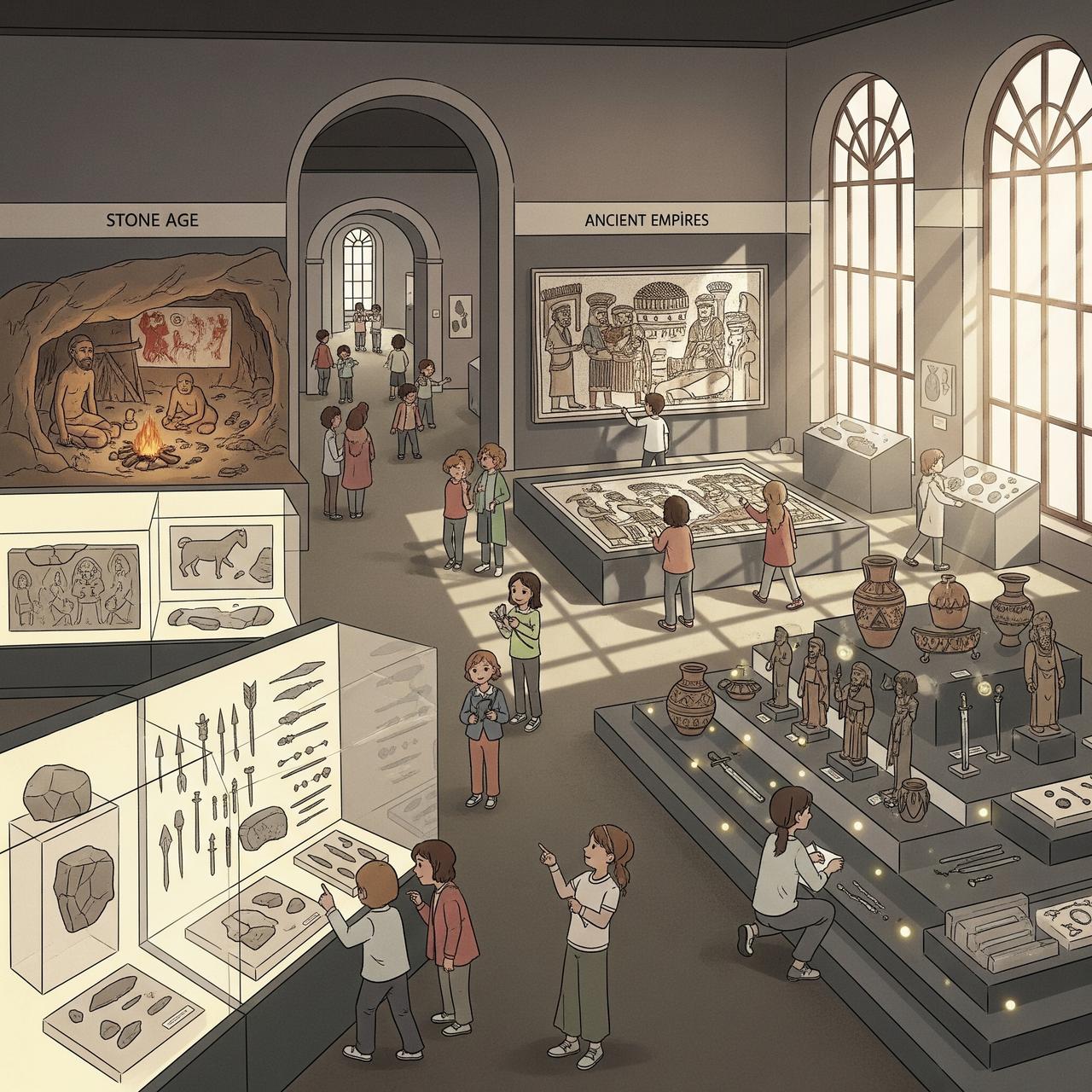
The museum consists of chronological galleries organized according to historical periods, offering visitors an immersive journey through time. The Neolithic Period gallery, in particular, stands out for its vivid reconstruction of humanity’s transition to settled life. This section displays dioramas and artifacts reflecting daily life from that era.
Key Artifacts and Discoveries
Among the most remarkable artifacts in the museum’s collection are those excavated from Göbeklitepe and Nevali Çori, two of the world’s oldest known temples. A replica of the T-shaped standing stones from Göbeklitepe is exhibited here. Fragments of temples recovered from Nevali Çori have been transported intact to the museum and meticulously reconstructed.
One of the museum’s most significant artifacts is the sculpture known as the Urfa Man. Standing approximately 1.80 meters tall, it is regarded as the oldest life-sized human statue ever discovered. The eyes of this artifact, made of obsidian (volcanic glass), date back around 11,000 years.