


To throw mud
Have you ever heard someone described as having done something they never did, or being blamed for it? In such situations, our elders use the idiom “çamur atmak” deyimini. This idiom means to portray someone as guilty of something they did not do.
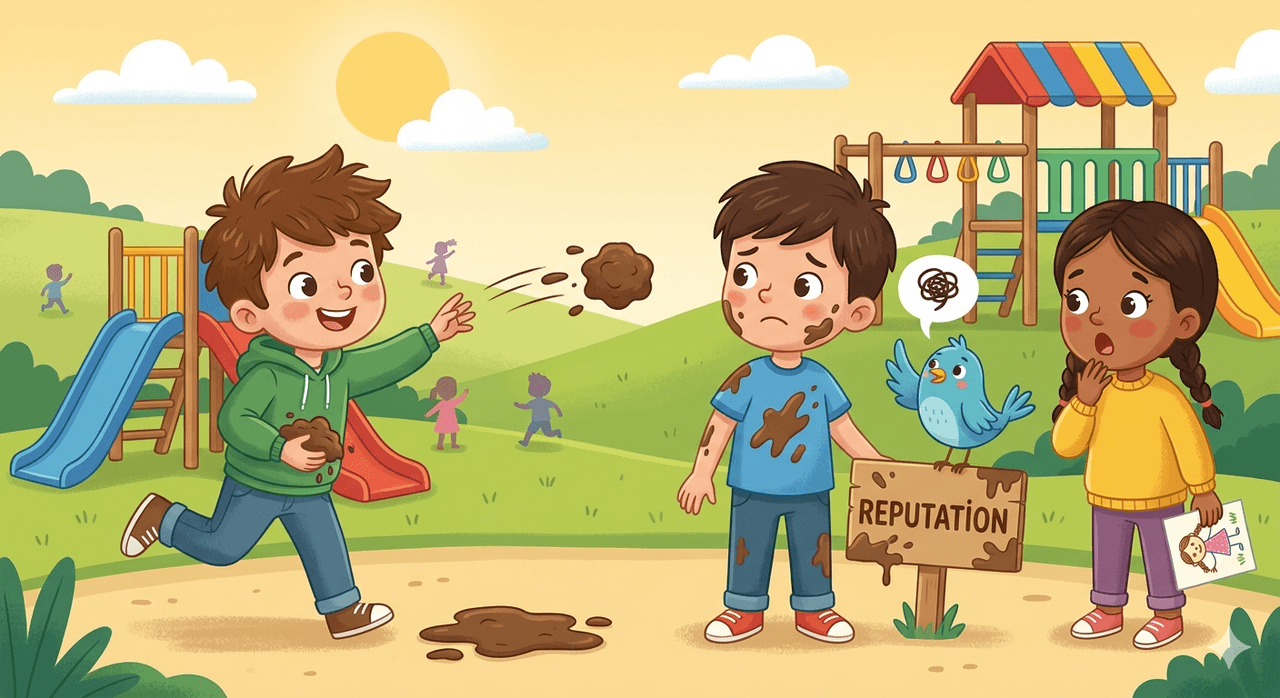
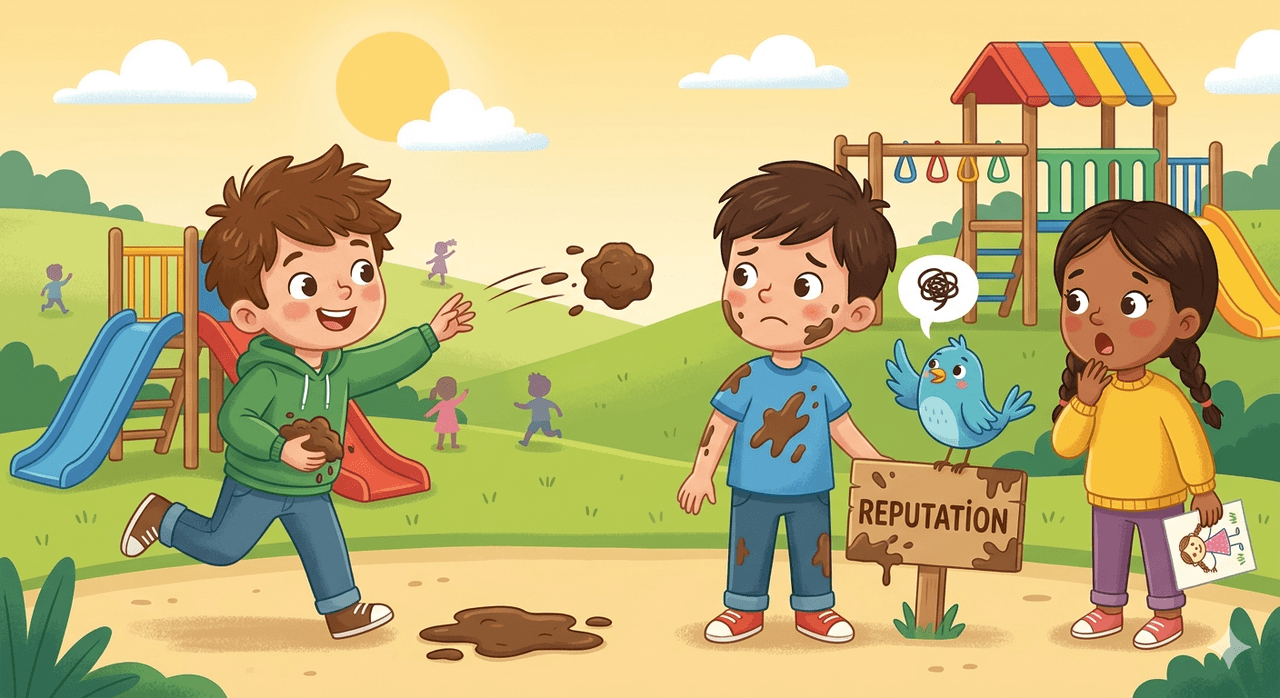
Generated by Artificial Intelligence
What Does Çamur Atmak Mean?
Çamur atmak does not mean literally picking up mud and throwing it at someone. It is a fixed expression meaning to portray someone as involved in something bad, to falsely accuse them, or to kara çalmak. In other words, it refers to attempting to unjustly tarnish someone’s reputation.
When we use this idiom, we mean that someone’s spotless reputation is being dirtied as if by mud. When mud is thrown at a person, they are falsely accused of something they did not do. Has anyone ever had mud splashed on them? Mud is sticky and leaves stains wherever it lands. Similarly, çamur atmak means saying false things or iftira atmaya to make others see someone in a bad light, even though we know they are innocent.
This behavior unfairly puts the other person in a difficult position. Just as real mud leaves a stain, false and malicious statements can leave a lasting negative impression in people’s minds about that person.
Usage in Songs and Daily Life
Idioms do not appear only in books—they also surface in our daily lives and in the music we listen to. For example, the famous rapper Sagopa Kajmer used this idiom in one of his songs to describe how he is subjected to unfair criticism. In rap music, this expression is often chosen to strongly criticize someone or to highlight injustices.
You may also recognize when someone is “throwing mud” during play or at school—if you see a child falsely accusing a friend to a teacher. Being honest means not blaming someone for something they did not do. Our language sometimes uses powerful metaphors like this to describe complex situations. Instead of simply saying “you are lying,” when we say “you are throwing mud,” we better convey how damaging and contaminating such behavior is.
Have you ever witnessed someone saying untrue things behind a friend’s back? In such moments, this idiom holds up a mirror to show us just how wrong the action is. Understanding these rich expressions in our language allows us to view events from different perspectives.
Why Should We Avoid This Behavior?
The most important thing that strengthens our friendships is trust. Çamur atmak, or iftira etmek, deeply hurts the person and destroys the sense of trust between them and others. Always telling the truth and refraining from speaking about events when we are not certain makes us better people.