



What Is Amber?
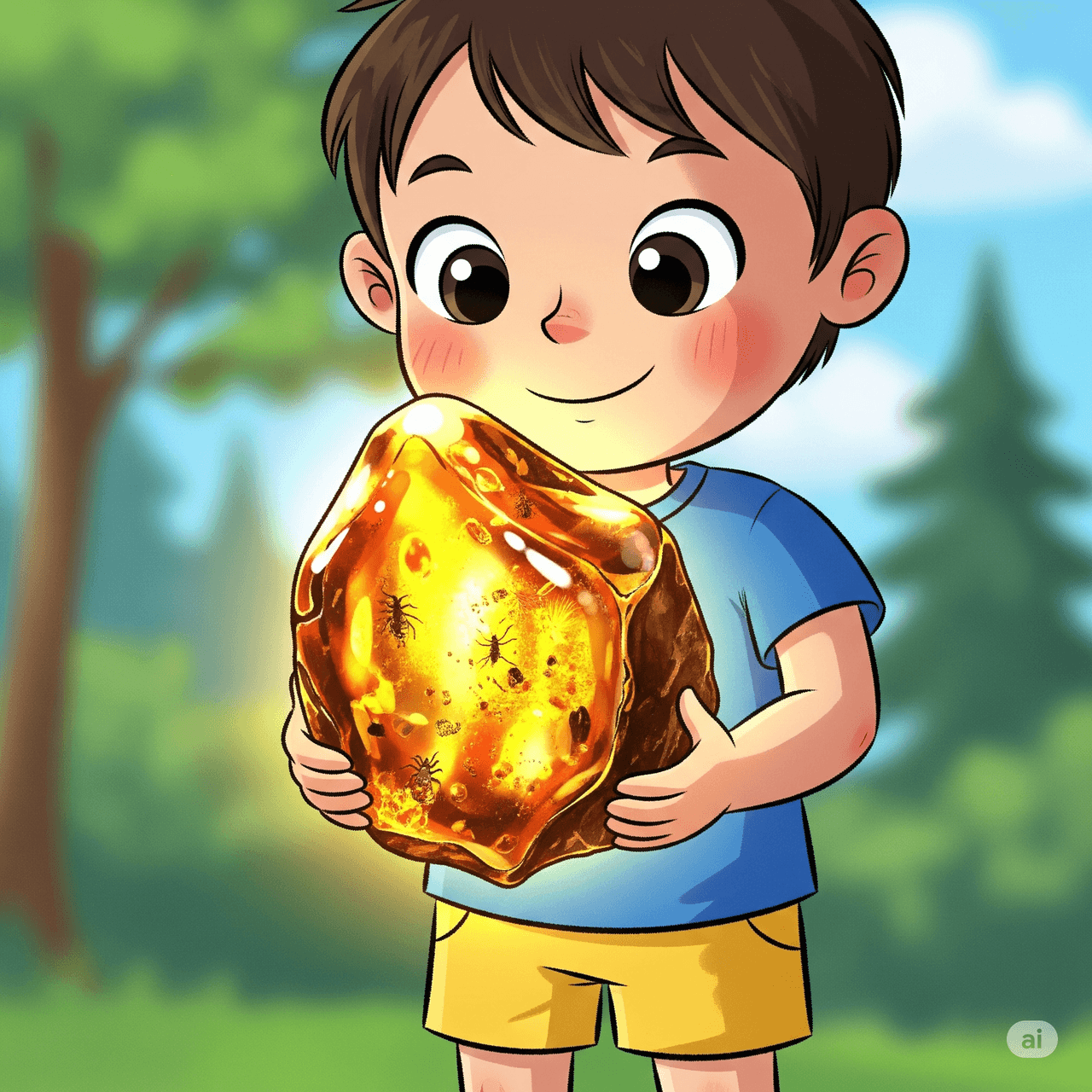
Amber is a natural substance formed over time as sticky resin from ancient trees hardened and fossilized. Although it resembles stone, it is of plant origin and sometimes contains fossils such as insects or leaves.

(Generated by Artificial Intelligence.)
What Kind of Stone Is Amber?
Amber is a natural, glossy substance formed over millions of years as resin from ancient trees hardened and fossilized. Its color is typically yellow, orange, or brown. Although it appears like a stone, it is of plant origin.
What Is Found Inside Amber?
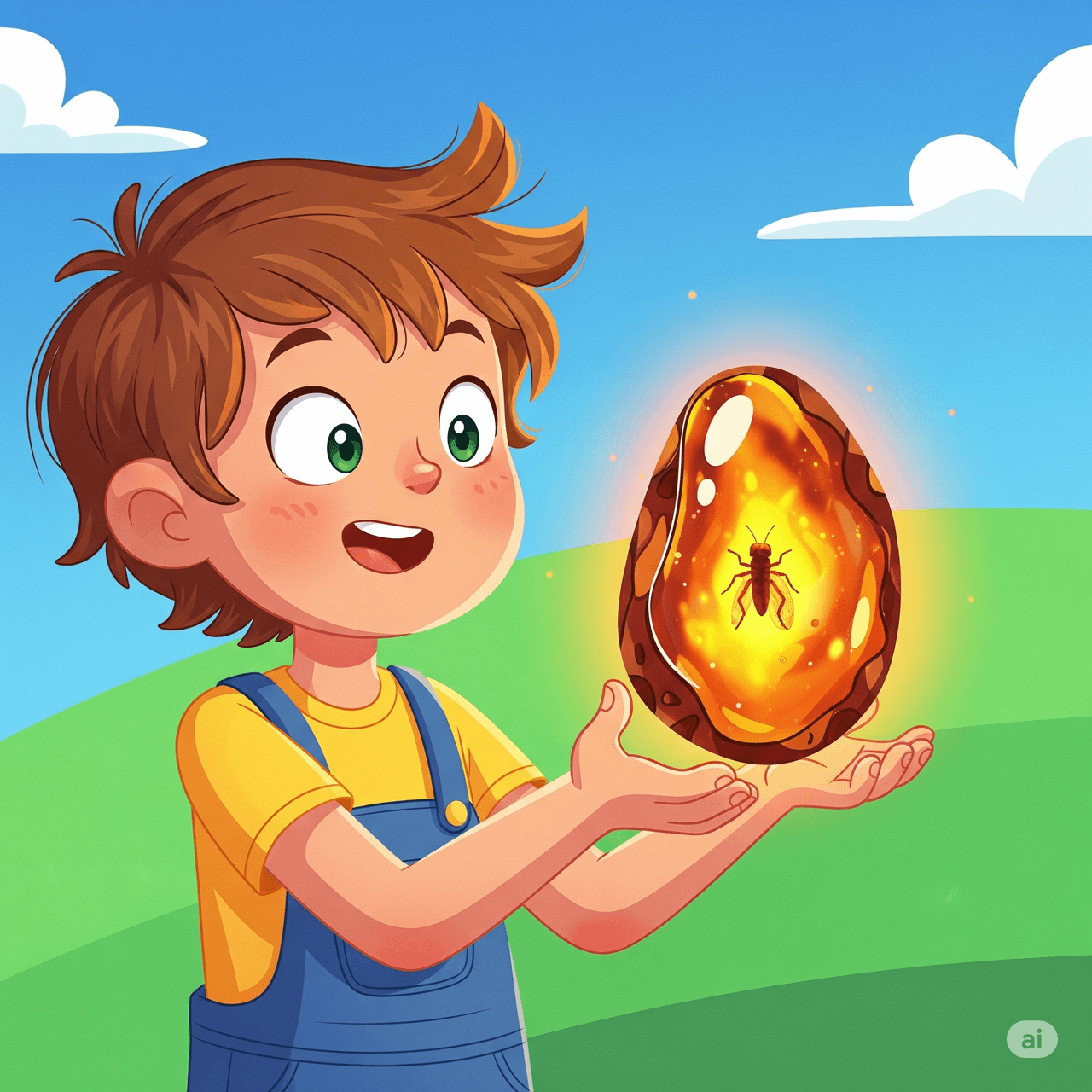
Resin is very sticky, so amber sometimes traps insects, leaves, or even small flower fragments within it. These remain exceptionally well preserved inside the amber for millions of years.

(Generated by Artificial Intelligence.)
Remains Inside Amber
Amber stones sometimes contain fossils of ancient insects, plant fragments, or small animal remains. These remains were preserved when organisms became trapped in the resin before it began to fossilize. This makes amber scientifically invaluable, as the fossilized contents provide information about ancient ecosystems and life forms. Such fossils act like time capsules for paleontologists, helping them understand past biological diversity.
Where Is It Found and How Is It Used?
Amber is found in many parts of the world, particularly in Turkey’s Black Sea region (for example, around Sürmene and Artvin). Since ancient times, humans have used amber for jewelry, decorative objects, and occasionally for medicinal purposes.
Colors and Varieties
The most common colors of amber are yellow, golden, and brown. However, some types of amber can rarely appear in green, blue, or red tones. These colors vary depending on the specific organic compounds present in the resin. For instance, blue amber forms due to certain chemical compounds and is very rare. The darker the color of an amber stone, the more valuable it is considered. In addition, air bubbles, fractures, and included organic materials within the stone also enhance amber’s beauty and value.
Why Is It Important?
Amber is not only a natural stone but also holds significant cultural and scientific value. Its natural beauty and colors have been used by artists for centuries in jewelry and sculpture. Amber is also of great importance from a natural history perspective, as its fossilized contents allow us to understand ancient biological diversity. Throughout the world, amber has also symbolized luck, protection, and health in many cultures. Both aesthetically and historically, amber continues to be an important natural treasure for humanity.