



What Is Mythology?
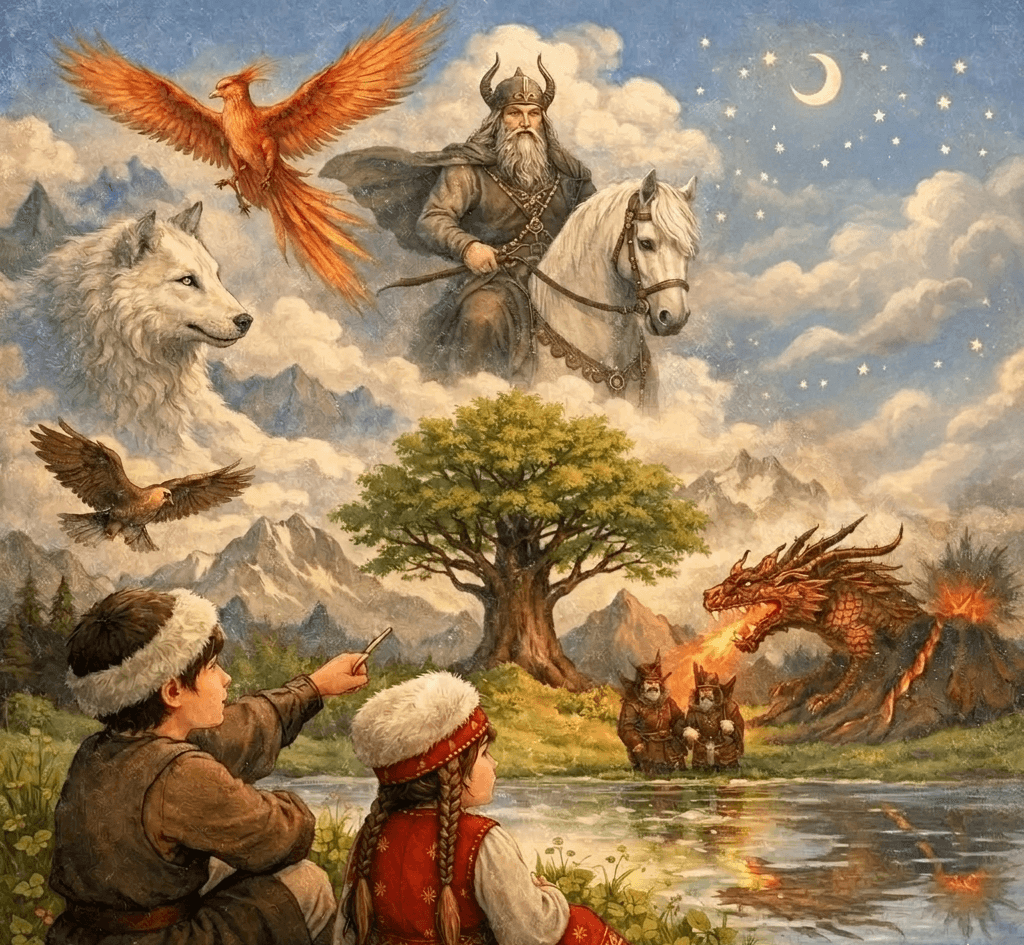
Mythology consists of stories that describe the beliefs, gods, heroes, and natural phenomena of ancient societies. Myths are not merely products of imagination; they guide people in understanding the world, life, and social order.
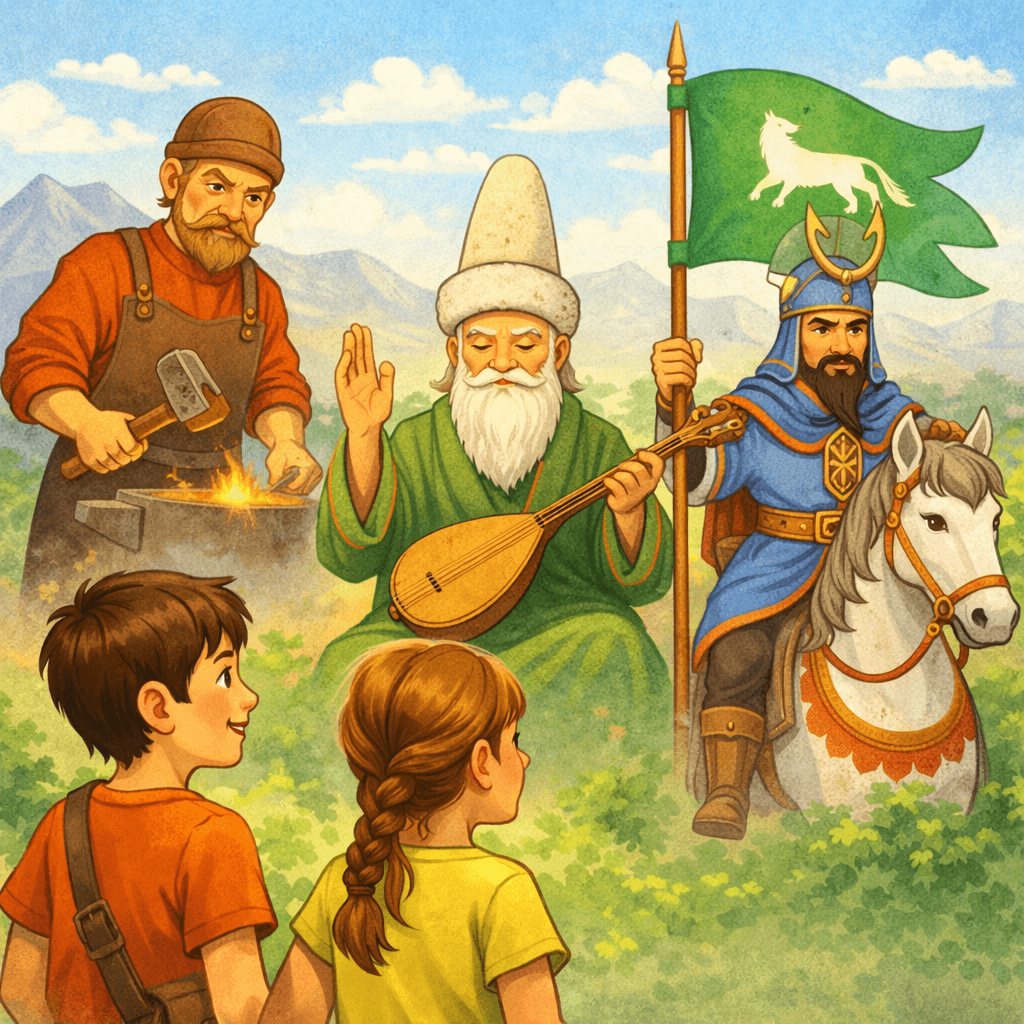
(Generated by artificial intelligence)
Mythology develops children’s imagination and helps them understand different cultures. Reading myths provides knowledge about history and society.
Functions of Mythology
Myths answer questions such as “How was the world created? Where did humans come from? When will the world end?” They also explain social rules and ways of life.
Heroes serve as ideal models, teaching values such as courage, wisdom, and proper conduct.
The Importance of Mythology for Children
Mythological narratives do not merely encourage children to read or listen; they also inspire them to think, imagine, and create their own stories, games, or drawings.
Develops Imagination
Mythology is filled with ancient heroes and magical events. These stories help children explore their own imaginative worlds and construct diverse adventures.
Inspires Creation of Their Own Stories
Mythological heroes and events provide children with ideas when writing stories, drawing pictures, or designing games.
Connects Adventures to the Real World
Through heroes and extraordinary events, children can blend their fantasies with real-life experiences to create their own small adventures.
Introduces Different Cultures
Myths show children the beliefs, traditions, and values of ancient societies, contributing to their understanding of global cultures.
Teaches Connection to the Past
Through myths, children learn to connect with history, understanding how and why events unfolded.
Turkish Mythology
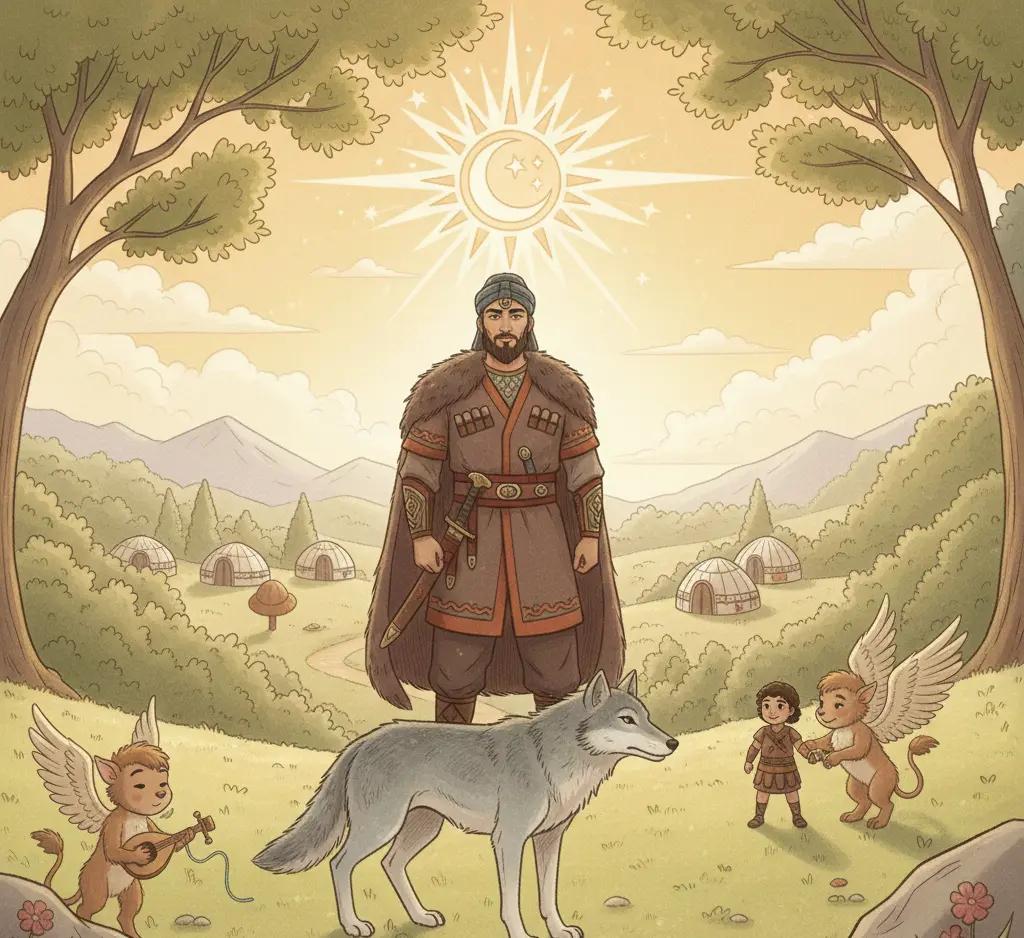
(Generated by artificial intelligence)
Turkish mythology encompasses the legends and epics of ancient Turkic communities. Oğuz Kağan, Alp Er Tunga, and Dede Korkut are important heroes.
Wisdom is highly valued. Wise individuals use their knowledge for the benefit of society. In the Ergenekon Epic, the master blacksmith serves as a guiding sage, while in the Oğuz Kağan Epic, Uluğ Türk embodies the wise guide.
In Turkish mythology, natural and animal motifs such as the wolf, deer, eagle, tree, and hailstone hold significant importance. The concept of Gök Tanrı is central to Turkish mythology.
Mythologies Around the World
Mythology has been created by different societies across the world. Each culture has its own gods, heroes, and legends, reflecting its beliefs and values.
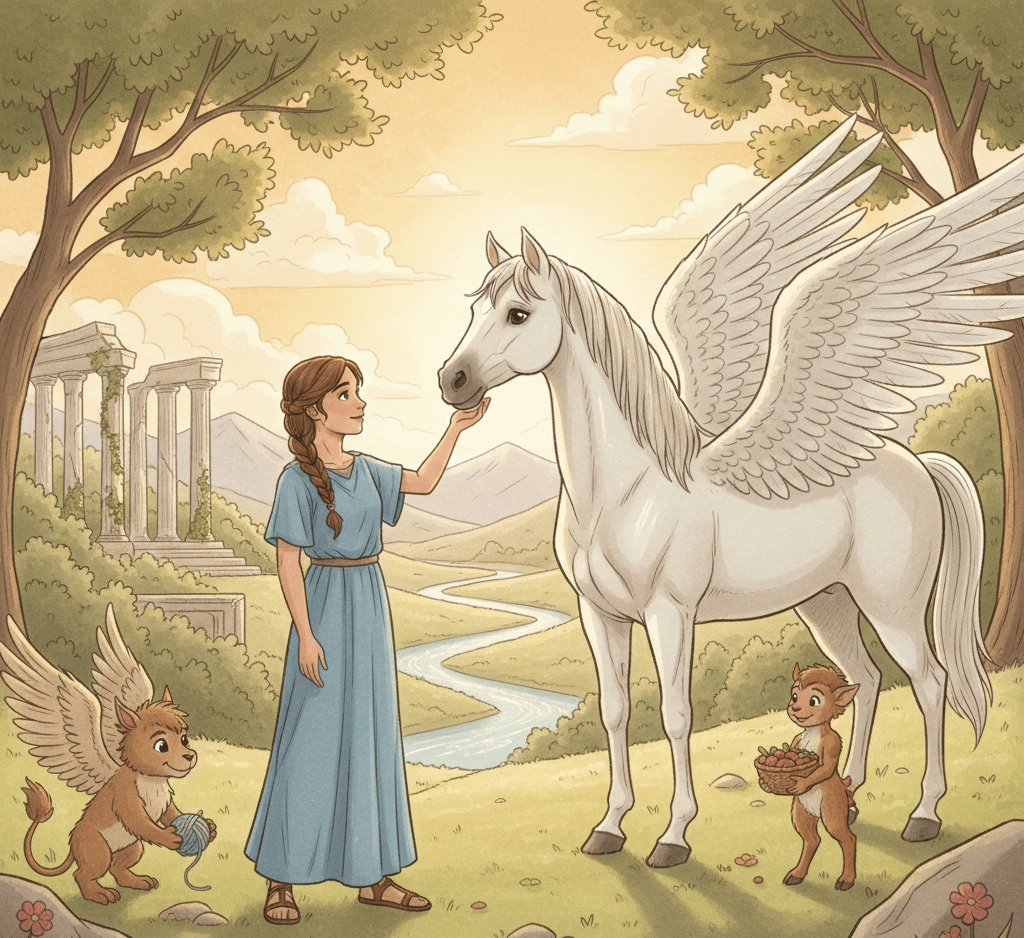
(Generated by artificial intelligence)
Some examples include:
- Greek Mythology: Stories revolve around gods and heroes. Heracles is a powerful hero, while Hypnos is the god of sleep.
- Chinese Mythology: The universe was created by a being named Pangu. Yin and Yang represent the harmony of opposing forces in nature. Dragons protect nature and the heavens.
- Persian Mythology: Good and evil forces are in constant struggle. Rostam is a courageous hero, while Zahhak symbolizes evil. The Simurgh and Huma birds represent wisdom and goodness.