



What is Sel?
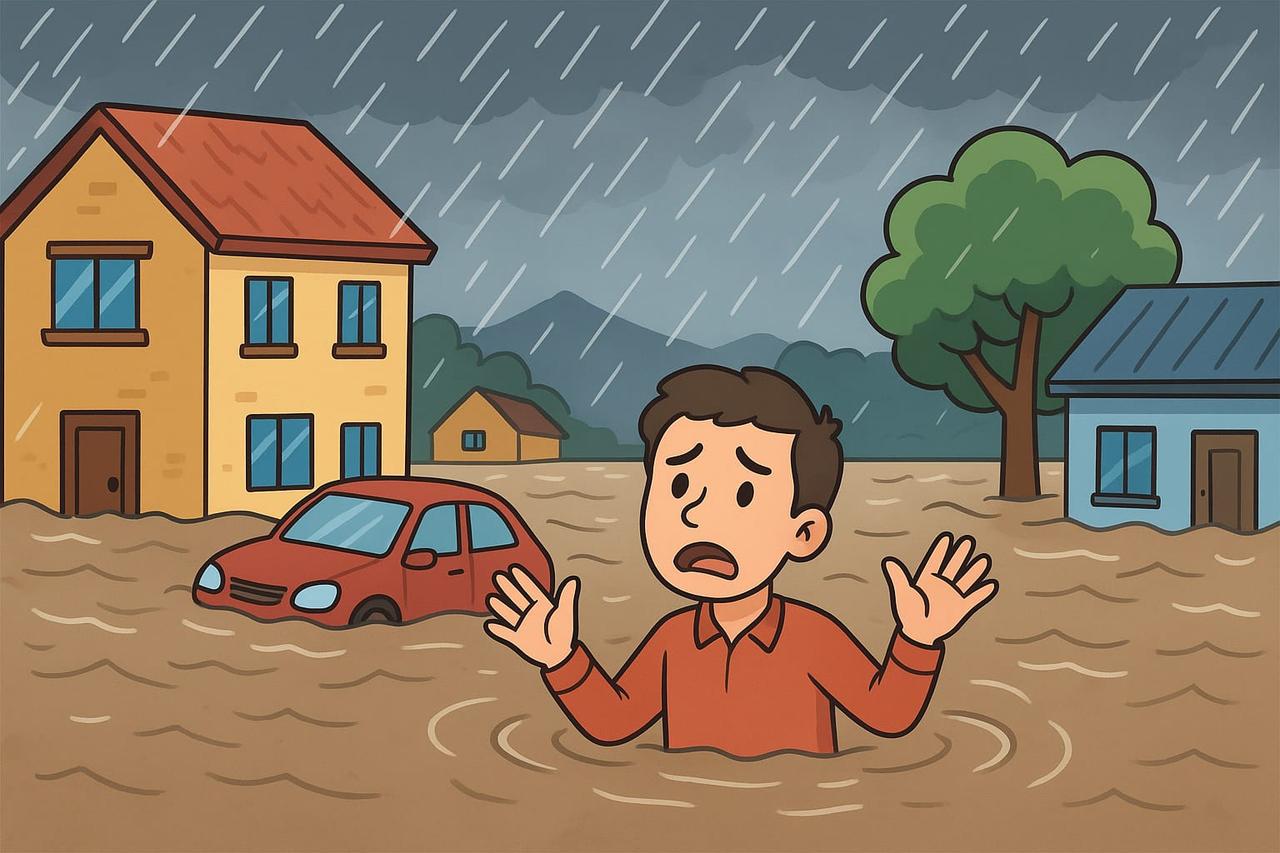
Flood, typically caused by excessive rainfall over a short period, rapid snowmelt, or dam overflows, results in the inundation of dry land and inhabited areas with water. This phenomenon leads to sudden and uncontrolled flows of water in regions that are normally dry. Floods are recognized as natural disasters and can negatively impact both human life and the environment. Due to the force and speed of floodwaters, they threaten homes, roads, agricultural land, and living organisms.

(Generated by Artificial Intelligence.)
Formation of Floods
There are generally three main causes of flood formation: intense rainfall, snowmelt, and dam overflows. During heavy precipitation, the soil cannot absorb water quickly enough, leading to surface water accumulation. When snow melts rapidly during spring months, the resulting volume of water significantly increases flood risk. Additionally, when dams or reservoirs become overfilled with excess water, they can overflow, causing sudden releases that generate floods. All these events result in uncontrolled water flow and the inundation of surrounding areas.
Types of Floods
Flood events can occur in various forms. Flash floods are sudden surges of water that develop rapidly over a small area. River floods arise from prolonged rainfall causing rivers to overflow their banks. Overflow floods typically occur when water levels along rivers or reservoirs rise excessively and spill into adjacent areas. In urban settings, inadequate infrastructure can lead to sewage system blockages during heavy rainfall, resulting in urban flooding.
Causes of Floods
The primary causes of floods are intense and sustained rainfall. When rainwater is not absorbed by the soil, it remains on the surface and flows rapidly. Additionally, rapid snowmelt leads to sudden surges of large volumes of water. Environmental factors such as human alteration of natural water pathways, deforestation, and urbanization hinder water absorption by the soil. Overfilling of dams or structural failures can also cause uncontrolled water releases.
Effects of Floods
Floods cause extensive damage in populated areas. Homes, roads, and bridges may be submerged and rendered unusable. When agricultural land is inundated, crops are damaged and harvest losses occur. Floodwaters can destroy power lines and other infrastructure, making life more difficult. During floods, both humans and animals may lose their lives. Natural habitats are damaged and ecosystem balance can be disrupted.

(Generated by Artificial Intelligence.)
Aftermath of Floods
After a flood, affected regions face numerous challenges. Once waters recede, soil erosion and mud deposits remain. Significant damage is evident in homes, businesses, and roads, and repairs can take a long time. Moreover, the dirty and contaminated water left behind by floods can lead to the spread of diseases. Clean water and food aid are essential to ensure public safety. Recovery and preventive measures are also undertaken to mitigate damage caused by floods.
Protection Against Floods
Both individual and community-level measures must be taken to protect against floods. Weather forecasts and warnings should be regularly monitored. Sandbags can be placed around homes and workplaces. Settlements should be restricted from riverbeds and high-risk zones. During a flood, moving to higher ground and cutting off electricity and gas connections can save lives. After a flood, contact with floodwater must be avoided and caution must be exercised until clean water is available.
Flood Warning Systems
In areas with high flood risk, early warning systems are in place. These systems measure rainfall amounts and monitor water levels. When a risk is detected, authorities issue warnings to the public through loudspeakers, SMS messages, and other communication methods. This allows people to prepare to protect their homes and workplaces or evacuate to safe areas. Early warning systems are crucial for reducing damage caused by floods.
Floods and Climate Change
Climate change globally is increasing the frequency and intensity of flood events. Rising temperatures lead to higher moisture levels in the atmosphere, resulting in more frequent and intense rainfall. At the same time, snowmelt periods are shortened and snow melts more rapidly. These conditions heighten flood risk. Combating climate change and protecting nature are vital steps in reducing the damage caused by disasters such as floods.
Historical Examples of Floods
Many major flood disasters have occurred in Türkiye and around the world. For example, in 2020, flood disasters in several regions of Türkiye resulted in numerous fatalities and significant material damage. Globally, major floods have affected millions of people. These events demonstrate the severity of floods and the importance of taking preventive measures.