

What is the Bağlama?
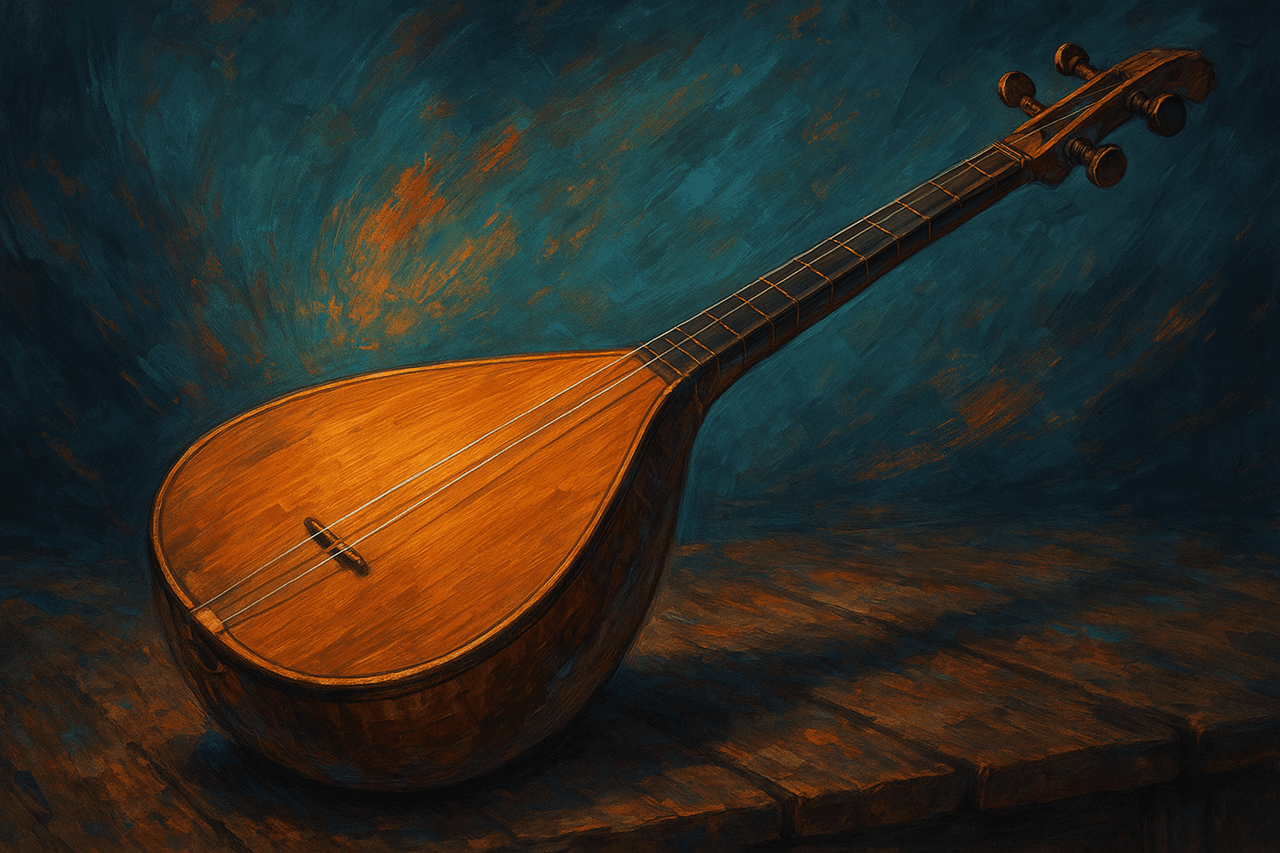
The bağlama is one of the most renowned musical instruments of Anatolia. It has a long neck, a rounded body, and consists of three main groups of strings. It is also commonly known among the people as “saz.” For thousands of years, it has carried the joys, sorrows, loves, and stories of the Anatolian people. You may encounter it at a village wedding, on a holiday morning, or within the melody of a folk song.
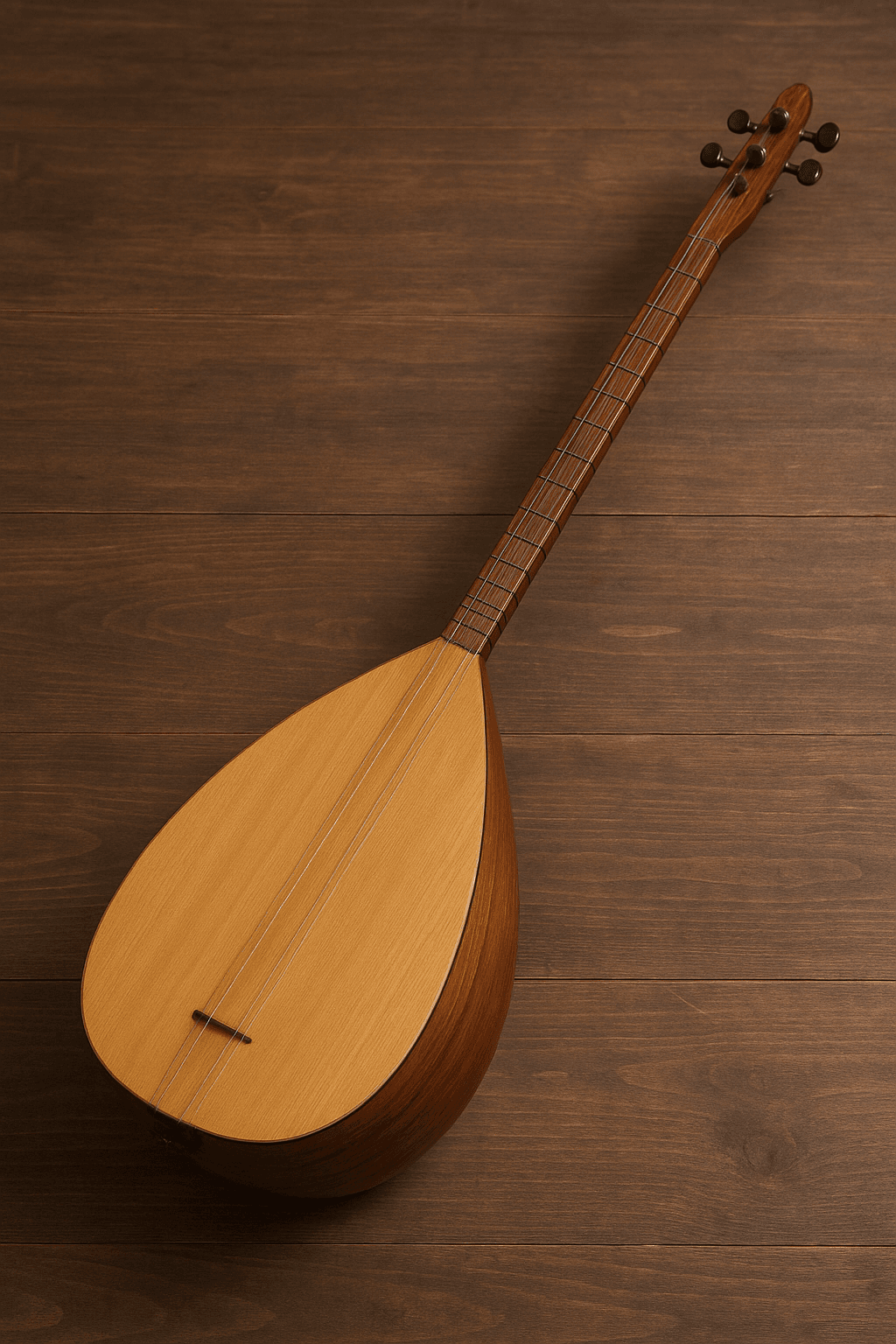
Bağlama (Generated by Artificial Intelligence.)
Its Place in Our Culture
In the past, minstrels in village squares would sing epics accompanied by their bağlamas, while listeners would join in both the music and the stories being told. Today, the sound of the bağlama can still be heard in both folk music and modern arrangements. Thus, the bağlama serves as a bridge connecting the past to the future.
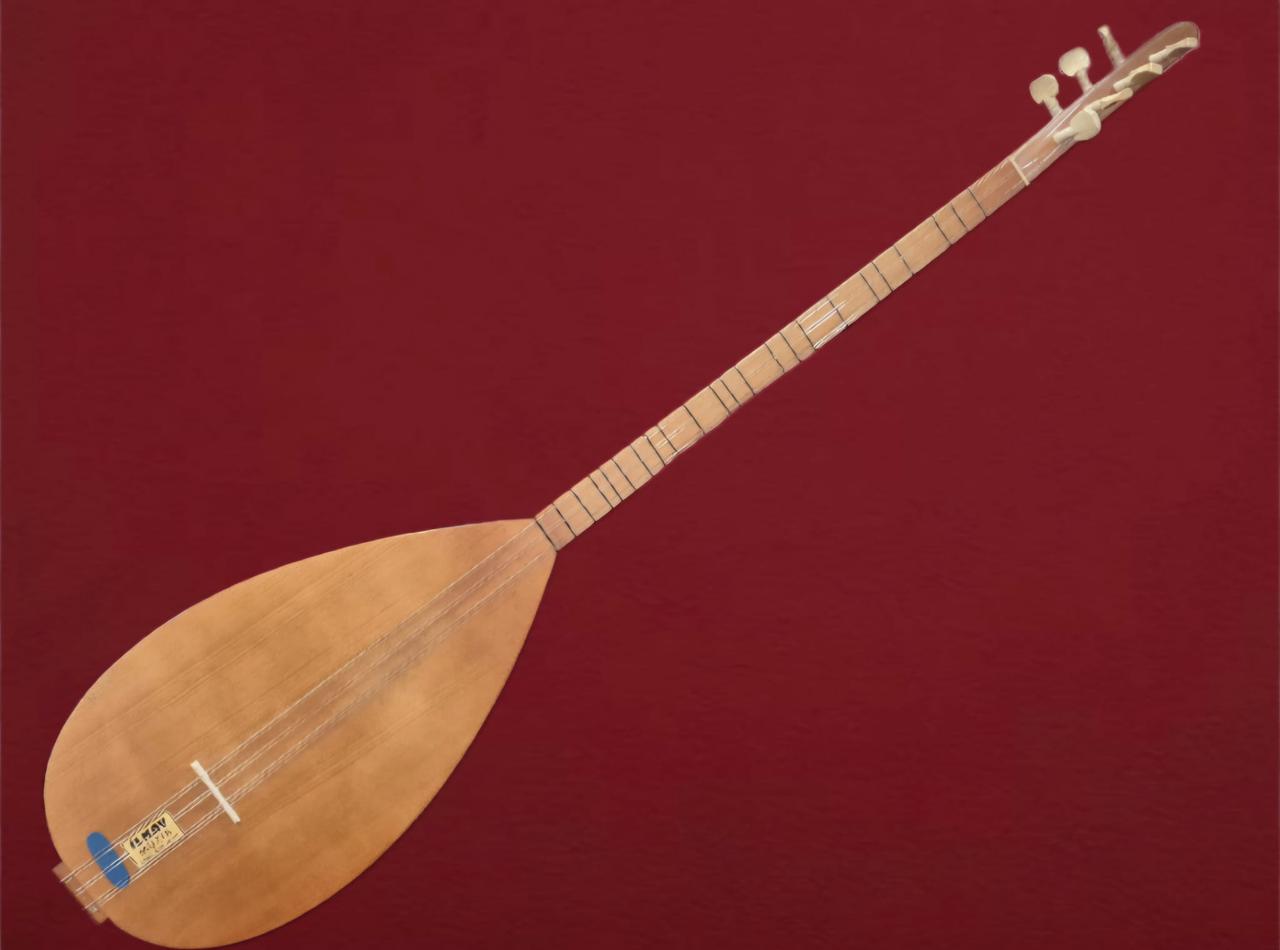
Bağlama (Photo: Mehtap Pamuk.)
The Sound of the Bağlama
Have you ever heard the sound of the bağlama? The warm and deep resonance emerging from its strings penetrates the soul. It seems to convey so much without uttering a word. In earlier times, people in Anatolia used this stringed instrument to express their emotions and enrich evening conversations in their villages. The bağlama has long been a faithful companion carrying stories through generations.

Aşık Veysel (Generated by Artificial Intelligence.)
Most Famous Bağlama Artists
Many master artists come to mind when the bağlama is mentioned. One of the most celebrated is Neşet Ertaş, known as the “Voice of the Steppe.” This great minstrel from Kırşehir has been beloved across every corner of Türkiye for his folk songs and mastery of the saz.
Aşık Veysel is another master whose voice through the bağlama touched the hearts of millions. His song “Uzun İnce Bir Yoldayım” remains unforgettable to this day. Arif Sağ has made significant contributions to the development of the bağlama both as a performer and as a teacher.
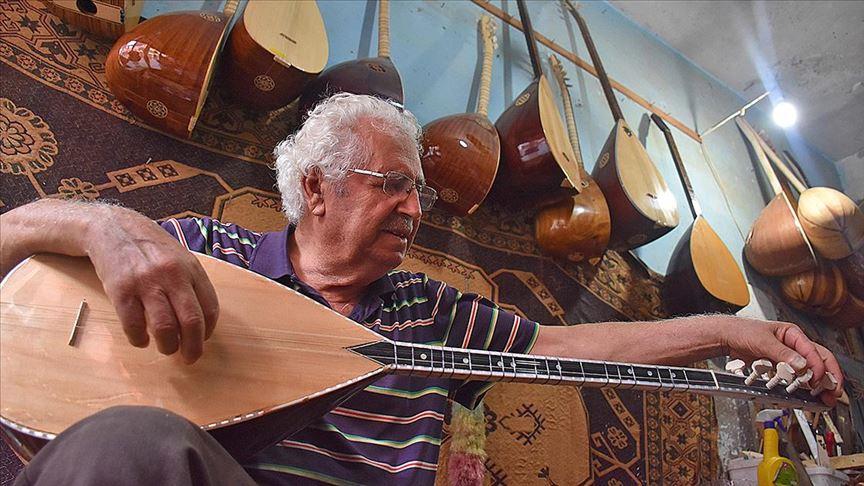
Saz Craftsmaster (Anadolu Agency)
How Is the Bağlama Made?
Required Components
A long wooden body, thin frets (which change the note when pressed), metal or nylon strings, and a neck.
Manufacturing Steps
The body is prepared: A sturdy and resonant wood is selected.
The neck is attached: Mounted onto the body to allow tensioning of the strings.
The frets are installed: Each fret produces a different note when the strings are pressed.
The bağlama takes its final form: The strings are tuned and finely adjusted until it is ready.