



Why Do We Yawn?
Last Updated: 05.02.2026
Share
Yawning is the involuntary wide opening of the mouth, a deep inhalation of air into the lungs, followed by exhalation. This intriguing behavior is not unique to humans; lions, dogs, fish and even bird hatchlings still inside their eggs yawn!

Generated by Artificial Intelligence.
What Do Scientists Say?
Experiments and Theories
It was once believed that yawning occurred to bring more oxygen into the body. However, when scientists observed that people continued to yawn even in rooms with abundant oxygen, they launched new investigations:
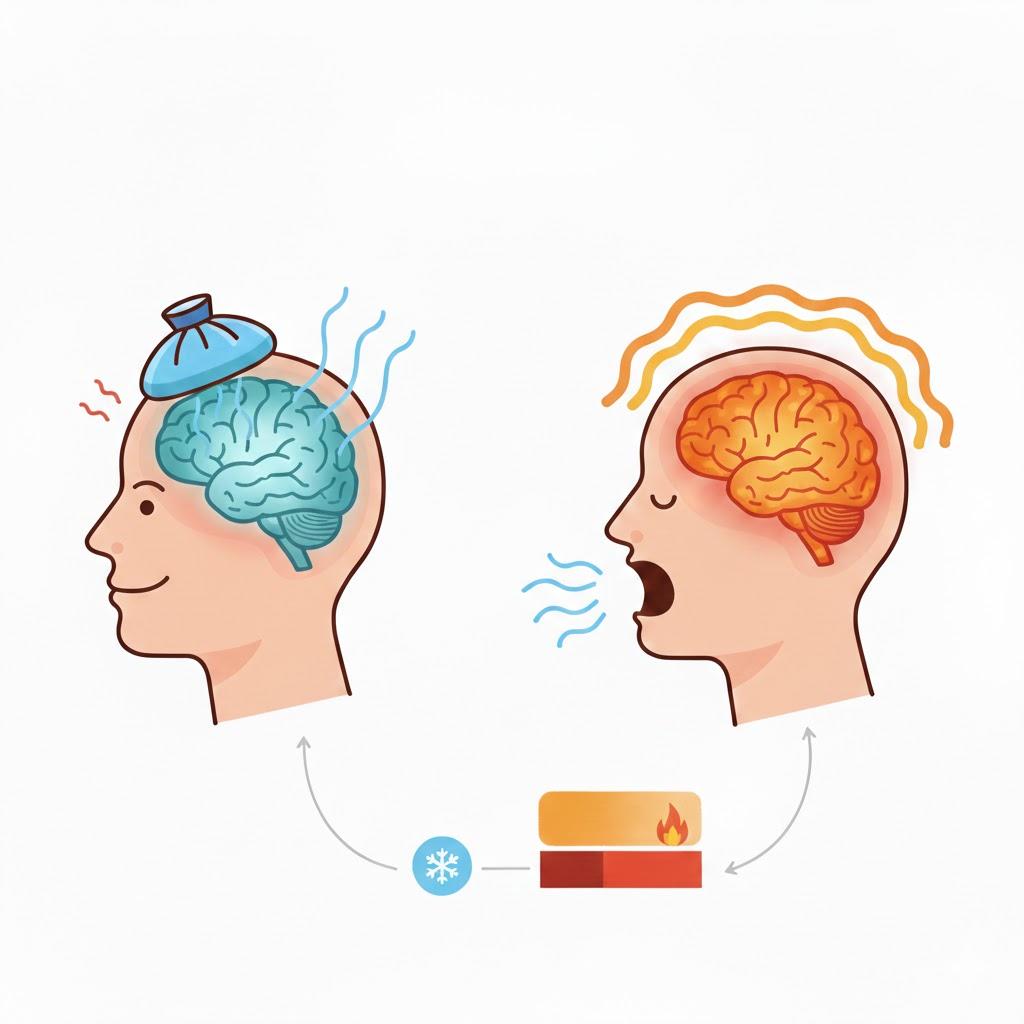
- The Radiator Effect (Brain Cooling): Just like a computer, our brain heats up as it works. In one experiment, people who had ice packs placed on their heads cooled down and yawned significantly less than those in warm environments. This suggests that yawning acts like a “cooling system” to keep our brain at its optimal operating temperature.
- Preparation Command: Yawning when we wake up in the morning or just before taking an exam is no coincidence. The yawning motion stretches facial and neck muscles, increasing blood flow to the brain. This sends a signal to the body: “Wake up and focus!”
- Lung Maintenance: Yawning also helps maintain the flexibility and health of tissues inside the lungs.
Generated by Artificial Intelligence.
Why Is Yawning Contagious?
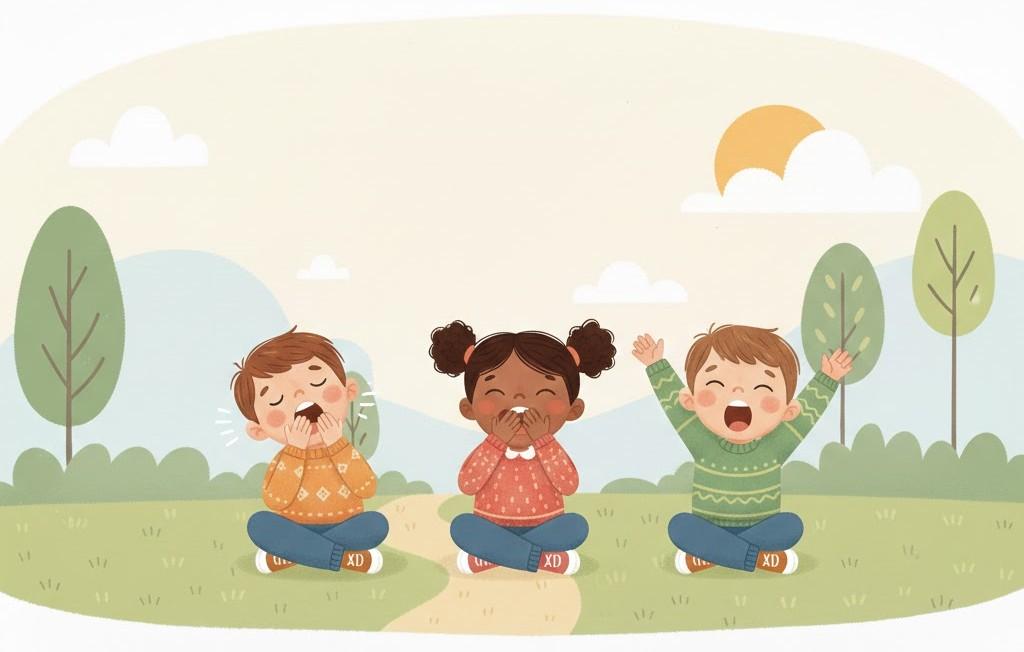
The most mysterious aspect of yawning is its contagious nature. Seeing someone yawn, hearing a yawn, or even reading this sentence right now can trigger you to yawn.
- Emotional Mirror (Empathy): Scientists believe that contagious yawning is a sign of “empathy,” the ability to understand what another person is feeling. Brain scans have shown that when someone else yawns, areas of our brain associated with social emotions become active.
- Social Bond: It is thought that this phenomenon strengthens bonds between individuals. An interesting fact: Contagious yawning is not observed in very young children whose social skills are still developing (typically before age four or five).
Generated by Artificial Intelligence.


