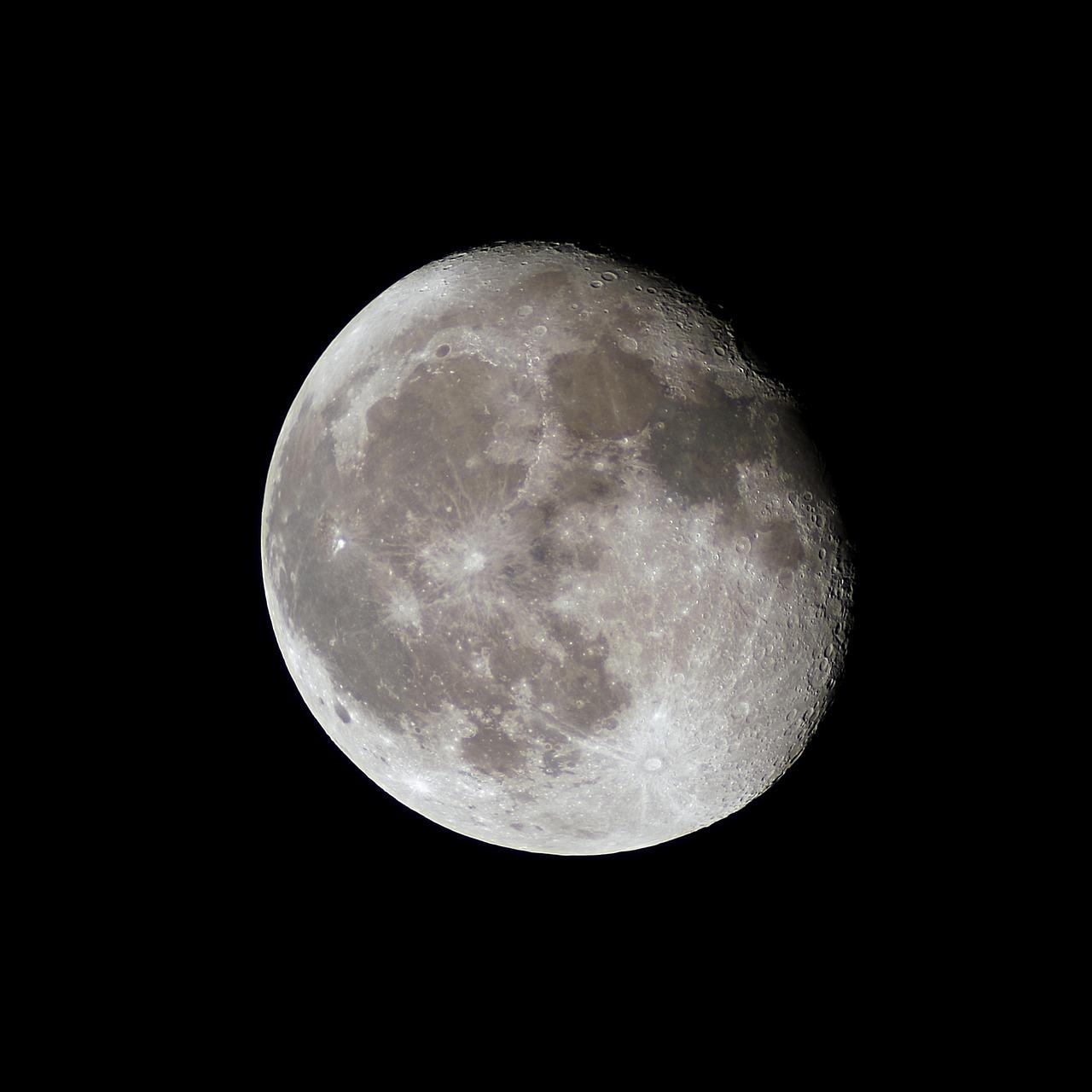




Why Is Space Dark?
Although space is filled with stars, planets, and galaxies, most of the sky appears black and dark to us. This phenomenon is related to how light propagates and what materials are present in our surroundings. The darkness of space does not result from the absence of light, but from light failing to scatter and reach our eyes.
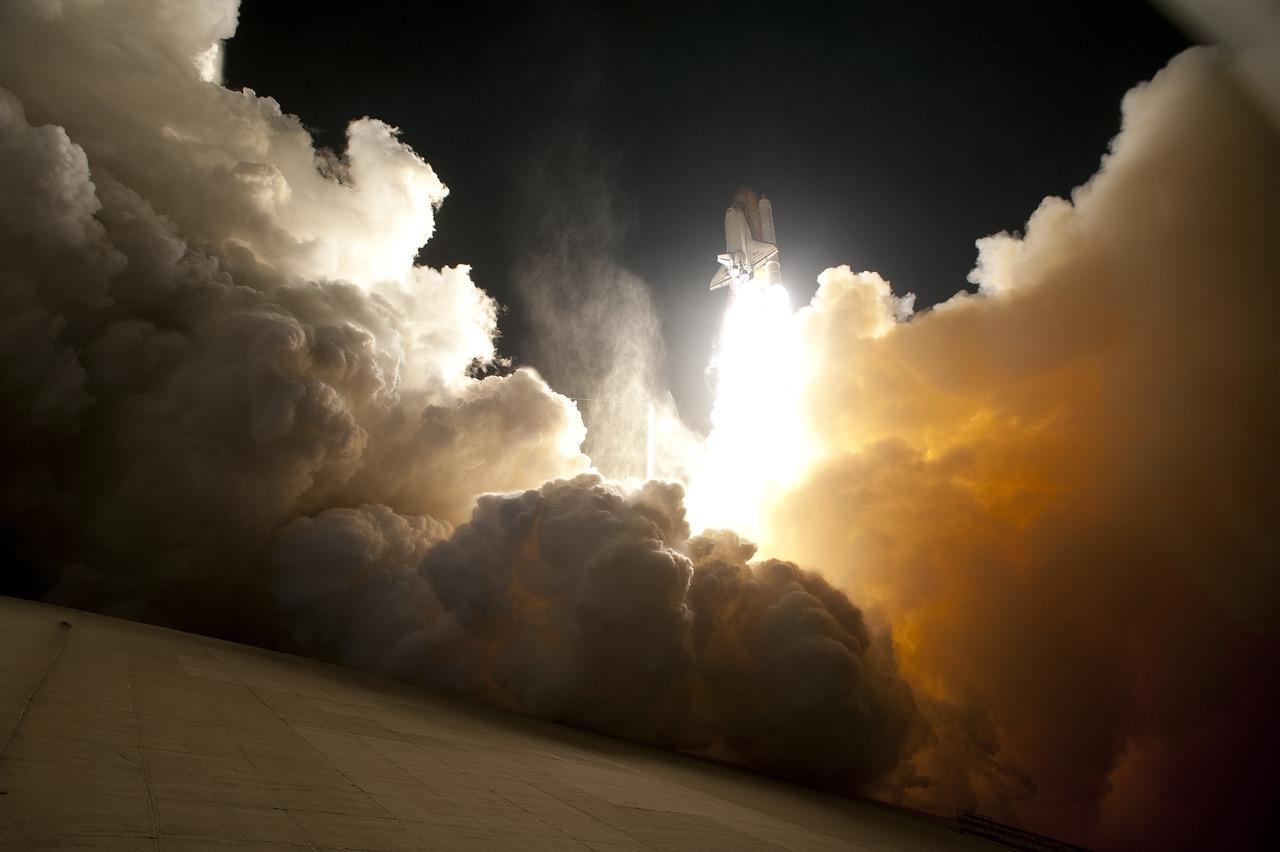
(Pixabay)
Why Is the Sky Bright on Earth?
During the day on Earth, the sky appears blue and bright because sunlight collides with air molecules in our atmosphere and scatters in all directions. This scattering causes light to spread across the sky, illuminating it. As a result, we perceive light in the sky even when we are not looking directly at the Sun. However, this phenomenon can only occur in places with an atmosphere.
Light Does Not Scatter in Space Due to the Absence of Atmosphere
Space contains almost no matter. There are no air, dust, or gas particles for light to collide with and scatter off. Therefore, even when a powerful light source such as the Sun is present, the light travels only in a straight line and remains invisible to our eyes unless it strikes an object. For this reason, every part of space outside the direct path of a light source appears dark.
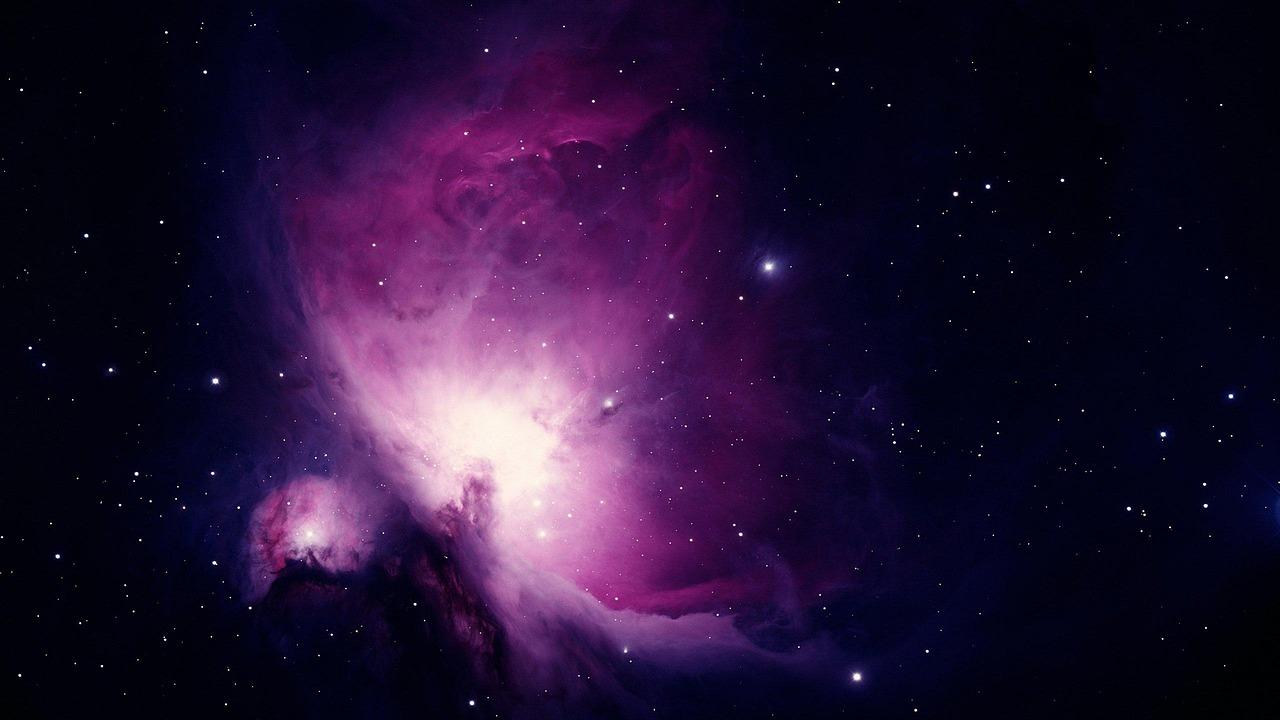
(Pixabay)
There Are Billions of Stars, But Not All Are Visible
Although there are billions of stars in space, not all of them are visible to the naked eye. Some stars are so distant that their light has weakened considerably by the time it reaches us. Our eyes can only detect light from stars that are sufficiently bright and close enough. Stars whose light we cannot see, even though they exist, contribute to the overall darkness of space.
What Do Astronauts See When They Enter Space?
When an astronaut looks out from a spacecraft, they see darkness all around unless they are looking directly at the Sun or a glowing star. Despite the Sun’s intense brightness, the surrounding space remains pitch black. This is because sunlight, lacking an atmosphere to scatter it, cannot illuminate the surrounding environment. Only the light source being viewed directly becomes visible.
Darkness Is Not the Absence of Light, But the Lack of Scattering
The fundamental reason space appears dark is the absence of a medium through which light can scatter and spread. On Earth, the atmosphere causes light to disperse in all directions, whereas in space, light travels only in straight lines and remains confined to the objects it strikes. If light exists but does not scatter, humans cannot perceive it. This is why space, despite its vastness, appears enveloped in infinite darkness.