



Zeugma Mosaic Museum
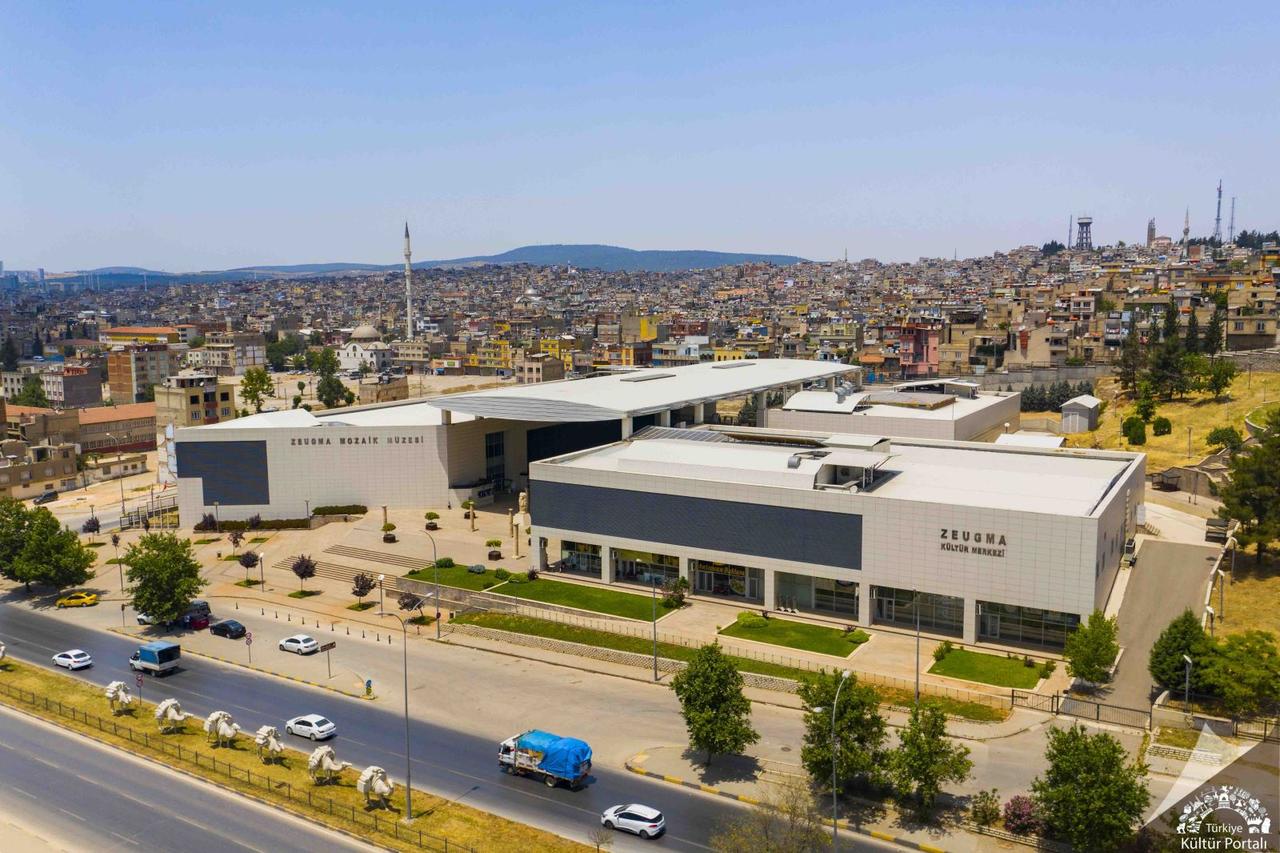
The Zeugma Mosaic Museum in Gaziantep is a unique treasure for art historians and history enthusiasts alike. As one of the largest mosaic museums in the world, it reveals the grandeur of the Roman era. The museum displays thousands of year-old mosaics, statues, and historical artifacts excavated from the ancient city of Zeugma. Particularly, the intricate details in the mosaics offer a virtual time machine to experience the wealth and artistic sensibility of that period.

(Generated by Artificial Intelligence.)
What Is Zeugma?
Approximately 2300 years ago, Seleucus Nicator, one of Alexander the Great’s generals, founded a city on the banks of the Euphrates River. During the Roman period, this city was named Zeugma, meaning “bridgehead,” because it served as a meeting point not only for trade routes but also for cultures. For centuries, commerce, art, and culture flourished here.

(Generated by Artificial Intelligence.)
Key Artifacts of the Museum
The Gypsy Girl Mosaic: Dating to the 2nd century CE, this small piece is renowned for its profound gaze and expression that conveys both joy and sorrow. Created using a special technique, this mosaic has become a symbol of Gaziantep.
Oceanus and Tethys Mosaic: This Roman-era mosaic depicts the sea god Oceanus and his wife Tethys. Surrounding them are fish and Erotes riding dolphins.
Achilles Mosaic: This mosaic portrays a scene revealing the identity of the famous Greek hero Achilles. The wave patterns in the mosaic are designed to create the illusion of movement as if in a water-filled pool.
The Abduction of Europa Mosaic: This artwork illustrates the scene in which the god Zeus, in the form of a bull, abducts Europa. This piece was rescued just before the area was submerged by dam waters.
The Ancient City of Zeugma
Located near the Nizip district of Gaziantep, the ancient city reached its peak during the Roman period. The floors of its wealthy villas were adorned with mosaics, transforming the city into a center of trade and culture. Although damaged by Sasanian attacks in the 3rd century, the surviving artifacts continue to reflect the significance of Zeugma.

(Generated by Artificial Intelligence.)