

This article was automatically translated from the original Turkish version.
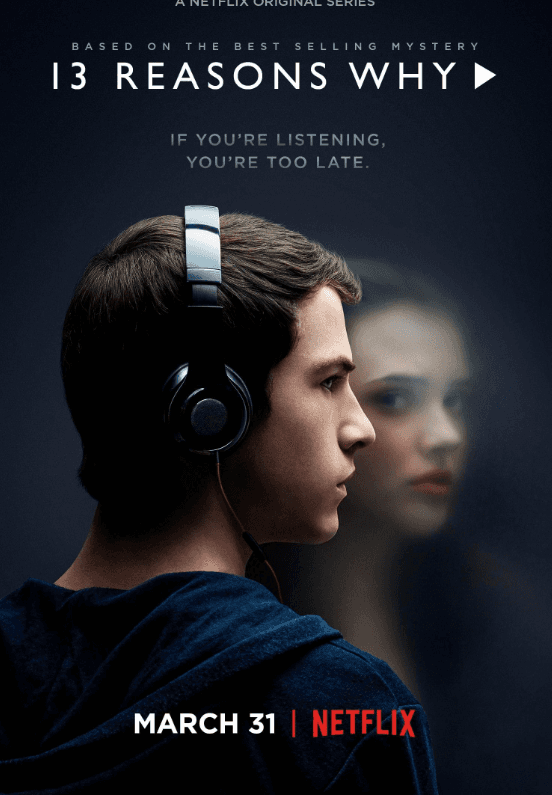
13 Reasons Why (Series)
Director(s) | Tom McCarthy Kyle Patrick Alvarez Jessica Yu Gregg Araki | ||||||||
|---|---|---|---|---|---|---|---|---|---|
Screenwriter(s) | Brian Yorkey Thomas Higgins Nic Sheff Diana Son | ||||||||
Producer(s) | Joseph Incaprera, Selena Gomez, Tom McCarthy, Steve Golin, Diana Son | ||||||||
Production Companies | July Moon Productions, Kicked to the Curb Productions, Anonymous Content, Paramount Television Studios | ||||||||
Release Date(s) | 31 March 2017 | ||||||||
Genre | Youth drama psychological thriller mystery | ||||||||
Number of Episodes | 4 seasons 49 episodes | ||||||||
Main Cast | Dylan Minnette, Katherine Langford, Alisha Boe | ||||||||
IMDb Rating | 7.5/10 | ||||||||
13 Reasons Why (13 Reasons to Die), inspired by the novel of the same name by American author Jay Asher and adapted for television by Brian Yorkey, first aired on March 31, 2017 and ran for four seasons on the Netflix platform. While the first season remained largely faithful to the core narrative of Asher’s novel, subsequent seasons expanded the story with original plotlines, introducing new characters and themes to the series’ universe.
The production is positioned as a drama specifically targeting young adult audiences. It centers on social issues faced by teenagers—including bullying, loneliness, sexual assault, suicide, substance abuse, and mental health—presenting a controversial yet compelling narrative. Upon its release, the series generated significant public debate, receiving both praise and criticism, and was evaluated by various experts for its educational content as well as its potential to be triggering.
The story begins with Clay Jensen, a student at Liberty High School, listening to thirteen cassette tapes left behind by his classmate Hannah Baker after her suicide. Each tape features Hannah’s account of a person she believes contributed to her death. As Clay listens to the recordings, he learns not only about the events Hannah endured but also about aspects of his own social circle that he had previously overlooked. The series thematically explores bullying, sexual violence, psychological pressure, social exclusion, and mental health challenges among adolescents.
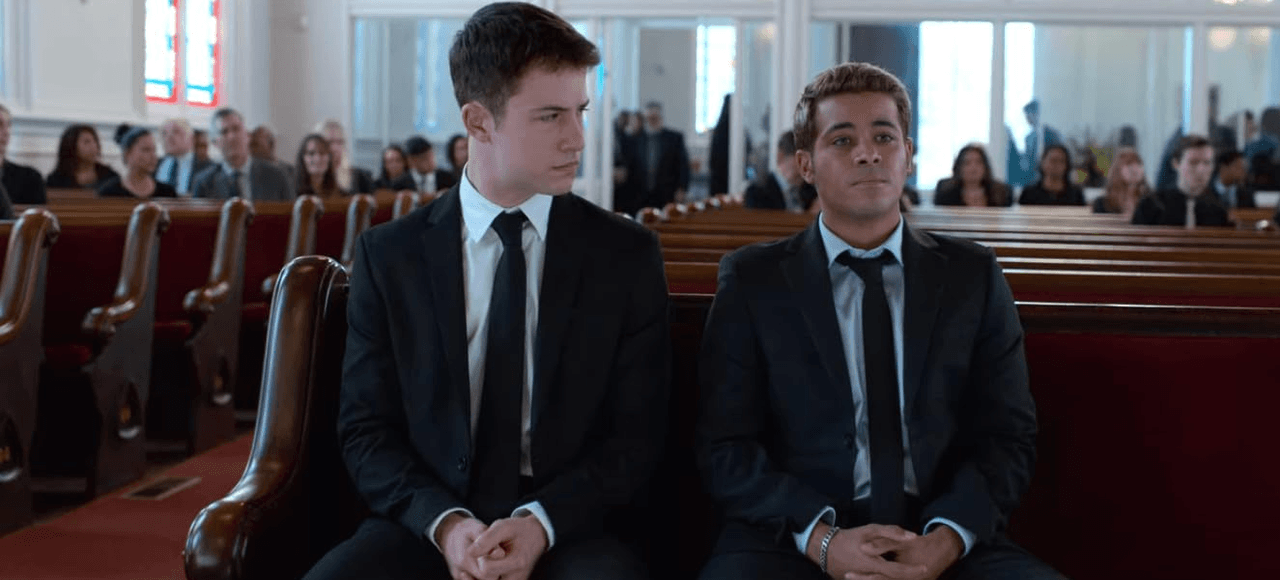
Still from the Series (IMDb)
13 Reasons Why is one of the standout teen dramas that emerged in the latter half of the 2010s. The series directly addresses socially sensitive topics such as suicide, sexual assault, peer bullying, and mental health. In this regard, it sparked debates concerning media ethics and youth culture. Simultaneously, it presents a dramatic portrayal of the psychological pressures faced by young people in the age of social media and the structural flaws within the American high school system. Upon its release, the production triggered academic and societal evaluations regarding the representation of such issues in popular culture.
The series creates a thematic atmosphere by combining pastel and dark color tones in its visual storytelling. The music chosen for scene transitions aligns with the emotional tone of the narrative and enhances its dramatic structure. The fictional narrative, shaped by rapid pacing and elements of tension, plays a decisive role in conveying the psychological distress experienced by the characters to the audience. These technical choices enable an evaluation of the production’s coherence between content and form.
13 Reasons Why generated widespread discussion among young viewers and on social media upon its release. The series received criticism from various segments of the public for its handling of sensitive topics such as depression, suicide, and sexual violence. Some analyses argued that the series romanticized these issues, while others contended that bringing them into public view was meaningful for raising societal awareness. The first season achieved high viewership and was intensively discussed across multiple media outlets.
13 Reasons Why Trailer (Netflix)
Beyazperde. “Ölmek İçin 13 Sebep.” Erişim tarihi: 31 Mayıs 2025. https://www.beyazperde.com/diziler/dizi-19941/
IMDb. "13 Reasons Why - Awards." Accessed May 31, 2025. https://www.imdb.com/title/tt1837492/awards/
IMDb. "13 Reasons Why." Accessed May 31, 2025. https://www.imdb.com/title/tt1837492/
Netflix. "13 Reasons Why: Season 2 - Official Trailer" Netflix Türkiye. Accessed May 31, 2025. https://www.youtube.com/watch?v=0XuOkYlUWIs.

13 Reasons Why (Series)
Director(s) | Tom McCarthy Kyle Patrick Alvarez Jessica Yu Gregg Araki | ||||||||
|---|---|---|---|---|---|---|---|---|---|
Screenwriter(s) | Brian Yorkey Thomas Higgins Nic Sheff Diana Son | ||||||||
Producer(s) | Joseph Incaprera, Selena Gomez, Tom McCarthy, Steve Golin, Diana Son | ||||||||
Production Companies | July Moon Productions, Kicked to the Curb Productions, Anonymous Content, Paramount Television Studios | ||||||||
Release Date(s) | 31 March 2017 | ||||||||
Genre | Youth drama psychological thriller mystery | ||||||||
Number of Episodes | 4 seasons 49 episodes | ||||||||
Main Cast | Dylan Minnette, Katherine Langford, Alisha Boe | ||||||||
IMDb Rating | 7.5/10 | ||||||||
No Discussion Added Yet
Start discussion for "13 Reasons Why (Series)" article
Plot
Character Analysis
Historical Context
Production Team
Cast
Production and Broadcast Information
Technical Features
Release and Impact
Awards and Nominations