


This article was automatically translated from the original Turkish version.
2026 Portuguese Presidential Election is the electoral process held on 18 January 2026 to determine the country’s head of state, which proceeded to a second round after no candidate achieved an absolute majority in the first round. The election was triggered by the completion of the second five-year term of incumbent President Marcelo Rebelo de Sousa, who was elected in 2021 with approximately 60 percent of the vote and was constitutionally barred from seeking re-election.
In the election featuring a total of 11 candidates, António José Seguro, the candidate of the Socialist Party (PS), came in first with 31.11 percent of the vote, while André Ventura, leader of the Chega Party, placed second with 23.52 percent.
Since no candidate surpassed the 50 percent threshold, the election was postponed to a second round on 8 February 2026. This marked only the second time since 1986 that a Portuguese presidential election required a second round.
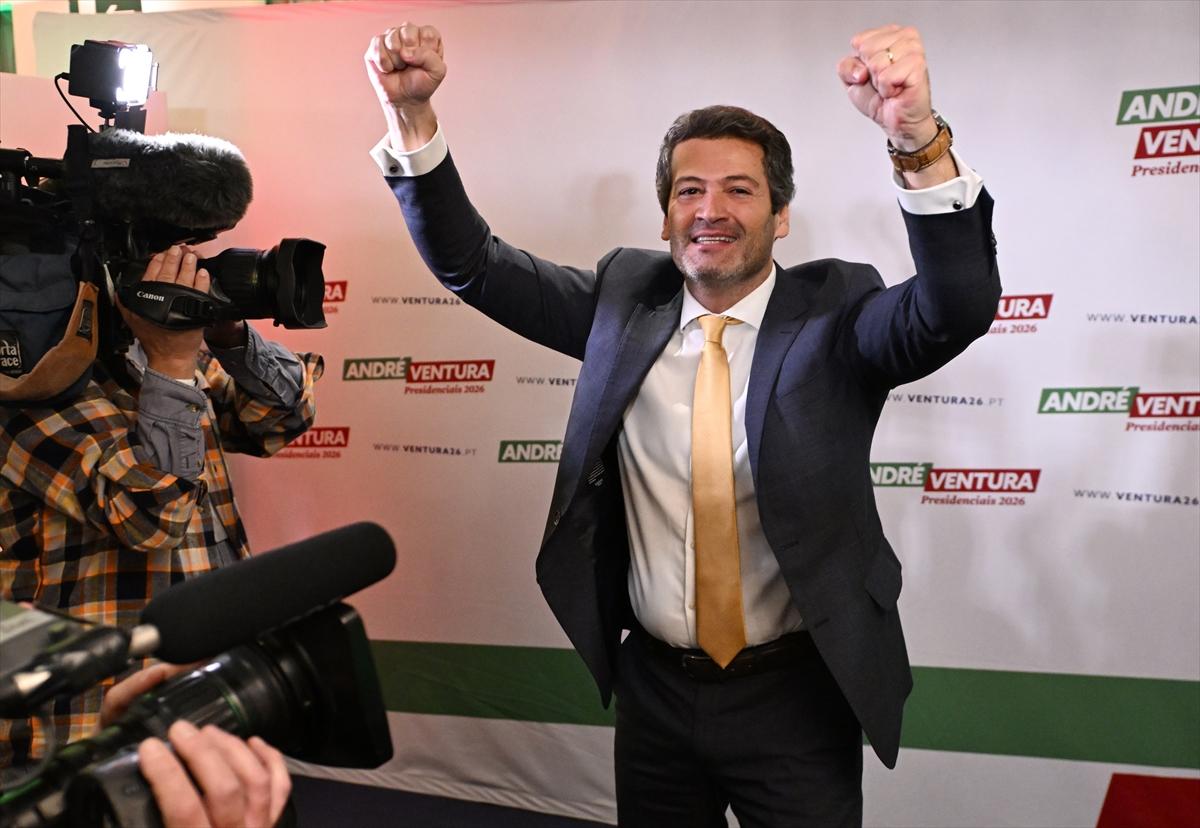
André Ventura, leader and presidential candidate of the far-right Chega Party, 19 January 2026 – (Anadolu Agency)
The 2026 Portuguese Presidential Election was held nationwide on Sunday, 18 January 2026. Approximately 11 million registered voters were eligible to participate. According to data from the Portuguese Ministry of Internal Administration and the National Election Commission (Comissão Nacional de Eleições), 5,767,034 out of 11,017,133 registered voters cast their ballots, resulting in a total voter turnout of 52.35 percent.
Voting was conducted through 3,259 polling districts within Portugal and 109 consulates abroad. By election night, all 3,259 polling districts and 103 of the 109 consulates had completed vote counting. The results from the remaining six consulates were pending release. The turnout was recorded by the Portuguese media as the highest in the past 20 years.
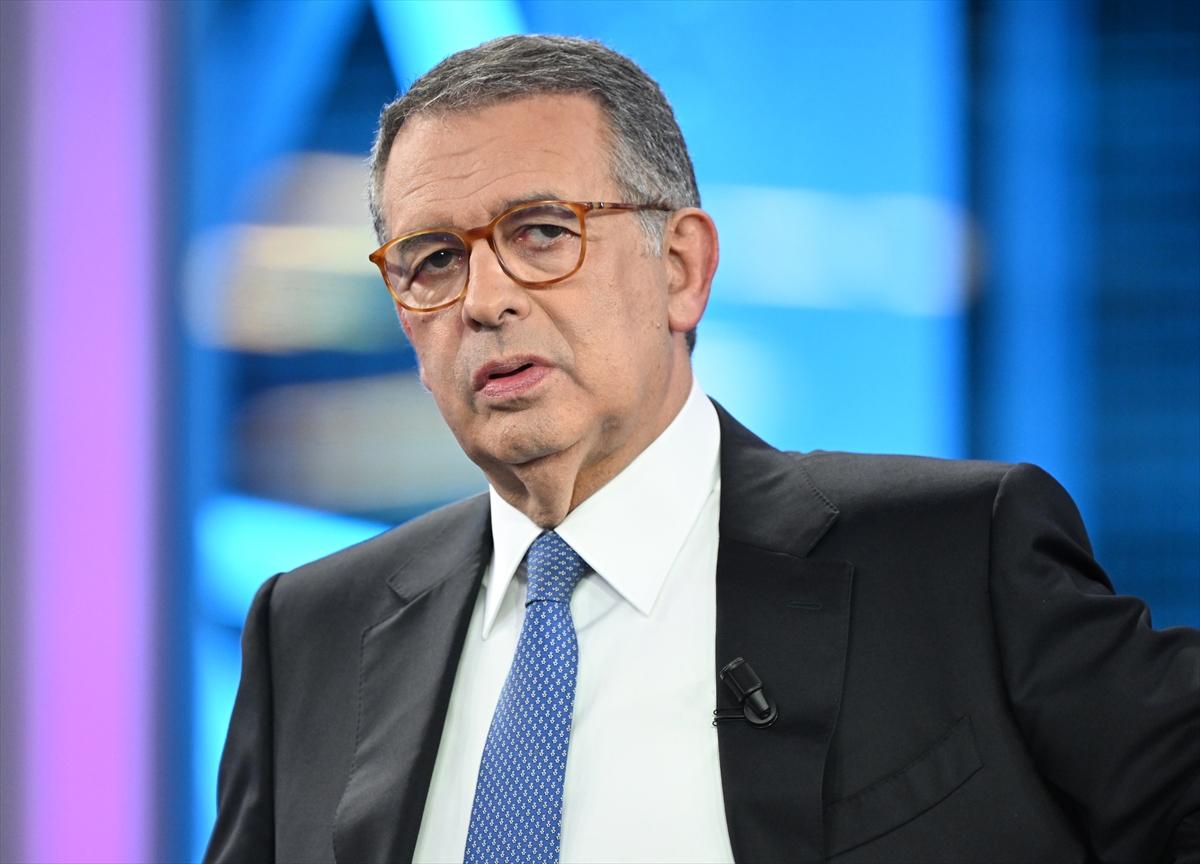
Candidate António José Seguro, 7 January 2026 – (Anadolu Agency)
A total of 11 candidates competed in the 2026 Portuguese Presidential Election, including representatives from Portugal’s major political parties and independent candidates.
António José Seguro (Socialist Party – PS): António José Seguro, candidate of the Socialist Party, is a former general secretary of the party. He has held various positions within the Portuguese Socialist Party and previously represented Portugal in the European Parliament.
André Ventura (Chega Party): Ventura is the founding leader of the far-right Chega Party, established in 2019.
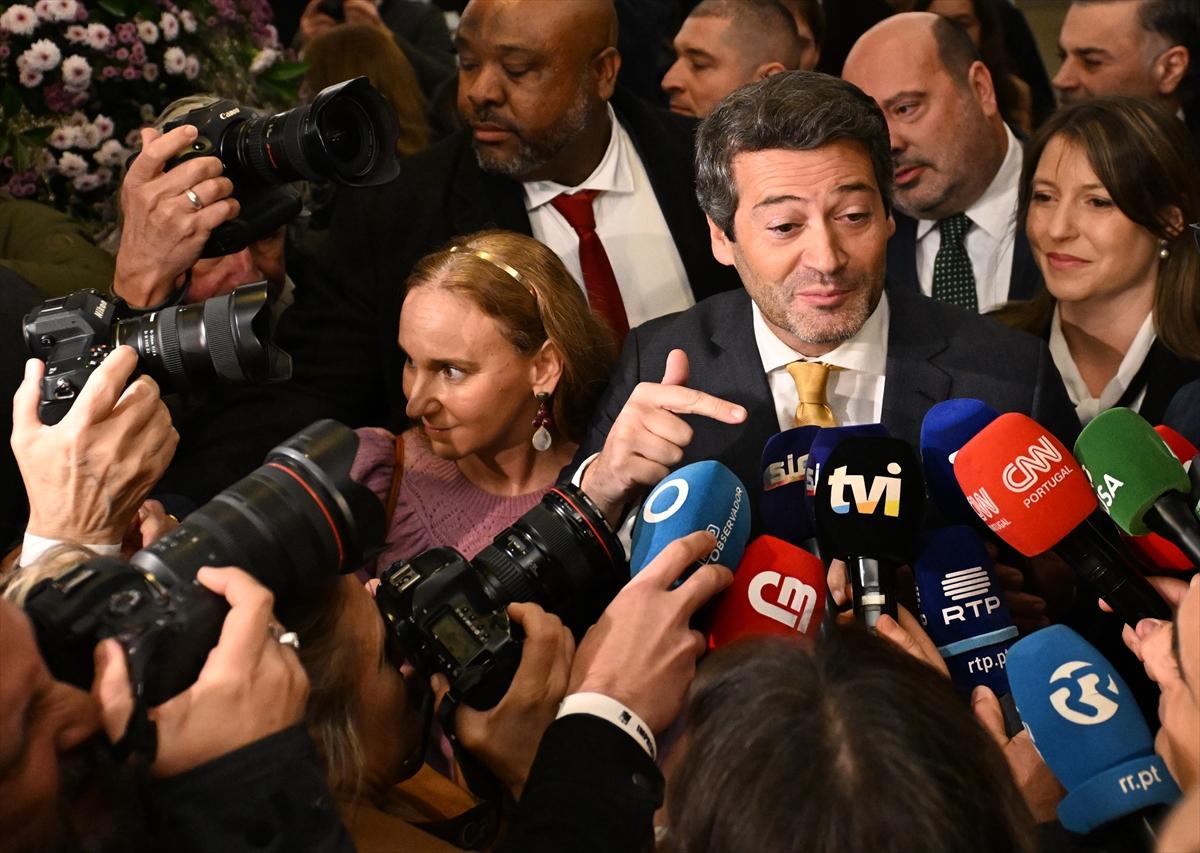
André Ventura, leader and presidential candidate of the far-right Chega Party, 19 January 2026 – (Anadolu Agency)
João Cotrim de Figueiredo (Liberal Initiative – IL): João Cotrim de Figueiredo, candidate of the Liberal Initiative (Iniciativa Liberal), ran on a platform based on liberal economic policies. A member of the European Parliament, Figueiredo denied allegations of harassment brought against him during the campaign, labeling them a “campanha suja” (“dirty campaign”).
Henrique Gouveia e Melo (Independent): Henrique Gouveia e Melo, a retired admiral of the Portuguese Navy, ran as an independent candidate. He is known for his role in Portugal’s COVID-19 vaccination program and emphasized technical governance during his campaign.
Luís Marques Mendes (Social Democratic Party – PSD): He ran as the candidate of the governing Social Democratic Party (Partido Social Democrata – PSD).
Catarina Martins (Left Bloc – BE): She is the candidate of the Left Bloc (Bloco de Esquerda).
António Filipe (Portuguese Communist Party – PCP): António Filipe ran as the candidate of the Portuguese Communist Party (Partido Comunista Português).
Manuel João Vieira (Independent): An artist and independent candidate.
Jorge Pinto (Democratic Renewal Party – PRD): Jorge Pinto is a member of the Partido Renovador Democrático (PRD).
André Pestana da Silva (Independent)
Humberto Correia (Independent)
According to official data published by the Portuguese National Election Commission and the Ministry of Internal Administration, the vote shares and totals for each candidate in the first round of the presidential election held on 18 January 2026 were as follows:
The rate of blank votes was recorded at 1.06 percent (61,226 votes), and invalid votes accounted for 1.13 percent (65,381 votes). Under Portuguese electoral law, a candidate must secure more than 50 percent of the vote to win in the first round. As no candidate reached this threshold, the election proceeded to a second round.
Following the announcement of the first-round results, António José Seguro and André Ventura, the two candidates with the highest vote shares, qualified for the second round on 8 February 2026.
This development marked only the second time in Portugal’s democratic history that a presidential election required a second round. The only previous instance occurred in 1986, when former Socialist Prime Minister Mário Soares faced Freitas do Amaral. According to the Portuguese Constitution, the candidate receiving the most votes in the second round will be declared president.
António José Seguro, candidate of the Socialist Party (PS), described the first-round results as “a reflection of a democratic process.” PS parliamentarian José Luis Carniero, speaking on Seguro’s behalf, stated: “Seguro was the biggest winner of the night.” Carniero also called on the party base to “support Seguro” in the second round.
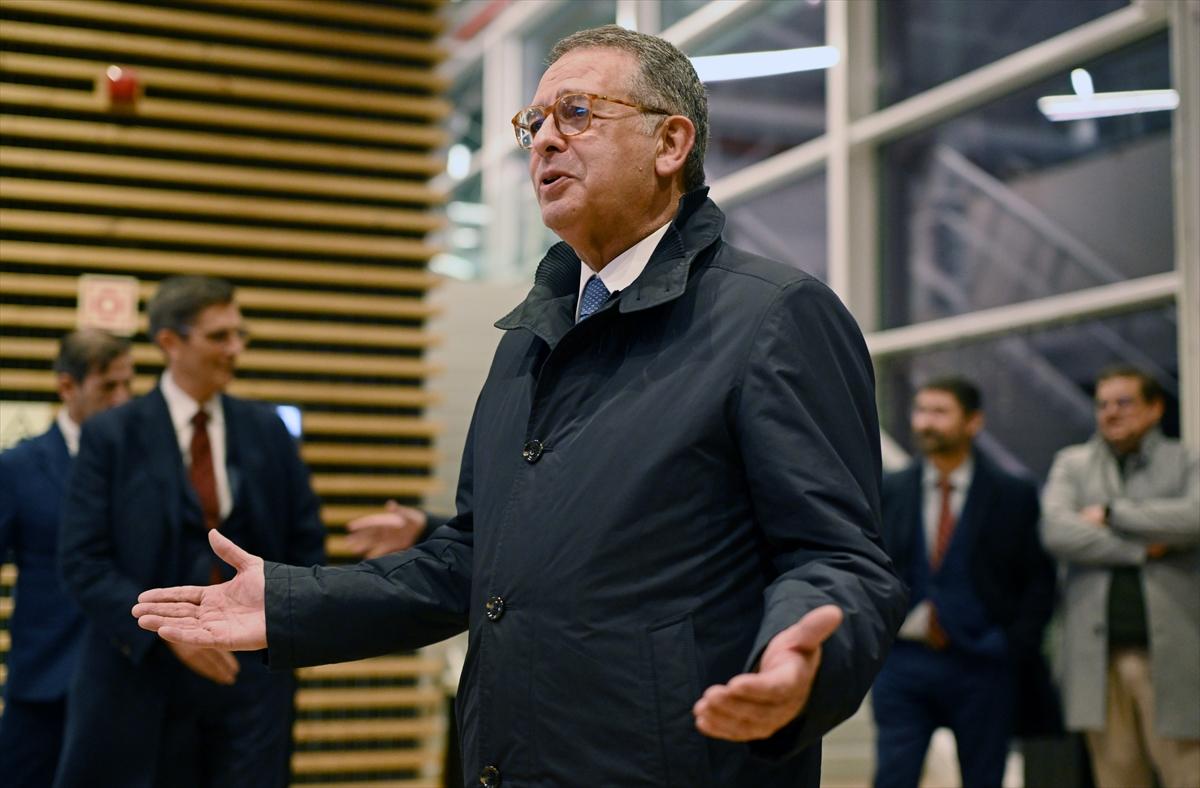
Candidate António José Seguro, 7 January 2026 – (Anadolu Agency)
Chega Party leader André Ventura characterized the results as “a victory for the political right.” In his election night speech, he declared: “Today the right won. Tomorrow we will focus on uniting the right.”
Ventura also announced a new campaign strategy aimed at consolidating support from right-wing voters. He added: “Now we must unite the entire right wing… I will fight day by day, minute by minute, second by second to prevent a socialist president. We will win.”
Al Jazeera. “Socialist, far-right candidates head to presidential run-off in Portugal.” Accessed January 19, 2026. https://www.aljazeera.com/news/2026/1/18/voters-in-portugal-electing-new-president-could-be-far-right-winner
Anadolu Ajansı. “Portekiz’de Cumhurbaşkanlığı Seçimleri İkinci Tura Kaldı.” Accessed January 19, 2026. https://www.aa.com.tr/tr/dunya/portekizde-cumhurbaskanligi-secimleri-ikinci-tura-kaldi/3803520
BBC News Brasil. “Por que avanço do Chega na eleição de Portugal é trunfo da direita radical mesmo com pouca chance de vitória.” BBC News Português. Accessed January 19, 2026. https://www.bbc.com/portuguese/articles/cvgdm7yg7vno
G1. “Portugal terá 2º turno na eleição presidencial pela primeira vez em 40 anos, com esquerda e extrema direita.” G1 Globo. Accessed January 19, 2026. https://g1.globo.com/mundo/noticia/2026/01/18/eleicao-portugal-resultado.ghtml
Ministry of Internal Administration – Presidential Elections 2026. "Resultados Globais." Accessed January 19, 2026. https://www.presidenciais2026.mai.gov.pt/resultados/globais
Politico Europe. “Center left wins Portugal presidential election first round, setting up showdown with far right.” Politico Europe. Accessed January 19, 2026. https://www.politico.eu/article/far-right-wins-portugal-presidential-election-first-round-exit-poll-says/
Politico Europe. “Portugal — 2026 presidential election.” Politico Europe. Accessed January 19, 2026. https://www.politico.eu/europe-poll-of-polls/portugal/

No Discussion Added Yet
Start discussion for "2026 Portugal Presidential Election" article
Election Process and Voter Turnout
Candidates
Official Results (First Round)
Second Round Process
Candidate Reactions
António José Seguro’s Statement
André Ventura’s Statement