

 Recently Added:
This article was automatically translated from the original Turkish version.
The 2026 South Korea heatwave was an extreme weather event that affected the entire country during July and August 2026, resulting in historic temperature records being broken, numerous human deaths, livestock fatalities, and disruptions to public, sporting, and economic activities. During this period, a temperature of 42.5 degrees Celsius was recorded in the city of Yangsan in southeastern Korea, a value declared by the Korea Meteorological Administration (KMA) as the highest ever recorded in its 122-year history of weather observations.【1】
In the capital Seoul, the highest level of heat warning was issued for the first time to cover the entire city, with President Lee Jae-myung describing the situation as a “national disaster” and a “national climate emergency.”【2】 As of 6 August 2026, the Korea Disease Control and Prevention Agency (KDCA) reported that the number of suspected heat-related deaths had reached 23 and the number of people seeking medical attention due to heat-related illnesses had reached 2,665.【3】

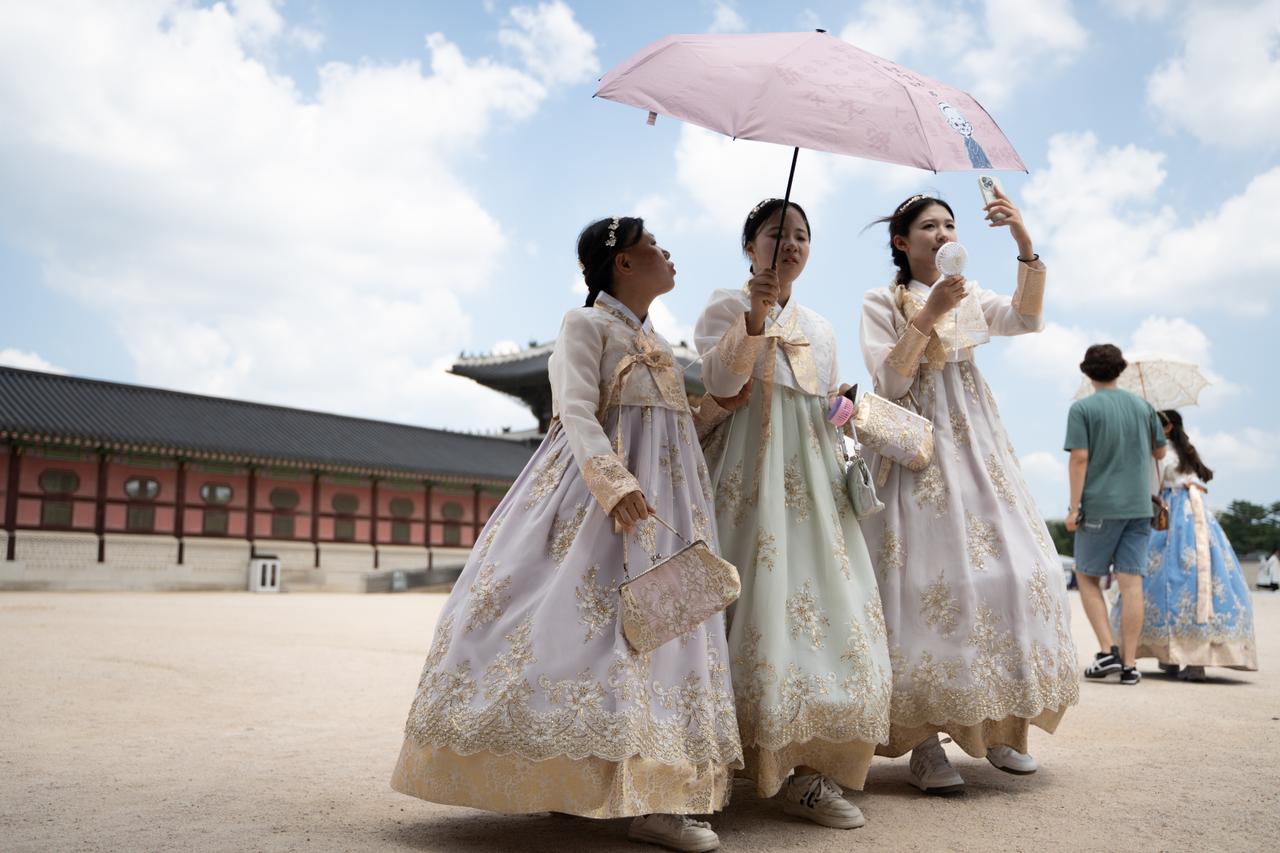
Heatwave in Seoul, 5 August 2026 - (Anadolu Ajansı)
In the city of Yangsan, located in a basin in southeastern Korea, a temperature of 42.5 degrees Celsius (108.5 Fahrenheit) was recorded at 13:26 local time (04:26 GMT) on Sunday 2 August 2026.【4】 The KMA confirmed this as the highest temperature ever recorded in its 122-year history of weather observations. The number of consecutive days in Yangsan when temperatures exceeded 40 degrees Celsius reached five, including that Sunday. It was noted that this value had broken the national record on each of the two preceding days.【5】 In the southeastern city of Daegu, the air temperature reached 40.9 degrees Celsius, exceeding the 40-degree threshold for the first time since 1942.【6】
On Thursday 6 August 2026, it was reported that temperatures across the country approached or exceeded 40 degrees Celsius.【7】 On the same day, in Seoul’s Yongsan district, the temperature briefly reached 39.9 degrees Celsius, marking the highest value recorded in the region that year.
According to KBS, on 6 August the daytime maximum temperature in Seoul rose to 37.9 degrees Celsius, making it the hottest day of the year up to that point, while an automated weather observation device in Yongsan recorded a value close to 40 degrees Celsius.【8】
The KMA forecast that the heatwave would peak on Friday 7 August, coinciding with the Korean solar calendar’s “Ipchu,” traditionally regarded as the start of autumn, with temperatures in Seoul and Jeonju expected to reach up to 39 degrees Celsius and other western regions experiencing temperatures around 38 degrees Celsius.【9】
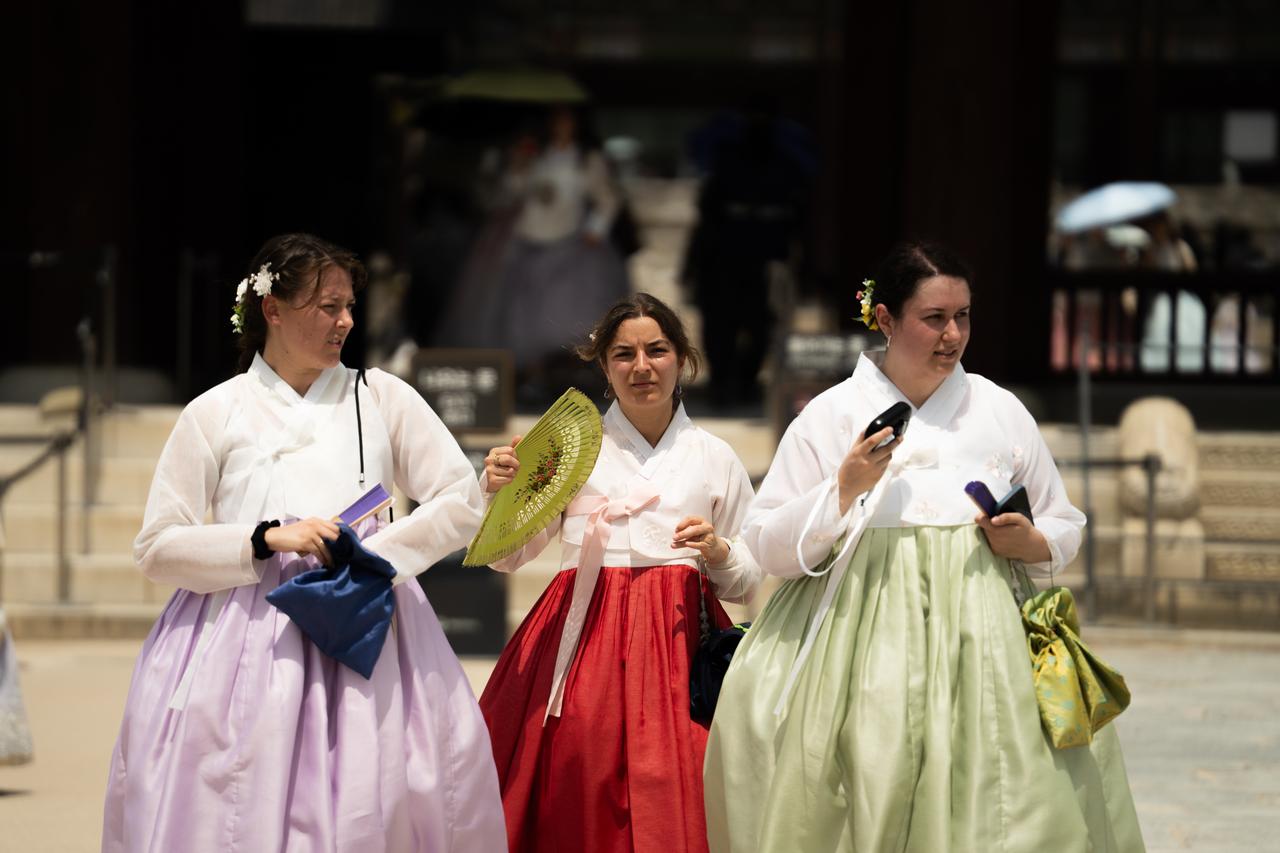
Heatwave in Seoul, 5 August 2026 - (Anadolu Ajansı)
KMA forecast analyst Lee Kwang-yeon stated in his assessment that, with high-pressure systems persisting and heat warnings active across much of the country, particularly in the western regions, oppressive heat and tropical nights would continue on 7 August.
KMA data show that the annual average number of heatwave days over the past five years has more than doubled from the average of eight days in the 1970s, reaching 19 days.【10】
In South Korea’s heat warning system, the highest-level alert, the “serious heat warning,” is issued when the perceived temperature is forecast to reach or exceed 38 degrees Celsius for two or more consecutive days in an area where the perceived temperature is at least 35 degrees Celsius, or when the daily maximum temperature is forecast to reach or exceed 39 degrees Celsius. This alert was incorporated into the country’s heat advisory system on 1 June 2026. The newly implemented “emergency heat warning,” introduced in 2026, is activated when the perceived temperature is forecast to reach at least 38 degrees Celsius or the actual temperature is forecast to reach or exceed 39 degrees Celsius on a single day. As of 2 August 2026, more than 20 settlements were under this warning.【11】
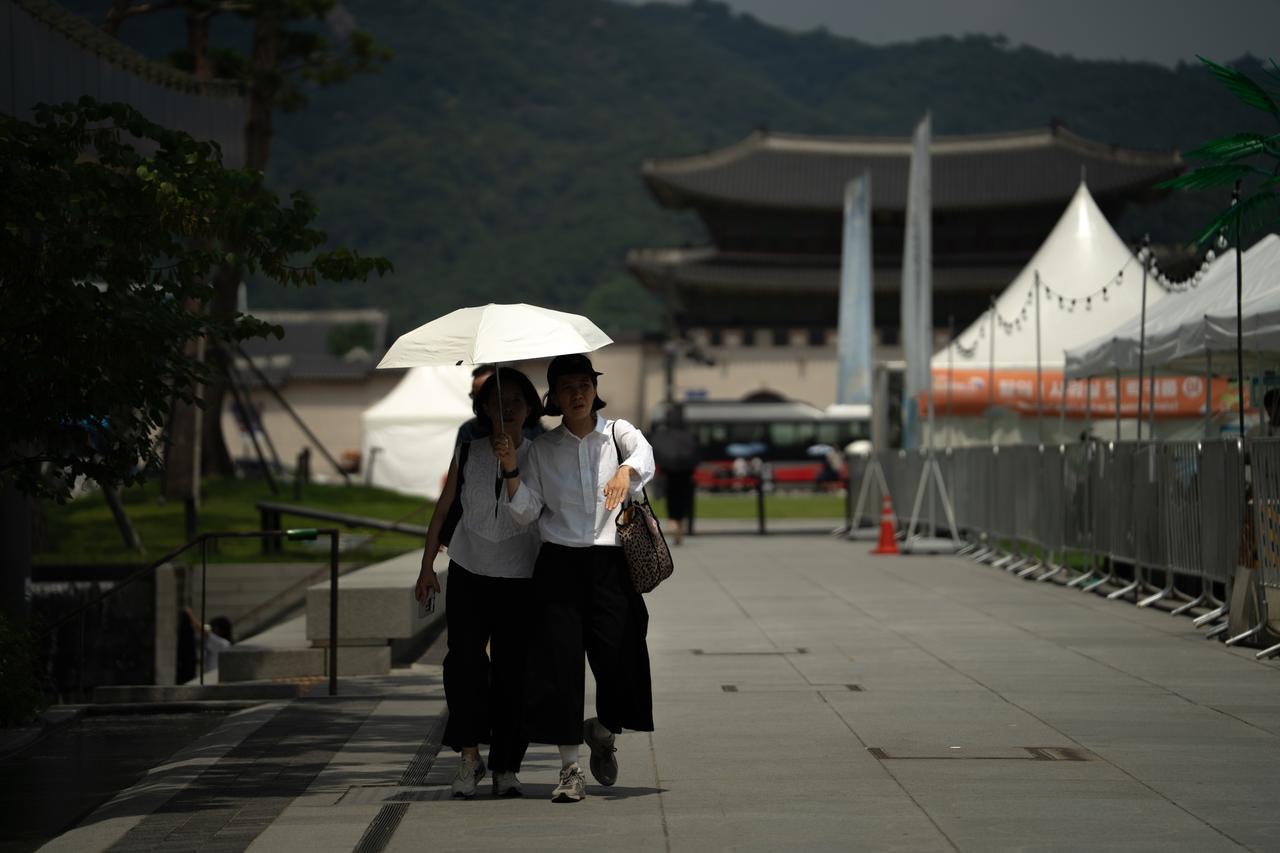
Heatwave in Seoul, 4 August 2026 - (Anadolu Ajansı)
On Tuesday 4 August 2026, the entire city of Seoul was placed under the highest-level heat warning for the first time. The warning was extended at 11:00 to include the city’s northeast and northwest regions, bringing the entire city under the same alert that had already been in effect since 3 August in the southeast and southwest areas.【12】 On the same date, the highest-level heat warning was also issued in many areas of the surrounding Gyeonggi province, including Osan, Hanam, western Yeoju, Goyang, Anseong, southern Paju and Yongin. The warning was also declared in parts of the southwestern Jeolla provinces, including Jeonju, Jangseong and northern Gokseong; it was implemented in Boseong, Yeosu and Gwangyang from 1 August, and in Suncheon, southern Gokseong and eastern Gwangju from 3 August.【13】 Additionally, serious heat warnings were issued in parts of Busan, Ulsan, South Gyeongsang, Gwangju and southern Jeolla provinces.
On Wednesday 5 August 2026, additional serious heat warnings were activated in the Greater Seoul region, bringing 43 percent of the region under the highest-level alert. At 11:00, the warning was extended to nine cities and districts in Gyeonggi province, including southern Incheon, Gwangmyeong, Yeoncheon and Hwaseong, bringing the total number of heat advisory areas in the capital region under alert to 20 of 46. On the same day, a warning was also issued for Cheongyang in South Chungcheong province, marking the first time such a measure had been applied in the central Chungcheong provinces.【14】 On Thursday 6 August, the serious heat warning was reactivated for the Greater Seoul region, with the KMA forecasting that temperatures would again approach 40 degrees Celsius on Friday. According to KBS, the warning’s scope was expanded to include the Yeongseo region of Gangwon province following the capital region.【15】
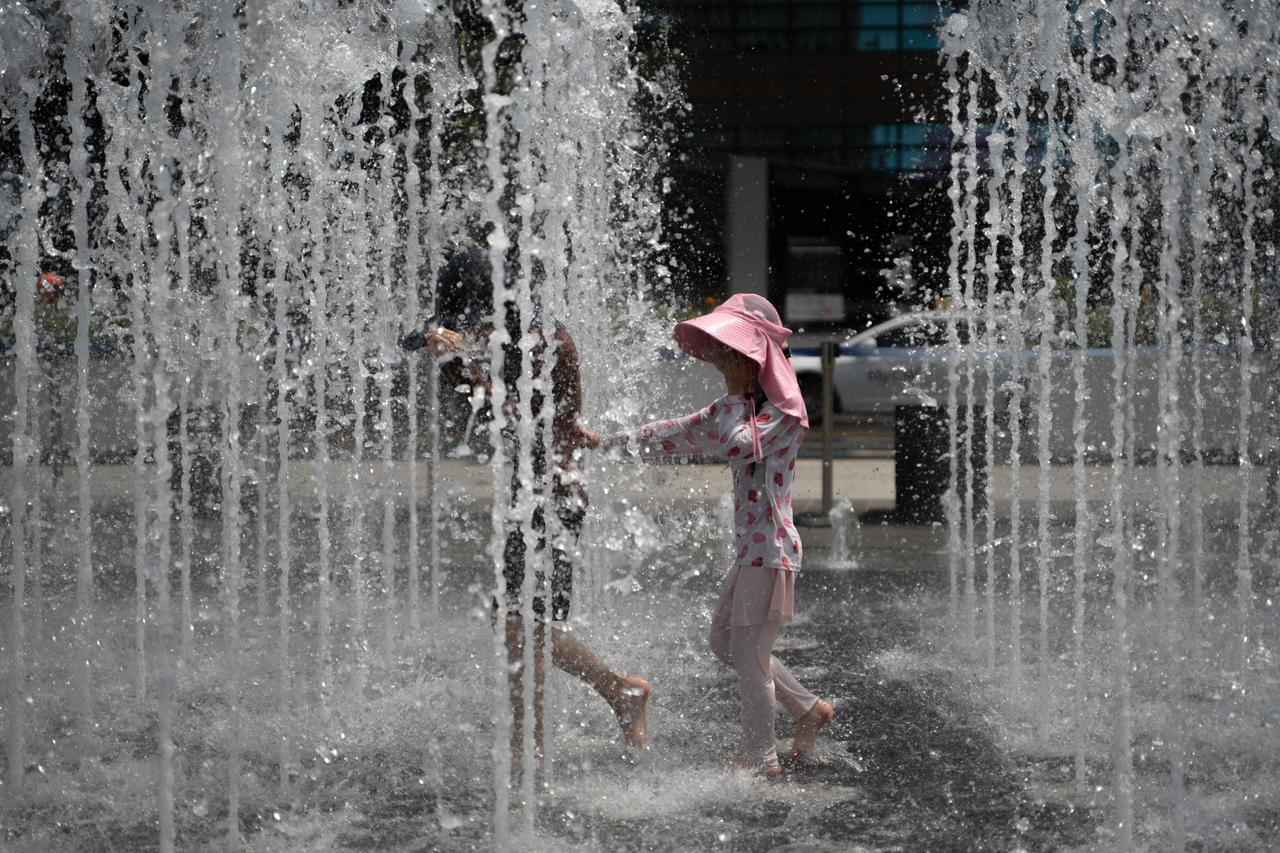
Heatwave in Seoul, 4 August 2026 - (Anadolu Ajansı)
According to KDCA data, as of Sunday 2 August 2026, since mid-May a total of 1,889 people across the country had received medical treatment for heat-related illnesses and 14 people had died. On 3 August, authorities announced that three additional people had died due to extreme heat.【16】
On Tuesday 4 August 2026, the KDCA reported that the number of heat-related deaths had risen to 19 and the number of people suffering from heat-related illnesses had reached 2,025, with 13 of the deceased aged 80 or older.【17】 A report dated 5 August indicated that between mid-May and 3 August, there had been 2,221 hospital visits and 19 deaths.【18】
On Wednesday 5 August 2026, health officials announced that the death toll had reached 21 and the number of emergency department visits due to heat-related illnesses had reached 2,441 as of 4 August.【19】 The same report noted that although the number of cases remained below those recorded in the same period last year, the death toll had surpassed last year’s 20 fatalities. One of the latest deaths involved a 60-year-old man who died on 4 August while working outdoors on a farm in Eumseong county, North Chungcheong province. Of the cases reported in 2026, 61.7 percent were heat exhaustion, 16.8 percent were heat stroke, and 11.5 percent were heat cramps.【20】
On Thursday 6 August 2026, the KDCA announced that the number of suspected heat-related deaths had risen to 23 and the number of people suffering from heat-related illnesses had reached 2,665.【21】 Daily reports of heat-related illnesses had remained in the hundreds over the weekend but had exceeded 200 for three consecutive days since Monday. The Ministry of Health also announced it would increase monitoring of the elderly and homeless populations and extend the operating hours of centers serving the elderly until the end of September from 18:00 to 21:00.
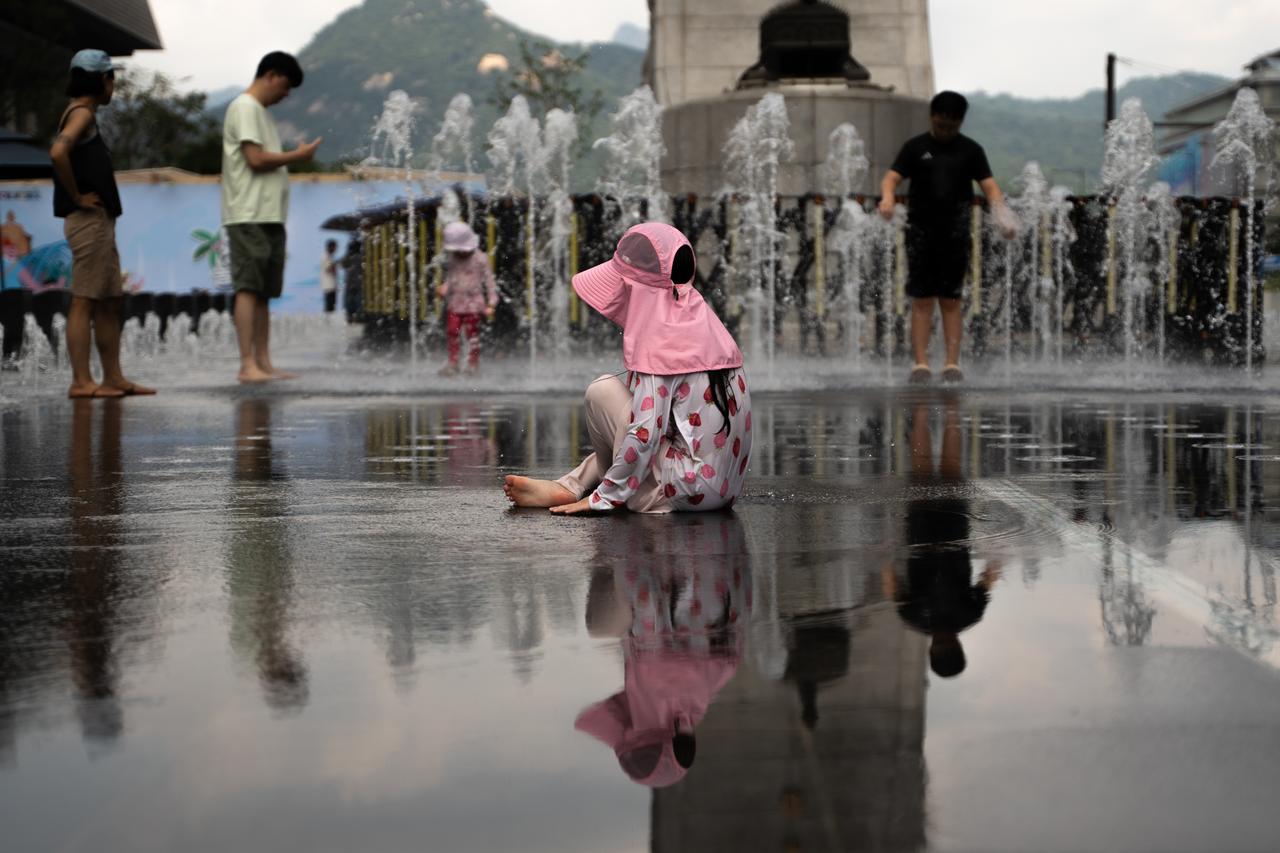
Heatwave in Seoul, 4 August 2026 - (Anadolu Ajansı)
On Tuesday 4 August 2026, President Lee Jae-myung called for increased support for those affected by the record-breaking heatwave during a cabinet meeting and classified the situation as a national disaster. He instructed officials to take necessary measures to prevent disruption to daily life, and to monitor the electricity grid due to increased air conditioning use. Lee noted that abnormal weather conditions could lead to prolonged extreme events and requested a comprehensive overhaul of the disaster response system.
On Thursday 6 August 2026, at a heatwave response meeting, Lee stated that the country was facing unprecedented and prolonged high temperatures, and that conditions previously seen only in foreign news reports had now become reality in South Korea. He ordered ministries and local governments to mobilize all personnel and resources until the heatwave subsided, and called for strengthened protective measures for vulnerable groups and stricter enforcement of rest breaks for outdoor workers during the hottest hours.
At a meeting held the same day at the Presidential Center for Disaster and Security Preparedness, it was noted that the heatwave was expected to persist, and the government was urged to maintain its comprehensive disaster response with the highest level of determination. Lee emphasized that the government’s priority was safeguarding the lives and property of its citizens, and demanded all necessary measures to prevent damage to livestock, fish farms and agricultural fields, and to ensure the safe operation of critical infrastructure such as roads, railways and power grids. He also ordered the evaluation of alternative water sources and the activation of pumping equipment to address drought in southern regions.
In a subsequent meeting with senior presidential advisors, Lee stated that the country was effectively facing a national climate emergency, and called for policy interventions to be elevated in scale, scope and speed. He directed all administrative resources toward protecting residents of vulnerable housing such as gosiwon and informal settlements, as well as construction and parking lot workers, and rural and fishing communities. According to presidential spokesperson Kang Yu-jung, Lee also instructed that plans to improve housing, water supply, electricity grids and cooling infrastructure be reviewed as part of next year’s budget.
On 6 August, the Ministry of Agriculture, Food and Rural Affairs announced the launch of a comprehensive intervention to protect farmers, migrant workers and agricultural production against the prolonged heatwave and drought in southern regions. The ministry reported that 361 heat-related illness cases had been identified in rural areas and estimated that more than 688,000 livestock had died due to the heat. Minister Song Mi-ryung visited a shelter in Gapyeong county, Gyeonggi province, reviewed protective measures for farmers and migrant workers, distributed cooling supplies, and urged farmers employing migrant labor to comply with safety protocols. The ministry also pledged to maintain a 24-hour emergency response system, increase monitoring through wildfire prevention drones and street announcements, and deploy 1,149 heat prevention personnel and 88 agricultural safety managers.
Seoul Metropolitan Government, noting the rise in heat-related illnesses, launched an intervention including road watering and protection of vulnerable groups, designating approximately 4,000 locations—including community centers, elderly centers and welfare facilities—as heat shelters. The Ministry of the Interior also sent text messages urging citizens not to go outside, avoid outdoor activities, drink plenty of water, and rest in cool areas.
Prime Minister Han Seong-sook instructed ministries and local governments to mobilize all resources against the heatwave and drought, and elevated the heatwave response alert to the second-highest level, enabling the use of emergency funds and increased inspections in affected areas. Energy officials also stated that they were closely monitoring supply-demand balance and had activated emergency measures, anticipating record electricity consumption by the end of August due to increased air conditioning use.
Due to extreme heat, numerous professional baseball games under the Korea Baseball Organization (KBO) were postponed or canceled. On 4 August, two games scheduled to be played in Seoul and Gwangju were canceled due to the highest-level heat warning in effect in both cities. The KBO stated it retained the authority to cancel games in areas under the highest-level warning and to delay game start times by up to one hour under lower-level warnings.
At the match between LG Twins and SSG Landers in Incheon, 25 spectators received medical treatment for symptoms of heat stroke. According to the home team, one spectator lost consciousness after experiencing dizziness, was hospitalized after receiving CPR, and was reported to be stable; the game was paused for nine minutes. Later in the game, another spectator briefly lost consciousness but regained awareness before emergency responders arrived. It was noted that Incheon, despite its proximity to Seoul, was not under the highest-level warning that day.
Following these incidents, the KBO decided to review its rules regarding games played under heat conditions and announced that an extraordinary board meeting would be held on Thursday 6 August with participation from general managers of all 10 teams and player union representatives. As of 5 August, the number of games canceled due to heat had reached 15.
The KBO also canceled 10 games scheduled for the evenings of 6 and 7 August in Seoul, Incheon, Gwangju, Daegu and Busan. According to Reuters, this decision followed the spectator incidents in Incheon. Korea JoongAng Daily reported that the KBO had canceled all games scheduled between Wednesday and Sunday, marking the first time in its history that all games on a single day had been canceled due to weather conditions.【25】
Al Jazeera. "South Korea Has Hottest Day on Record Amid Extreme Weather Globally." Al Jazeera. Accessed August 6, 2026.https://www.aljazeera.com/news/2026/8/2/south-korea-has-hottest-day-on-record-amid-extreme-weather-globally
Anadolu Ajansı. "Güney Kore'de Sıcak Hava Dalgası 3 Kişinin Ölümüne Neden Oldu." Accessed August 6, 2026.https://www.aa.com.tr/tr/dunya/guney-korede-sicak-hava-dalgasi-3-kisinin-olumune-neden-oldu/4016905
Anadolu Ajansı. "Güney Kore'de Sıcak Hava Dalgasına Bağlı Ölümler 21'e Yükseldi." Accessed August 6, 2026.https://www.aa.com.tr/tr/dunya/guney-korede-sicak-hava-dalgasina-bagli-olumler-21e-yukseldi/4018911
Anadolu Ajansı. "Heat-Related Deaths in South Korea Rise to 21 Amid Intense Heat Wave." Accessed August 6, 2026.https://www.aa.com.tr/en/asia-pacific/heat-related-deaths-in-south-korea-rise-to-21-amid-intense-heat-wave/4018962
Anadolu Ajansı. “Güney Kore'de Sıcak Hava Dalgası 3 Kişinin Ölümüne Neden Oldu.” Accessed August 6, 2026.https://www.aa.com.tr/tr/dunya/guney-korede-sicak-hava-dalgasi-3-kisinin-olumune-neden-oldu/4016905
KBS News. “서울 ‘37.9도’ 올 들어 최고…강원 첫 폭염중대경보.” KBS News. Accessed August 6, 2026.https://news.kbs.co.kr/news/pc/view/view.do?ncd=8630478
Korea JoongAng Daily. “Lee Orders Vigilance as Dangerous Heat Wave Continues to Punish Korea.” Accessed August 6, 2026.https://www.koreajoongangdaily.com/korea/lee-orders-vigilance-as-dangerous-heat-wave-continues-to-punish-korea/12811883
Reuters. “South Korea's Lee Calls Heatwave a National Disaster as Deaths Rise to 19.” Reuters. Accessed August 6, 2026.https://www.reuters.com/business/environment/south-koreas-lee-urges-authorities-step-up-support-heatwave-kills-16-2026-08-04/
Reuters. “South Korea's President Orders All-Out Response to Heatwave.” Accessed August 6, 2026.https://www.reuters.com/business/environment/south-koreas-president-orders-all-out-response-heatwave-2026-08-06/
The Japan Times. “Record Heatwave Spreads Across Korean Peninsula, Prompting Emergency Response.” Accessed August 6, 2026.https://www.japantimes.co.jp/news/2026/08/03/asia-pacific/record-heatwave-korean-peninsula/
Yonhap News Agency. “(LEAD) Serious Heat Warning Issued for Seoul for 1st Time.” Accessed August 6, 2026.https://en.yna.co.kr/view/AEN20260804004051315
Yonhap News Agency. “10 Baseball Games Canceled Due to Extreme Heat.” Accessed August 6, 2026.https://en.yna.co.kr/view/AEN20260805006000315
Yonhap News Agency. “43 Pct of Greater Seoul Area Placed Under Serious Heat Wave Warnings.” Accessed August 6, 2026.https://en.yna.co.kr/view/AEN20260805003900315
Yonhap News Agency. “Heat-Related Death Toll Rises to 21 Amid Serious Heat Wave.” Accessed August 6, 2026.https://en.yna.co.kr/view/AEN20260805009700315
[1]
The Japan Times, “Record Heatwave Spreads across Korean Peninsula, Prompting Emergency Response,” erişim 6 Ağustos 2026, https://www.japantimes.co.jp/news/2026/08/03/asia-pacific/record-heatwave-korean-peninsula/
[2]
Reuters, “South Korea's President Orders All-Out Response to Heatwave,” Accessed August 6, 2026.
[3]
Korea JoongAng Daily, “Lee Orders Vigilance as Dangerous Heat Wave Continues to Punish Korea,” erişim 6 Ağustos 2026, https://www.koreajoongangdaily.com/korea/lee-orders-vigilance-as-dangerous-heat-wave-continues-to-punish-korea/12811883
[4]
Al Jazeera, “South Korea Has Hottest Day on Record amid Extreme Weather Globally,” erişim 6 Ağustos 2026, https://www.aljazeera.com/news/2026/8/2/south-korea-has-hottest-day-on-record-amid-extreme-weather-globally
[5]
The Japan Times, “Record Heatwave Spreads across Korean Peninsula, Prompting Emergency Response,”
[6]
The Japan Times, “Record Heatwave Spreads across Korean Peninsula, Prompting Emergency Response,”
[7]
Anadolu Ajansı. "Güney Kore'de Sıcak Hava Dalgası 3 Kişinin Ölümüne Neden Oldu." Accessed August 6, 2026.
[8]
Korea JoongAng Daily, “Lee Orders Vigilance as Dangerous Heat Wave Continues to Punish Korea,”
[9]
KBS News, “서울 ‘37.9도’ 올 들어 최고…강원 첫 폭염중대경보,” erişim 6 Ağustos 2026, https://news.kbs.co.kr/news/pc/view/view.do?ncd=8630478
[10]
Korea JoongAng Daily, “Lee Orders Vigilance as Dangerous Heat Wave Continues to Punish Korea,”
[11]
Al Jazeera, “South Korea Has Hottest Day on Record amid Extreme Weather Globally,”
[12]
Al Jazeera, “South Korea Has Hottest Day on Record amid Extreme Weather Globally,”
[13]
Yonhap News Agency, “(LEAD) Serious Heat Warning Issued for Seoul for 1st Time,” erişim 6 Ağustos 2026, https://en.yna.co.kr/view/AEN20260804004051315
[14]
Yonhap News Agency, “(LEAD) Serious Heat Warning Issued for Seoul for 1st Time,”
[15]
Yonhap News Agency, “(LEAD) Serious Heat Warning Issued for Seoul for 1st Time,”
[16]
Yonhap News Agency, “43 Pct of Greater Seoul Area Placed under Serious Heat Wave Warnings,” erişim 6 Ağustos 2026, https://en.yna.co.kr/view/AEN20260805003900315
[17]
Yonhap News Agency, “(LEAD) Serious Heat Warning Issued for Seoul for 1st Time,”
[18]
KBS News, “서울 ‘37.9도’ 올 들어 최고…강원 첫 폭염중대경보,”
[19]
Anadolu Ajansı, “Güney Kore'de Sıcak Hava Dalgası 3 Kişinin Ölümüne Neden Oldu,”
[20]
Reuters, “South Korea's Lee Calls Heatwave a National Disaster as Deaths Rise to 19,” Accessed August 6, 2026.
[21]
Yonhap News Agency, “43 Pct of Greater Seoul Area Placed under Serious Heat Wave Warnings,”
[25]
Korea JoongAng Daily, “Lee Orders Vigilance as Dangerous Heat Wave Continues to Punish Korea,”

In the city of Yangsan in southeastern South Korea, a 122-year-old temperature record of 42.5 degrees Celsius was broken, while Seoul recorded 37.9 degrees Celsius on 6 August, marking the hottest day of the year. During the heatwave, 23 people lost their lives and 2,665 sought medical attention due to heat-related illnesses. President Lee Jae-myung classified the situation as a “national climate disaster” and ordered all public institutions to mobilize their resources. Extreme heat led to the cancellation of sporting events, agricultural losses, and the death of hundreds of thousands of animals.
No Discussion Added Yet
Start discussion for "2026 South Korea Heat Wave" article
August 6, 2026
Temperature Records and Meteorological Developments
August 6, 2026
Official Warning System and Scope
August 6, 2026
Fatalities
August 6, 2026
Government Response and Official Statements
August 6, 2026
Impact on Sports Activities