

 Recently Added:
This article was automatically translated from the original Turkish version.
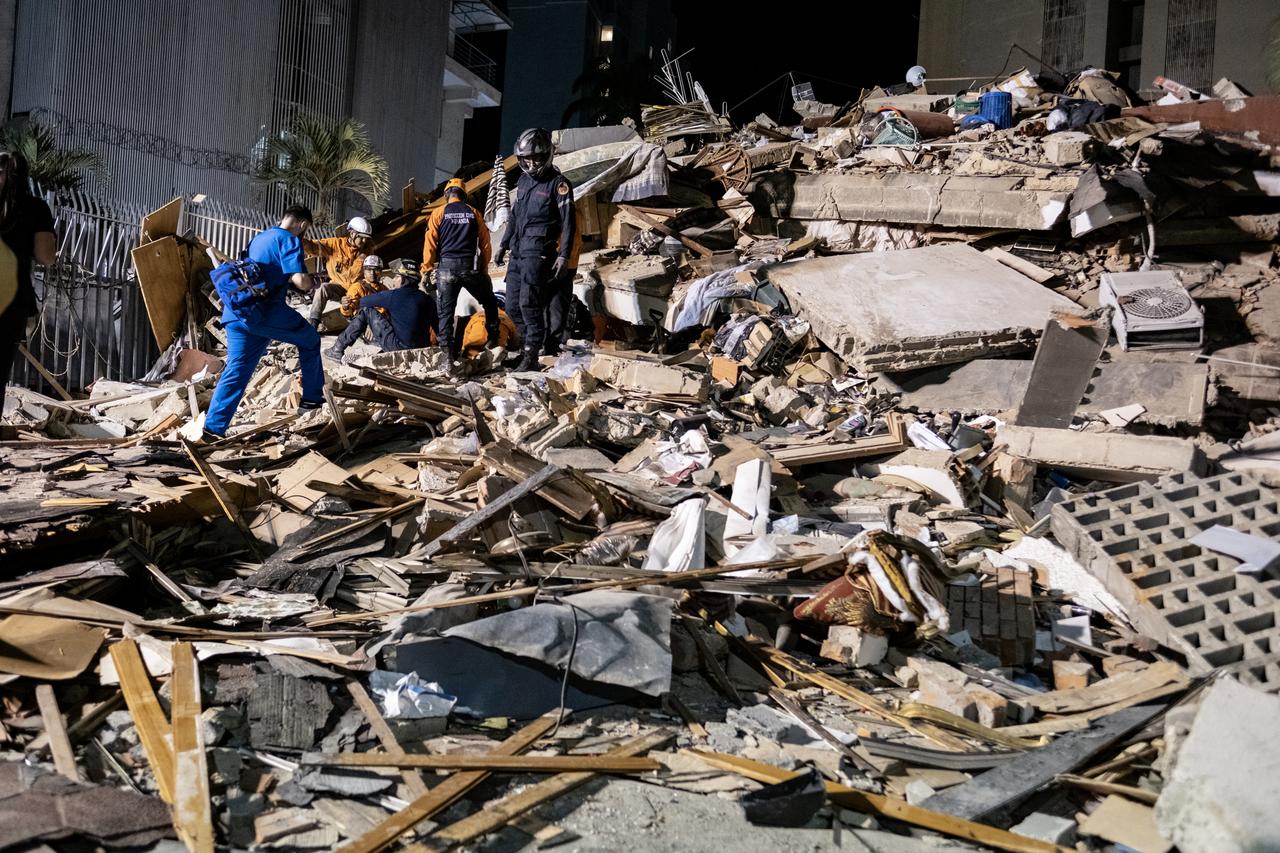
2026 Venezuela Earthquakes, two consecutive earthquakes of magnitudes 7.2 and 7.5 that occurred on Wednesday, 24 June 2026 in Venezuela, approximately 39 seconds apart. The earthquakes caused buildings to collapse and damaged critical infrastructure, particularly in the central and western regions of the country, including the capital Caracas. Venezuela’s Acting Head of State Delcy Rodríguez announced in her statement that at least 32 people had lost their lives and more than 700 were injured, declaring a state of emergency nationwide. The US National Tsunami Warning Center identified the 7.5 magnitude shock as the main event of a sequence known as a “doblete sísmico” (seismic doublet).
2026 Venezuela Earthquakes, 24 June 2026 - (Anadolu Ajansı)
US Geological Survey (USGS) reported that the 7.5 magnitude earthquake occurred 23 kilometers southeast of the town of Yumare in Yaracuy state, while the 7.2 magnitude quake struck 24 kilometers northeast of San Felipe, also in Yaracuy state. It was noted that the depth of the earthquake was 10 kilometers at Yumare and 21.9 kilometers at San Felipe.
Reuters reported that the first earthquake, of magnitude 7.2, occurred approximately 160 kilometers (100 miles) west of Caracas, followed by a 7.5 magnitude shock less than a minute later.
According to La Nación, the epicenter of the first shock was located west of the coastal settlement of Morón, about 168 kilometers west of the capital, at a depth of 13 kilometers; the second shock had a depth of 10 kilometers and its epicenter was situated 16 kilometers southwest of Morón. Primicias and El Universo reported the two earthquakes occurred 39 seconds apart, while La Nación stated they were separated by one minute.
According to Rodríguez’s statements, numerous buildings collapsed in various districts of Caracas, with severe damage reported in the states of Miranda, La Guaira, Aragua, Carabobo and Falcón. Interior Minister Diosdado Cabello said the earthquake was strongly felt in the states of Trujillo, Yaracuy, Carabobo, Aragua, Miranda, Caracas and La Guaira.
The Simón Bolívar International Airport (Maiquetía), located 39 kilometers from Caracas, was closed due to severe structural damage. Rodríguez confirmed “significant damage to the airport’s infrastructure” and suspended air traffic until a further announcement. Cabello noted that the airport’s ceiling had collapsed and all flights had been canceled.
The Caracas Metro and the national railway system were suspended as a precaution while infrastructure damage was assessed. Power, drinking water and domestic gas services were disrupted in various areas; gas supply was halted in regions with the most severe structural damage as a safety measure.
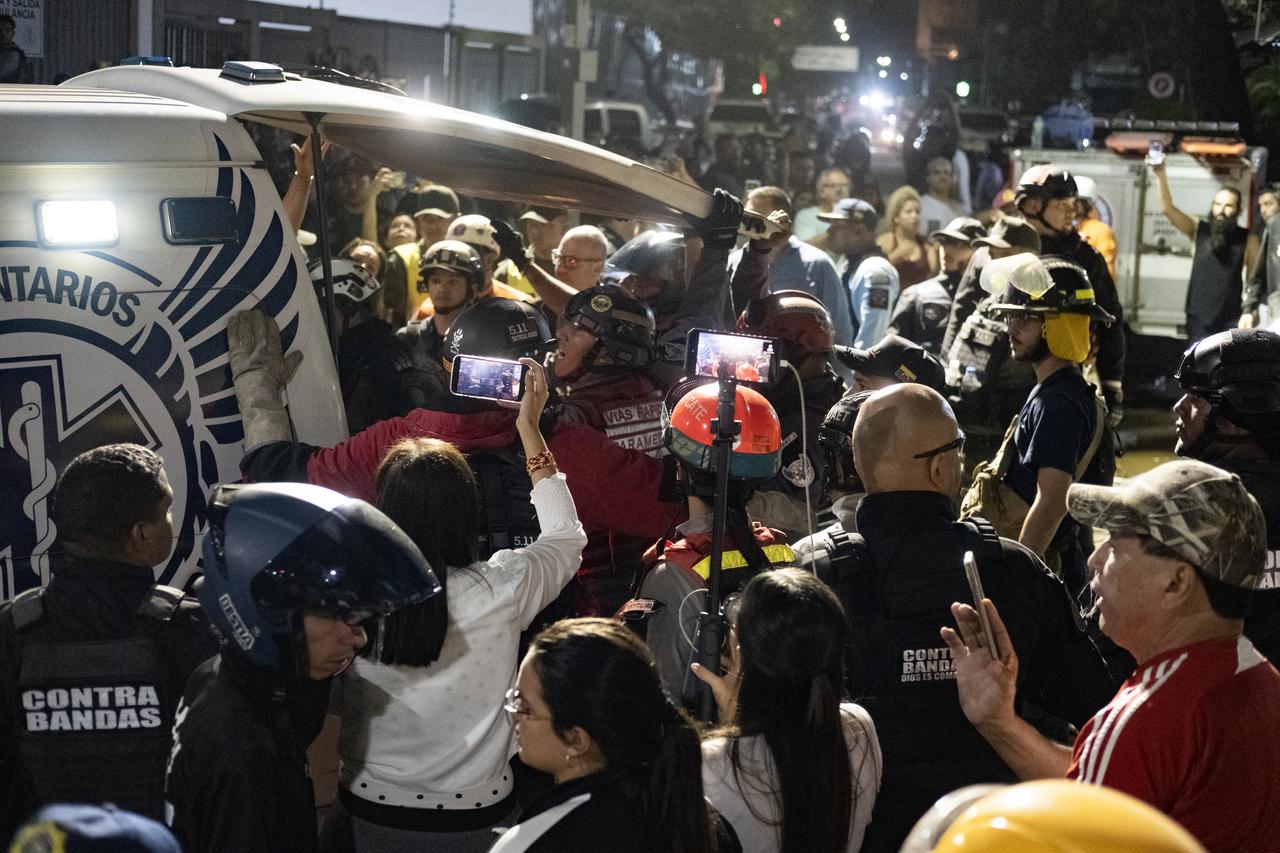
2026 Venezuela Earthquakes, 24 June 2026 - (Anadolu Ajansı)
Delcy Rodríguez confirmed that at least 32 people had died and more than 700 were receiving treatment in public and private medical facilities, warning that the death toll could rise as operations continued in La Guaira. According to Primicias, Rodríguez indicated that the preliminary toll did not include casualties from La Guaira state. Reuters reported that the mayor of the Baruta district confirmed three deaths after two buildings collapsed.
In its initial assessment, USGS estimated that the death toll could range between 10,000 and 100,000, stating that “high loss of life and widespread damage are likely and the disaster is likely to be widespread.”
According to Reuters, USGS later updated its model, reducing the probability of the worst-case scenarios. The revised model estimated a 39% probability of 1,000 to 10,000 fatalities and a 37% probability of 10,000 to 100,000 fatalities.【1】
According to USGS, estimated economic losses are projected to amount to between 1% and 4% of Venezuela’s gross domestic product.【2】 These estimates derive from the PAGER system, whose acronym stands for “Prompt Assessment of Global Earthquakes for Response.” PAGER is an automated system that first estimates the scale and impact of an earthquake using seismic data, then predicts fatalities and economic impact based on population exposure to each level of shaking and country-specific vulnerability models.
Following the earthquakes, the Venezuelan government declared a national state of emergency. Rodríguez announced this decision during a televised address alongside the President of the National Assembly, Jorge Rodríguez, and Interior and Justice Minister Diosdado Cabello..
Rodríguez identified La Guaira state as the most severely affected region, designating it a “disaster zone.” Schools were closed for the remainder of the week and non-essential activities were suspended.
Public and private health networks were placed on maximum alert; doctors, nurses and other medical personnel were called to their posts. Rodríguez announced the formation of an Emergency Staff Committee composed of senior officials to coordinate government response and appointed General Sulbarán as the sole authority responsible for managing the emergency.
Rodríguez reported that at least 20 aftershocks had been recorded following the two main shocks. The Acting Head of State also urged the public to evacuate homes that had sustained significant structural damage.
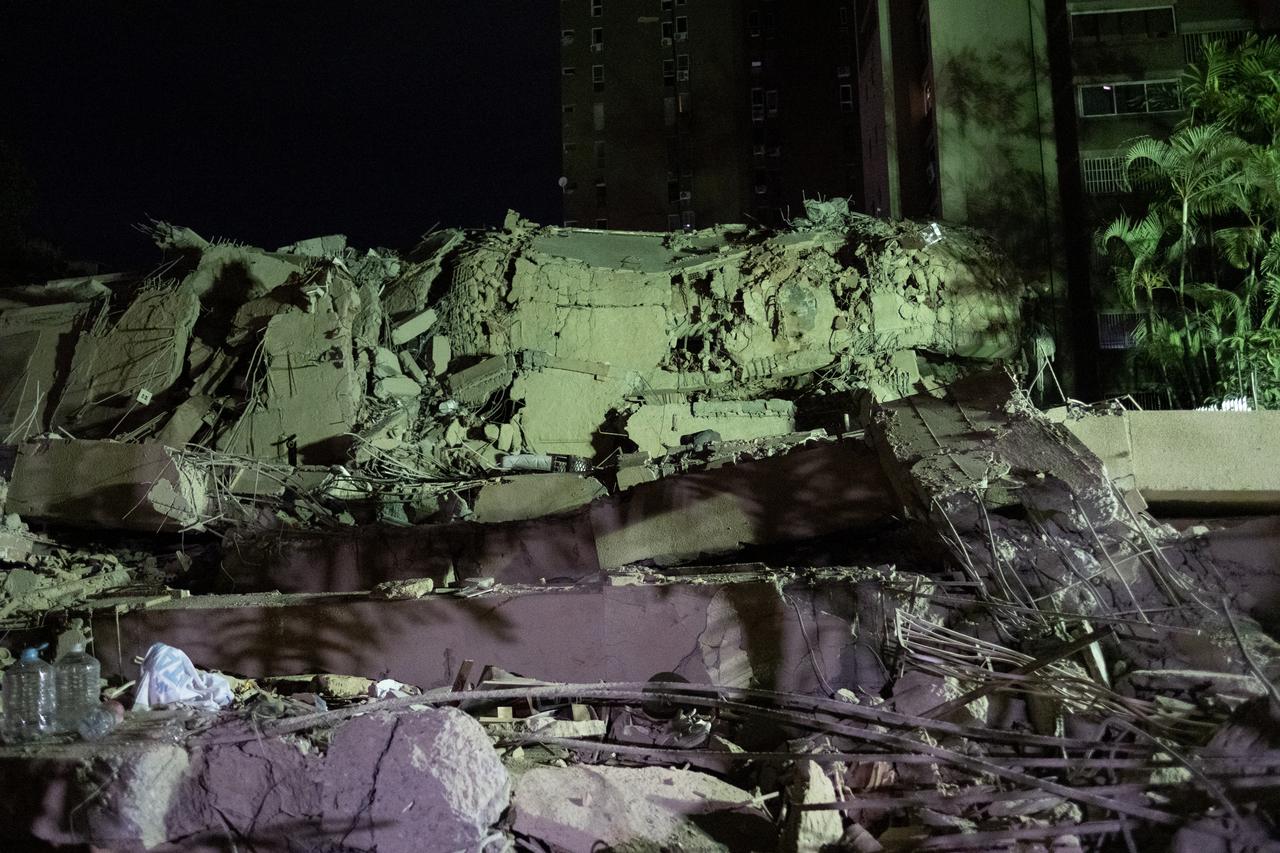
2026 Venezuela Earthquakes, 24 June 2026 - (Anadolu Ajansı)
Speaking at a press conference in the capital Caracas, Rodríguez announced that emergency mechanisms under the General Staff had been activated. She stated: “Two consecutive earthquakes occurred and so far 20 aftershocks have been recorded. This is a serious situation. Buildings have collapsed in various districts of Caracas; similar destruction has occurred in the states of Miranda, La Guaira, Aragua, Carabobo and Falcón. As stipulated in our Constitution, we declare a state of emergency.”
Rodríguez added: “Our priority is saving lives; we will address material reconstruction later. Now is the time for national unity. We must act together to save lives and maintain this solidarity.” She also said: “Immediately after these two earthquakes, all our authorities and our civil defense system dedicated themselves to search and rescue operations.”
Interior Minister Diosdado Cabello described the event as “a seismic occurrence far exceeding magnitude 7.” He warned citizens not to remain in their homes due to the risk of aftershocks.
According to La Nación, Cabello stated that homes and buildings in Caracas “se vinieron abajo” (collapsed), reported “alarmante” (alarming) conditions in the Altamira neighborhood, and urged the public to remain outdoors due to the risk that aftershocks could cause additional damage to structures.
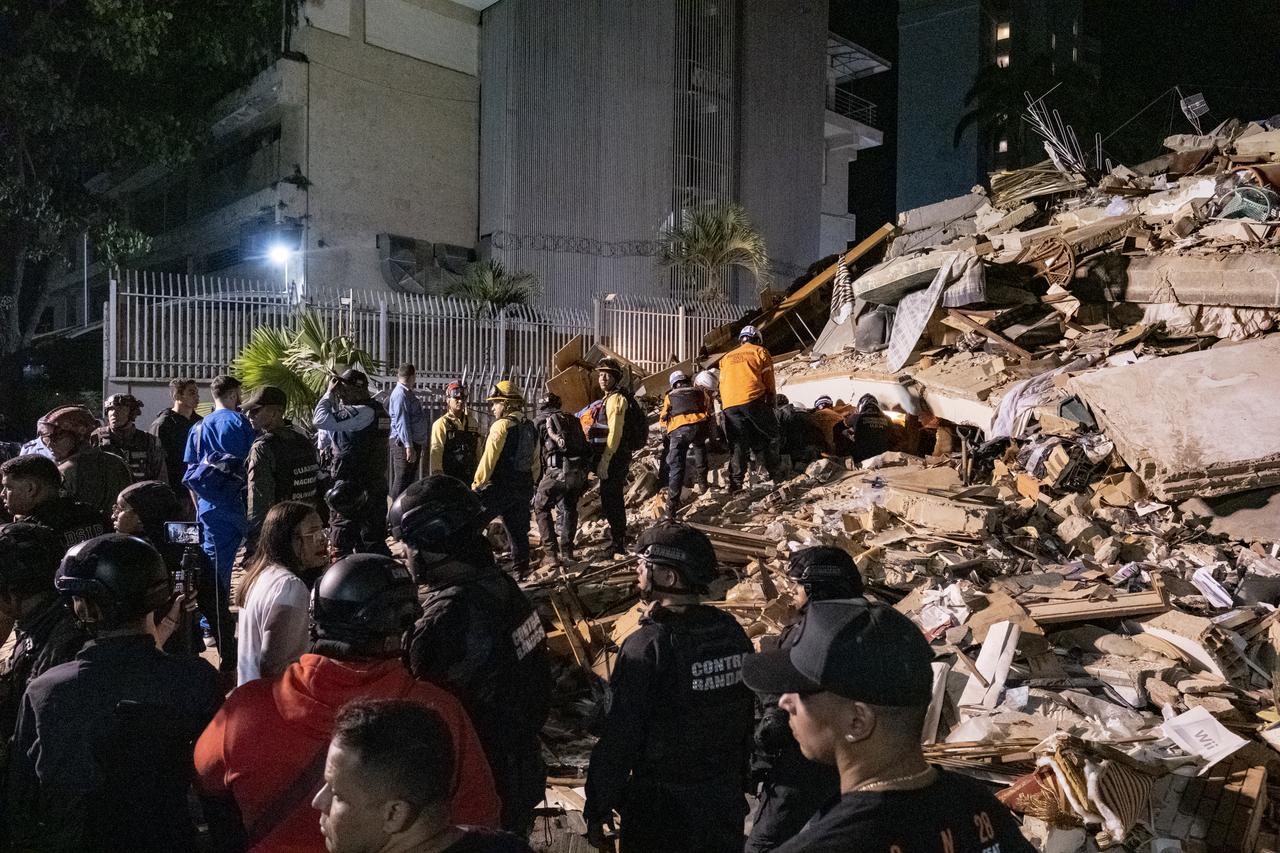
2026 Venezuela Earthquakes, 24 June 2026 - (Anadolu Ajansı)
US President Donald Trump wrote on his social media account Truth Social: “Venezuela’s wonderful people were just struck by two massive earthquakes, both extremely powerful and causing a devastating number of casualties.” Trump noted that the United States was ready to provide any assistance and had issued necessary orders to all relevant agencies: “We stand with our new and wonderful friends. The initial reports are not good.”
US Deputy Secretary of State Christopher Landau announced on social media that the United States was in contact with Venezuelan authorities and had activated its aid response. The US State Department confirmed it had deployed a disaster response team and personnel, and would send search and rescue teams along with medical and humanitarian supplies.
Rodríguez thanked countries that expressed solidarity. According to Anadolu Ajansı, she extended her gratitude to the United States, Panama, Qatar, Ecuador, Colombia, United Kingdom, Brazil and Mexico, as well as the United Nations and multilateral financial institutions. Primicias reported that Brazil, Mexico, Cuba, Nicaragua, Jordan, Barbados and Curaçao were also among the countries offering aid and solidarity.
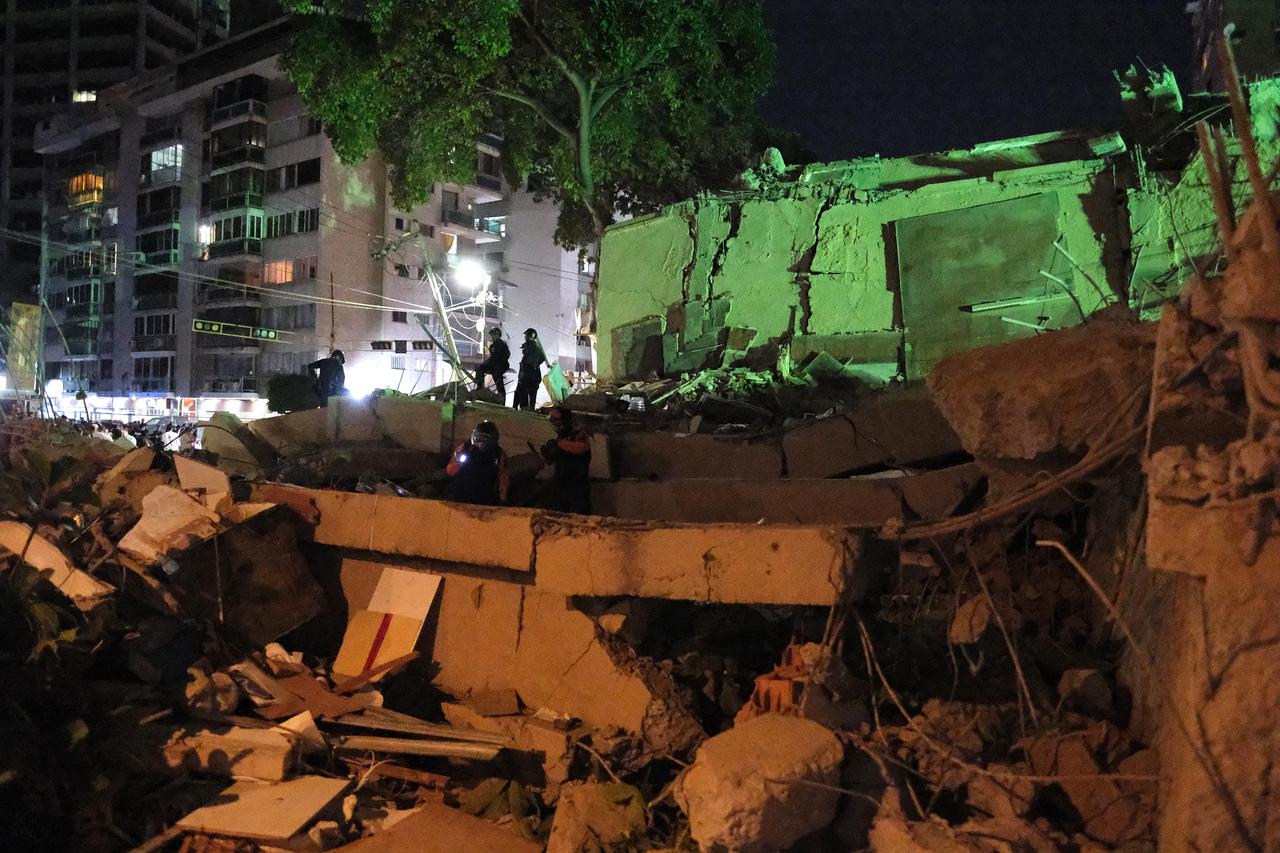
2026 Venezuela Earthquakes, 24 June 2026 - (Anadolu Ajansı)
Opposition leader and Nobel Peace Prize laureate María Corina Machado wrote on her social media account: “My heart, my endless hugs and prayers are with every Venezuelan family during these anxious hours. Let strength, calm and solidarity prevail among us in this difficult moment.” Machado also said: “May God protect every Venezuelan, our families and our homes. Today we are more united than ever.”
Former Ambassador Edmundo González Urrutia wrote in his post: “Two consecutive earthquakes have caused significant damage in Venezuela. Collapsed buildings. Panic in the streets. Two hours later we still do not know how many are injured or dead.”
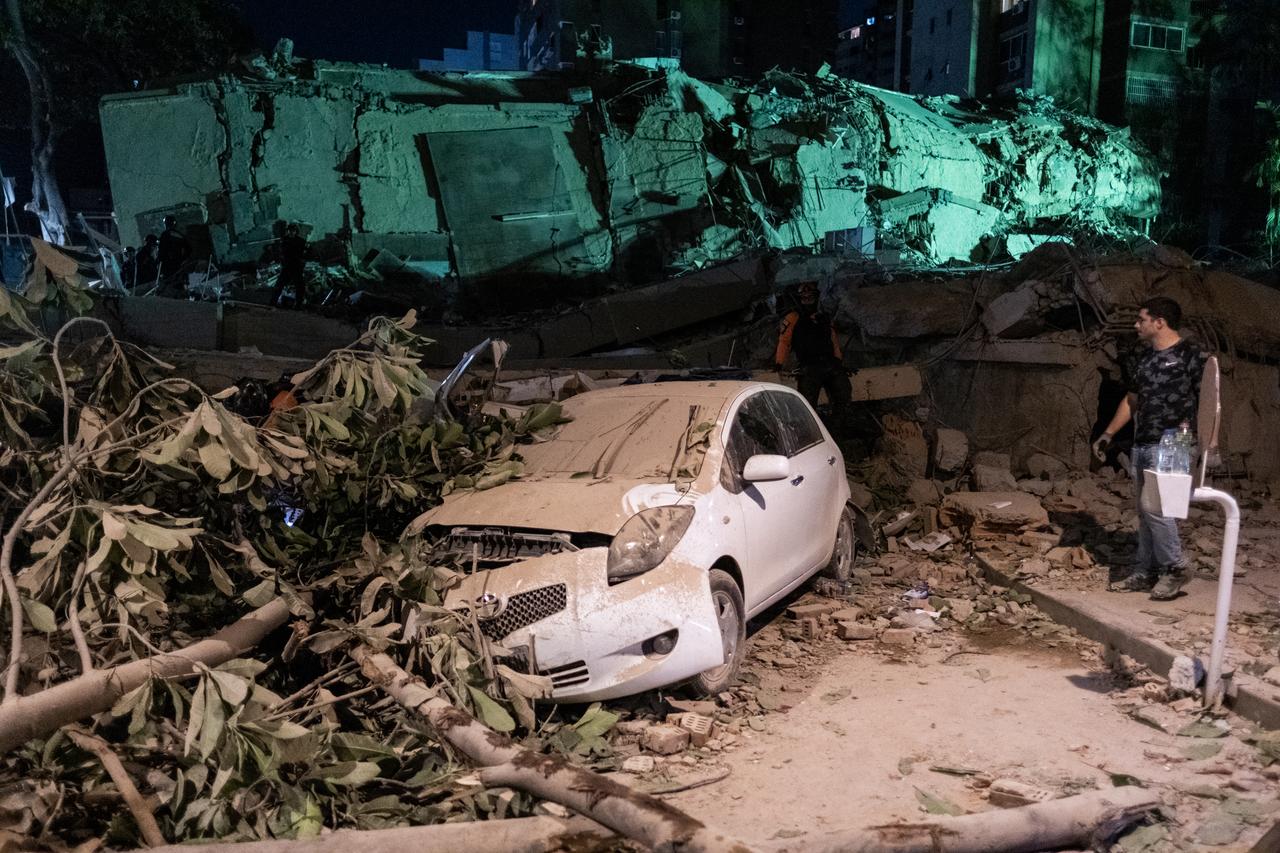
2026 Venezuela Earthquakes, 24 June 2026 - (Anadolu Ajansı)
Venezuela lies in a seismically active region where the Caribbean Plate meets the South American Plate. According to La Nación, after the earthquakes, reassessments of the Boconó Fault were renewed. According to the Venezuelan Foundation for Seismological Research (Funvisis), this geological fault, approximately 500 kilometers long, forms the primary continental boundary between the Caribbean and South American plates and extends to the vicinity of Morón, where the epicenters were located.
La Nación reported that these earthquakes rank among the strongest to have struck Venezuela in over a century, citing the 1900 San Narciso earthquake at magnitude 7.6 and the 2018 Sucre earthquake at magnitude 7.3. According to Reuters, based on USGS data, a major earthquake in 1812 that affected the cities of Mérida and Caracas claimed approximately 30,000 lives, and a 1967 earthquake that struck Caracas killed 240 people, mostly in the city’s affluent central districts.
La Nación reported that the US Tsunami Warning System issued an alert for Puerto Rico and the Virgin Islands shortly after the earthquakes, but later lifted the warning.
Al Jazeera. "Venezuela Earthquakes Live: Tremors of 7.5, 7.2 Kill 32, Injure Hundreds." Accessed June 25, 2026. https://www.aljazeera.com/news/liveblog/2026/6/25/venezuela-earthquakes-live-two-powerful-quakes-shake-s-american-country
Anadolu Ajansı. "Venezuela’da 7,2 ve 7,5 Şiddetinde Ardışık İki Deprem Meydana Geldi." Accessed June 25, 2026. https://www.aa.com.tr/tr/dunya/venezuelada-7-2-ve-7-5-siddetinde-ardisik-iki-deprem-meydana-geldi/3977220
BBC News. "Venezuela Earthquakes Kill at Least 32, With 700 Injured, as Buildings Destroyed Across Caracas." Accessed June 25, 2026. https://www.bbc.com/news/live/c621z18wznet?page=2
El Universo. "Terremoto en Venezuela: Delcy Rodríguez Pide Mantener la Unión para Salvar Vidas Tras Sismos." Accessed June 25, 2026. https://www.eluniverso.com/noticias/internacional/terremoto-en-venezuela-delcy-rodriguez-pide-mantener-la-union-para-salvar-vidas-tras-sismos-nota/
Fundación Venezolana de Investigaciones Sismológicas (FUNVISIS). "Sismos Recientes." Accessed June 25, 2026. http://www.funvisis.gob.ve/index.php
La Nación. "Dos Terremotos Sacudieron Venezuela y Provocaron el Derrumbe de Casas y Edificios: 32 Personas Murieron y Hay 700 Heridos." Accessed June 25, 2026. https://www.lanacion.com.ar/el-mundo/un-sismo-de-magnitud-71-sacudio-caracas-y-se-sintio-en-otras-ciudades-de-venezuela-nid24062026/
Primicias. "Terremoto en Venezuela: Delcy Rodríguez Declara Estado de Emergencia; La Guaira es Zona de Desastre." Accessed June 25, 2026. https://www.primicias.ec/internacional/terremoto-venezuela-delcy-rodriguez-estado-emergencia-clases-vuelos-aeropuerto-maiquetia-126322/
Reuters. "Venezuela Earthquakes Live: Many Casualties Feared After Buildings Collapse in Caracas and Elsewhere." Accessed June 25, 2026. https://www.reuters.com/world/venezuela-earthquake-live-high-casualties-likely-after-two-strong-quakes-2026-06-25/
[1]
Reuters, “Venezuela Earthquakes Live: Many Casualties Feared After Buildings Collapse in Caracas and Elsewhere,” Reuters, Accessed 25 June 2026, https://www.reuters.com/world/venezuela-earthquake-live-high-casualties-likely-after-two-strong-quakes-2026-06-25/
[2]
Reuters, “Venezuela Earthquakes Live: Many Casualties Feared After Buildings Collapse in Caracas and Elsewhere.”
Statements regarding casualties were updated on 26 June 2026. Venezuela’s Minister of Health, Carlos Alvarado, announced that the death toll had risen to approximately 235 and the number of injured had exceeded 4,300.
In a statement to the state television channel Venezolana de Televisión (VTV), Alvarado confirmed that more than 4,300 injured individuals had received treatment within the public health system, including the 235 people who either arrived at medical centers without vital signs or died shortly after arrival. Alvarado noted that the majority of deaths and severe injuries were concentrated in the La Guaira state, and that as hospitals became overwhelmed, field hospitals were established along the coast.
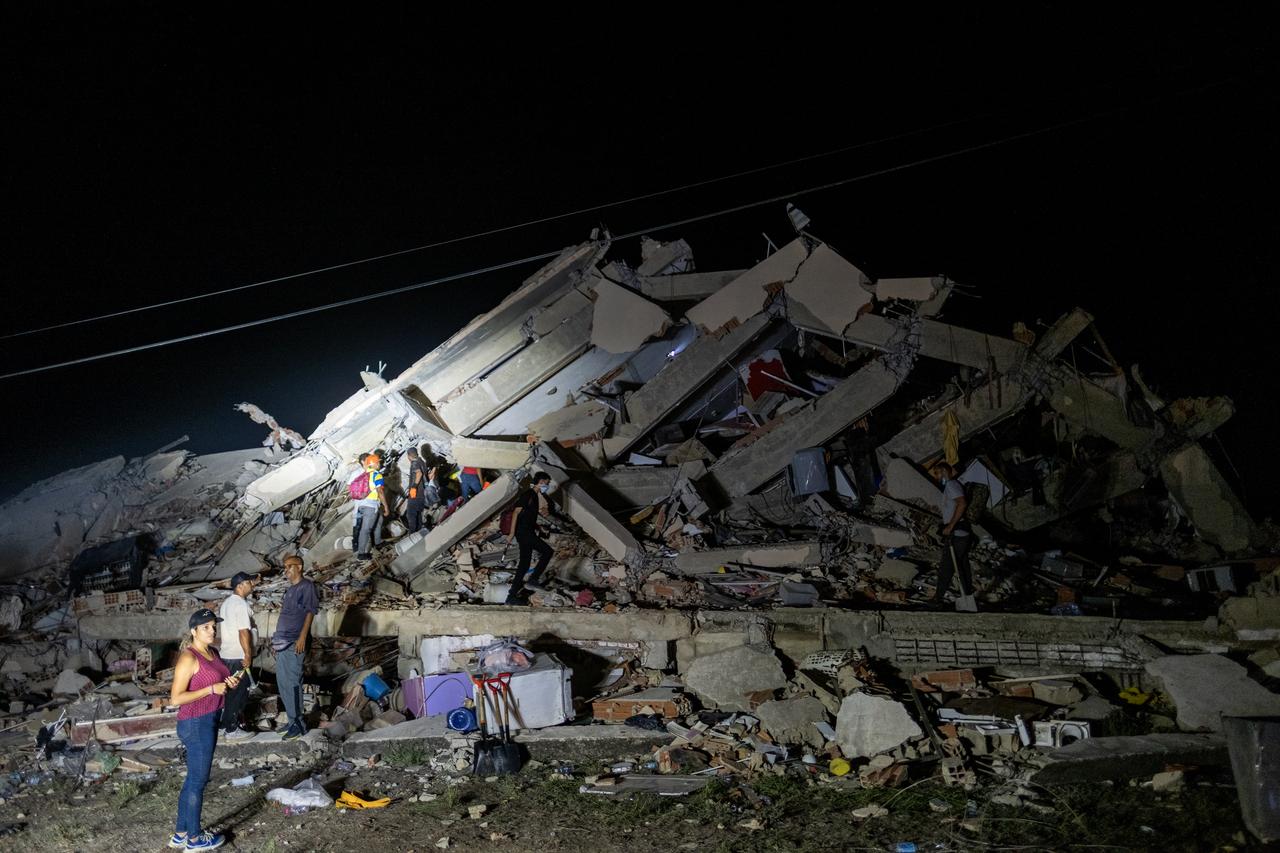
2026 Venezuela Earthquakes, 25 June 2026 - (Anadolu Ajansı)
Jorge Rodríguez stated that the earthquakes affected at least 346 infrastructure points, primarily in La Guaira, including 250 apartment buildings and 20 shopping centers. According to the same statement, structural damage also impacted eight regional hospitals, forcing emergency personnel to transfer patients to other clinics.
Interior Minister Diosdado Cabello announced that over 100 buildings had collapsed in La Guaira and more than 70,000 families had been affected by the earthquakes; he also stated that the number of personnel deployed to the state had increased from 4,200 to 11,500.
According to Al Jazeera, La Guaira, one of Venezuela’s 23 states, has a population exceeding 480,000. Located on the country’s northern coast, the state hosts one of its main seaports and its primary international airport. Its position, squeezed between the Caribbean Sea to the north and the steep mountain range known as the Venezuelan Coastal Range to the south, makes it especially vulnerable to natural disasters such as earthquakes and landslides.
London-based internet monitoring organization NetBlocks reported that internet connectivity in Venezuela remained below normal levels, hindering rescue efforts, but that the situation had partially improved.
According to censorship monitoring group VE Sin Filtro, the Venezuelan government partially lifted a two-year ban on the social media platform X, implemented via major internet service providers including the state-owned CANTV. The restrictions had been imposed after the 2024 elections. SpaceX’s Starlink announced it would provide free satellite internet access to users in Venezuela for one month and would deploy terminals in the hardest-hit areas to restore connectivity.
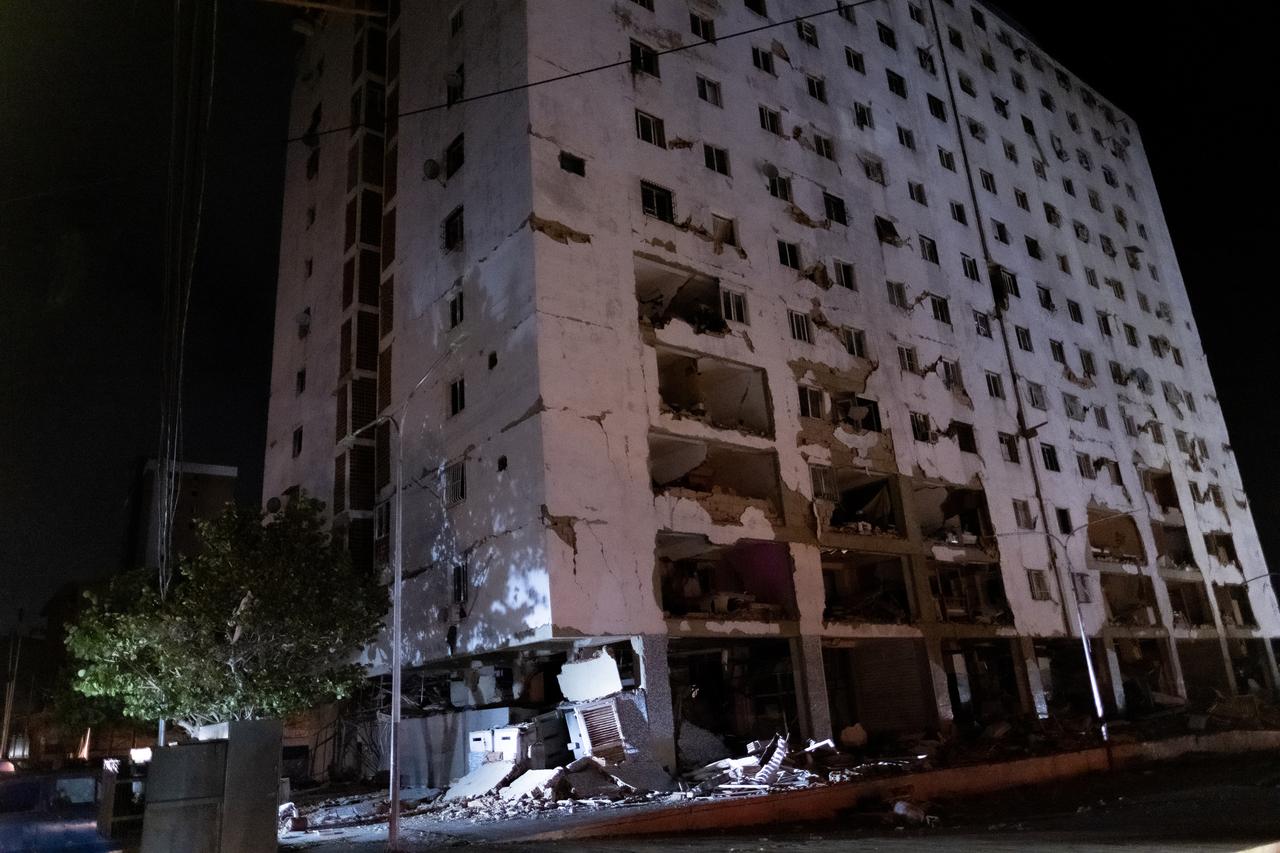
2026 Venezuela Earthquakes, 25 June 2026 - (Anadolu Ajansı)
Following earthquakes of magnitude 7.2 at 01:04 and 7.5 at 01:05 Türkiye time in Venezuela’s Yaracuy region, humanitarian preparedness efforts in Türkiye were completed under the coordination of the Disaster and Emergency Management Presidency (AFAD). Communication has been established between relevant institutions including the Ministry of Foreign Affairs, the Ministry of National Defense, the Ministry of Health, and the General Directorate of Presidential Security Affairs.
A 37-member AFAD search and rescue and humanitarian aid team, a 6-member National Medical Rescue Team (UMKE) from the Ministry of Health, two humanitarian aid personnel from the Turkish Red Crescent, two search dogs, and three fully equipped search and rescue vehicles are being dispatched to the disaster zone via an A-400M military transport aircraft from Istanbul, İzmir and Denizli. Developments and needs assessments in the region are being monitored through the Ministry of Foreign Affairs and Türkiye’s Embassy in Caracas.
The U.S. Department of State announced it has mobilized $150 million in humanitarian assistance for Venezuela. According to Reuters, $50 million of this amount constitutes new bilateral funding for partners such as the World Food Programme and International Medical Corps, while $100 million is a contribution to a United Nations pooled fund. The department also confirmed the deployment of a disaster response team including two urban search and rescue units.
U.S. Southern Command (SOUTHCOM) stated that Venezuela’s interim government had formally requested U.S. assistance following the earthquakes; U.S. Marine Corps Lieutenant General Kevin J. Jarrard arrived in Caracas to oversee relief operations. SOUTHCOM noted it had directed significant forces to the effort, including an amphibious transport dock and a warship. U.S. Secretary of Defense Pete Hegseth stated that he had activated the Department of Defense at President Trump’s direction, emphasizing that their mission was to save lives and deliver critical aid to those in greatest need.
UN Humanitarian Coordinator Tom Fletcher confirmed he was coordinating the deployment of urban search and rescue teams from around the world and that $15 million had been released from the emergency fund. According to Reuters, Fletcher noted that even before the earthquakes, approximately 8 million people in Venezuela required humanitarian assistance, and that the disaster could further exacerbate their vulnerability. Delcy Rodríguez reported having met with UN Secretary-General António Guterres, who expressed solidarity with the Venezuelan people and offered condolences for the tragedy. UNICEF Director Catherine Russell stated that thousands of children were at risk and that their safety and well-being must remain central to the response. According to Vatican media, Pope Francis sent €100,000 from the Vatican’s relief fund for earthquake aid.
Latin American countries have sent search and rescue teams and humanitarian aid. Mexico dispatched 250 military rescue personnel, five dogs, four aircraft, and one unmanned aerial vehicle; Colombia sent a team of over 60 personnel, four dog units, and 12 tons of equipment; Ecuador sent 46 experts, two dogs, and six tons of equipment. Salvadoran President Nayib Bukele announced the dispatch of three aircraft carrying personnel and 50 tons of supplies.
At least 188 rescue workers from El Salvador have arrived in Venezuela. Brazilian President Luiz Inácio Lula da Silva announced that on Friday a team of 36 firefighters, four telecommunications experts, and four civil defense technicians would depart with over nine tons of equipment; on Saturday a second aircraft carrying a field hospital, 100 solar-powered water purifiers, and medical supplies would be sent. Panamanian President José Raúl Mulino confirmed he would send a rescue mission; Cuban President Miguel Díaz-Canel stated that Cuban medical personnel were assisting injured victims.
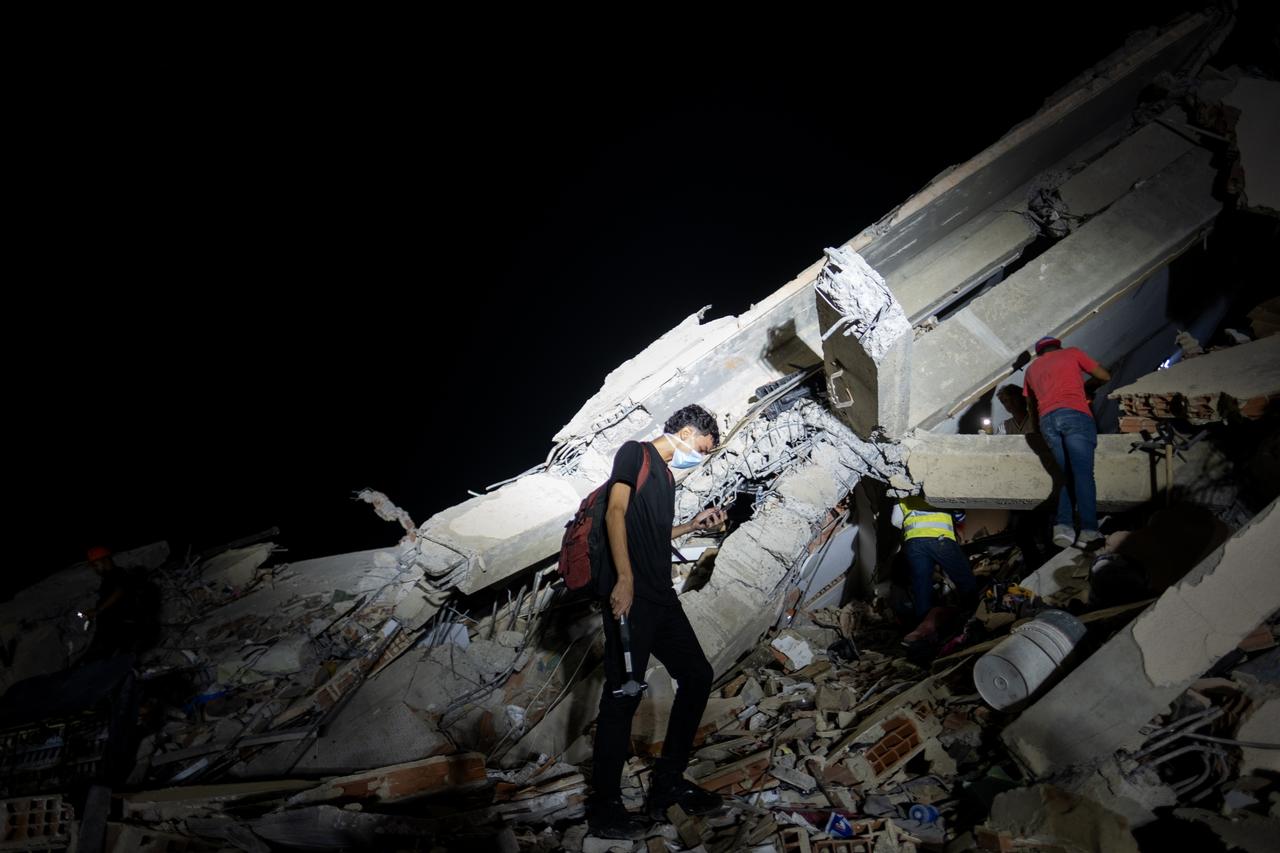
2026 Venezuela Earthquakes, 25 June 2026 - (Anadolu Ajansı)
Panama, Peru, Argentina, Paraguay, Costa Rica, Guatemala, and Uruguay have also pledged emergency personnel and material aid packages.
France is sending an urban search and rescue unit comprising medical teams, engineers, and dogs; Spain is dispatching 57 military personnel from its search and rescue unit, 40 firefighters from the Madrid region, and a field hospital; Italy is sending a preliminary team along with personnel from its fire service, defense ministry, and air force.
Spain’s Ministry of Foreign Affairs confirmed that two Spanish citizens had died and that contact could not be established with 80 others.
Canadian Foreign Minister Anita Anand announced that $3.5 million in initial humanitarian aid would be provided.
China stated it was ready to provide assistance within its capabilities; Iran announced it was prepared to participate in rescue and aid operations; and the European Union indicated it was ready to mobilize aid if requested.
World Central Kitchen founder chef José Andrés announced that his team had begun distributing meals in Caracas and would contribute $1 million through the Longer Tables Fund.
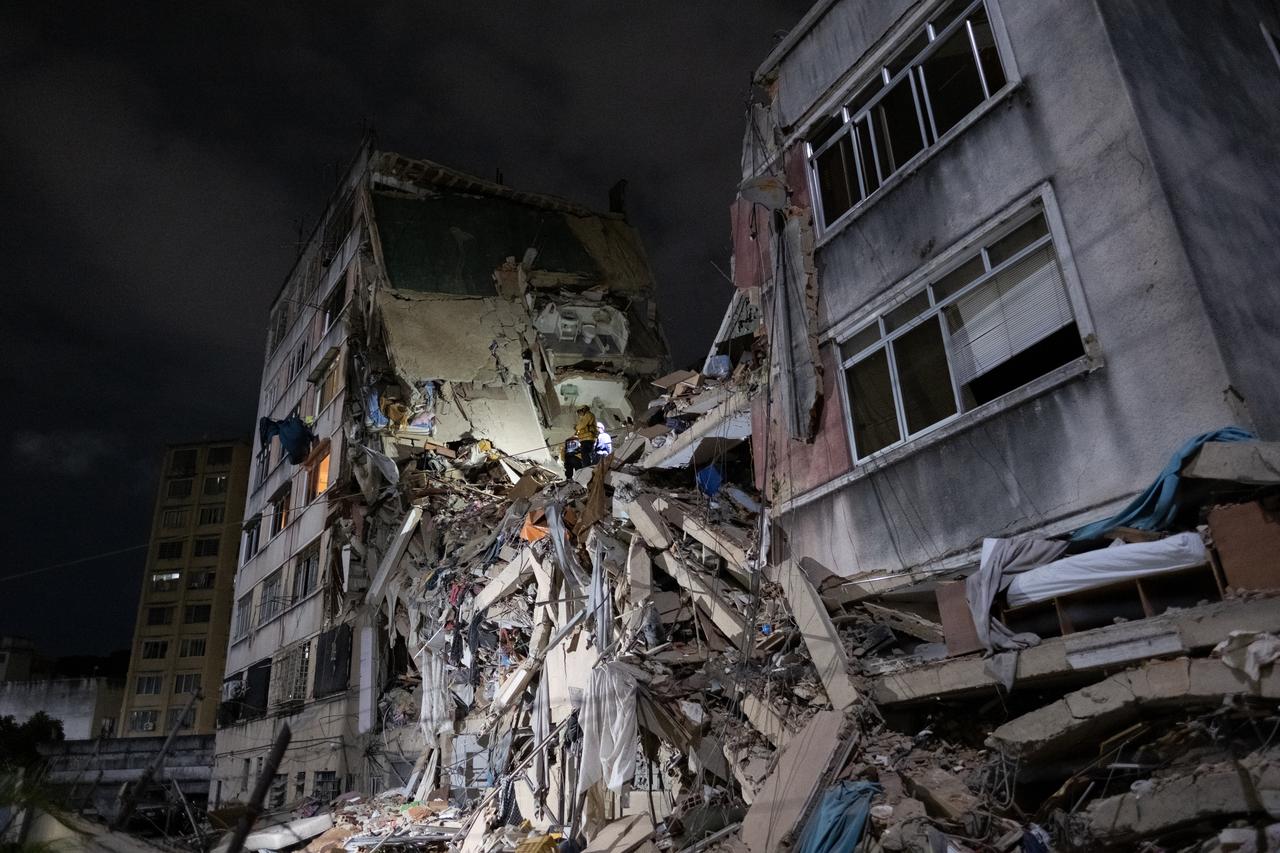
2026 Venezuela Earthquakes, 25 June 2026 - (Anadolu Ajansı)
Amnesty International Secretary General Agnès Callamard warned that the earthquakes risk deepening Venezuela’s decade-long human rights and humanitarian crisis and called on the international community to act urgently to provide humanitarian aid. The Washington Office on Latin America (WOLA), based in the United States, reported that Venezuela has endured a complex humanitarian crisis since 2016 with limited capacity for intervention and called for the removal of restrictions on journalism, social media, and VPN use to facilitate information sharing.
The Center for Economic and Policy Research (CEPR), based in the United States, called for the lifting of sanctions against Venezuela by the United States and other countries to strengthen the country’s capacity to respond to the earthquakes. Plan International’s Regional Director for Latin America and the Caribbean, Carmen Elena Alemán, stated that the emotional impact of the earthquakes could last for years and that long-term psychological support would be essential.
Al Jazeera reported that Venezuela lies at the boundary between the Caribbean and South American tectonic plates, which slide past each other at a rate of approximately 22 millimeters per year. According to the same source, the twin earthquakes on 24 June resulted from the sudden release of accumulated stress along this plate boundary. The country is also susceptible to shallow earthquakes, occurring within 20 kilometers of the surface, which can generate stronger shaking.
Venezuela has been struck by earthquakes of magnitude 6 or higher in 2009, 1989, and 1975. The deadliest recorded earthquake occurred in 1967, with a magnitude of 6.6 and an estimated death toll approaching 300.
Al Jazeera. "Venezuela Earthquakes Live: Rescue Efforts Intensify as Death Toll Hits 235." Al Jazeera Live Blog. Accessed June 26, 2026. https://www.aljazeera.com/news/liveblog/2026/6/25/venezuela-earthquakes-live-at-least-188-dead-as-rescue-efforts-intensify
Anadolu Ajansı. "Death Toll from Venezuela Earthquakes Rises to 235." Anadolu Ajansı. Accessed June 26, 2026. https://www.aa.com.tr/en/americas/death-toll-from-venezuela-earthquakes-rises-to-235/3978368
CNN. "June 24-25, 2026 — Venezuela Rocked by 7.5 and 7.2 Magnitude Earthquakes." CNN Live Updates. Accessed June 26, 2026. https://edition.cnn.com/2026/06/24/weather/live-news/venezuela-earthquake-puerto-rico-tsunami
Reuters. "International Aid Heads to Venezuela After Deadly Earthquake." Reuters. Accessed June 26, 2026. https://www.reuters.com/world/americas/international-aid-heads-venezuela-after-deadly-earthquake-2026-06-25/
TRT Haber. "Türkiye, Venezuela’ya Arama Kurtarma Ekibi Gönderiyor." TRT Haber. Accessed June 26, 2026. https://www.trthaber.com/haber/gundem/turkiye-venezuelaya-arama-kurtarma-ekibi-gonderiyor-949391.html
Interim Head of State Delcy Rodríguez announced on 26 June 2026 (Friday) that the death toll had reached at least 589 and the number of injured had risen to 2,980; by that evening, the figures were updated to 920 dead and more than 3,300 injured.
On 27 June 2026 (Saturday), National Assembly President Jorge Rodríguez reported that the number of fatalities had risen to at least 1,430, the number of injured had increased to 3,238, and over 400 aftershocks had been recorded.
On 28 June 2026 (Sunday), Jorge Rodríguez stated that the death toll had risen to 1,450, while the number of injured had decreased from the previous estimate of approximately 3,200 to 3,150. The same statement noted that 12,721 people had been displaced, 774 buildings had been affected, and 189 of them had collapsed.
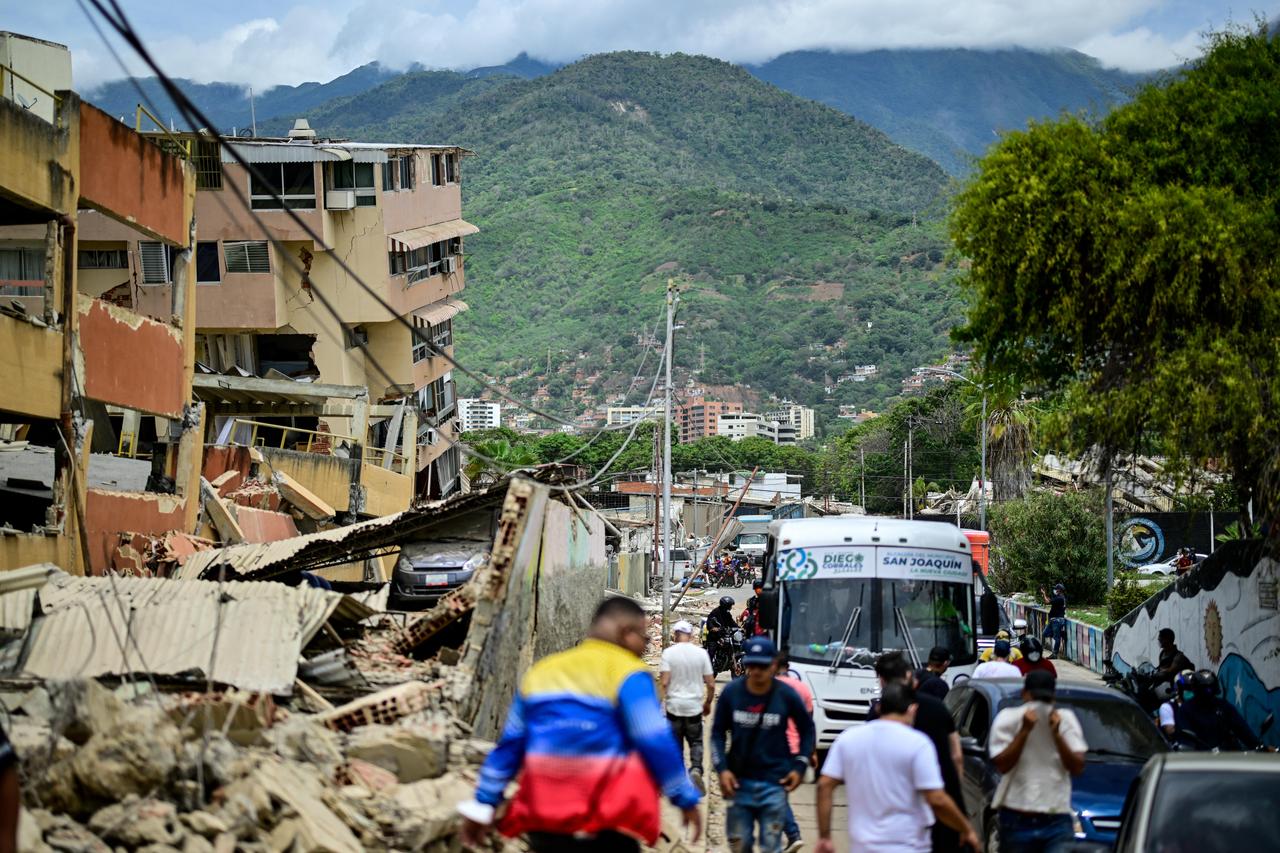
Venezuela after the earthquake, 29 June 2026 – (Anadolu Ajansı)
An online portal established on 25 June to report missing persons indicated that over 25,000 people had been listed as missing. According to Associated Press, on 26 June (Friday) over 51,000 people were reported missing, and by the morning of 27 June (Saturday) the number had risen to approximately 68,900; the agency noted that these figures may include individuals unreachable due to lack of mobile signal and duplicate entries.
NBC News reported that as of 29 June, on an internet platform where families shared information about their loved ones, more than 46,000 people appeared as missing, with no information yet on how many had been found.
According to official figures reported by ABC News, on 28 June 774 buildings were affected by the earthquake and 189 collapsed. According to the same source, researchers from Oregon State University, analyzing Copernicus Sentinel-1 satellite data, estimated that up to 58,870 buildings may have been damaged or destroyed as of the satellite pass on 25 June.
According to the first satellite mapping analysis by the United Nations International Organization for Migration (IOM), 31.5 percent of buildings in Catia La Mar sustained damage. CNN reported that satellite imagery revealed that more than 100 buildings in the town of Caraballeda in La Guaira state had partially or completely collapsed. According to Anadolu Ajansı, in neighborhoods of Caracas including Chacao, Altamira, and those connected to the historic center, some structures had collapsed, and over 600 buildings were found to have deep cracks and structural column damage.
On 27 June 2026, the United States Geological Survey (USGS) reported a magnitude 4.8 earthquake with its epicenter 35 kilometers northeast of El Limón in Aragua state and at a depth of 10 kilometers.
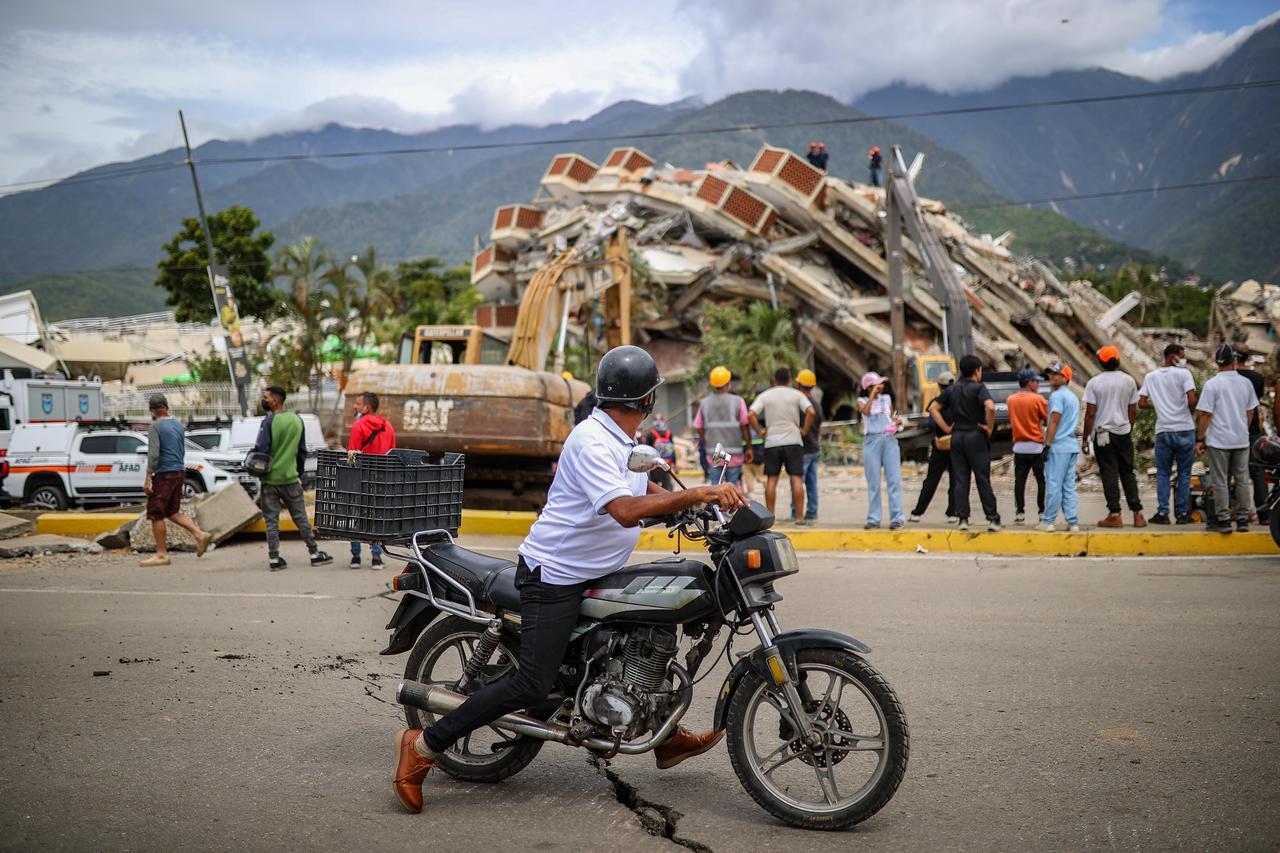
Venezuela after the earthquake, 29 June 2026 – (Anadolu Ajansı)
According to international aid organizations, the first 48 to 72 hours after a disaster are considered a critical “golden window” for reaching those trapped under rubble, a period that can be extended if access to water and food is maintained. Jorge Rodríguez stated on 27 June that at least 172 people remained trapped under collapsed buildings.
According to ABC News, Salvadoran teams rescued 60-year-old Belkys Josefina Barreto García, who had been trapped under rubble for 86 hours in La Guaira, after an 11-hour operation; the critically injured woman was transferred to Caracas. NBC News reported that on the morning of 28 June (Sunday), teams from the United States, France, and Venezuela rescued a father and his son alive after four days under rubble; a Colombian team located an 11-year-old child approximately three meters underground using a scanner and extracted him with a broken arm (the child’s mother and sister had died).
ABC News reported that Bolivian teams rescued two people alive from the rubble over the weekend.[21] Delcy Rodríguez announced on 29 June that 33 people had been found alive over the weekend and that rescue operations would not be halted.
CNN, citing an announcement by the Venezuelan national team and the Venezuelan Football Federation (FVF), reported that numerous Venezuelan football players lost their lives in the earthquakes; it also reported that another player, Héctor Bello, died while protecting his wife’s young children.
Turkish search and rescue teams arrived at Simón Bolívar International Airport in Caracas on 28 June 2026 via two military transport aircraft and were received by Turkey’s Ambassador to Caracas, Naci Aydan Karamanoğlu. Karamanoğlu stated that the earthquake was of a magnitude unseen in Venezuela in 125 years and that the greatest destruction occurred in La Guaira state, where the airport is located, adding that the images resembled those of the 6 February earthquakesin Türkiye.
Commander of the Turkish Armed Forces Humanitarian Aid Brigade, Brigadier General Mehmet Bahtiyar, stated that they had arrived in Venezuela with a fully equipped search and rescue unit and four search and rescue dogs. Haluk Önay Erten, Deputy Director of AFAD in Denizli, noted that AFAD had deployed a BM-accredited heavy-level team, working continuously on a 24-hour basis, and that the team included two representatives from the Ministry of Health’s UMKE and the Turkish Red Crescent.
According to Anadolu Ajansı, AFAD and TSK teams responded to a report of possible survivors under the rubble of a 14-story collapsed building in the La Paez neighborhood of La Guaira, the area most affected by the earthquake, and began operations in coordination with Spanish teams. Local residents reported that the collapsed building contained 43 apartments, 41 of which were occupied.
According to the United Nations Office for the Coordination of Humanitarian Affairs (OCHA), on 27 June at least 30 teams, over 1,600 personnel, and more than 100 dogs were on the ground. At least 17 of these teams were coordinated by OCHA. Delcy Rodríguez announced on the evening of 27 June that 24 countries had sent 521 tons of supplies, 86 dog teams, and over 2,741 search and rescue personnel.
NBC News reported that as of 28 June, a total of 44 international urban search and rescue teams, 2,245 experts, and 140 dogs had been deployed to the country; teams from Israel arrived on 29 June.
According to Anadolu Ajansı, Syria, under the instructions of President Ahmed al-Shara, dispatched a 15-member international search and rescue team from Damascus International Airport to Venezuela. The operation is being conducted jointly with Qatar’s International Search and Rescue Team (Lekhwiya) under the Internal Security Forces, a move considered significant as it marks Syria’s first deployment of an international search and rescue team outside its borders.
CNN reported that on 28 June, the European Union launched an emergency aid package of 5 million euros (approximately 5.6 million US dollars) for communities affected by the earthquakes. According to the same source, Peru sent over 14 tons of humanitarian aid; Paraguay, despite having severed diplomatic relations with Venezuela, dispatched 32 military personnel.
In addition to the $150 million in aid pledged by the US Department of State, ABC News reported that the Trump administration is preparing to announce a nine-digit supplemental aid package. For the first time in over a decade, the Department has mobilized a team outside of USA-1 and USA-2, deploying a third urban search and rescue team of 80 personnel and six dogs from Miami-Dade County. The Virginia Task Force 1 team consists of 79 to 80 personnel, six dogs, and over 70,000 pounds of equipment; the Los Angeles County team includes 71 personnel and six dogs.
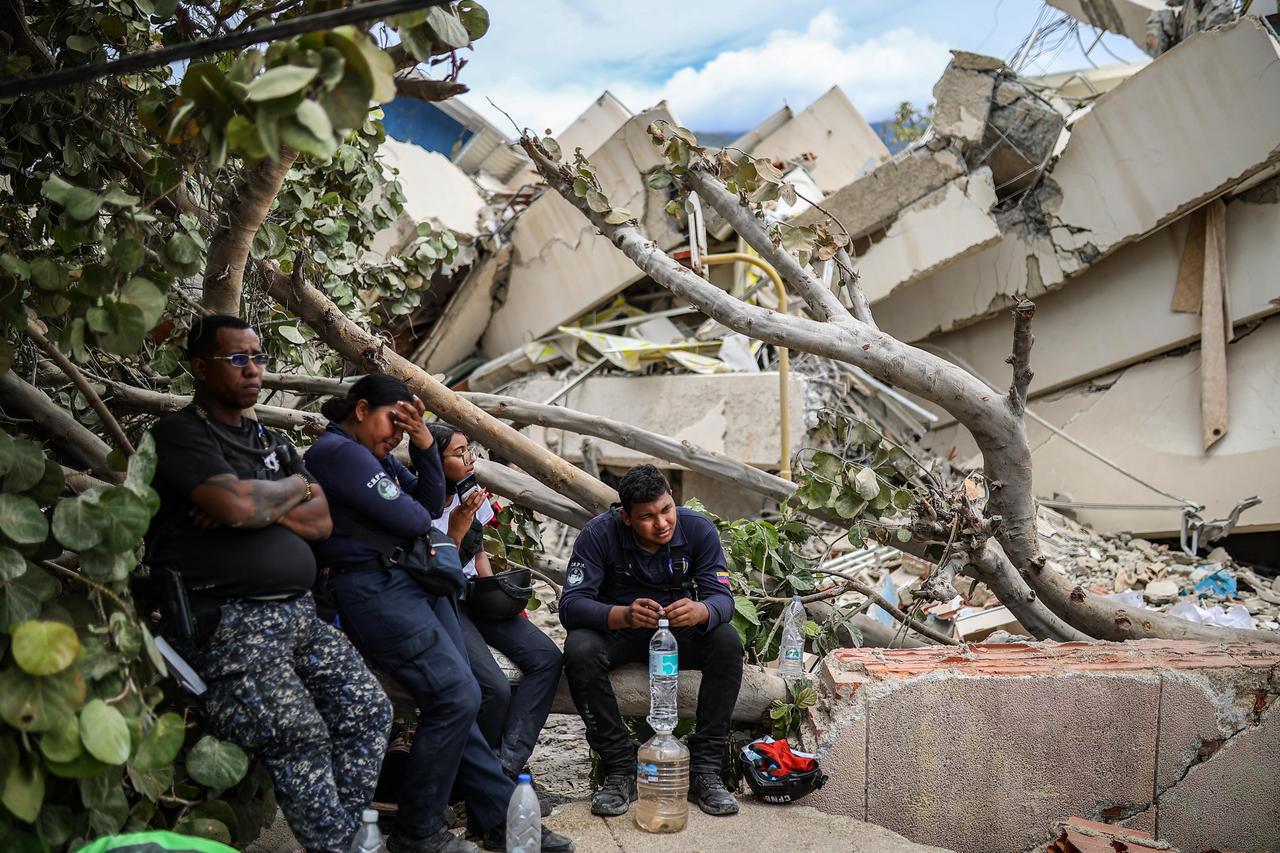
Venezuela after the earthquake, 29 June 2026 – (Anadolu Ajansı)
US Southern Command (SOUTHCOM) directed the amphibious ship USS Fort Lauderdale and the littoral combat ship USS Billings to the region; units aboard the USS Fort Lauderdale delivered relief supplies to La Guaira Port on 27 June. According to the same source, a 100-member US Air Force contingent arrived in the country on 28 June to reopen the airport; 130 Marines are expected to reach the area within 24 hours to open La Guaira Port as a humanitarian entry point. Major General Kevin J. Jarrard conducted a field assessment at La Guaira Port on 28 June.
ABC News reported that Delcy Rodríguez stated on 27 June that President Donald Trump and Secretary of State Marco Rubio had called her to offer support, and that she was grateful for their assistance.
UNICEF reported that the earthquakes affected communities in Caracas and the states of Aragua, Carabobo, Falcón, La Guaira, and Miranda, with 1.8 million people requiring humanitarian assistance, including 680,000 children. According to UN News, 432 schools in the Capital Region were found to be damaged—more than one-third of the total—and some undamaged schools have been repurposed as temporary shelters for displaced families.
According to UN News, UN Humanitarian Coordinator Gianluca Rampolla made his first visit to La Guaira on 27 June; the UN has established three field hospitals in the state, including intensive care units. According to the Pan American Health Organization’s (PAHO) preliminary assessment, three of the 21 reported health facilities are in critical condition, while six have structural damage or are partially operational.
UNICEF’s first aircraft arrived in the country on 26 June carrying 20 tons of medical supplies, water, and sanitation equipment; the organization stated it aims to reach approximately 650,000 people, including 234,000 children. UNICEF’s pre-earthquake 2026 humanitarian appeal was $137.6 million, of which only 35 percent had been funded.[42] CNN reported that 13 hospitals had been damaged; Médecins Sans Frontières (MSF) donated emergency trauma kits to hospitals in Caracas and La Guaira.
The United Nations International Organization for Migration (IOM) reported that, based on initial estimates, up to 6.76 million people could be affected by the earthquakes, with up to 2 million people in Caracas alone. According to CNN, the Venezuelan government launched a blood donation campaign centered at Dr. Domingo Luciani Hospital and the Chacao Blood Center to increase blood reserves in overcrowded hospitals.
Venezuelan authorities announced that approximately 60 percent of electricity had been restored in the most affected state of La Guaira by 27 June; Delcy Rodríguez stated that by 29 June this had increased to 75 percent, water services had been restored to 68 percent, and road access had been restored to approximately 90 percent.
CNN reported that one runway at Simón Bolívar International Airport, serving Caracas, became operational on 27 June; the other runway, under repair by US teams, was found to be completely cracked and unusable. According to the same source, the Venezuelan government added an emergency hotline, 0800-RESCATE (0800-7372282), to the VenApp platform for reporting missing persons or requesting aid; Starlink offered free internet access to Movistar subscribers in La Guaira and was working to provide service to Digitel and Movilnet subscribers.
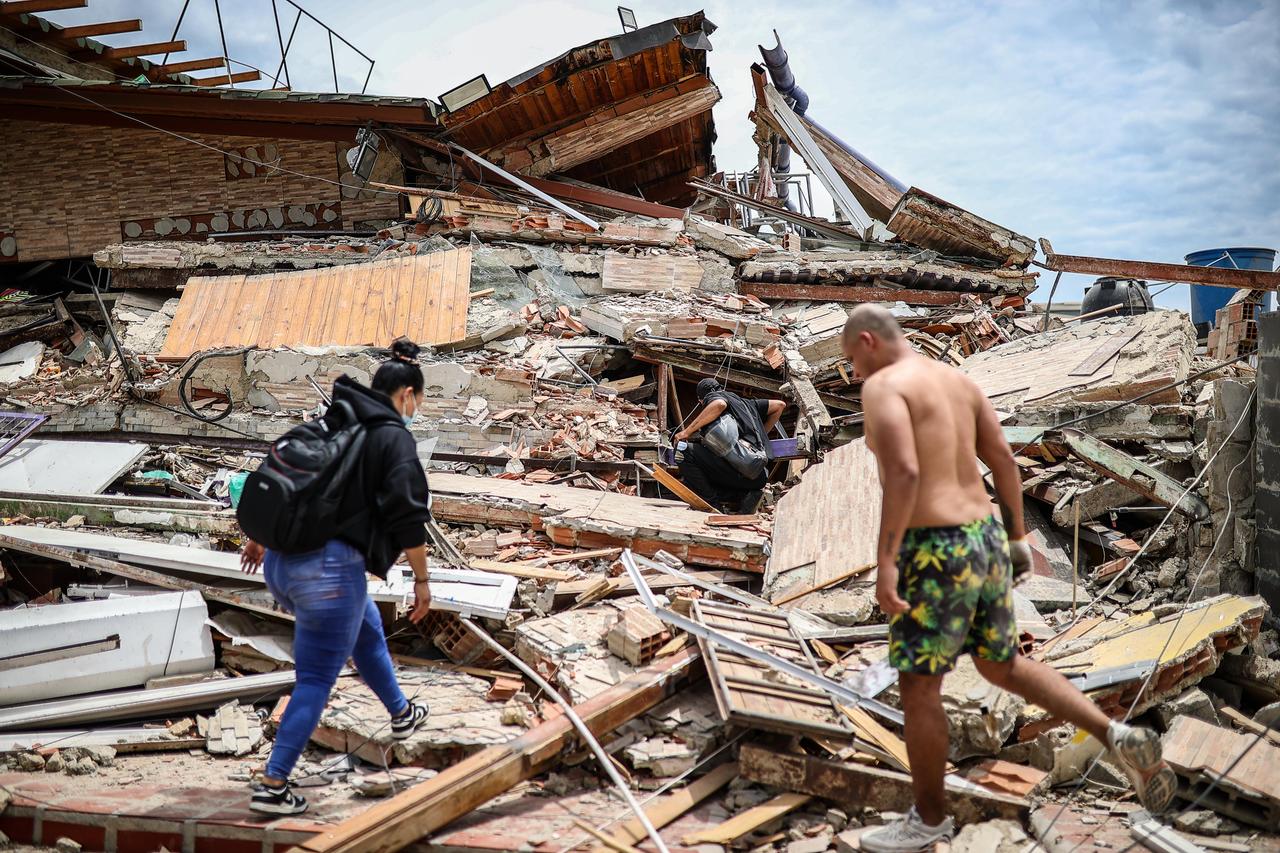
Venezuela after the earthquake, 29 June 2026 – (Anadolu Ajansı)
Hundreds of volunteers in the capital Caracas are sorting donated clothing and relief supplies at collection centers for delivery to disaster zones. According to Venezuelan media, due to fears of aftershocks and ongoing damage assessments, between 25,000 and 30,000 people in the capital have been unable to enter their homes; thousands whose homes were destroyed or severely damaged are being housed in temporary shelters established in closed stadiums, municipal sports halls, and schools.
ABC News. "Venezuela Earthquakes Live Updates: Survivors Pulled From Rubble Amid Intense Race to Find Missing and Trapped." Accessed June 29, 2026. https://abcnews.com/International/live-updates/venezuela-earthquakes-updates/?id=134196335
Al Jazeera. "Satellite Images Show Destruction From Venezuela Earthquakes." Accessed June 29, 2026. https://www.aljazeera.com/news/longform/2026/6/28/satellite-images-show-scale-of-destruction-in-venezuela-earthquakes
Anadolu Ajansı. "BM'ye Göre Venezuela'yı Vuran Depremlerden 6,76 Milyona Kadar İnsan Etkilenebilir." Accessed June 29, 2026. https://www.aa.com.tr/tr/dunya/bmye-gore-venezuelayi-vuran-depremlerden-6-76-milyona-kadar-insan-etkilenebilir/3979934
Anadolu Ajansı. "Türk Arama Kurtarma Ekipleri Venezuela'da Çalışmalara Başladı." Accessed June 29, 2026. https://www.aa.com.tr/tr/dunya/turk-arama-kurtarma-ekipleri-venezuelada-calismalara-basladi/3980255
Anadolu Ajansı. "Türkiye'den Venezuela'ya Arama Kurtarma ve İnsani Yardım Ekiplerini Taşıyan Uçak Yola Çıktı." Accessed June 29, 2026. https://www.aa.com.tr/tr/gundem/turkiyeden-venezuelaya-arama-kurtarma-ve-insani-yardim-ekiplerini-tasiyan-ucak-yola-cikti/3978518
Anadolu Ajansı. "Türkiye'den Yola Çıkan Arama Kurtarma Ekipleri Depremden Etkilenen Venezuela'ya Ulaştı." Accessed June 29, 2026. https://www.aa.com.tr/tr/dunya/turkiye-den-yola-cikan-arama-kurtarma-ekipleri-depremden-etkilenen-venezuela-ya-ulasti/3980156
Anadolu Ajansı. "Venezuela'daki Depremlerde Hayatını Kaybedenlerin Sayısı 1430'a Yükseldi." Accessed June 29, 2026. https://www.aa.com.tr/tr/dunya/venezueladaki-depremlerde-hayatini-kaybedenlerin-sayisi-1430a-yukseldi/3979585
Anadolu Ajansı. "Venezuela'nın Başkenti Caracas'ta Dayanışma Seferberliği Devam Ediyor." Accessed June 29, 2026. https://www.aa.com.tr/tr/dunya/venezuelanin-baskenti-caracasta-dayanisma-seferberligi-devam-ediyor/3980722
CNN. "A Visual Guide to the Venezuela Earthquakes." Accessed June 29, 2026. https://edition.cnn.com/2026/06/25/americas/venezuela-earthquake-map-vis
CNN. "June 27, 2026 — Search for Survivors of Venezuela Earthquakes." Accessed June 29, 2026. https://edition.cnn.com/2026/06/27/world/live-news/venezuela-earthquake-hnk
CNN. "June 28, 2026 — Survivors of Venezuela Earthquakes Found in Rubble." Accessed June 29, 2026. https://edition.cnn.com/2026/06/28/world/live-news/venezuela-earthquake-hnk
NBC News. "Frustration and Fading Hopes in Venezuela With Thousands Still Missing After Twin Quakes." Accessed June 29, 2026. https://www.nbcnews.com/world/venezuela/venezuela-earthquake-latest-death-toll-missing-rescues-la-guaira-rcna352179
UN News. "Venezuela Earthquakes Leave 680,000 Children in Need of Assistance: UNICEF." Accessed June 29, 2026. https://news.un.org/en/story/2026/06/1167826
UNICEF. "Devastating Earthquakes Hit Venezuela." Accessed June 29, 2026. https://www.unicef.org/emergencies/venezuela-earthquakes
The number of fatalities continued to rise on the fifth and sixth days of search and rescue operations. As of 29 June 2026, it was reported that the death toll had exceeded 1,700. By 30 June 2026, the death toll had risen to 1,943, with more than 10,000 people injured and tens of thousands still unaccounted for.
On the morning of 29 June 2026, new aftershocks occurred in Venezuela. Jorge Rodríguez stated that the latest aftershock, measuring 4.6 on the Richter scale, was recorded a few kilometers from La Guaira, the most affected region, and caused no additional damage across the country.
On 29 June, a 21-year-old man was rescued alive from the rubble in La Guaira and received medical attention. On 30 June 2026, a Jordanian search and rescue team pulled a three-year-old child named Klieber Morán alive from the debris six days after the earthquake. According to Jordan’s Civil Defence, the child received first aid and was transported to Caracas for treatment, with vital signs reported to be stable. Delcy Rodríguez described the child’s rescue as “a source of hope for our people.”
The United Nations High Commissioner for Refugees (UNHCR) reported widespread food shortages, collapse of essential services, and severe disruption of communications in La Guaira. It noted that social tensions were increasing due to limited access to aid. UNHCR stated that it initially required $15 million to provide protection, basic relief items, and temporary shelter to 30,000 earthquake survivors over six months.
On 30 June, a humanitarian aid shipment weighing 47 tons arrived in the country, containing emergency medical kits, supplies for safe childbirth, newborn care, and materials to prevent disease.
UNICEF announced that as part of its overall $137.6 million appeal for the earthquake response, it requires $52 million. The organization’s first air shipment, carrying medical supplies and water and sanitation materials, arrived in Valencia, Venezuela, on 27 June from its regional warehouse in Panama. Together with a second shipment from its global supply center in Copenhagen, these two deliveries are expected to support more than 100,000 people.
BBC News. "Three-Year-Old Rescued and Taken to Hospital Six Days After Venezuela Quake." Accessed July 1, 2026. https://www.bbc.com/news/articles/c1jykwk8n18o
CNN. "June 29, 2026 - Venezuela Earthquake Death Toll Passes 1,700 as Miraculous Rescues Offer Hope." Accessed July 1, 2026. https://edition.cnn.com/2026/06/29/world/live-news/venezuela-earthquake-hnk
Deutsche Welle. "Venezuela: Death Toll Nears 2,000 as Rescue Hopes Fade." Accessed July 1, 2026. https://www.dw.com/en/venezuela-death-toll-nears-2000-as-rescue-hopes-fade/a-77778620
ReliefWeb. "Venezuela Earthquakes: Situation Report #3 (June 30, 2026)." Accessed July 1, 2026. https://reliefweb.int/report/venezuela-bolivarian-republic/venezuela-earthquakes-situation-report-3-june-30-2026
UNICEF. "Devastating Earthquakes Hit Venezuela." Accessed July 1, 2026. https://www.unicef.org/emergencies/venezuela-earthquakes
Jorge Rodríguez, President of Venezuela's National Assembly, announced on Wednesday 1 July 2026 that the death toll had risen to 2,295, with over 11,000 injured and approximately 13,000 people left homeless. The United Nations estimates that 50,000 people are missing.
Interim Head of State Delcy Rodríguez declared a seven-day national mourning period beginning at 18:00 local time on 1 July 2026 for those who lost their lives in the earthquakes. In a speech on state television, Rodríguez stated that the country’s “soul has been shattered by human losses”, extended deepest condolences to families who lost loved ones, and reaffirmed that the government would stand by them.
A week after the earthquake, most collapsed buildings in La Guaira, the hardest-hit city, have been marked with the letter “D”, indicating “deceased” in the sense that no signs of life were found during searches.
International search and rescue teams continued their operations on 1 July. The Vietnamese team operating in the Playa Grande region of La Guaira state recovered the bodies of 11 individuals from the rubble and handed them over to Venezuelan authorities.
The World Food Programme (WFP) has launched a $50 million appeal to feed approximately 500,000 people in Venezuela for three months. The United Nations High Commissioner for Refugees has stated that $14.9 million is needed to provide assistance and temporary shelter to 30,000 people over six months.
France 24. "Venezuela Declares Seven Days of National Mourning as Quake Death Toll Rises to 2,295." Accessed July 2, 2026. https://www.france24.com/en/americas/20260701-venezuela-death-toll-rises-to-2-295-seven-days-of-national-mourning-declared
Voice of Vietnam (VOV). "Venezuela Declares 7 Days of National Mourning for Quake Victims." Accessed July 2, 2026. https://vovworld.vn/news/venezuela-declares-7-days-of-national-mourning-for-quake-victims-2447308.vov5
Interim Head of State Delcy Rodríguez announced at a press conference held on 3 July 2026 that the number of civilian fatalities had risen to 2,595 and the number of injured to 12,400. Later that day, the Ministry of Communication and Information reported that the death toll had increased to 2,645 and the number of injured to 12,666. Since the earthquake, 890 aftershocks have been recorded up to 3 July.
Rodríguez stated that no mass graves were planned for those who lost their lives in the disaster on 24 June; she emphasized that the reported figures were the result of a rigorous verification process and that authorities had cross-checked missing and fatality data before making any announcement. According to Rodríguez, five individuals initially recorded as deceased were found to be alive after their identities were confirmed through Venezuela’s fingerprint-based subsidized fuel system. Rodríguez used the phrase “We do not wish to provide figures that have not been rigorously verified.”
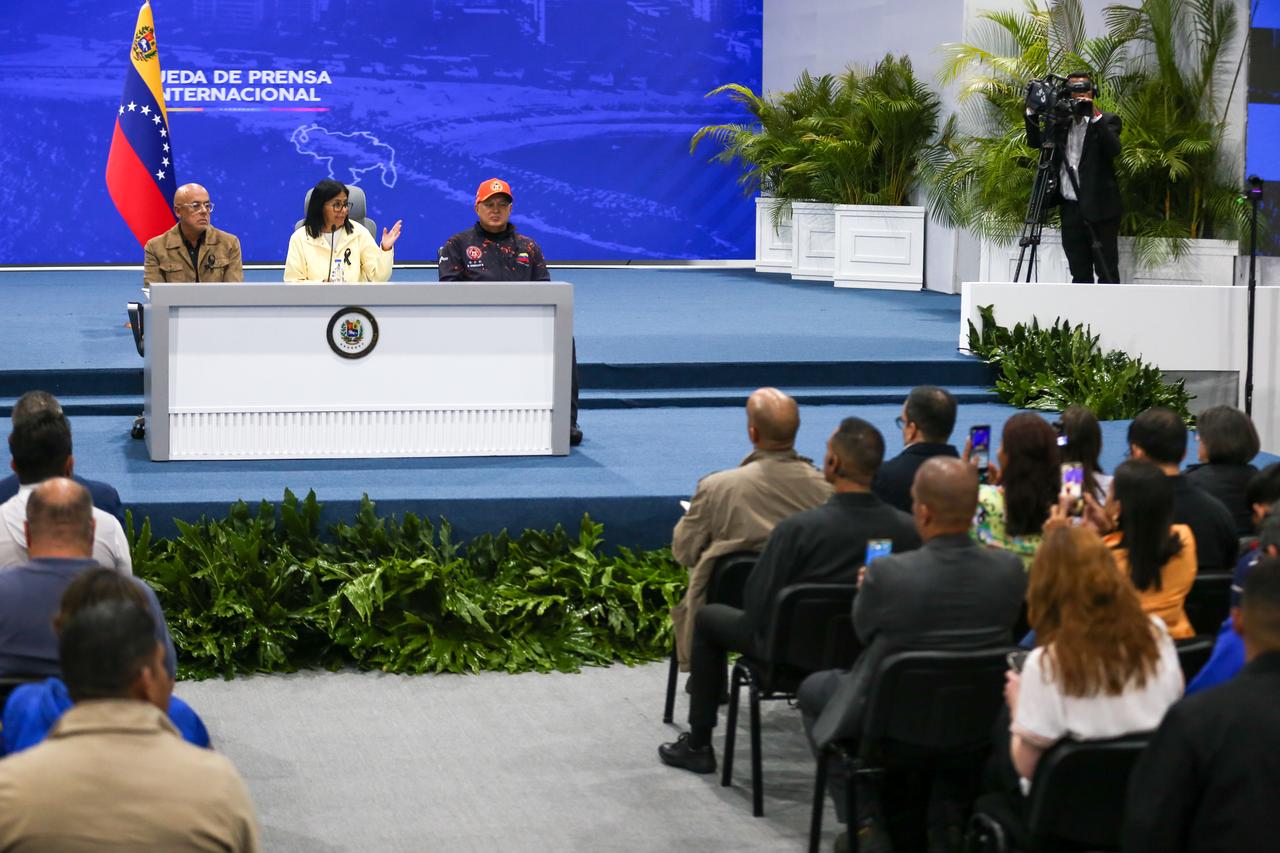
The Venezuelan government holds an international press conference in the capital Caracas following two earthquakes, 3 July 2026 – (Anadolu Agency)
According to the Ministry of Communication and Information, 6,462 people have been rescued and assistance has been delivered to 86,117 families following the earthquakes. The earthquakes affected 885 buildings, of which 189 collapsed. The ministry reported that more than 3,300 international search and rescue personnel have been deployed to the disaster zone, while Venezuela has stationed approximately 30,000 personnel for relief operations.
Search and rescue teams from over 30 countries have been active, and one person was rescued alive eight days after the earthquake.
Rodríguez stated that discussions are ongoing with the U.S. Department of State and the International Monetary Fund (IMF) to mobilize resources for the reconstruction of damaged infrastructure, as well as with the World Bank and the Inter-American Development Bank, which have offered grants and credit facilities. Authorities revealed that an initial allocation of $200 million has been set aside for reconstruction, and a special account has been opened at the CAF – Development Bank of Latin America and the Caribbean to receive international donations for housing projects.
Rodríguez announced the arrival of an Israeli expert team to support the assessment of damaged buildings and infrastructure improvement efforts. Preliminary assessments based on the United Nations Development Programme’s Rapid Digital Analysis (RADIDA) method estimate the damage to housing, businesses and other assets at approximately $6.7 billion.
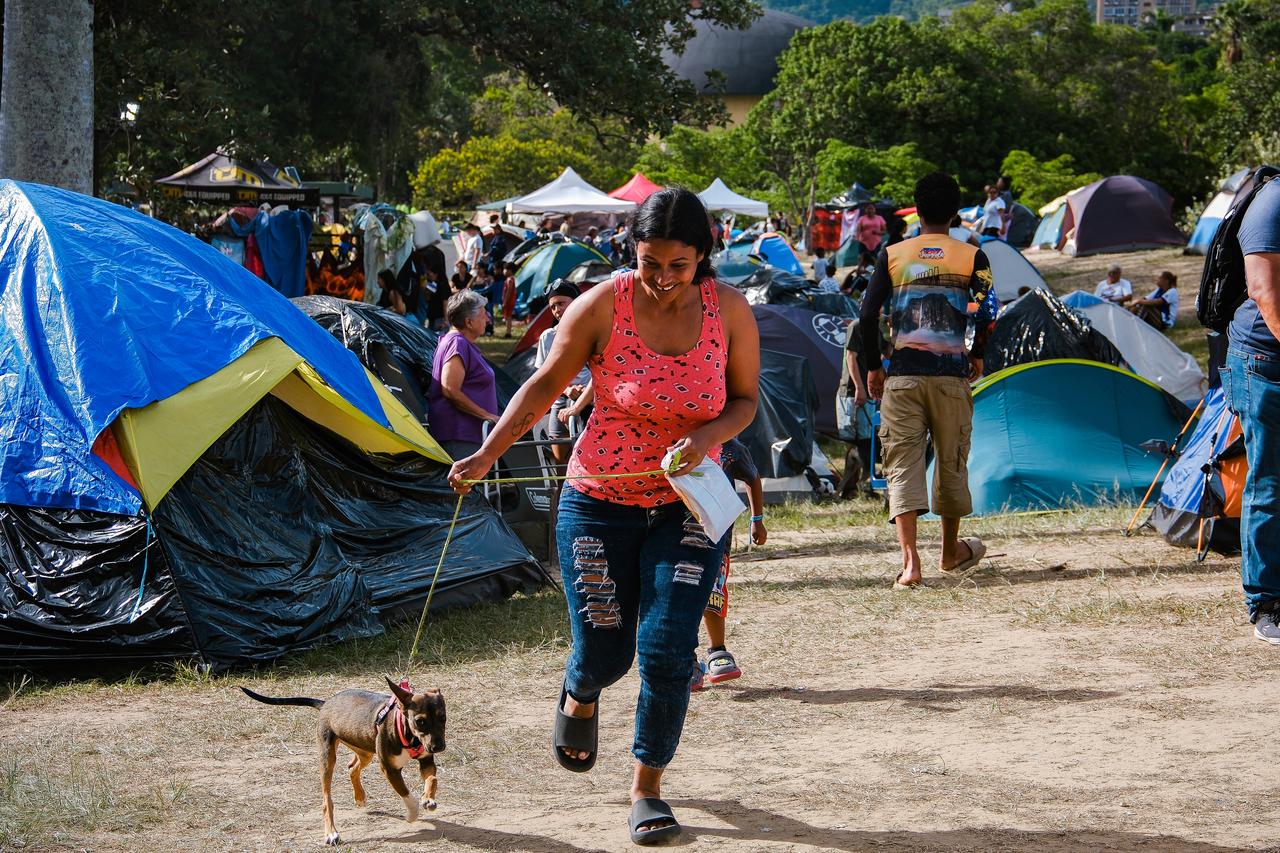
Families affected by the earthquake in Venezuela, 3 July 2026 – (Anadolu Agency)
Government estimates indicate that approximately 12,800 people have lost their homes, while the United Nations High Commissioner for Refugees (UNHCR) has recorded about 16,000 people displaced by the earthquakes. Rodríguez noted that Brazil’s Minister of Defense, José Múcio, visited Venezuela during the week to discuss expanding humanitarian cooperation and reconstruction assistance.
Rodríguez thanked 31 countries, including Türkiye, for providing rescue teams and humanitarian aid following the earthquakes. In a social media post, she stated that the joint response by these 31 countries alongside Venezuela’s rescue teams demonstrated that the country was not alone.
Turkish Minister of Health Kemal Memişoğlu announced that Türkiye’s National Medical Rescue Team (UMKE) and fully equipped emergency units had been dispatched to Venezuela’s Yaracuy region. The Ministry of National Defense reported that two A400M military transport aircraft had delivered Türkiye’s Humanitarian Aid Brigade, including disaster search and rescue teams and AFAD personnel, to Venezuela. Ministry Spokesperson Admiral Zeki Aktürk stated that Turkish teams continued their operations on a 24/7 basis under challenging conditions.
The Turkish Cooperation and Coordination Agency (TİKA) delivered approximately 1,000 aid packages to communities affected by the earthquakes. According to Turkish officials, Türkiye’s team in the region consists of 75 personnel, five search and rescue vehicles, and six search dogs. It has been reported that Turkish teams contributed to locating individuals trapped under rubble using wall-penetrating radar technology.
On 4 July 2026, Delcy Rodríguez visited the La Guaira Port, where foreign search and rescue teams were based in La Guaira, one of the areas hardest hit by the earthquake. During the visit, attended by Foreign Minister Yvan Gil, Interior Minister Diosdado Cabello, and National Assembly President Jorge Rodríguez, Rodríguez presented the newly created “Venezuela Hero” medal to the leaders of foreign rescue teams for their service in the devastated country.
Rodríguez also awarded the medal to Turkish Armed Forces Humanitarian Aid Brigade Commander Brigadier General Mehmet Bahtiyar and AFAD Denizli Deputy Director Haluk Önay Erten. The six search dogs serving with the Turkish team were awarded the “Hero Dog of Venezuela” medal. Rodríguez’s message of thanks and the medal were delivered to Türkiye’s Ambassador to Caracas, Naci Aydan Karamanoğlu.
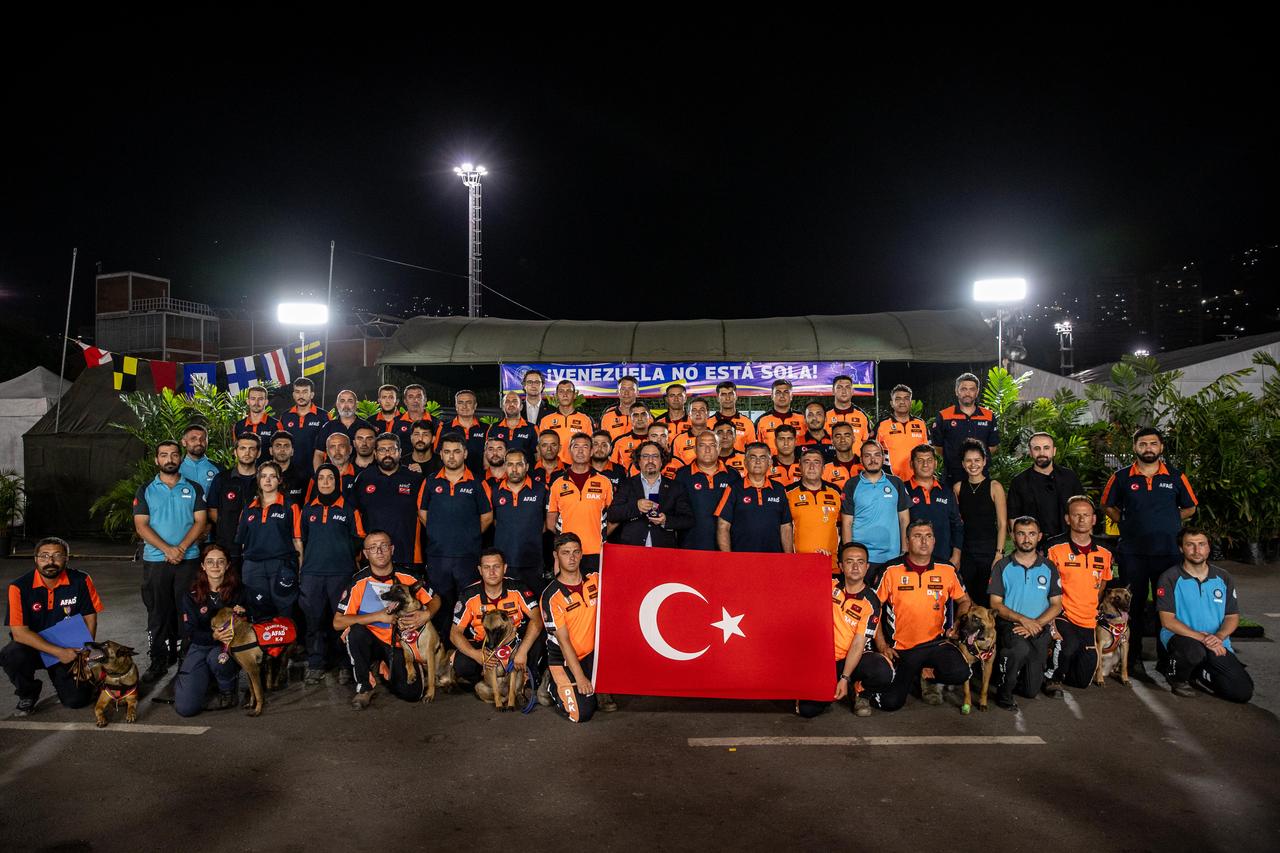
Venezuela Interim Head of State Rodriguez presents the hero medal to Turkish search and rescue teams, 4 July 2026 – (Anadolu Agency)
Ambassador Karamanoğlu commented on the ceremony: “Venezuela’s Acting President Delcy Rodríguez awarded medals to the search and rescue teams present at the camp, including our team from Türkiye, as well as to the team leaders. She also presented a letter of thanks and a medal on behalf of the Venezuelan state to our President. We will send this medal along with our team to our President. Another meaningful moment occurred during the ceremony: medals were also awarded to our dogs who worked alongside our teams. Their invaluable efforts have been recognized.”
Regarding Rodríguez’s message of gratitude, Karamanoğlu said: “When presenting the medal to me, Rodríguez specifically thanked our President and the Turkish people, stating that Türkiye has stood by Venezuela since the first moments of the earthquake and that Venezuela deeply appreciates this solidarity. We hope such a disaster never befalls Venezuela again, but during this time, we have always stood by the Venezuelan people.”
Anadolu Ajansı. "Venezuela Earthquake Death Toll Climbs to 2,645, with 12,666 Injured." Accessed July 4, 2026. https://www.aa.com.tr/en/americas/venezuela-earthquake-death-toll-climbs-to-2-645-with-12-666-injured/3985761
Anadolu Ajansı. "Venezuela Geçici Devlet Başkanı Rodriguez, Türk Arama Kurtarma Ekiplerine Kahramanlık Nişanı Verdi." Accessed July 4, 2026. https://www.aa.com.tr/tr/dunya/venezuela-gecici-devlet-baskani-rodriguez-turk-arama-kurtarma-ekiplerine-kahramanlik-nisani-verdi/3985818
TRT World. "Rodriguez Says No Plans for Mass Graves as Death Toll from Venezuela Earthquakes Soars to 2,595." Accessed July 4, 2026. https://www.trtworld.com/article/e5f2094692ad
The death toll, as announced by National Assembly President Jorge Rodríguez, continued to rise as debris removal and body recovery operations progressed. At a press conference held in Caracas on 9 July 2026, it was reported that the number of fatalities had increased by 126 to 3,811, while the number of injured stood at 16,740. On 10 July, the death toll rose by 88 to 3,899; on 11 July, it increased by 229 to 4,118; and in another announcement the same day, it rose further by 215 to 4,333.
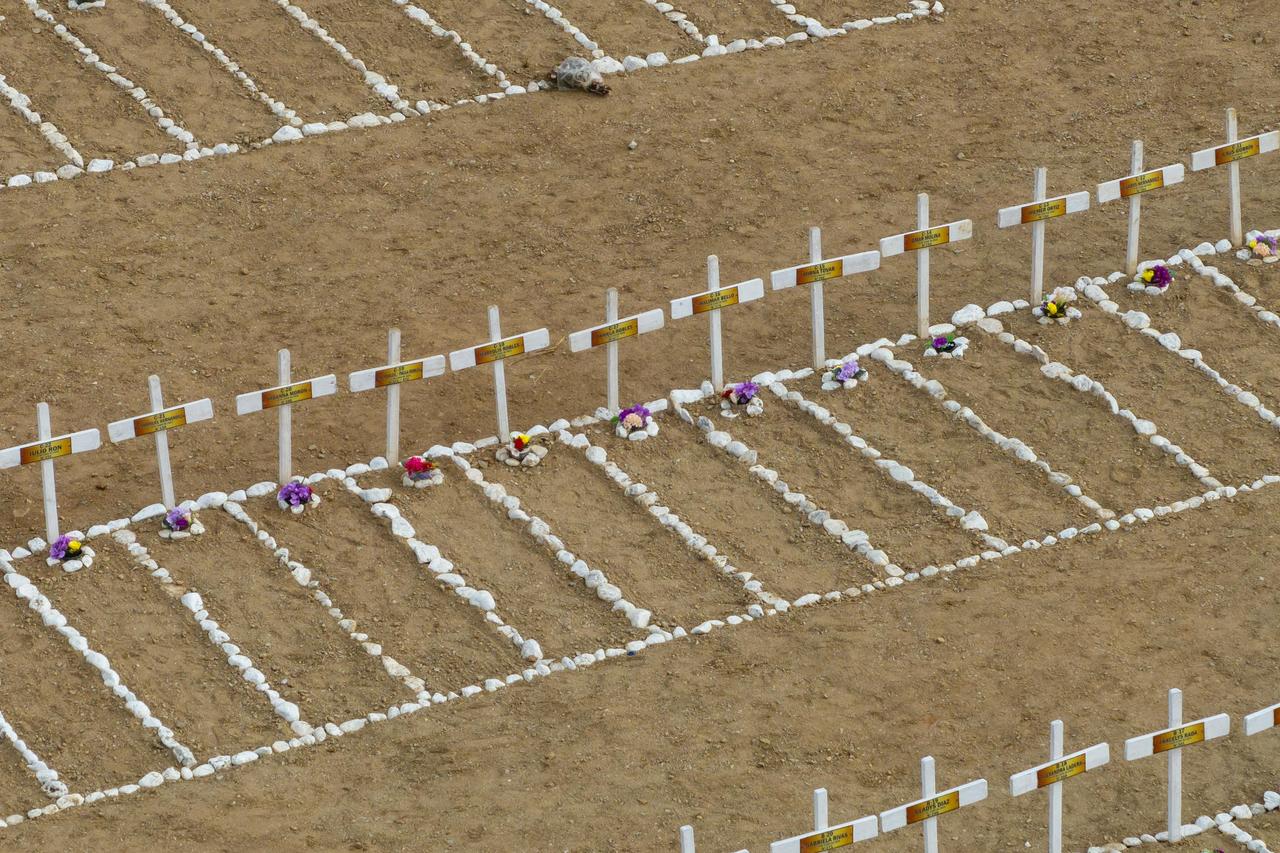
Those who lost their lives in the earthquake in Venezuela are being buried at La Esperanza Cemetery, 11 July 2026 - (Anadolu Agency)
On 12 July 2026, Jorge Rodríguez announced that the death toll had reached 4,490. According to the same statement, the official number of injured remained unchanged at 16,740, while the number of people rescued was confirmed at 6,462.
On 11 July 2026, Jorge Rodríguez emphasized that 315 bodies had not yet been identified, stating, “We cannot act on speculation; we must act on facts. As of yesterday, there are 315 individuals whose identities have not been confirmed either by family members or through matching fingerprints with any existing records in the system. This figure represents approximately seven percent of the total number of fatalities.”
In the same statement, it was reported that since 24 June, 1,203 aftershocks had occurred. By 11 July, a total of 9,766 tons of food and 13.9 million liters of water had been distributed to affected areas. Rodríguez highlighted that the number of displaced persons could increase once inspections of damaged buildings are completed, and confirmed that debris removal and body recovery operations were ongoing.
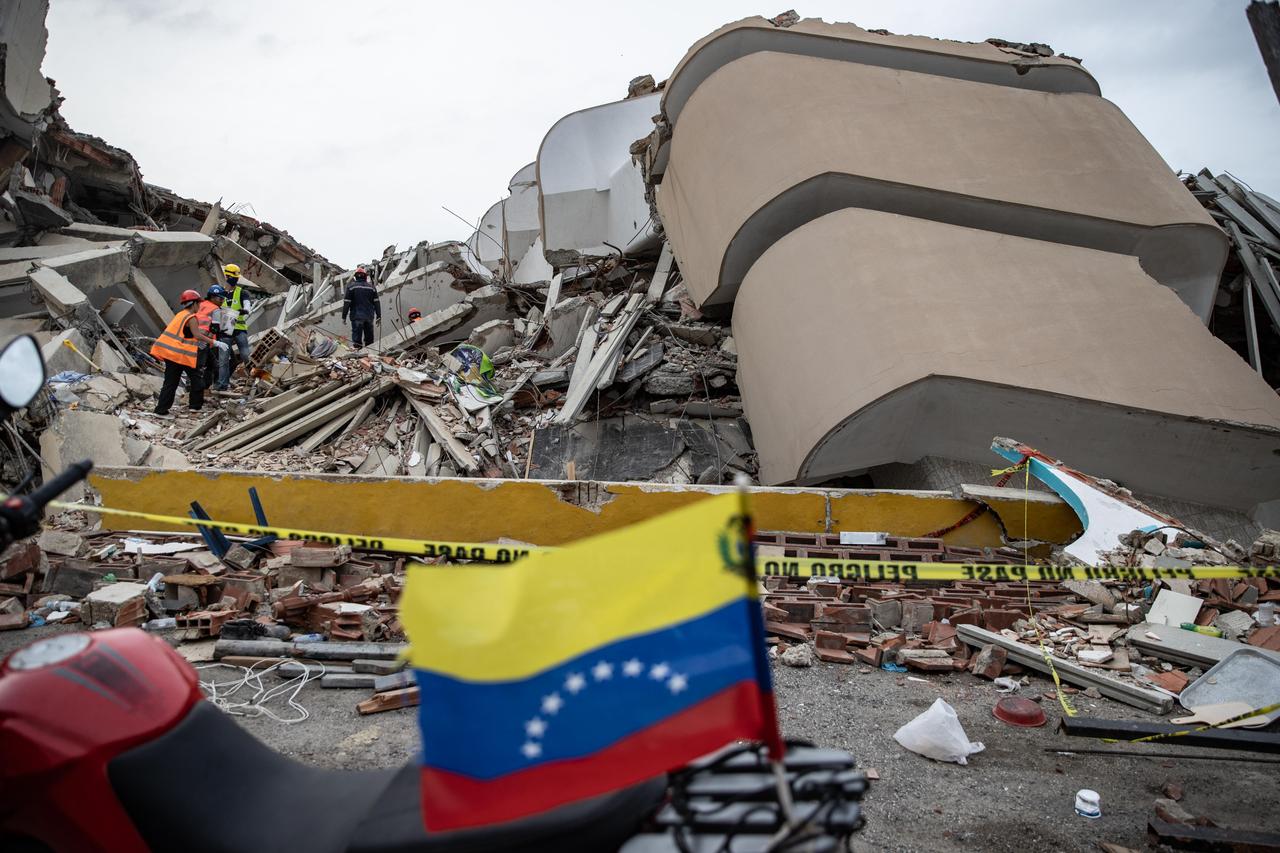
La Guaira, the city most affected by earthquakes in Venezuela, on 11 July 2026 - (Anadolu Agency)
On 9 July 2026, Jorge Rodríguez stated that 17,907 people had been left homeless due to the double earthquake, and that 4,388 international search and rescue personnel were present in the country, with a total of 30,076 personnel from the armed forces, police, municipal authorities, fire departments, and civil defense units operating on the ground. Minister of Education Héctor Rodríguez announced that at least 16,686 people were being accommodated in the 87 temporary shelters established by the government.
On 10 July, authorities and volunteers reported that humanitarian aid had been delivered to 86,794 families, and that 16,892 families were being hosted in 89 temporary tent camps. By 13 July, the number of families receiving humanitarian aid had risen to 120,794, and the number of temporary tent cities established in Caracas and Miranda states, led by La Guaira, had increased to 108.
On 11 July, Rodríguez indicated that 25,000 new housing units were planned for the more than 17,900 people who lost their homes, and stated that funding previously blocked “illegally” would be required to achieve this goal. The Venezuelagovernment announced that it had initiated biometric census efforts to accurately determine housing needs, with initial assessments suggesting that approximately 25,000 new homes might be required.
Acting Head of State Delcy Rodríguezinspected infrastructure repair efforts on 11 July 2026 in the Macuto region of La Guaira state, the area hardest hit by casualties and damage. During a visit broadcast by state channel VTV, Rodríguez stated, “Electricity service in the state has been restored to 96 percent, with 21 electrical transformer centers fully operational.” She also noted that 84 percent of drinking water distribution had been restored in the region, while tanker trucks continued to deliver water to areas where the network had collapsed.
The Pan American Health Organization (PAHO/OPS) reported that health sector operations had entered a critical phase following the earthquakes, with the emergency still ongoing. The organization noted that of the $24 million required for emergency response, approximately $9 million had been activated so far, stating, “The response has entered a new and critical phase focused on sustaining health services, ensuring stability, and initiating early recovery.” PAHO Director Jarbas Barbosa emphasized that the greatest risks following a disaster of this scale are typically disruptions to health services, overcrowding, limited access to clean water, and challenges in vaccination programs.
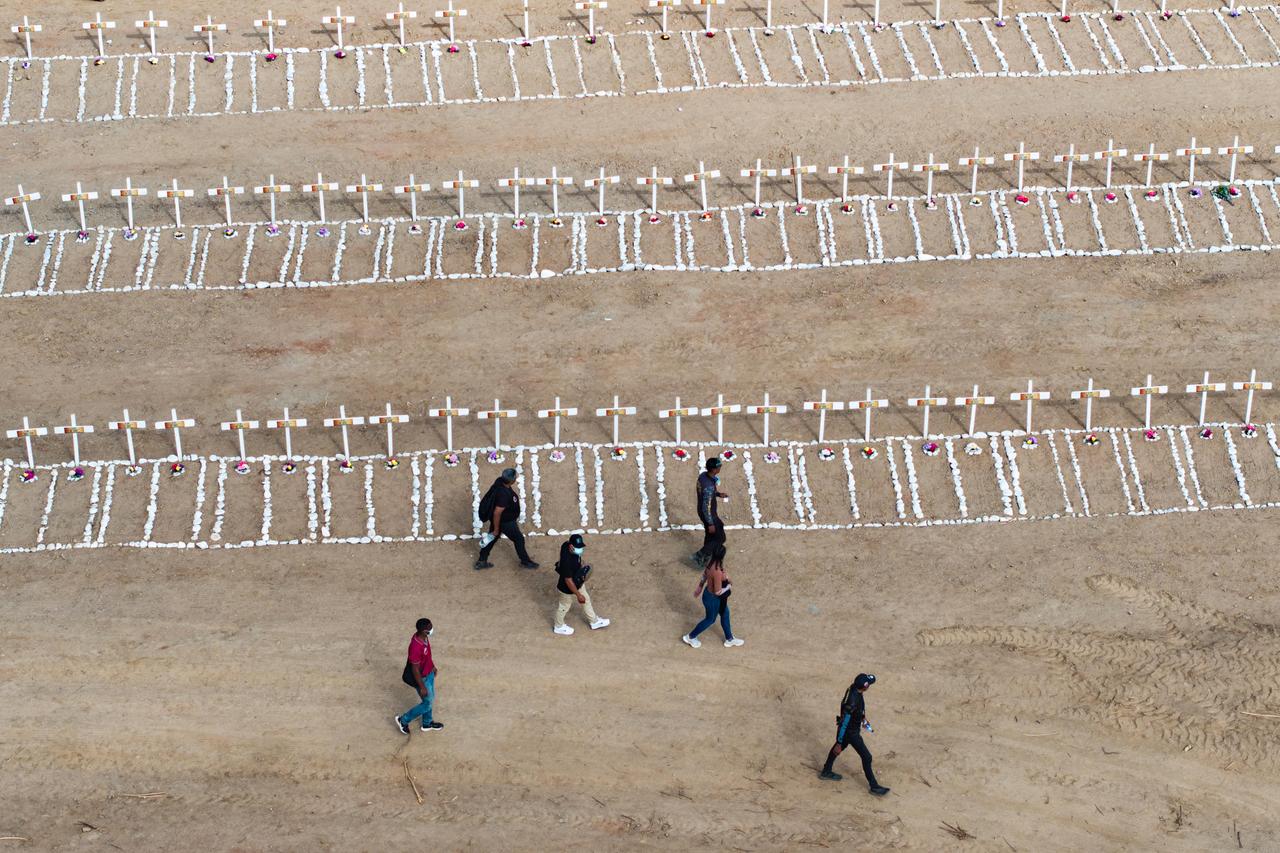
Those who lost their lives in the earthquake in Venezuela are being buried at La Esperanza Cemetery, 11 July 2026 - (Anadolu Agency)
The U.S. Embassy in Caracas announced that more than 30,000 Venezuelans had received humanitarian aid delivered by the United States. The aid, delivered by U.S. Department of Agriculture Deputy Secretary Luke Lindberg and State Department official Ryan Shrum, is being distributed to those in need through the Global Empowerment Mission (GEM).
In accordance with directives from President Recep Tayyip Erdoğan, Türkiye has conducted humanitarian assistance operations in the region coordinated by AFAD. Through two aircraft operated by the Ministry of National Defense, a shipment departed from Kayseri containing 275 tents provided by the Interior Ministry’s AFAD and 7 tons of medical supplies provided by the Ministry of Health, totaling 30 tons of humanitarian aid sent to Venezuela.
On 10 July 2026, Health Minister Kemal Memişoğlu announced that a truckload of medicines and medical consumables had been dispatched to the region. In a social media post, he said, “Following our UMKE teams on the ground responding to the earthquake disaster in Venezuela, we have now sent another truckload of medicines and medical supplies to the region. We will continue supporting every life in need through this act of kindness that transcends borders.”
The Ministry of Health, acting on a needs list provided by Venezuelan authorities, arranged for 25 pallets of medicines and medical consumables to be transported by truck from İzmir to Kayseri, from where they were flown to Venezuela. The shipment consists of 31 items (4 pallets) of medicines and 36 items (21 pallets) of medical consumables, weighing approximately 16 tons and 400 kilograms. It includes antibiotics, painkillers, anesthetics, emergency medications, as well as syringes, intravenous catheters, sterile gloves, ventilator circuits, surgical gowns, dressing materials, and oxygen masks. The total aid comprises 223,571 items of medicines and medical supplies.
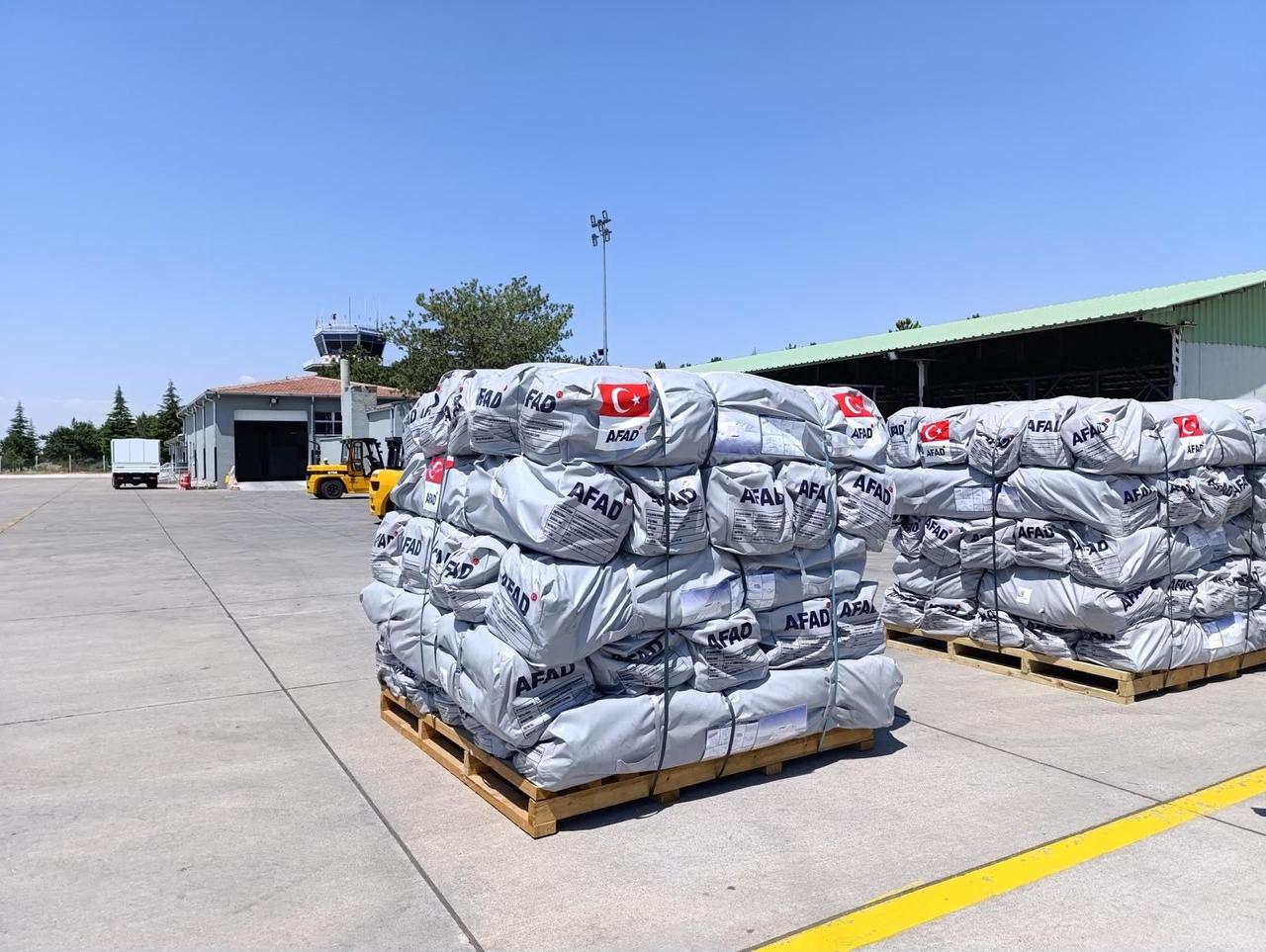
Türkiye is sending 30 tons of humanitarian aid materials to earthquake-affected Venezuela, 10 July 2026 - (Anadolu Ajansı)
The Turkish Red Crescent, in cooperation with the Venezuelan Red Cross, distributed 500 hygiene kits to those in need at a tent camp established in Playa Grande, La Guaira, the area most affected by the earthquake. The Turkish Cooperation and Coordination Agency (TİKA) also provided numerous pieces of equipment and humanitarian support.
The 30 tons of humanitarian aid from Türkiye arrived in Venezuela on 13 July 2026. The aid, transported by aircraft landing at Simón Bolívar International Airport, was received by Türkiye’s Ambassador to Caracas, Naci Aydan Karamanoğlu, and Venezuela’s Minister of Foreign Affairs, Yvan Gil. Also present at the reception were Commander of the Turkish Armed Forces Humanitarian Aid Brigade, Major General Mehmet Bahtiyar, and officials from AFAD and UMKE.
Ambassador Karamanoğlu noted that Turkish search and rescue teams demonstrated “great dedication” over two weeks, adding, “The Venezuelan authorities and people have spoken with admiration of our teams’ work. This appreciation has also been reflected in the local media, which has highlighted the professionalism and selflessness of the Turkish teams. Therefore, I would like to extend our deepest thanks to the personnel of the Turkish Armed Forces Humanitarian Aid Brigade, AFAD, UMKE, and the Turkish Red Crescent.”
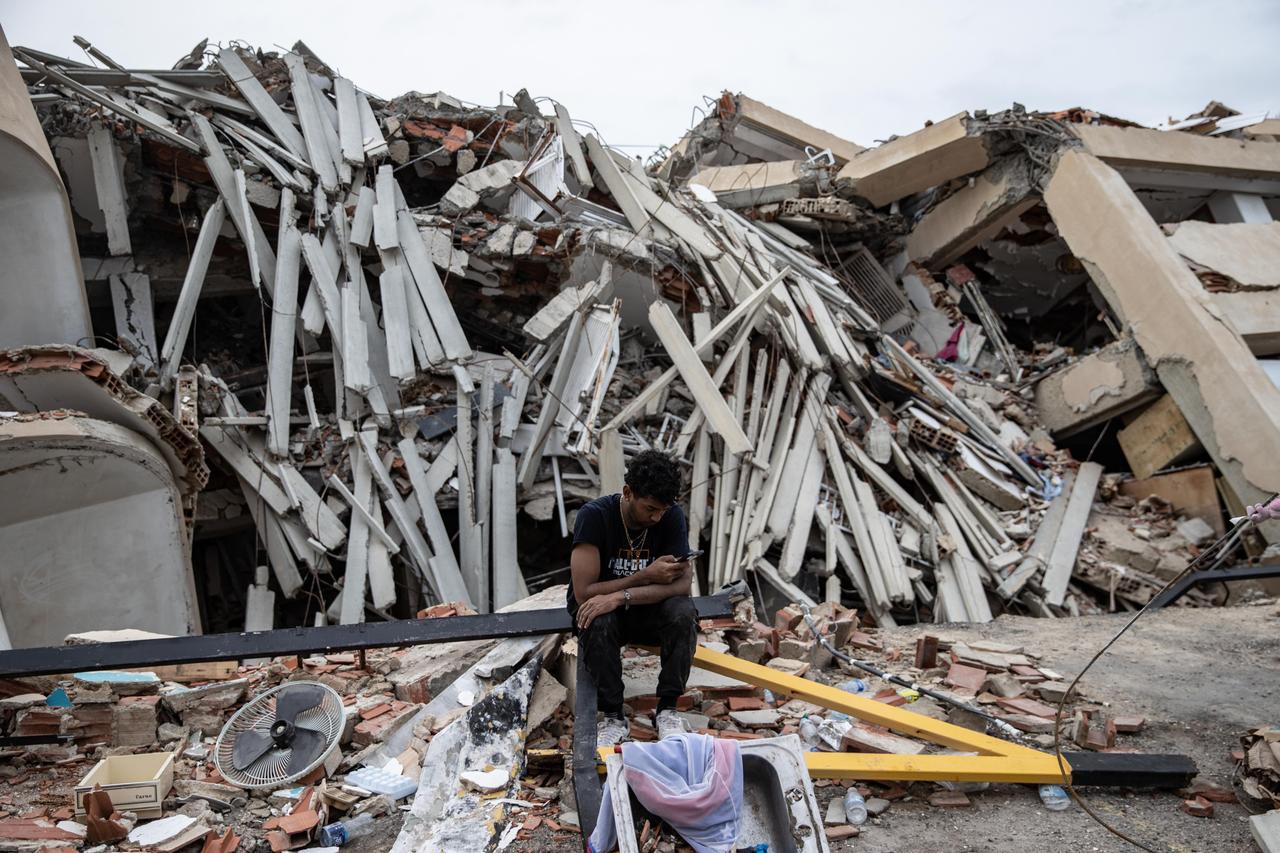
La Guaira, the city most affected by earthquakes in Venezuela, 11 July 2026 - (Anadolu Agency)
Venezuela’s Minister of Foreign Affairs, Yvan Gil, said, “This reception and above all the solidarity shown by the Turkish people toward Venezuela hold great significance for us. On behalf of Acting Head of State Delcy Rodríguez, we extend our gratitude to the Turkish government, the Turkish people, Türkiye’s Ambassador to Caracas Aydan Karamanoğlu, and Foreign Minister Hakan Fidan, who has maintained continuous communication with us since the first hours of the earthquake. Türkiye, as always, was among the first countries to extend a helping hand from the very first moments of the disaster.”
Anadolu Ajansı. "Türkiye'den Deprem Bölgesi Venezuela'ya İlaç ve Tıbbi Malzeme Desteği." Accessed July 13, 2026.https://www.aa.com.tr/tr/gundem/turkiyeden-deprem-bolgesi-venezuelaya-ilac-ve-tibbi-malzeme-destegi/3994033
Anadolu Ajansı. "Türkiye'den Gönderilen 30 Ton İnsani Yardım Malzemesi Venezuela'ya Ulaştı." Accessed July 13, 2026.https://www.aa.com.tr/tr/gundem/turkiyeden-gonderilen-30-ton-insani-yardim-malzemesi-venezuelaya-ulasti/3996028
Anadolu Ajansı. "Türkiye, Depremlerden Etkilenen Venezuela'ya 30 Ton İnsani Yardım Malzemesi Gönderdi." Accessed July 13, 2026.https://www.aa.com.tr/tr/gundem/turkiye-depremlerden-etkilenen-venezuelaya-30-ton-insani-yardim-malzemesi-gonderdi/3994587
Anadolu Ajansı. “Venezuela'daki Depremlerde Hayatını Kaybedenlerin Sayısı 3 Bin 811'e Yükseldi.” Accessed July 13, 2026.https://www.aa.com.tr/tr/dunya/venezueladaki-depremlerde-hayatini-kaybedenlerin-sayisi-3-bin-811e-yukseldi/3992592
Anadolu Ajansı. “Venezuela'daki Depremlerde Hayatını Kaybedenlerin Sayısı 3 Bin 899'a Yükseldi.” Accessed July 13, 2026.https://www.aa.com.tr/tr/dunya/venezueladaki-depremlerde-hayatini-kaybedenlerin-sayisi-3-bin-899a-yukseldi/3993777
Anadolu Ajansı. “Venezuela'daki Depremlerde Hayatını Kaybedenlerin Sayısı 4 Bin 118'e Yükseldi.” Accessed July 13, 2026.https://www.aa.com.tr/tr/dunya/venezueladaki-depremlerde-hayatini-kaybedenlerin-sayisi-4-bin-118e-yukseldi/3994753
Anadolu Ajansı. “Venezuela'daki Depremlerde Hayatını Kaybedenlerin Sayısı 4 Bin 333'e Yükseldi.” Accessed July 13, 2026.https://www.aa.com.tr/tr/dunya/venezueladaki-depremlerde-hayatini-kaybedenlerin-sayisi-4-bin-333e-yukseldi/3995279
Anadolu Ajansı. “Venezuela'daki Depremlerde Hayatını Kaybedenlerin Sayısı 4 Bin 490'a Yükseldi.” Accessed July 13, 2026.https://www.aa.com.tr/tr/dunya/venezueladaki-depremlerde-hayatini-kaybedenlerin-sayisi-4-bin-490a-yukseldi/3995997
Reuters. “Death Toll from Venezuela Earthquakes Rises to 4,490.” Accessed July 13, 2026.https://www.reuters.com/world/americas/death-toll-venezuela-earthquakes-rises-4490-2026-07-12/
The Guardian. “A Revolution in Ruins: Fury amid the Rubble of a Housing Project in Quake-Hit Venezuela.” Accessed July 13, 2026.https://www.theguardian.com/news/ng-interactive/2026/jul/12/a-revolution-in-ruins-fury-amid-the-rubble-of-a-housing-project-in-quake-hit-venezuela

On Wednesday, 24 June 2026, in the afternoon in Venezuela, two consecutive earthquakes with magnitudes of 7.2 and 7.5 occurred approximately 39 seconds apart according to USGS data. The earthquakes caused buildings to collapse and damage to strategic infrastructure, particularly in the capital Caracas as well as in the states of Miranda, La Guaira, Aragua, Carabobo and Falcón, leading to the closure of Simón Bolívar International Airport. Acting President Delcy Rodríguez declared a state of emergency nationwide, reporting at least 32 deaths and over 700 injured, and identified La Guaira as the most affected region.
No Discussion Added Yet
Start discussion for "2026 Venezuela Earthquakes" article
June 25, 2026
Origin and Seismic Characteristics
June 25, 2026
Affected Regions and Infrastructure Damage
June 25, 2026
Casualties and Injured
June 25, 2026
USGS Estimates and PAGER System
June 25, 2026
Declaration of State of Emergency and Measures Taken
June 25, 2026
Statements by Acting Head of State Delcy Rodríguez
June 25, 2026
Statements by Other Officials
June 25, 2026
International Reactions and Offers of Aid
June 25, 2026
Seismic Structure and Historical Background
June 26, 2026
Updated Death and Injury Toll
June 26, 2026
New Data on Infrastructure and Building Damage
June 26, 2026
Situation in La Guaira State
June 26, 2026
Communication Infrastructure and Starlink
June 26, 2026
International Aid and Reactions
June 26, 2026
Human Rights and Aid Organization Statements
June 26, 2026
Additional Information on the Region’s Seismic Structure
June 29, 2026
Total Fatality Data (26–29 June 2026)
June 29, 2026
Missing Persons and Displaced People
June 29, 2026
Current Data on Building and Infrastructure Damage
June 29, 2026
Aftershock Sequence Trends
June 29, 2026
Search and Rescue Operations
June 29, 2026
Arrival of Turkish Search and Rescue Teams
June 29, 2026
Expansion of International Search and Rescue Mobilization
June 29, 2026
Expansion of US Military and Civilian Support
June 29, 2026
Health System and Humanitarian Situation
June 29, 2026
Restoration of Infrastructure
July 1, 2026
Total Fatalities (29–30 June 2026)
July 1, 2026
Rescues on the Fifth and Sixth Days
July 1, 2026
Humanitarian Situation and UN Assessments
July 2, 2026
Current Death Toll and National Day of Mourning (As of 1 July)
July 4, 2026
Current Loss of Life (3 July 2026)
July 4, 2026
Search and Rescue and Assistance Statistics (3 July 2026)
July 4, 2026
Reconstruction and International Financing
July 4, 2026
Displaced and Homeless Populations
July 4, 2026
Türkiye’s Contribution
July 4, 2026
Search and Rescue Teams Awarded the “Venezuela Hero” Medal
July 13, 2026
Developments as of 9–12 July 2026
July 13, 2026
Türkiye’s Humanitarian Assistance