



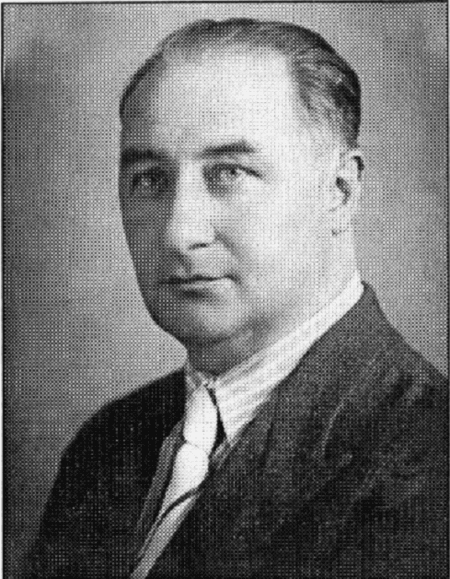
Abidin Dâver
Birth | 1886, Istanbul | ||||||||
|---|---|---|---|---|---|---|---|---|---|
Death | 8 February 1954, Istanbul | ||||||||
Occupation(s) | Journalist Politician Teacher Writer | ||||||||
Education | Galatasaray Sultanisi Sanayi-i Nefise | ||||||||
Publishing Outlets | Saadet, Servet-i Fünûn, İkdam, Cumhuriyet | ||||||||
Membership in Parliament | CHP, 1939–1943, Istanbul | ||||||||
Prominent Nickname | Civil Admiral | ||||||||
Works | Gemi, Deniz, Mülâzımın Romanı, Barbaros Hayrettin Paşa | ||||||||
Burial Place | Edirnekapı Şehitliği | ||||||||
Abidin Dâver, born in Istanbul in 1886, emerged as an enlightened figure educated during the transition from the Ottoman Empire to the Republic, recognized for his multifaceted talents and strong sense of social responsibility. He was active in numerous fields including journalism, teaching, parliamentary service, and sports administration. As one of the influential writers of the Republican-era press, Dâver reached a wide readership particularly through his writings on maritime affairs and was known by the title “civil admiral.” He died in Istanbul in 1954 and was buried at Edirnekapı Martyrs’ Cemetery.
Abidin Dâver was born in Istanbul. His father, Ali Vahyi Efendi, served as a mümeyyiz at the Şehremaneti, while his mother, Fatma Revan Hanım, was the spiritual adopted daughter of Princess Zeynep Kamil and had received a good education. His parents separated when he was still one year old, and Dâver was raised by his mother. He began his education at the Cevri Kalfa Mektebi in Sultanahmet. He then studied at several of the era’s prominent educational institutions, including Burhan-ı Terakki, Nümune-i Terakki, Ravza-ı Terakki, and the Soğukçeşme Askerî Rüştiyesi. He completed his secondary education at Galatasaray Sultanisi in 1907. Although he enrolled at the Sanayi-i Nefise Mektebi, he entered professional life before completing his studies.
Abidin Dâver began his journalistic career in 1908 by writing for the newspaper Saadet. He subsequently contributed to leading publications of the time, including Servet-i Fünûn, Tasvir-i Efkâr, İkdam, Yenigün, and ultimately Cumhuriyet. He became known for his column titled “Hem Nalına Hem Mıhına” in Cumhuriyet. His writings addressed not only current affairs analysis but also promoted public education, the preservation of cultural values, and particularly the development of awareness regarding maritime issues.
Dâver began his career in public service in 1908 as a stenographer in the Meclis-i Mebusan. He rose to the position of Director General of the Press by 1914. In 1939, he was elected as a member of parliament for Istanbul from the Republican People’s Party. He served on the Economic Committee and the Temporary Committee that reviewed the Housing Law in the TBMM. He was not re-elected in 1943. During this period, his writings and commentaries on the Refah Şilebi Faciası were said to have had political impact.
Known for his work in the field of maritime affairs, Dâver earned the title “civil admiral” through his writings focusing on naval history, shipbuilding, maritime museums, and warships. He advocated strongly for the development of Turkey’s maritime industry, particularly through symbols such as the Haliç shipyards and the battleship Yavuz. In 1950, he was among the founders of the Navy Foundation and was elected to the Administrative Council of the Maritime Bank.
During World War II, Dâver participated in a delegation of journalists conducting investigations in Europe and America. He observed naval operations firsthand in Britain and the United States. The articles he wrote based on these travels contributed to discussions on Turkey’s peacetime foreign policy, neutrality, and naval modernization.
While a student at Galatasaray Sultanisi, he became one of the founders of Galatasaray Sports Club. He was member number 13 and served as president of the club between 1929 and 1930. Dâver contributed to the modern lifestyle outlook of the young Republic not only through his writings but also through his active roles within the sports community.
Abidin Dâver did not limit himself to writing for newspapers; he also published several books. His major works include:
On 8 February 1954, Abidin Dâver died in Istanbul following a heart attack. He was buried at Edirnekapı Martyrs’ Cemetery. After his death, hundreds of condolences were published by the press, led by Cumhuriyet newspaper, and by the Turkish Naval Forces. Subsequently, the Maritime Enterprises Administration commissioned a ship in his name. The vessel M/S Abidin Dâver was launched in 1960 and remained in service until 1991.
Altın, Dilara. *Cumhuriyet Döneminde Bir Aydın Profili: Abidin Daver (1886-1954).* Master's thesis, Karamanoğlu Mehmetbey University, Institute of Social Sciences, 2004. Accessed June 25, 2025. https://earsiv.kmu.edu.tr/items/1b82622a-4b89-4679-a9f3-a9eaec74eec8
Malkoç, Eminalp. "Türk Denizciliği: 'Sivil Amiral' Lakabıyla Tanınan Gazeteci Abidin Daver'in Kaleminden." *İstanbul Arel Üniversitesi İletişim Çalışmaları Dergisi*, Volume 4, no. 7 (2015): 57–105. Accessed June 25, 2025. https://dergipark.org.tr/tr/pub/isauicder/issue/31612/376071
Yümlü, Murat. “Abidin Dâver (1886–1954).” *Atatürk Ansiklopedisi*, July 13, 2021. Accessed June 25, 2025. https://ataturkansiklopedisi.gov.tr/detay/95/Abidin-D%C3%A2ver-(1886-1954)

Abidin Dâver
Birth | 1886, Istanbul | ||||||||
|---|---|---|---|---|---|---|---|---|---|
Death | 8 February 1954, Istanbul | ||||||||
Occupation(s) | Journalist Politician Teacher Writer | ||||||||
Education | Galatasaray Sultanisi Sanayi-i Nefise | ||||||||
Publishing Outlets | Saadet, Servet-i Fünûn, İkdam, Cumhuriyet | ||||||||
Membership in Parliament | CHP, 1939–1943, Istanbul | ||||||||
Prominent Nickname | Civil Admiral | ||||||||
Works | Gemi, Deniz, Mülâzımın Romanı, Barbaros Hayrettin Paşa | ||||||||
Burial Place | Edirnekapı Şehitliği | ||||||||
Family and Education
Entry into Journalism and Professional Career
State Positions and Political Life
Maritime Struggle in the Republican Era
Travels and International Observations
Sports and Social Contributions
Works
Death