


This article was automatically translated from the original Turkish version.
+1 More
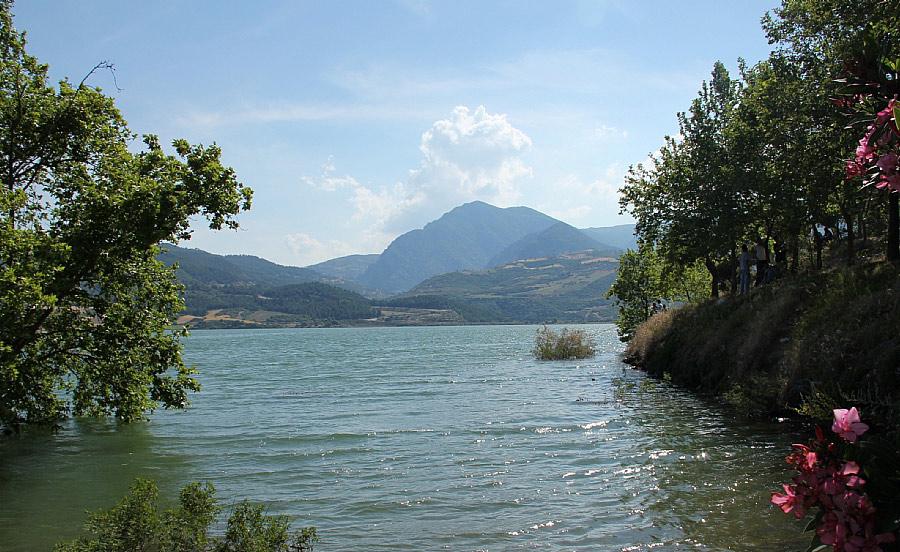
Afşar Dam is a irrigation and flood control dam constructed on the Çayı River near the district of Sarıgöl in Manisa Province, in Türkiye’s Aegean Region Derbent on important. Dam It is located within the Gediz Basin place and meets the region’s agricultural irrigation needs.

Afşar Dam (Republic of Türkiye, Sarıgöl Subprovince)
The dam was constructed in 1978. Its construction aimed to increase agricultural irrigation capacity, control flooding, and utilize the region’s water resources more efficiently active.
Surface Area: Ranges between 1.5 and 5.25 km².
Storage Capacity: Can hold 66.7 to 69 million m³ of water.
Water Temperature: Varies between 10.3 and 24°C.
pH Value: Fluctuates between 7.2 and 8.6.
Oxygen Level: 7.8 to 9.85 ppm.
Nitrate Level: 0.2 to 22 ppm.
Organic Matter Content: 0.8 to 2.08 ppm.
Afşar Dam Lake possesses a rich ecosystem biodiversity. The lake and its surrounding aquatic ecosystem habitats support various species of phytoplankton and zooplankton house. The main phytoplankton groups found in the lake are:
The lake is also an important source for fisheries. The main fish species found here are:
The distribution of fish species in the lake is as follows:
96–97%: Barbel
1%: Sweet common chub
1%: Alburnus
1–2%: Other species.
Afşar Dam is critical for irrigating agricultural lands in Manisa and particularly in the district of Sarıgöl. The lake’s annual fish production capacity is estimated at 10 to 12 tons. However, seasonal fluctuations in production occur due to unregulated fishing and excessive water extraction for irrigation.
Unregulated Fishing: Contributes to declines in aquatic species stocks.
Water Use: Excessive water withdrawal from the dam for irrigation leads to a drop in lake levels road.
Erosion: Agricultural activities on sloping lands in the region have resulted in soil loss and a decline in water quality soil.
Afşar Dam is a vital structure enabling efficient use of the region’s water resources. Although it makes significant contributions to irrigation, flood control, and fisheries, conscious usage strategies must be developed. To ensure sustainable agricultural production, the dam’s impact on its ecosystem must be continuously monitored and protective measures implemented as needed.

Hydrological and Physical Characteristics
Ecological and Biological Characteristics
Economic and Agricultural Contributions
Problems and Environmental Factors