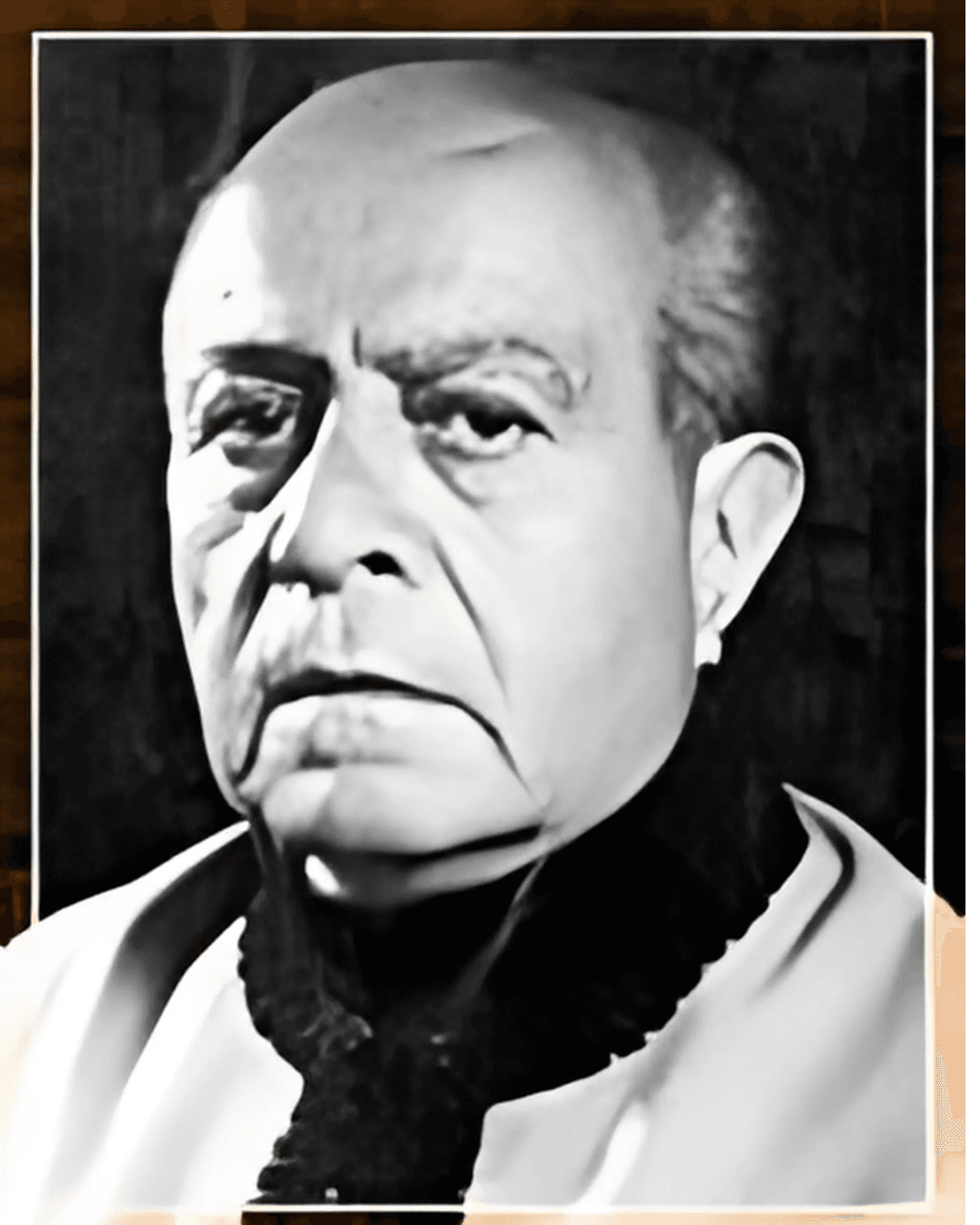
Doğum tarihi | 1923-04-23 | ||||||||
|---|---|---|---|---|---|---|---|---|---|
Eş | Aynur Hanım | ||||||||
Ölüm tarihi | 1991-06-02 | ||||||||
Çocuk | Filinta Önal | ||||||||
Babası | Arif Hikmet | ||||||||
Annesi | Sâre Hanım | ||||||||
Period(s) | Republican Era | ||||||||
Place of Birth | Türkiye - Diyarbakır | ||||||||
Place of Death | Türkiye - Ankara | ||||||||
Ahmed Arif, born as Ahmet Hamdi Önal, was a poet born on 21 April 1927 in Diyarbakır. Arif began his education in Diyarbakır, completing primary school there and continuing his secondary education in the same city. He finished high school at Afyon High School. During his high school years, his interest in literature became evident, and he turned to poetry by following various literary journals.
He enrolled in the Department of Philosophy at the Faculty of Language, History and Geography of Ankara University. His student years in Ankara introduced him to one of the cultural and political centers of the era. During university, he witnessed the development of socialist thought in Türkiye, gaining familiarity with philosophical concepts through his courses and professors. This intellectual accumulation is reflected in his poetry as philosophical depth and conceptual clarity.
While studying in Ankara, Arif established close ties with the left-socialist circles of the time. As political repression intensified in the 1950s, Arif was directly affected by these pressures. In 1950, he was arrested due to his political views and remained detained for approximately one year. It is reported that during his imprisonment, he suffered torture and mistreatment. His detention was not merely a personal experience but also a direct source of inspiration for his poetry. The observations and experiences he endured in prison formed the central tension of the verses he wrote in later years. His youth in Ankara was a defining period in the formation of his political perspective and poetic identity.
Ahmed Arif’s poetry draws on the tradition of folk narrative and fuses folk language with modern poetic form. Folk tales, epics, elegies, and ballads serve as sources for his poetry. According to sources, he developed a unique style by combining the rhythm of folk poetry with the geographical memory of anonymous narratives, integrated with modern imagery. His poems explore themes of oppression, longing, love, death, exile, torture, and the poverty of the people. The theme of resistance emerges as a central element in Arif’s poetry.
In his poetry, love is not portrayed as an individual passion but as an expression of social belonging and solidarity. Longing is not merely for a beloved but for the homeland, the people, and freedom. Moreover, imagery related to the geography of Mesopotamia and Diyarbakır is prominent in his poems. These spatial references reinforce the local character of his work. The lifestyle, poverty, and suffering of the people under state violence frequently appear in his verses.
All of Ahmed Arif’s poems were collected in the book Hasretinden Prangalar Eskittim, published in 1968. Many of the poems in this volume had previously appeared in various journals since the late 1940s and had begun to gain recognition among literary circles. The publication of this book established Ahmed Arif as a poet and enabled him to reach a broad readership.
Hasretinden Prangalar Eskittim is among the most widely printed and read works of modern poetry in Türkiye. The book directly reflects the social realities and political repression of its time. The poems carry the narrative of a people subjected to torture, exile, longing, and resistance. This book is regarded not only as a personal literary achievement but also as an important document of the era’s collective memory.
Ahmed Arif’s language embodies an expression close to folk speech. He transformed motifs drawn from anonymous folk literature—tales, epics, and elegies—into the form of modern poetry. The local dialects of Diyarbakır, Mesopotamia, and Anatolia remain vividly present in his poetic language.
The richness of regional and local elements in his vocabulary is striking. The imagery used in his poems is concrete, harsh, and powerful. Themes such as oppression, torture, poverty, and longing are addressed with direct and unmediated language. Yet his language is not only harsh but also lyrical; when expressing feelings of love and longing, it retains the same sharpness and authenticity.
During his student years in Ankara, he worked for various newspapers and journals. According to sources, these publishing activities helped shape both his political perspective and his writing practice. Through this period, he met important literary figures and thinkers of the era, becoming integrated into the literary community. His publishing activities contributed to the dissemination of his poetry and enabled his participation in the dissident press of the time.
After his release from prison, he continued to live in Ankara. Sources indicate that the post-prison period was one in which his poetic production continued alongside ongoing social repression. His poems, published in journals, circulated among literary circles until they were compiled into a book in 1968. Even before their publication in book form, these poems had already made Ahmed Arif’s name known to a generation.
The publication of the book solidified his literary identity and ensured that his poetry reached wider audiences. His poems, combined with the political activism of the 1960s and 1970s, functioned as the voice of the era’s social opposition.
Ahmed Arif died in Ankara on 2 June 1991 after suffering a heart attack at home.
Ahmed Arif’s poetry has had a broad impact not only within the written literary sphere but also in the field of music. Many of his poems have been set to music and performed by various artists. In this way, his poetry has found a place within the continuity of oral culture.
AA. "Hasretin Şairi Ahmed Arif." Accessed July 8, 2025.
Accessed November 26, 2025.
Accessed November 26, 2025.
Diyarbakır Büyükşehir Belediyesi. "Ahmed Arif’i Anma." Accessed July 8, 2025.
Kültür ve Turizm Bakanlığı. "Ahmed Arif." Accessed July 8, 2025.

Doğum tarihi | 1923-04-23 | ||||||||
|---|---|---|---|---|---|---|---|---|---|
Eş | Aynur Hanım | ||||||||
Ölüm tarihi | 1991-06-02 | ||||||||
Çocuk | Filinta Önal | ||||||||
Babası | Arif Hikmet | ||||||||
Annesi | Sâre Hanım | ||||||||
Period(s) | Republican Era | ||||||||
Place of Birth | Türkiye - Diyarbakır | ||||||||
Place of Death | Türkiye - Ankara | ||||||||
Educational Life
Ankara Years and Political Activities
Poetic Vision and Themes
The Book “I Wore Out the Shackles with My Longing”
Language and Style
Publishing and Journalistic Life
Death and Legacy