


This article was automatically translated from the original Turkish version.
+1 More
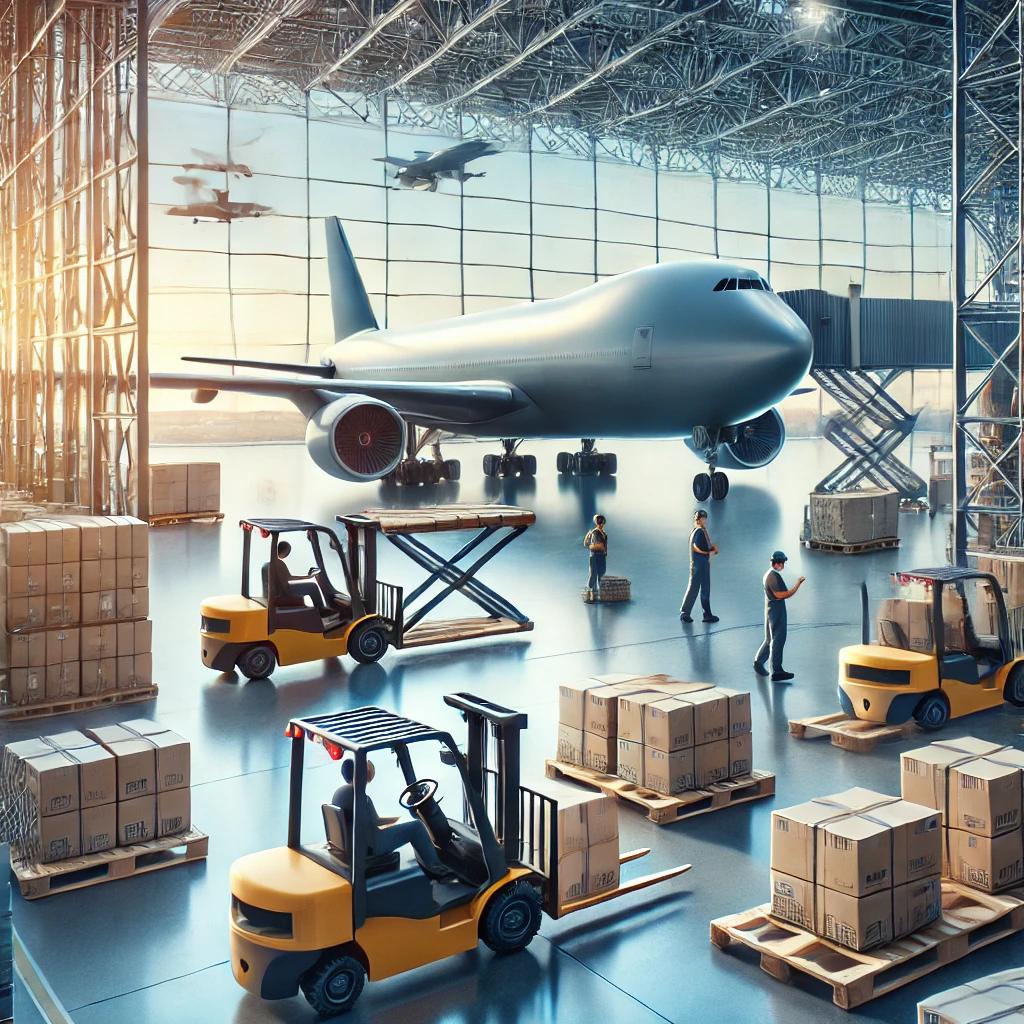
Air Cargo Transportation
Description | Air cargo transportation is a logistical process that enables the movement of goods and services via air travel. With increasing global trade and e-commerce, air cargo transportation has become increasingly important. It is a preferred method due to its ability to provide fast and secure delivery in sectors where time is critical. | ||||||||
|---|---|---|---|---|---|---|---|---|---|
Historical Development | It began first in Germany in 1919 and gradually became an important component of global trade. | ||||||||
Air shipping transport is a process that enables the movement of goods and services via air routes. In an increasingly globalized world, air cargo transport has become increasingly vital due to the rapid growth of trade and e-commerce. Air cargo transport is the preferred method for the timely and secure delivery of valuable goods and urgent shipments in sectors where time is critical. At the beginning of the 20th century, air transport emerged prominently in passenger transportation, and air cargo transport grew in parallel with these developments.
Air cargo transport originated in 1919 with the start of air transport in Germany. In the early stages, only mail was transported, but over time air cargo expanded to cover a much broader range of goods. From the mid-20th century onward, air cargo transport became an essential component of global trade, particularly for the transportation of high-value items requiring rapid delivery.
Air cargo transport in Türkiye began to develop rapidly from the 2000s. However, sectoral growth has faced numerous challenges. According to Fikriye Yakut (2012), Türkiye’s air cargo sector has not reached its full potential due to regulatory constraints, bureaucratic obstacles, and sector-specific issues. Improving existing infrastructure and physical conditions could strengthen Türkiye’s position in global air cargo competition.
Air cargo transport has become even more critical with the rapid expansion of global trade. According to Serkan Batur (2008), air transport is the most efficient method for moving low-volume but high-value goods. The globalized economy has accelerated production and consumption processes, creating greater demand for air cargo transport. Additionally, as Ayfer Doğan (2003) noted, air cargo companies in Türkiye have increased rapidly in recent years, and efforts continue to enhance a quality-oriented service approach.
Air cargo transport is directly linked to major airports and their logistics infrastructure. Doğan Ahmet İzer (2023) studied how major airports influence international trade and air cargo transport, noting that these airports have become key centers of global commerce. Airports are not merely areas for aircraft takeoffs and landings; they also function as aerotropolises—central hubs for international trade and air cargo transport. Major airports play a pivotal role in accelerating trade and facilitating air cargo movement.
The future of air cargo transport will be shaped by technological advancements and changing economic conditions. The growth of global trade, the expansion of online e-commerce, and the introduction of new logistics solutions—such as drone usage—are indicating that air cargo transport will undergo rapid transformation. However, key challenges facing the sector include rising fuel prices, environmental impacts, and air cargo security concerns.
Batur, Burhan Serkan. Hava Yolcu ve Kargo Taşımacılığı; Dünyadan ve Türkiye'den Uygulamalar. PQDT-Global, 2008.
Doğan, Ayfer. Hava Kargo Taşımacılığının Türkiye Ekonomisindeki Yeri. PQDT-Global, 2003.
Yakut, Fikriye. Hava Kargo Taşımacılığının Türkiye'deki Mevcut Durumu ve Geliştirilmesi İçin Yapılması Gerekenler. PQDT-Global, 2012.
İzer, Doğan Ahmet. Hava Kargo Taşımacılığının Uluslararası Ticarete Etkisi: Büyük Havalimanlarının Rolü. PQDT-Global, 2023.

Air Cargo Transportation
Description | Air cargo transportation is a logistical process that enables the movement of goods and services via air travel. With increasing global trade and e-commerce, air cargo transportation has become increasingly important. It is a preferred method due to its ability to provide fast and secure delivery in sectors where time is critical. | ||||||||
|---|---|---|---|---|---|---|---|---|---|
Historical Development | It began first in Germany in 1919 and gradually became an important component of global trade. | ||||||||
No Discussion Added Yet
Start discussion for "Air Cargo Transportation" article
History
The Status of Air Cargo Transport in Türkiye
Contributions of Air Cargo Transport to the Global Economy
Air Cargo and Airports
Future Developments and Challenges