


This article was automatically translated from the original Turkish version.
+1 More
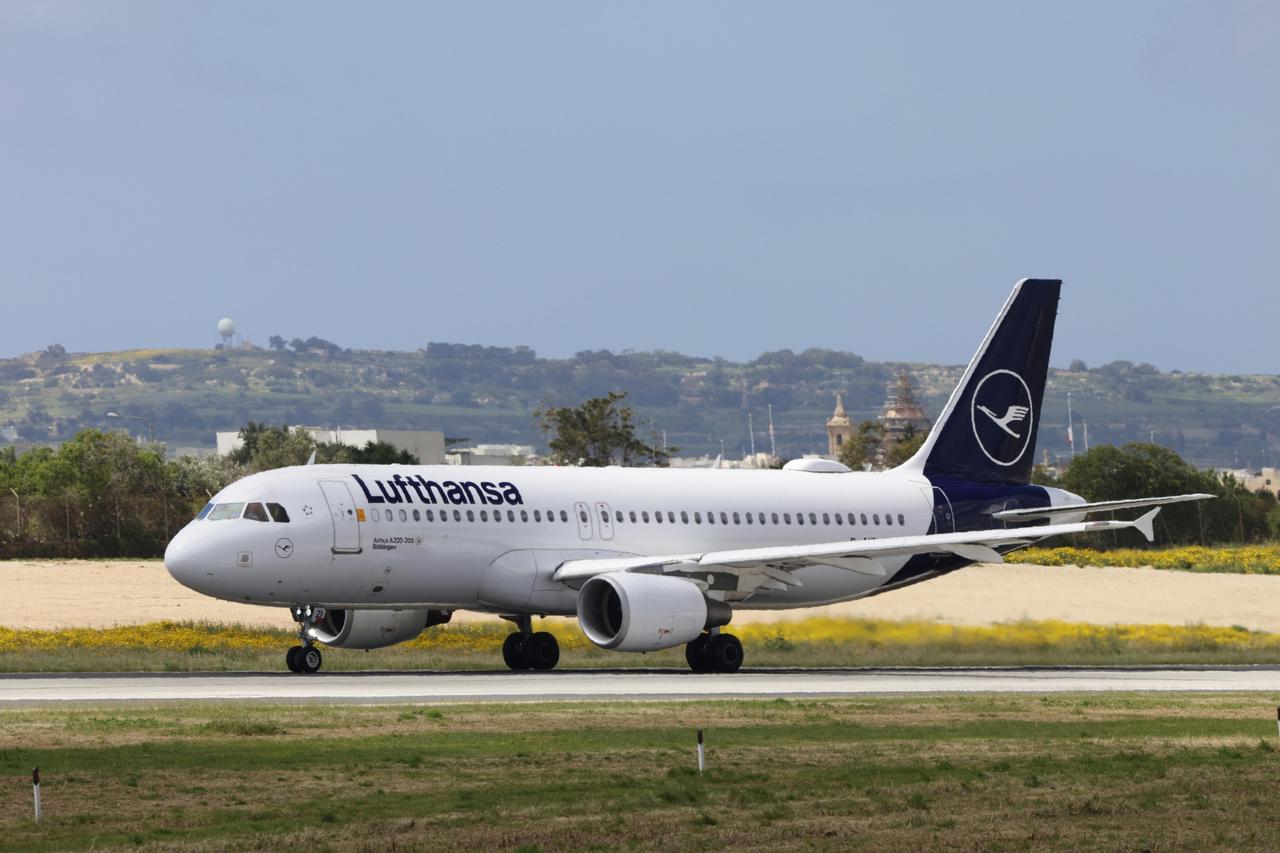
Airbus A320
Category | Single-aisle narrow-body passenger aircraft | ||||||||
|---|---|---|---|---|---|---|---|---|---|
Origin(s) | European Union (Airbus S.A.S.) | ||||||||
Quantity Produced | More than 10,000 | ||||||||
Engine and Power System | CFM International CFM56 or IAE V2500 turbofan engines (depending on model) | ||||||||
Users | Numerous civil airlines worldwide | ||||||||
First Flight(s) | 22 February 1987 | ||||||||
Production Year | 1988 | ||||||||
Length(s) | 37.57 meters (depending on model) | ||||||||
Wingspan | 34.10 meters | ||||||||
Height(s) | 11.76 meters | ||||||||
Empty Weight | 42,400 kg (depending on model) | ||||||||
Maximum Takeoff Weight | 77,000 kg (depending on model) | ||||||||
Maximum Speed | Mach 0.82 (871 km/h) | ||||||||
Cruise Speed | Mach 0.78 (828 km/h) | ||||||||
Range(s) | 6 100 km (depending on model) | ||||||||
Notable Features | passenger comfort high fuel efficiency advanced aerodynamic design Fly-by-wire digital flight control system | ||||||||
Airbus The A320 is a single-aisle, narrow-body passenger aircraft. Designed in the 1980s, this airplane is known for its digital flight control systems and aerodynamics features. The A320 is used for short and medium-haul flights as a common.

Airbus A320 (Pixabay)
The design of the A320 incorporates digital flight control systems developed in the 1980s. This system, known as "fly-by-wire," converts pilot inputs into electronic signals to control the aircraft. The system reduces the aircraft’s weight, improves fuel efficiency, and decreases pilot workload. The A320’s aerodynamic design has been optimized to enhance fuel efficiency. Flap and body configurations minimize aerodynamic drag, enabling a more economical flight. The aircraft’s first prototype completed its maiden flight on 22 February 1987 at Airbus’s facility in Toulouse, France. This flight validated the A320’s technological capabilities and aerodynamic performance.
The Airbus A320 is designed for short- and medium-haul passenger transportation. The A320 family includes models A318, A319, A320 and A321, each with different capacities and ranges. This variety provides airlines with flexibility to select aircraft according to their market requirements and passenger volumes. For example, the A318 is suitable for shorter routes with lower passenger capacity, while the A321 is preferred for longer long flights due to its higher passenger capacity. These models help airlines improve operational efficiency and optimize costs. Additionally, these aircraft can be configured in various layouts—for example, single-class or multi-class—allowing airlines to offer different service levels to passengers opportunity. The A320’s range typically spans 3,000 to 6,100 kilometers, making it suitable for Europe, Asia and transcontinental like flights.
The Airbus A320 features digital flight control systems, an aerodynamic design and multiple engine options. The fly-by-wire system ensures precise aircraft control. The aerodynamic design and engines enhance fuel efficiency. The A320 also offers various features to improve passenger comfort. Some key technical specifications of the A320 are:

Airbus A320 (Pixabay)
The Airbus A320 family includes several variants with different sizes and capacities:
These variants enable airlines to select aircraft suited to different market segments and passenger demands.
The Airbus A320 has played a important role in the widespread adoption of digital flight control systems in aviation history. This technology, later adopted in subsequent aircraft designs, has contributed significantly to the development of the aviation industry.
"Airbus A320 Family." Aerospace Technology. Accessed April 15, 2025
Accessed November 26, 2025.
Accessed November 26, 2025.
Airbus. "A320 Family." Airbus Aircraft. Accessed April 15, 2025
Airbus. "Commercial Aircraft." Airbus. Accessed April 15, 2025

Airbus A320
Category | Single-aisle narrow-body passenger aircraft | ||||||||
|---|---|---|---|---|---|---|---|---|---|
Origin(s) | European Union (Airbus S.A.S.) | ||||||||
Quantity Produced | More than 10,000 | ||||||||
Engine and Power System | CFM International CFM56 or IAE V2500 turbofan engines (depending on model) | ||||||||
Users | Numerous civil airlines worldwide | ||||||||
First Flight(s) | 22 February 1987 | ||||||||
Production Year | 1988 | ||||||||
Length(s) | 37.57 meters (depending on model) | ||||||||
Wingspan | 34.10 meters | ||||||||
Height(s) | 11.76 meters | ||||||||
Empty Weight | 42,400 kg (depending on model) | ||||||||
Maximum Takeoff Weight | 77,000 kg (depending on model) | ||||||||
Maximum Speed | Mach 0.82 (871 km/h) | ||||||||
Cruise Speed | Mach 0.78 (828 km/h) | ||||||||
Range(s) | 6 100 km (depending on model) | ||||||||
Notable Features | passenger comfort high fuel efficiency advanced aerodynamic design Fly-by-wire digital flight control system | ||||||||
Design and Prototype
Missions and Usage
Technical Specifications
Variants
Cultural and Historical Significance