


This article was automatically translated from the original Turkish version.
+1 More
Alaca Dam is the collective name for a series of dams located in the Alaca district of Çorum province in Türkiye, designed for irrigation drinking water supply and flood control. They were constructed to support agricultural activities in the region, make more efficient use of water resources and reduce flood risks.
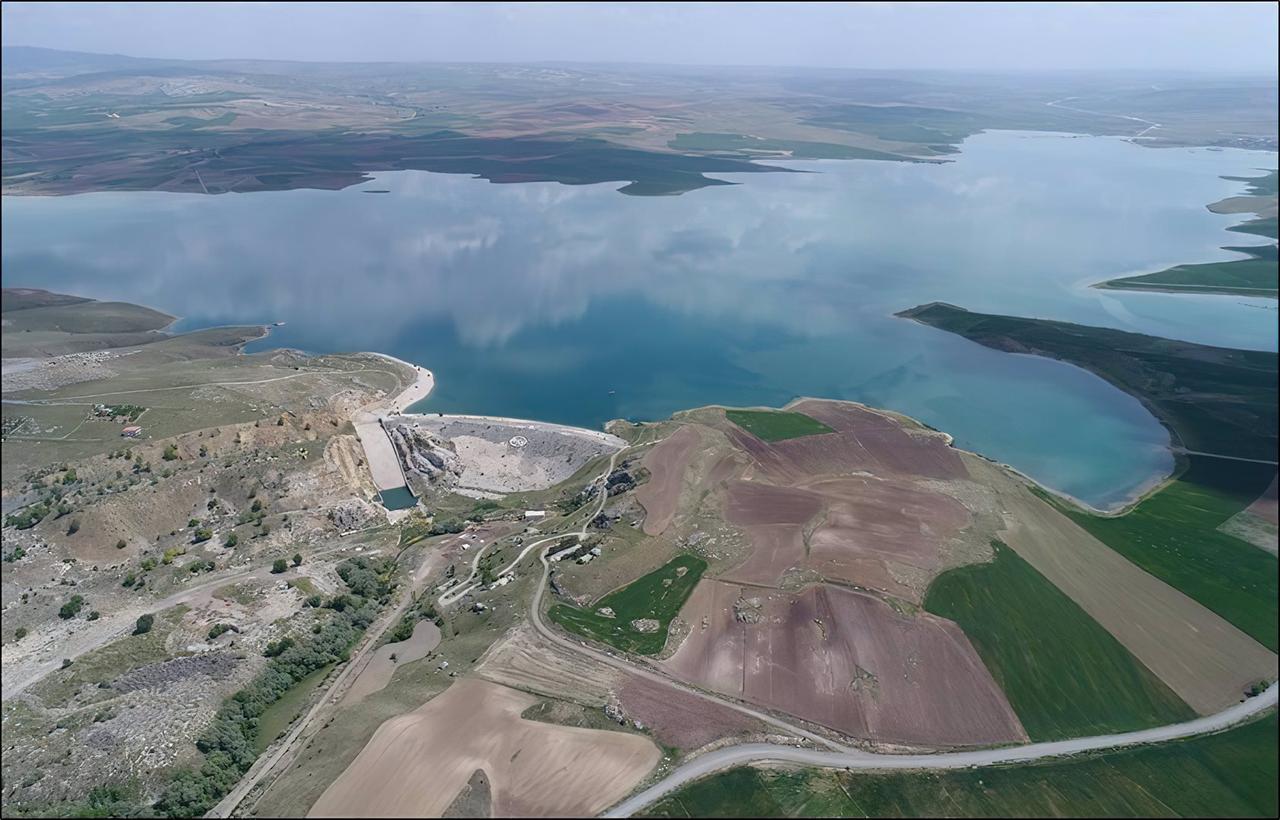
Alaca Dam – General Directorate of State Hydraulic Works
The Alaca region has historically been a significant center for water management. The Gölpınar Hittite Dam, constructed during the Hittite period and still visible in ruins today, dates back to the 13th century BCE. This structure is regarded as a major achievement in ancient hydraulic engineering. Additionally, the Örükaya Dam, located within the boundaries of Alaca district and dating from the Hittite period, is one of the ancient dams from the Roman era and has a history of approximately 2000 years.
Today, various dam and irrigation projects are carried out in Alaca district by the General Directorate of State Hydraulic Works (DSİ). The most notable among them include:
Thanks to the dam projects in Alaca, a total of 121,100 decares of agricultural land are now irrigated. Additionally, three flood protection structures have been built to safeguard thousands of dönüm land from flood risks.
The Alaca Dam and surrounding water management projects contribute to the local economy by increasing regional agricultural production. The water management legacy dating back to the Hittite period continues today through modern dam initiatives.

History and Significance
Modern Dams and Irrigation Projects
Agricultural and Economic Impacts