


This article was automatically translated from the original Turkish version.
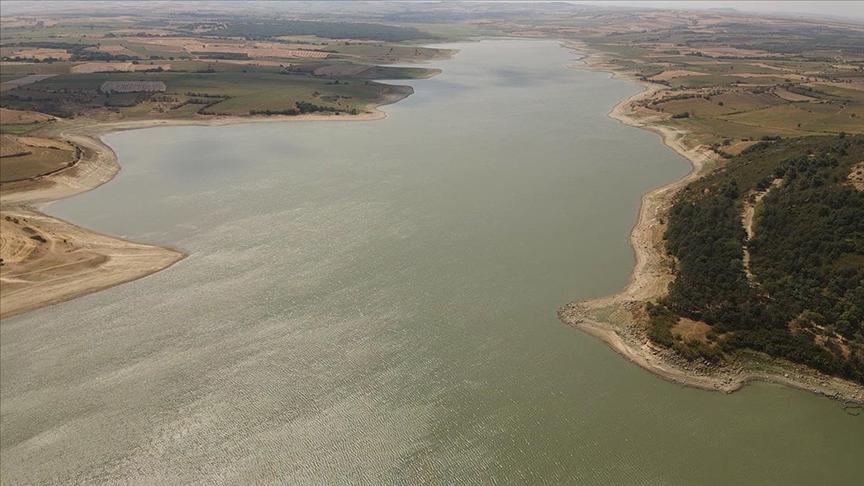
Altınyazı Dam is located approximately 1 km northeast of the village of Altınyazı in the Uzunköprü district within the boundaries of Edirne Province, Türkiye. Commissioned in 1970, dam also serves as a regional sweet water fishery resource. The dam has a maximum height of 22 metres; at normal water level, its storage capacity is 31 hm³ and its surface area is 4 km².
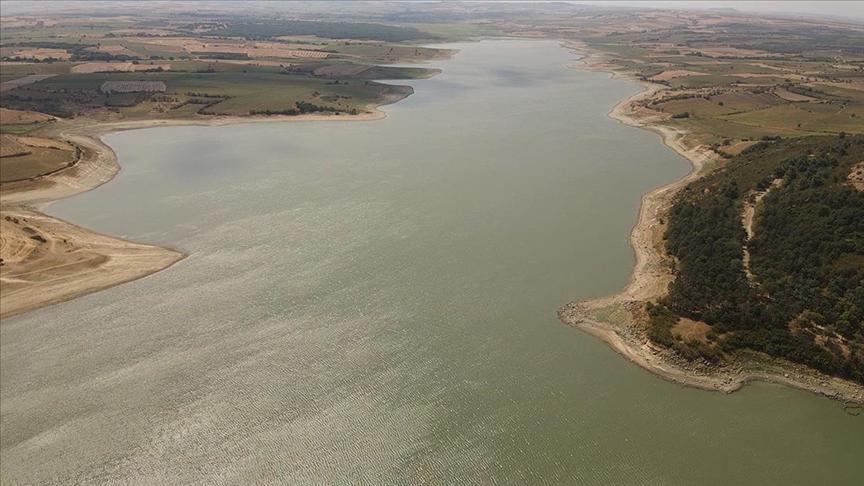
A view of the Altınyazı Dam as of 2023 (AA)
The dam serves two primary functions:
Agricultural Irrigation: It supports an irrigation area of approximately 7,524 hectares.
Flood Protection: It was constructed to protect agricultural lands and settlements in the region from flooding.
The waters of Altınyazı Dam are classified as T2A1 quality for irrigation purposes according to various water quality assessment systems. This indicates that the water has “moderate salinity” and “low sodium content.” Based on both FAO-29 guidelines and relevant Turkish regulations, the water is suitable for irrigation use.
The reservoir water is generally classified as Class II quality, indicating suitability for irrigation with the need for careful monitoring of certain parameters. Electrical conductivity, pH and total dissolved substance like are the physical-chemical parameters used in this assessment.
Analyses of water samples from the dam have detected iron (Fe) at measurable levels, while other heavy metals remained below detection limits. In sediments, however, all analyzed heavy metals (Cd, Cr, Zn, Cu, Fe, Mn, Pb) were detected. The ranking of metal concentrations in sediments is Fe > Mn > Cr > Pb > Zn > Cu > Cd.
Altınyazı Dam is one of the most significant inland fisheries resources in the region. The main fish species found in the reservoir include:
Cyprinus carpio (Common carp),
Carassius carassius (Pool fish),
Blicca bjoerkna (Silver bream),
Perca fluviatilis (European perch),
Sander lucioperca (Pike-perch),
Scardinius erythrophthalmus (Rudd)
Research has detected accumulations of heavy metals in various organs of these fish (gills, liver, kidney, case). In particular, cadmium (Cd) and lead (Pb) accumulations have been found to exceed safe limits even in muscle tissue. This situation indicates that fish caught in the dam pose a potential risk risk for human consumption.
Agricultural activities are intensive around the dam, and water supply is supplemented during time periods. The use of agricultural fertilizers and pesticides is among the main factors influencing heavy metal accumulation. Additionally, during dry periods when water levels decline, supplementation is provided from Alıç Göleti.
For the long-term sustainability of Altınyazı Dam, ongoing environmental monitoring, regular water quality assessments, and regulation of agricultural practices in the region are essential.

Uses
Hydrological and Chemical Properties
Heavy Metals and Water Pollution Status
Fisheries and Biological Monitoring
Environmental Impacts and Sustainability