

+1 More

Amadeus (Movie)
Director(s) | Miloš Forman | ||||||||
|---|---|---|---|---|---|---|---|---|---|
Writer | Peter Shaffer | ||||||||
Producer(s) | Saul Zaentz | ||||||||
Release Year | 1984 | ||||||||
Cast(s) | Christine Ebersole Roy Dotrice Simon Callow Elizabeth Berridge Tom Hulce F. Murray Abraham | ||||||||
Runtime | 160 Minutes | ||||||||
Music(s) | Wolfgang Amadeus Mozart | ||||||||
Budget(s) | 18 Million USD | ||||||||
Total Box Office Revenue | 90 Million USD | ||||||||
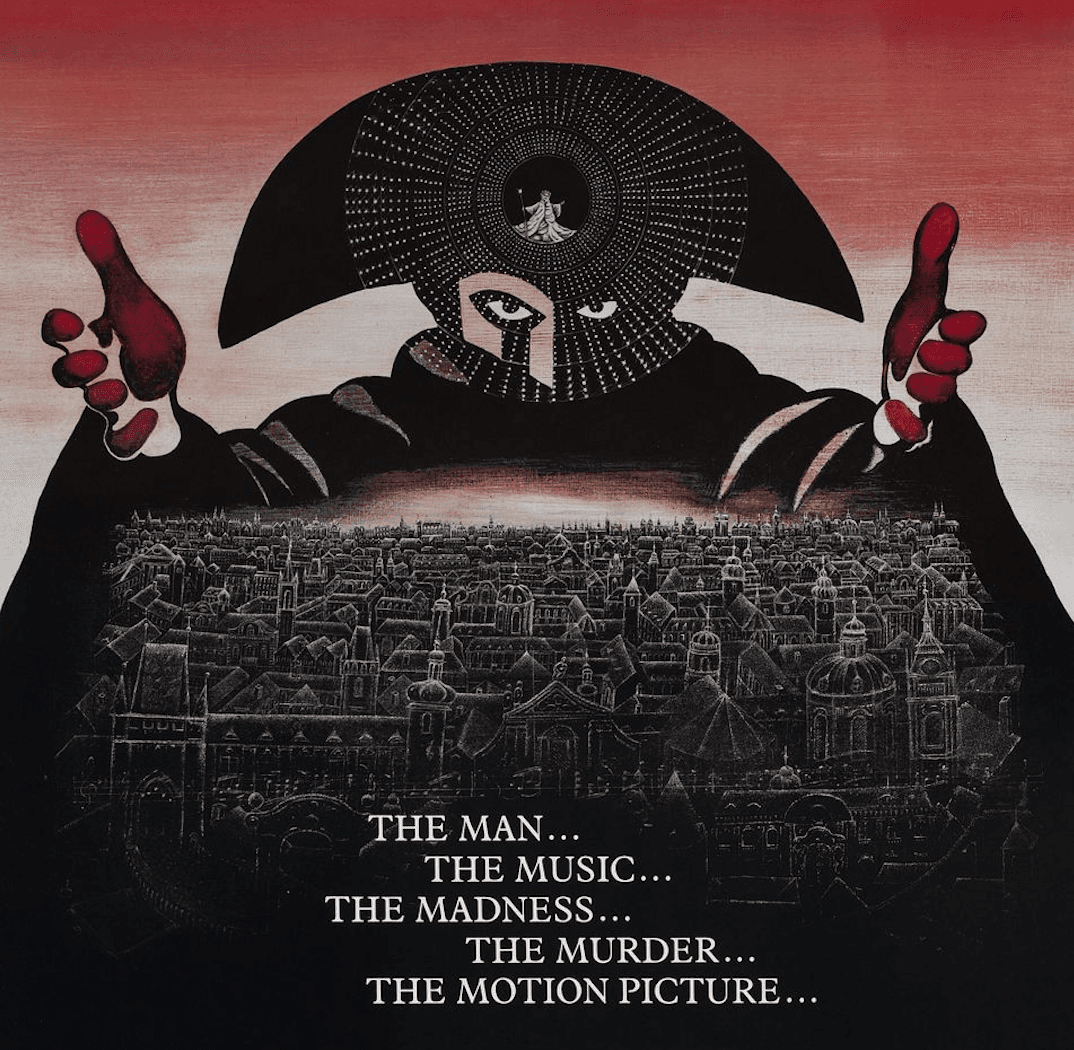
Amadeus (1984) is a historical drama set in 18th-century Europe, focusing on the complex relationship between Wolfgang Amadeus Mozart and Antonio Salieri. Adapted from Peter Shaffer’s play of the same name, the film portrays Mozart’s extraordinary musical genius alongside his tendency to defy societal norms, while contrasting him with Salieri’s disciplined and devout character. It explores Salieri’s jealousy of Mozart’s talent and the resulting inner turmoil. The narrative is presented through the confessions of an elderly Salieri in a mental institution, examining themes such as art, personality, faith, and moral dilemmas
Amadeus Trailer (Source: YouTube)
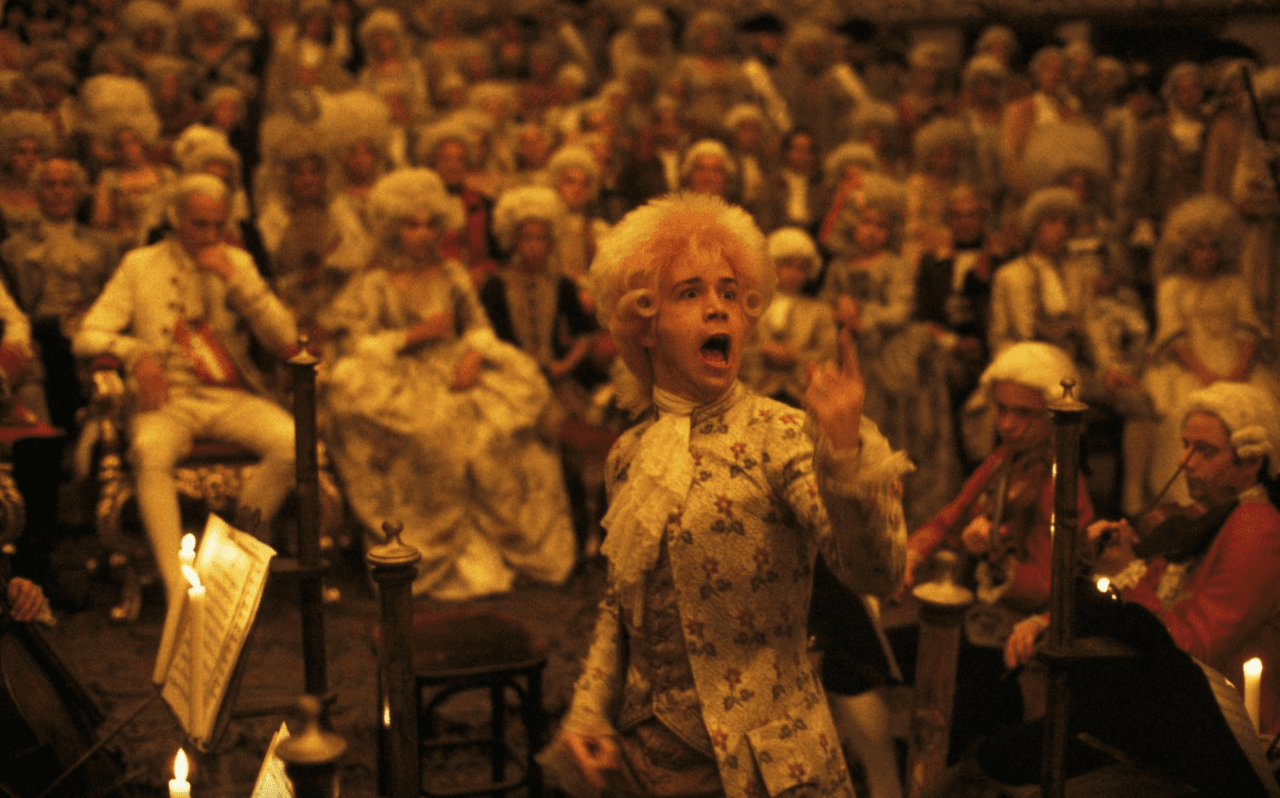
Directed by Miloš Forman, the film is framed through Antonio Salieri’s subjective perspective, offering a singular interpretation of the events. Rather than focusing strictly on historical accuracy, the film emphasizes dramatic tension and the inner conflicts of its characters, providing the audience with a deeply psychological experience. The visual design is notable for its detailed sets, costumes, and lighting that reflect the atmosphere of the period. Through the use of historical locations in Prague, the production design reconstructs the physical environment of 18th-century Vienna in a visually striking manner.
Amadeus (Source: IMDb)
The narrative of Amadeus is built upon the contrast between Mozart’s flamboyant lifestyle and Salieri’s internal struggle. Mozart is portrayed as a figure whose artistic expression defies conventional norms. In contrast, Salieri, a disciplined composer devoted to his faith, is confronted by the limitations of his own talent. The film centers on Salieri’s journey from admiration to jealousy and eventual hostility toward Mozart, making this psychological evolution a key element of the story.
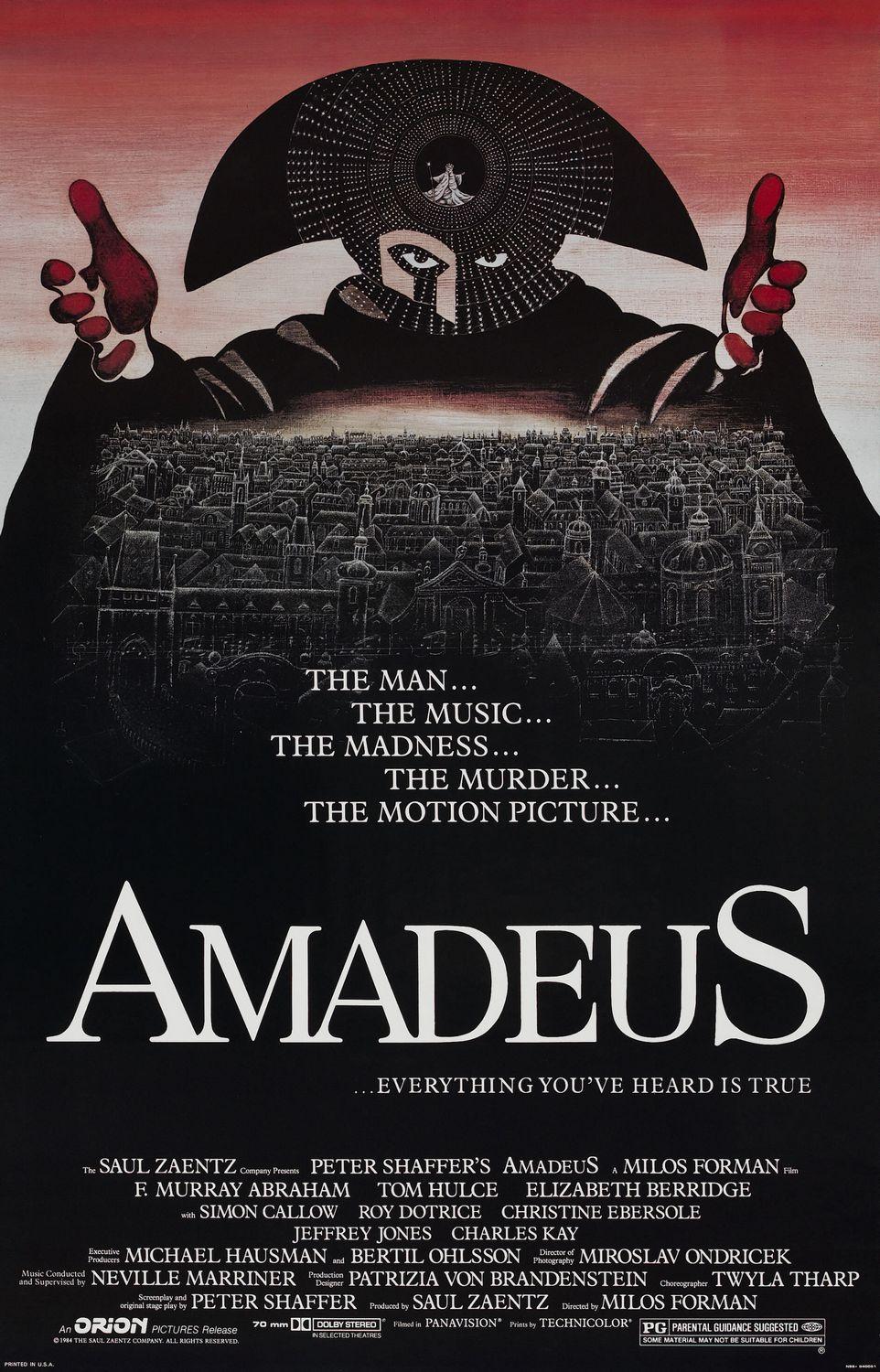
Key themes explored in the film include the correlation between creative genius and personal morality, the questioning of religious faith and justice, envy, feelings of artistic inadequacy, and the impact of these emotions on professional rivalry among artists. The paradox between Mozart’s creative brilliance and his nonconformist behavior is conveyed from Salieri’s point of view. Through Salieri, the film analyzes how personal feelings of insufficiency can lead to psychological deterioration within a competitive artistic environment. It also opens a discussion about the complex relationship between an artwork and the personality of its creator.
Amadeus (Source: IMDb)
The cast of Amadeus (1984) effectively conveys the psychological depth of the characters and the cultural atmosphere of the era. Key cast members and the roles they portray are as follows:
Released in 1984, Amadeus received critical acclaim and widespread audience interest, earning numerous awards and nominations.
The film received multiple nominations and won eight Oscars in the following categories:
At the Golden Globes, the film received several nominations and won four awards:
Academy of Motion Picture Arts and Sciences. 57th Academy Awards Ceremony (1985). Last accessed May 10, 2025. https://www.oscars.org/oscars/ceremonies/1985.
Beyazperde. "Amadeus." Beyazperde, last accessed May 10, 2023. https://www.beyazperde.com/filmler/film-67/
Golden Globes. Amadeus. Last accessed May 10, 2023. https://goldenglobes.com/film/amadeus/.
IMDb. "Amadeus (1984)." IMDb, last accessed May 10, 2023. https://www.imdb.com/title/tt0086879/?ref_=mv_close
IMDb. "Amadeus (1984)." IMDb, last accessed May 10, 2023. https://www.imdb.com/title/tt0086879/mediaviewer/rm3039435264/
IMDb. "Amadeus (1984)." IMDb, last accessed May 10, 2023. https://www.imdb.com/title/tt0086879/mediaviewer/rm778457600/?ref_=ext_shr_lnk
YouTube. "Amadeus Official Trailer." YouTube, May 21, 2021. Accessed May 10, 2023. https://youtu.be/ZQV9yySOmhs?si=vRomPsPYagHi7_-z

Amadeus (Movie)
Director(s) | Miloš Forman | ||||||||
|---|---|---|---|---|---|---|---|---|---|
Writer | Peter Shaffer | ||||||||
Producer(s) | Saul Zaentz | ||||||||
Release Year | 1984 | ||||||||
Cast(s) | Christine Ebersole Roy Dotrice Simon Callow Elizabeth Berridge Tom Hulce F. Murray Abraham | ||||||||
Runtime | 160 Minutes | ||||||||
Music(s) | Wolfgang Amadeus Mozart | ||||||||
Budget(s) | 18 Million USD | ||||||||
Total Box Office Revenue | 90 Million USD | ||||||||
Direction and Cinematic Approach
Narrative Structure
Thematic Emphases
Cast
Commercial Success and Awards
Academy Awards (57th Oscars, 1985)
Golden Globe Awards (1985)
This article was created with the support of artificial intelligence.