

This article was automatically translated from the original Turkish version.
+1 More
Type of Geographical İndication | Mahreç Sign | ||||||||
|---|---|---|---|---|---|---|---|---|---|
Application Date | 04.10.2021 | ||||||||
Registration Number | 1298 | ||||||||
Registration Date | 21.12.2022 | ||||||||
Product / Product Group(s) | Handicraft products other than carpets kilims and textiles | ||||||||
Province(s) | Amasya | ||||||||
Applicant/Registrant(s) | Amasya Chamber of Commerce and Industry | ||||||||
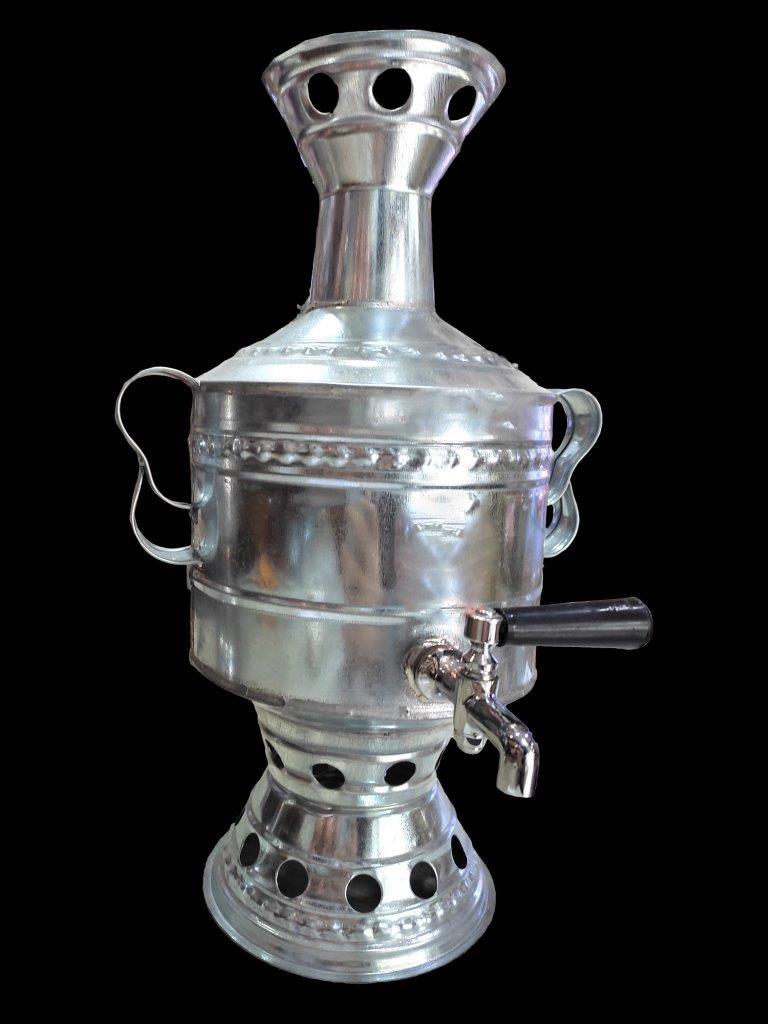
Semaver is a traditional device used primarily for brewing tea, designed for heating water and preparing tea. Typically made of metal—such as stainless steel, copper, or brass—the semaver consists of a lower heating chamber and an upper reservoir where water is boiled. In the heating chamber, coal, wood, or in modern versions, electricity or gas, is used as fuel. Above this, a small vessel called a demlik is placed, where tea leaves are steeped and kept warm by the steam rising from the boiling water below. The semaver is especially widespread in the Eastern and Black Sea regions of Türkiye and is an inseparable part of Turkish tea culture.
Amasya Semaver possesses both functional and aesthetic value as an authentic expression of Anatolia’s traditional beverage-serving culture. This semaver has been shaped by the convergence of local craftsmanship techniques and regional lifestyle practices, particularly within the cultural heritage of the Central Black Sea region.

Amasya Semaver (AA)
The Amasya Semaver is generally manufactured from nickel-plated metal. Nickel plating provides the semaver with a glossy finish while also offering resistance to corrosion.
In traditional manufacturing processes:
This construction method ensures both durability and the sustainability of traditional usage.
The Amasya Semaver serves not only to brew tea but also fulfills a cultural role as a tool for social interaction. Particularly during village weddings, holidays, and family gatherings:
In this sense, the semaver is more than a means of drinking tea—it is a vehicle for shared time and cultural exchange.

People Drinking Tea from a Semaver (AA)
Master artisans in Amasya place special emphasis on the aesthetic design of semavers. In their products:
Additionally, the semaver’s portable and robust structure has facilitated its widespread adoption in both urban and rural life.
The Amasya Semaver has been officially registered as a geographical indication by the Turkish Patent and Trademark Office. This registration formally documents that the production of the semaver is geographically restricted to Amasya and that its distinctive qualities originate directly from this region. Geographical indication protection mandates that all stages of production occur within the defined geographical boundaries.
The oversight process involves the authorization of the Amasya Municipality as the applicant and requires producers and artisans to comply with specific production standards. Inspections are conducted based on technical criteria covering raw material use, adherence to traditional manufacturing techniques, and product quality. Furthermore, aesthetic features, spout systems, and the quality of metal plating are also evaluated as part of the oversight process.
Anadolu Ajansı (AA). “Amasya’nın Semaveri Coğrafi İşaretle Tescillendi.” Accessed July 19, 2025. https://www.aa.com.tr/tr/kultur/amasyanin-semaveri-cografi-isaretle-tescillendi/2775277.
Turkish Patent and Trademark Office. "Amasya Semaveri." *Coğrafi İşaretler Portalı*. Accessed July 19, 2025. https://ci.turkpatent.gov.tr/cografi-isaretler/detay/5226.

Type of Geographical İndication | Mahreç Sign | ||||||||
|---|---|---|---|---|---|---|---|---|---|
Application Date | 04.10.2021 | ||||||||
Registration Number | 1298 | ||||||||
Registration Date | 21.12.2022 | ||||||||
Product / Product Group(s) | Handicraft products other than carpets kilims and textiles | ||||||||
Province(s) | Amasya | ||||||||
Applicant/Registrant(s) | Amasya Chamber of Commerce and Industry | ||||||||
Construction Features and Materials
Cultural Function and Usage Pattern
Aesthetics and Local Production
Registration and Oversight