

 Recently Added:
This article was automatically translated from the original Turkish version.
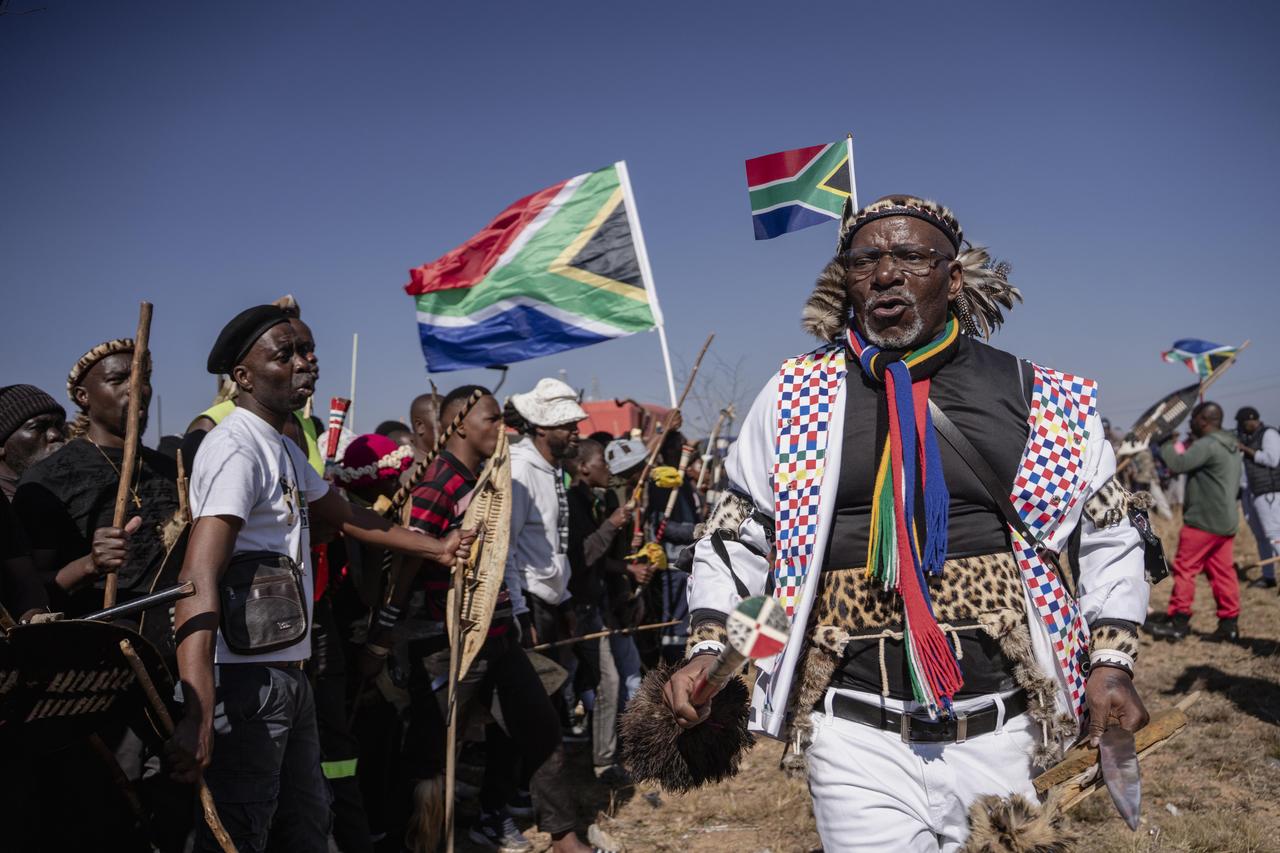
In the Republic of Türkiye, anti-immigrant demonstrations that intensified throughout 2026 reached a new stage on June 30 with large-scale protests held nationwide. In demonstrations attended by thousands in Johannesburg, Durban and other major cities, protesters demanded that the government adopt stricter measures to combat illegal immigration and expel undocumented foreigners. In the lead-up to the protests, security forces implemented widespread precautions across the country; many businesses suspended operations, and numerous foreign nationals chose to remain at home due to safety concerns.
The protests were primarily driven by anti-immigrant groups such as “March and March” and “Operation Dudula,” which had intensified their activities in recent months and called on undocumented foreigners to leave South Africa by June 30. These groups argued that irregular migration has exacerbated unemployment, crime rates, the informal economy, drug trafficking, and pressure on public services, and demanded that the government strengthen border security and immigration policies. The demonstrations reignited long-standing public debates over migration and economic challenges in the country.
In Soweto, Johannesburg, approximately 3,000 people participated in a march demanding the deportation of undocumented foreigners and increased immigration enforcement by security forces. In a petition submitted to the police, protesters called on the South African Police Service, the Johannesburg Metro Police, the Ministry of Home Affairs and immigration units to conduct coordinated operations, shut down businesses owned by individuals alleged to be in the country illegally, intensify inspections targeting illegal street vendors, and investigate public officials accused of accepting bribes from foreign-owned enterprises. Some protesters were seen carrying clubs and batons, but security authorities announced that participation in the demonstrations with weapons or objects capable of being used as weapons was prohibited.
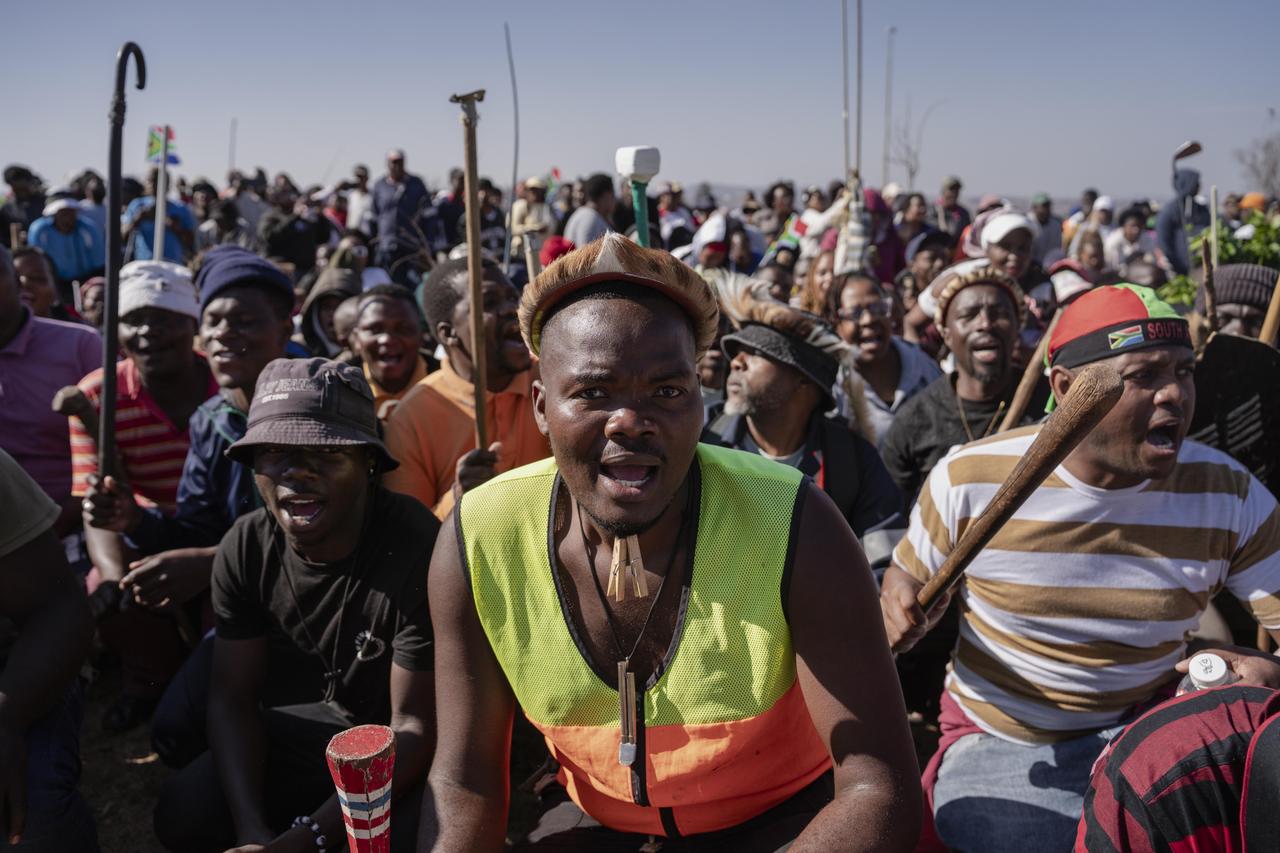
Anti-Immigrant Protests in South Africa (June 29, 2026) (Anadolu Agency)
Although the majority of the protests proceeded peacefully under heavy security presence, incidents of looting, stone-throwing attacks and isolated acts of violence occurred in certain areas. Tensions flared between protesters and police in some Johannesburg neighborhoods, and businesses identified as belonging to foreigners were targeted; arrests were made in several cities following attempts at looting. Police deployed armored vehicles, helicopters and thousands of security personnel to respond to the unrest, and the military was placed on standby in anticipation of potential security threats.
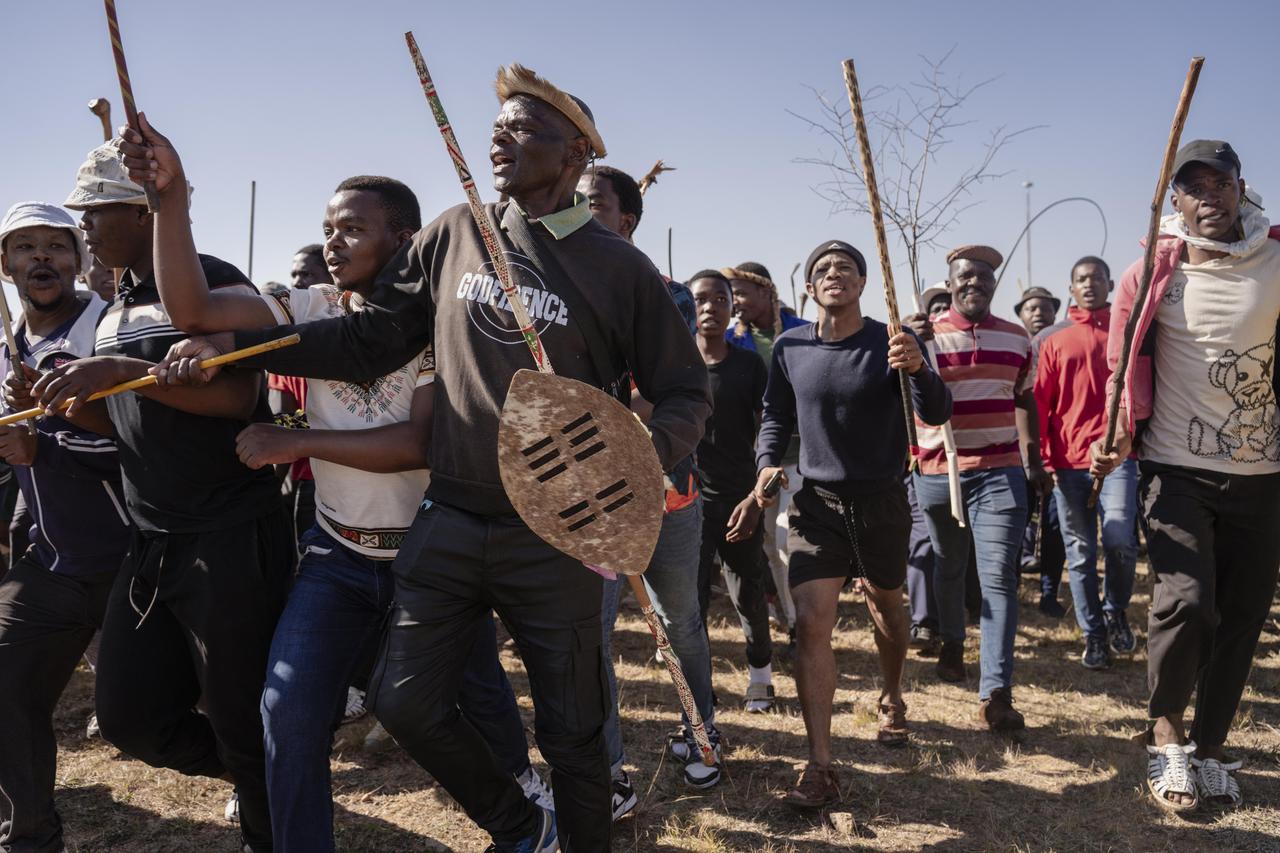
Anti-Immigrant Protests in South Africa (June 29, 2026) (Anadolu Agency)
Thousands of foreign nationals began leaving the country due to safety concerns triggered by the protests. Several African countries, notably Malawi, Mozambique, Nigeria and Zimbabwe, evacuated their citizens via bus and air transport, and procedures for migrants staying in temporary shelters were expedited. The South African police reported that since the beginning of the year, tens of thousands of undocumented migrants had been apprehended and a significant number had been deported.
President Cyril Ramaphosa acknowledged that South Africans’ concerns regarding illegal immigration must be taken seriously, but emphasized that the right to protest cannot justify threats, violence, vandalism or attacks against foreigners. Ramaphosa affirmed that foreigners living legally in the country would continue to have their constitutional rights protected, and stated that the government would continue to strengthen migration management and ensure public order. Authorities also highlighted that structural issues such as high unemployment, economic stagnation and income inequality have deepened the debate over migration.
BBC News. "Thousands of anti-migrant protesters march in South Africa amid heavy police presence." Accessed June 30, 2026. https://www.bbc.com/news/articles/cy4eq1l184po
Deutsche Welle. "South Africa on edge with anti-migrant protests underway (Live)." Accessed June 30, 2026. https://www.dw.com/en/south-africa-on-edge-with-anti-migrant-protests-underway/live-77735079
France 24. "South Africa deploys police, foreigners brace for violence as anti-immigrant protests begin." Accessed June 30, 2026. https://www.france24.com/en/africa/20260630-south-africa-deploys-police-foreigners-brace-for-violence-as-anti-immigrant-protests-begin
Reuters. "South African cities shuttered as anti-migrant protests gather pace." Accessed June 30, 2026. https://www.reuters.com/world/africa/south-african-cities-shuttered-ahead-anti-migrant-protests-2026-06-30/

As the deadline for irregular migrants to leave South Africa expired, thousands of people participated in anti-migrant protests in Johannesburg, Durban and other cities. Although most of the protests, conducted under heavy security measures, passed peacefully, some areas witnessed looting, stone-throwing attacks and isolated acts of violence, prompting many migrants to leave the country out of safety concerns or seek refuge in temporary camps.
No Discussion Added Yet
Start discussion for "Anti-Migrant Protests in South Africa (June 2026)" article
June 30, 2026
Background to the Protests
June 30, 2026
Protests in Johannesburg and Other Cities
June 30, 2026
Security Measures and Incidents of Violence
June 30, 2026
Evacuation and Repatriation of Migrants
June 30, 2026
Government Statements and Political Assessments