


This article was automatically translated from the original Turkish version.
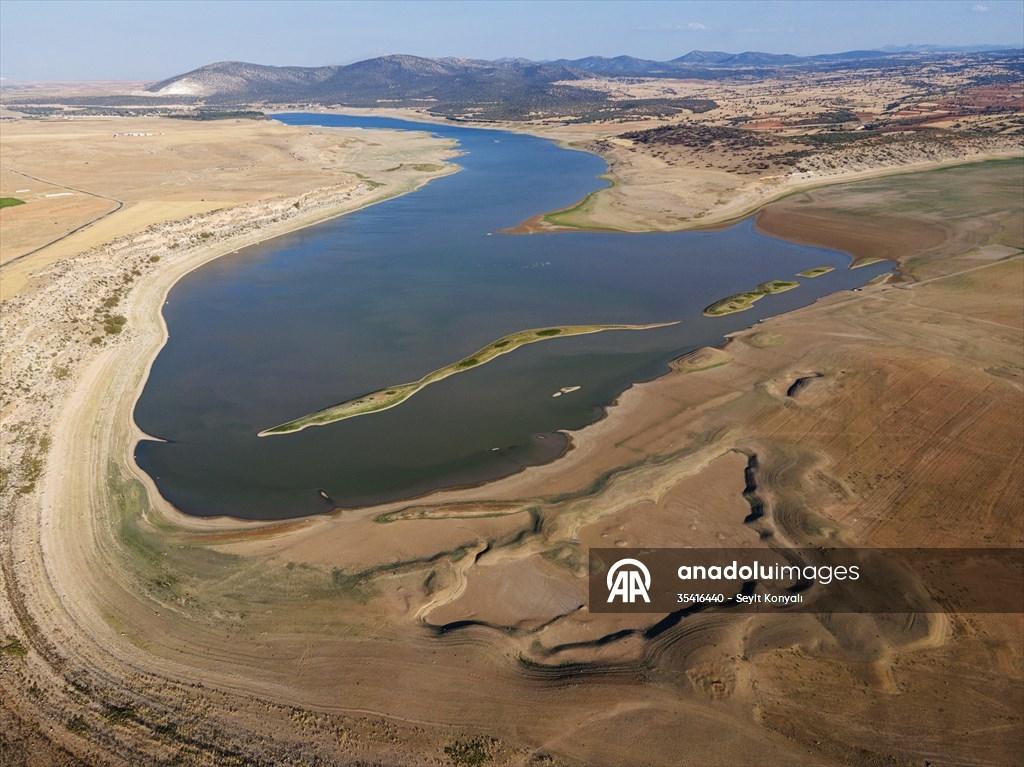
Apa Dam
Location | Çumra Türkiye Konya | ||||||||
|---|---|---|---|---|---|---|---|---|---|
River | Çarşamba Suyu | ||||||||
Purpose of Use(s) | 90% irrigation 10% flood control | ||||||||
Dam Type | Embankment type – Artificial reservoir | ||||||||
Climate(s) | Semi-arid | ||||||||
pH | 7.83–9.66 (alkaline property) | ||||||||
Dissolved Oxygen | 4.36–11.3 mg/L | ||||||||
Water Quality | Good (pollution factor negligible) | ||||||||
Dominant Algal Species | Cyclotella, Microcystis aeruginosa, Pediastrum | ||||||||
Apa Dam is a multipurpose dam constructed on the Çarşamba Stream within the boundaries of Çumra district in Konya Province, in the Central Anatolia Region of Türkiye. Primarily designed for irrigation water supply to meet, this dam also supports flood control, drinking water provision, and contributes to local ecosystems from a market perspective. Due to its shallow structure, physicochemical properties, rich biological diversity, and climatic influences, Apa Dam has a broad impact at both ecological and socio-economic levels.
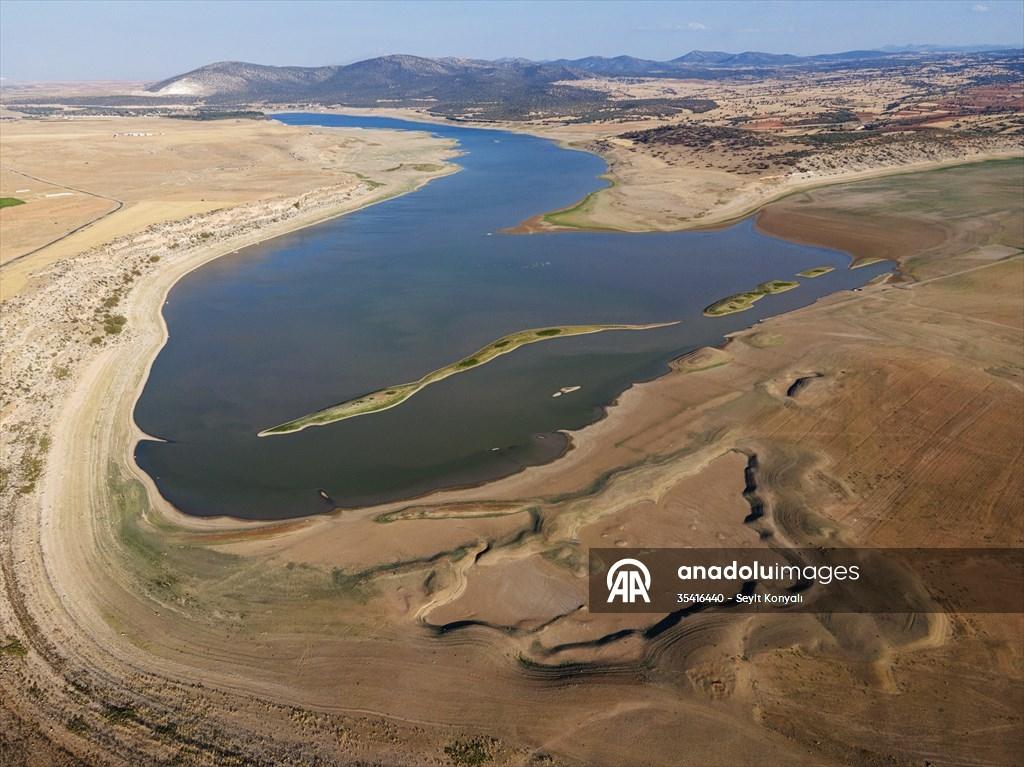
Apa Dam is located approximately 70 km from Konya city and is situated on the Çarşamba Stream. The dam’s catchment area is extensive and influenced by the Mediterranean rainfall regime, exhibiting semi-arid climatic characteristics. Konya Province, to which the dam belongs, is known for its low average precipitation and high evaporation rates during certain months. Meteorological observations conducted over the years have revealed increasing drought trends in the region, which are reflected in the dam’s water storage levels.
The dam was designed primarily for irrigation purposes (%90), with an auxiliary function of flood mitigation (%10). Although the reservoir is artificial, its water level dynamics exhibit characteristics similar to natural lakes in terms of hydrographic patterns and sediment transport. Surface waters have been analyzed through measurements up to a depth of 14 meters. These analyses revealed significant variations in temperature and conductivity during the summer months.
The water quality of Apa Dam has been analyzed using multiple ability parameters. Below are the average values from studies conducted in various years:
Water temperature: 4.5–29.3 °C (average 16.36 °C)
pH: 7.83–9.66 (average 8.49)
Dissolved oxygen: 4.36–11.3 mg/L (average 8.59 mg/L)
Biochemical Oxygen Demand (BOD₅): 1.3–27 mg/L (average 10.38 mg/L)
Ammonium: 0.032–3.157 mg/L (average 0.64 mg/L)
Nitrate/Nitrite: 0.082–6.715 / 0–0.338 mg/L
Total phosphate: 9–78 µg/L (average 27.038 µg/L)
Electrical conductivity: 151.1–218 μS/cm (average 185.05 μS/cm)
Suspended solids: 23–88 mg/L
All yield parameters have been evaluated against continental water quality criteria, confirming that Apa Dam possesses high-quality water with alkaline characteristics and no significant pollution issues.
Heavy metal studies have been conducted at Apa Dam and evaluated using a general logical model. The assessment revealed that 66% of the water is classified as “high quality” and 34% as “very high quality”.
The reservoir supports a diverse alg algal flora. High-level and doctoral research conducted between 2010 and 2012 identified the following findings:
Phytoplankton: 116 taxa
Epipelagic algae: 79 taxa
Epiphytic algae: 106 taxa
Epilithic algae: 158 taxa
The group Heterokontophyta (particularly diatoms) dominates the algal diversity, while Chlorophyta and Cyanobacteria are identified as subdominant groups. Analyses using Shannon-Weaver and Simpson indices indicate a medium level of trophic status (mesotrophic structure).
According to trend analysis conducted in 2023, significant increases were detected in the dam’s catchment area over 6, 9, and 12-month precipitation periods. However, whether this increase translates into hydrological improvement requires longer-term monitoring studies.
The dam area is floristically rich and lies under the influence of the Iran-Turanian and Mediterranean phytogeographical regions. Over 100 endemic plant species have been identified, with Astragalus, Artemisia, Berberis, and Juniperus species being particularly prominent. The surrounding steppe and shrub formations are closely linked to the reservoir ecosystem.
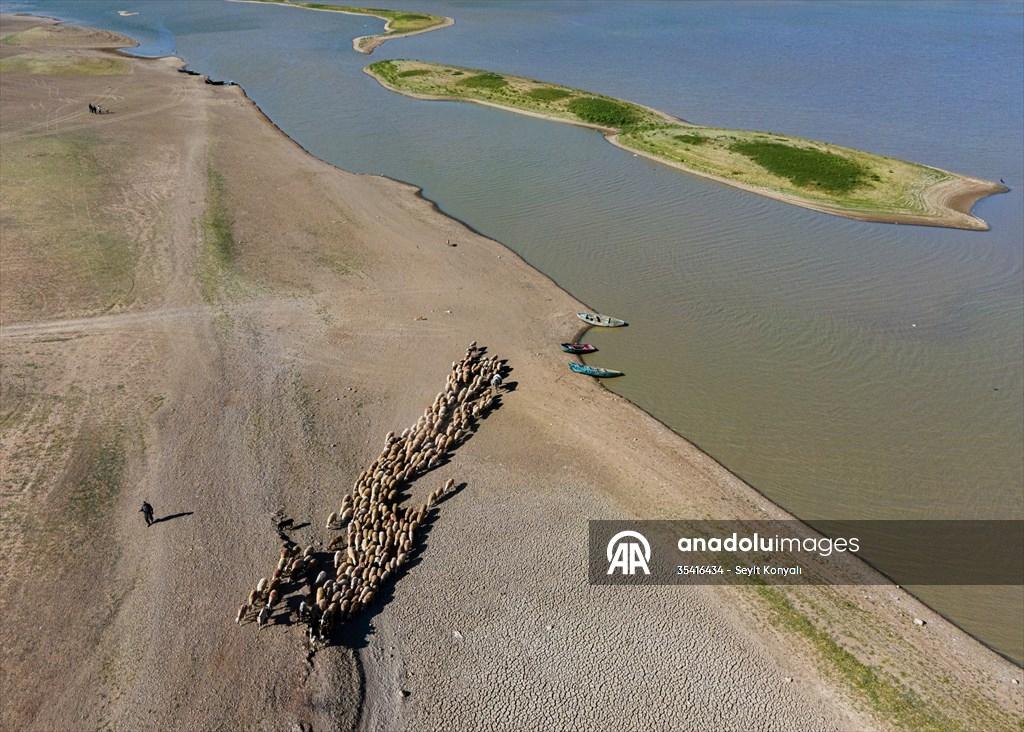
Apa Dam is a critical water source for Konya Province in terms of water management and sustainability. The reservoir maintains a biologically controlled and high-quality chemical structure. However, seasonal declines in water levels and rising temperatures during summer due to irrigation demands must be regarded as potential stress factors.
Akköz, Cengiz and Betül Yılmaz Öztürk. "Apa Baraj Gölü (Çumra-Konya)'nun Su Kalitesi ve PCA Analizine Göre Değerlendirilmesi." Konya: Selçuk Üniversitesi Fen Fakültesi, 2014.
Anadolu Ajansı. "Apa Barajı Kuraklığın Etkisi Altında" Accessed March 25, 2025.
Ekizoğlu, İlke. "CBS Yardımıyla Batımetrik Haritaların Oluşturulması ve Değerlendirilmesi Üzerine Bir Çalışma: Altınapa Barajı (Konya) Örneği." Master's thesis, Selçuk Üniversitesi Fen Bilimleri Enstitüsü, 2011.
Mert, Ramazan, Sait Bulut, and Kemal Solak. "Apa Baraj Gölü'nün (Konya) Bazı Kimyasal Özelliklerinin Araştırılması." "Afyon Kocatepe Üniversitesi Fen Bilimleri Dergisi" 2 (2008): 1–10.
Tuğrul, Türker and Mehmet Ali Hınıs. "Konya Apa Barajı Havzasında Meteorolojik ve Hidrolojik Kuraklık Trend Analizi." "Karaelmas Fen ve Mühendislik Dergisi" 13, no. 1 (2023): 151–163.
Yıldıztugay, Evren, Yavuz Bağcı, and Osman Tugay. "Başarakavak, Tatköy ve Altınapa Barajı (Konya) Arasında Kalan Bölgenin Florası." "Selçuk Üniversitesi Fen-Edebiyat Fakültesi Fen Dergisi" 28 (2006): 99–124.

Apa Dam
Location | Çumra Türkiye Konya | ||||||||
|---|---|---|---|---|---|---|---|---|---|
River | Çarşamba Suyu | ||||||||
Purpose of Use(s) | 90% irrigation 10% flood control | ||||||||
Dam Type | Embankment type – Artificial reservoir | ||||||||
Climate(s) | Semi-arid | ||||||||
pH | 7.83–9.66 (alkaline property) | ||||||||
Dissolved Oxygen | 4.36–11.3 mg/L | ||||||||
Water Quality | Good (pollution factor negligible) | ||||||||
Dominant Algal Species | Cyclotella, Microcystis aeruginosa, Pediastrum | ||||||||
Geographical Location
Reservoir Characteristics and Hydrological Structure
Water Quality: Physicochemical Parameters
Algae
Drought and Climatic Pressures
Ecological and Floristic Environment